Trump thinks foreign policy is simple. It’s actually a complex poker game.
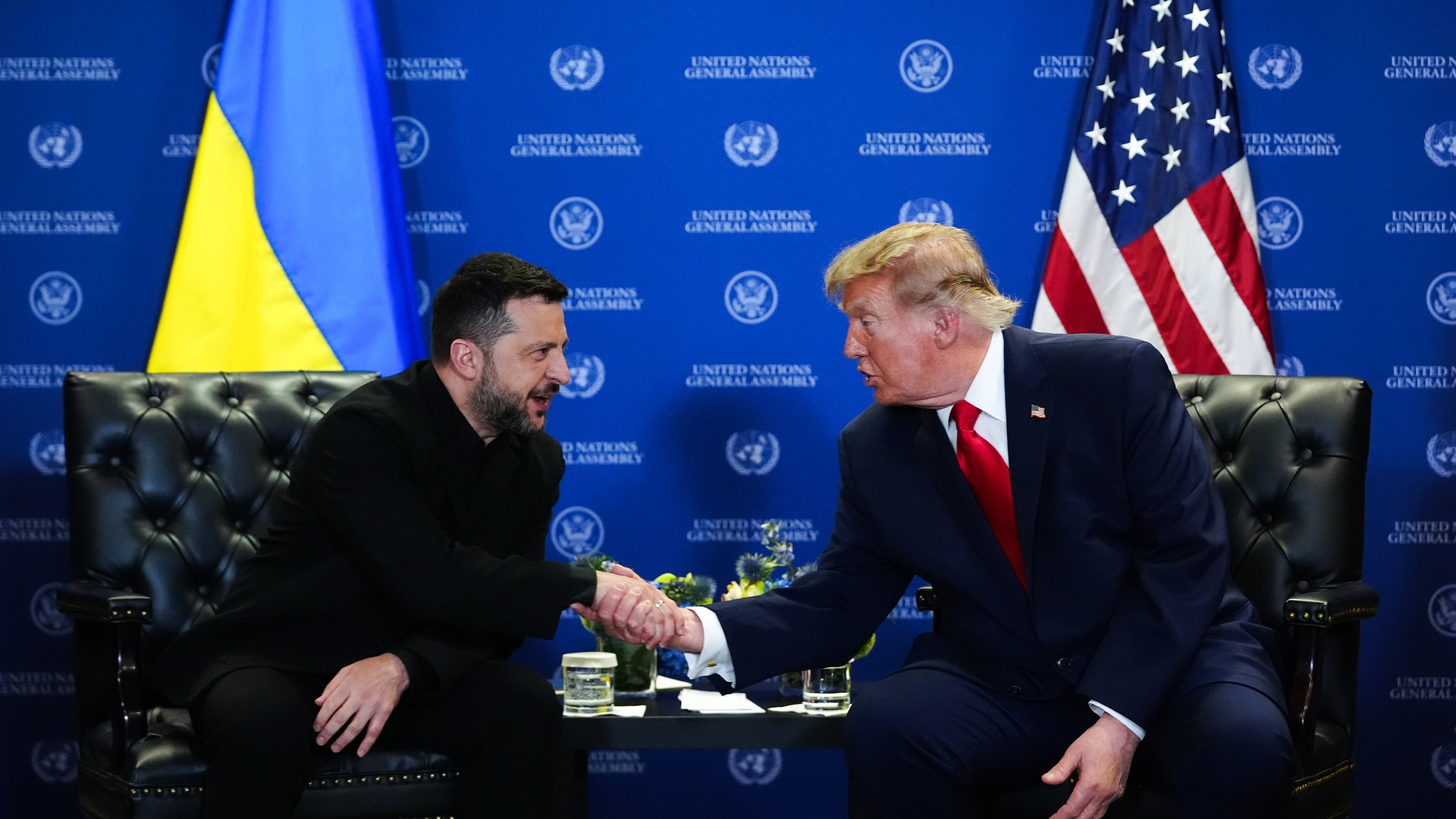
President Donald Trump’s insistence in 2025 that Ukraine didn’t have the “cards” to resist Russia without the U.S. reflects Trumps assumption that geopolitics is akin to a poker game in which the player with the best cards wins.
In fact, Trump does not understand the nature of “strong cards” and how to play them.
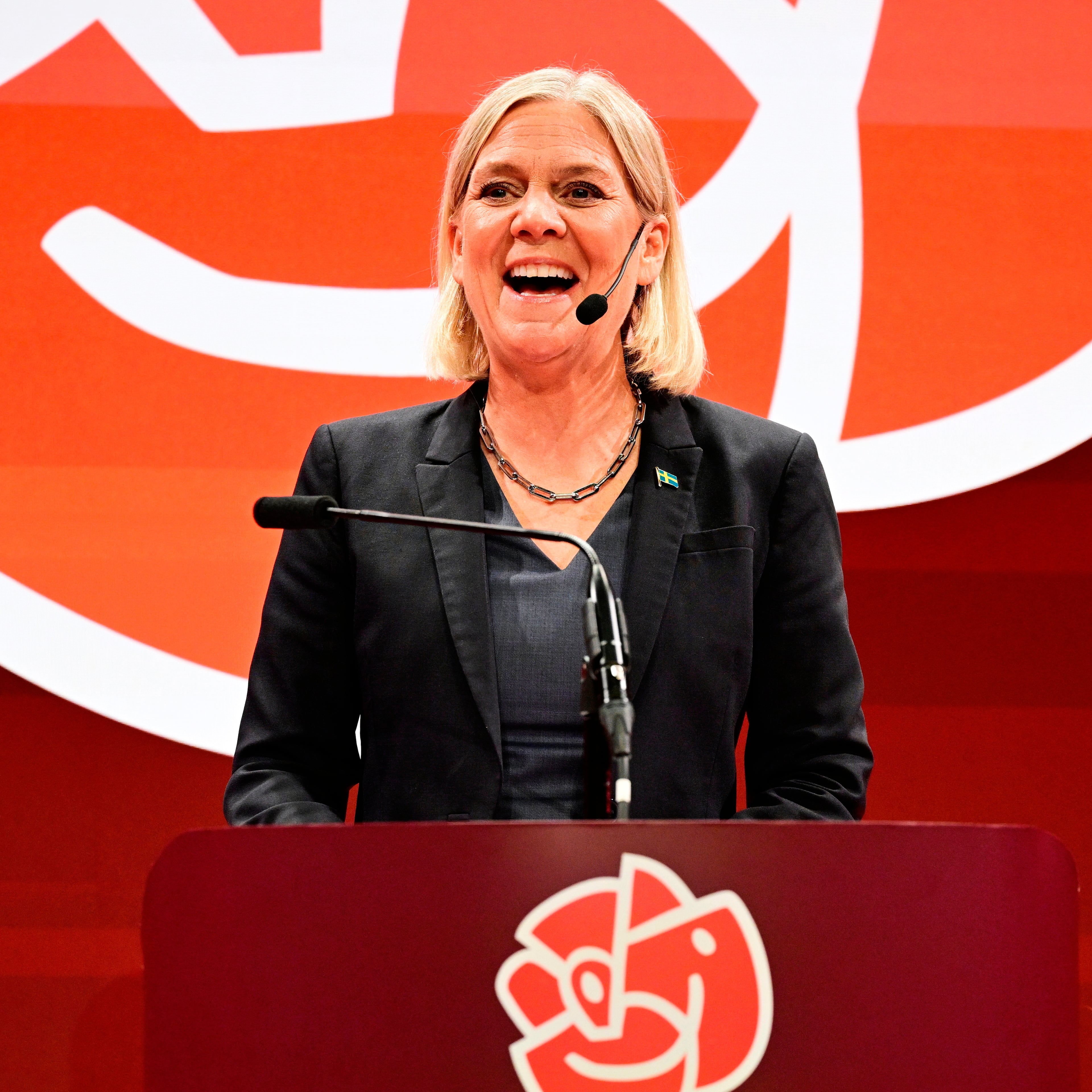
Other recent developments — the Russia-Ukraine stalemate; the failure of combined U.S.-Israeli military attacks to compel Iranian leaders to agree to U.S. demands, much less overthrow the Islamic regime; and the expansion of the Middle East conflict to include Houthi attacks on Saudi Arabia — illustrate weaknesses in Trump’s understanding of the card game analogy as it applies to geopolitics.
Four things to know about international relations

First, as I was taught in my first year of graduate school, power depends not only on having the cards, such as military resources, but also knowing how to play those cards.
The U.S. administration, led by people who assume that interstate conflict resolution is the same thing as a real estate deal with short-term payoffs, is profoundly ill-equipped to make effective use of U.S. power. The result has been nothing less than reckless incompetence.
Second, geopolitical conflict is often not a one-off confrontation between parties with similar priorities. Parties to a conflict may be playing a long game with very different willingness and capacities to sustain short-term losses.
This was reflected in the U.S. failed strategy in Vietnam, and it’s eminently clear in Iran’s reaction to U.S. attacks. Iran is playing a long, strategic game that began 40 years ago. The administration’s understanding of Iran’s strategic calculation is inadequate and outdated.
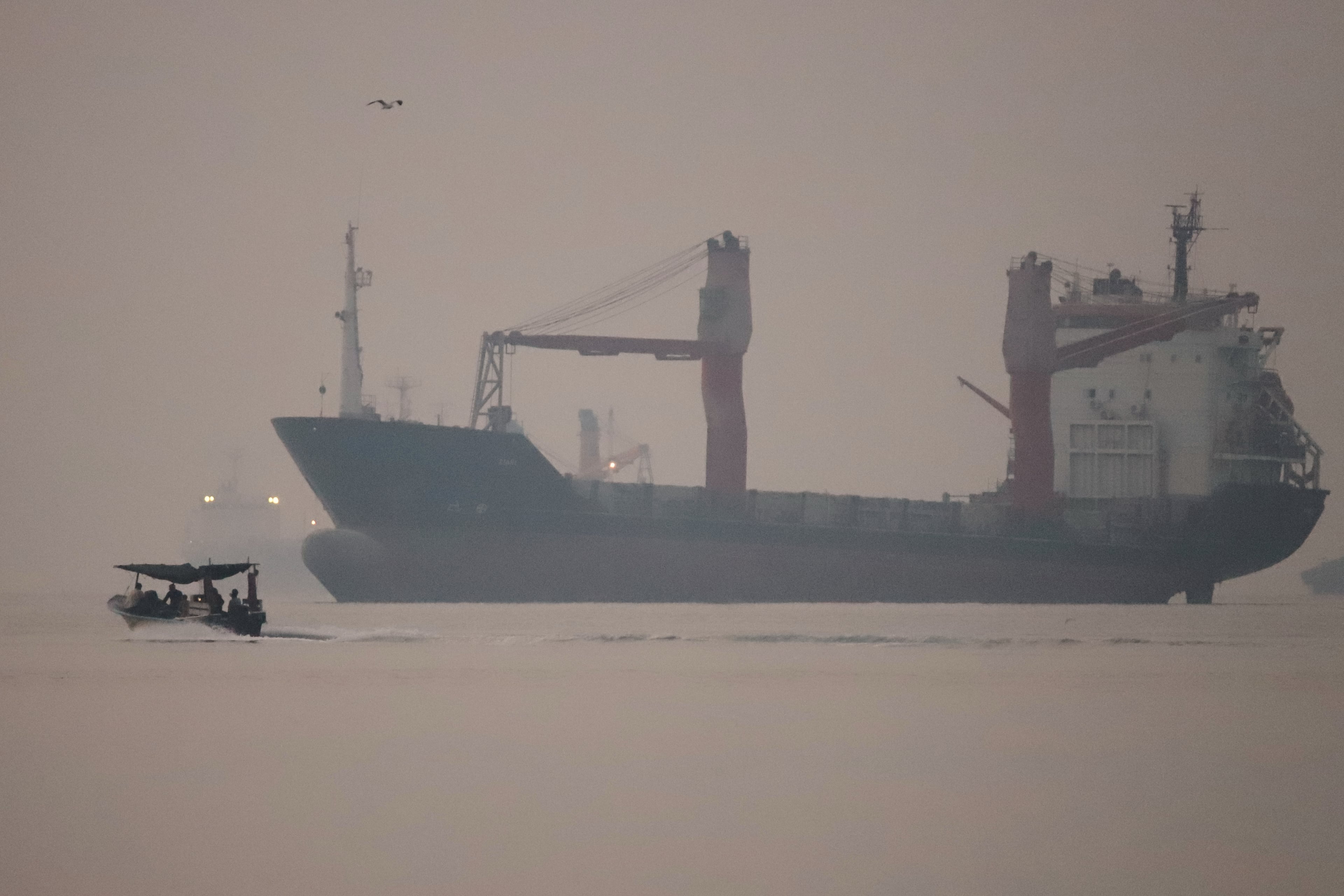
Third, the distribution and nature of cards is not one and done. Conflicting parties can develop new resources under pressure. The administration’s failure to appreciate the importance of “choke points” — like the Strait of Hormuz, lower-tech arms such as drones and other tools of asymmetric warfare — reflects its inability to grasp the diverse nature of “cards.”
Conversely, cards can be reduced or wasted, as reflected in our failure to defend a key logistics hub in Bahrain; in the general vulnerability of U.S. bases in the Middle East; in the depletion of U.S. arms stocks following our attacks on Iran; and in Defense Secretary Pete Hegseth’s firing of Army Chief of Staff Gen. Randy George, who was leading efforts to improve the military’s technological capacity.

In fact, as The New York Times reported, Hegseth has removed at least 45 officers, including the former Army chief of staff, from promotion lists selected by peers based on merit, leaving a lack of Army leadership precisely when the service is attempting to respond to the threat posed by cheap drones.
Fourth, the card analogy presumes that each player is on its own. But, the ability of the U.S. to have its way has often required support from other countries. That requires others’ belief in our commitments. Yet Trump’s combination of belittling and ignoring allies and the belief that, as Prime Minister Mark Carney noted, the U.S. “signature is sometimes written in pencil” has reduced our credibility in the Middle East.
It has encouraged erstwhile allies, such as Saudi Arabia, which has denied the U.S. use of Saudi airspace and bases, to hedge their bets through other alliances. The most recent threat to U.S. credibility is Trump’s deal with Vladimir Putin to release almost 300,000 tons of diesel to reduce energy prices for Americans. This deal directly violates a bipartisan law in which Congress explicitly banned Russian oil imports to prevent American dollars from financing Russia’s war against Ukraine.
Global affairs are hard to predict
The fact is, geopolitics, especially in today’s Middle East, often involves more than two players. This poker game is much more complex than a U.S. vs. Iran contest.
Today’s game involves multiple players with different interests that often diverge with the U.S.
Whether it is Israel and the United Arab Emirates, or Turkey, Saudi Arabia and Qatar, each sees winning in a different way.
When you add the interests of China and Russia, along with the domestic politics of each of these players, you get a poker game that is complex and hard to predict.
Trump’s inability to understand the Middle East game is reflected in the fact that his bluffs typically fail. This volatile incompetence has resulted in a weakened U.S. vis-a-vis Iran and in the broader world of geopolitics.
Rick Doner is a professor emeritus of political science at Emory University.
Send letters to the editor of 250 words or fewer with your name, city or town and contact information to letters@ajc.com.
The opinions expressed are those of the writer and do not necessarily reflect the views of The Atlanta Journal-Constitution.