Civil rights era surveillance threatened dissent. AI is a bigger threat now.
This summer, Congress debated the reauthorization of a key surveillance tool, Section 702 of the Foreign Intelligence Surveillance Act. The debate eventually got caught up in political gridlock over President Donald Trump’s nomination for director of national intelligence. That hurdle was eventually cleared, and while a vote to reauthorize the bill stalled, it’s expected to take place during Congress’ upcoming lame duck session.
But proponents of an unreformed reauthorization of this surveillance tool have largely ignored a growing threat: Artificial intelligence is giving government agencies and private companies new and unprecedented powers to monitor people at a scale previous generations could hardly imagine.
Georgia knows what happens when the federal government wields mass-surveillance tools against movements for justice.
From the civil rights era to today’s racial justice protests, Black leaders, organizers, churches, students and communities of color have too often been surveilled by the very institutions that should have protected their rights.
Mass surveillance of historically marginalized communities is nothing new. But the threat that AI poses today to supercharge it has no historical precedent.
How surveillance has evolved over the decades
The United States has a long history of surveilling civil rights leaders and movements, most infamously through the FBI’s COINTELPRO operations. Martin Luther King Jr., the Southern Christian Leadership Conference and the Student Nonviolent Coordinating Committee were all targets of surveillance at the peak of their organizing in the 1960s. Their surveillance wasn’t just a tactic to collect intel on their activities; it was also a weapon targeted at them to intimidate and weaken their movements for justice.
But while this all seems like a fear from the 1960s, in the decades since, racial justice movements have continued to be monitored by government forces.
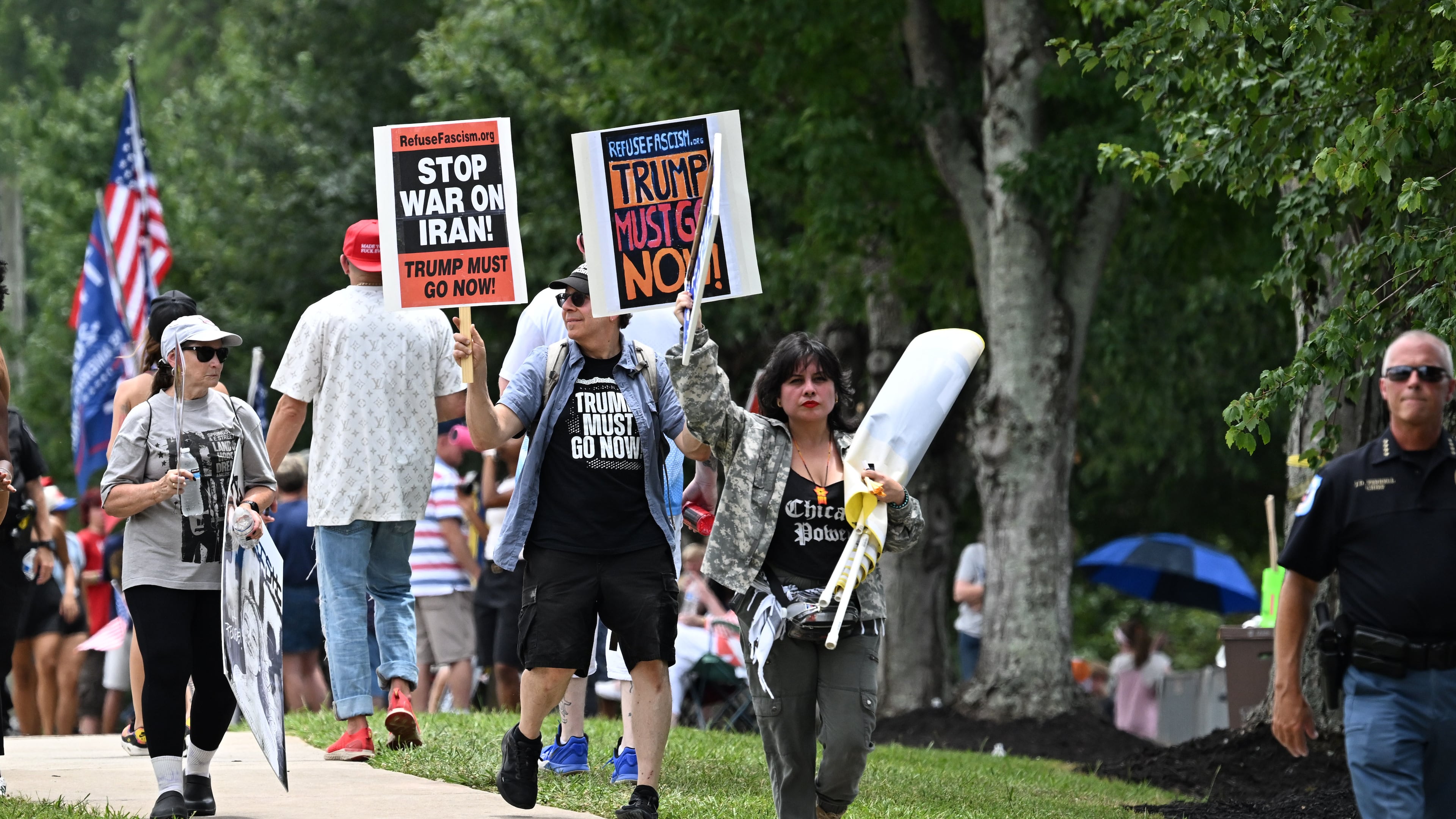
During the 2020 protests after George Floyd’s murder, federal agencies tracked protest activity and targeted protesters’ individual communications content through Section 702 authorities. Later reporting showed that powerful AI surveillance tools and authorities were used in ways that raised serious civil liberties concerns.
And earlier this year, the FBI submitted a budget request to Congress that included funding for a program to monitor and prosecute networks advocating on migration, race and gender, and which, according to the agency, display “hostility towards those who hold traditional American views on family, religion, and morality.”
The language used to describe movements for justice has changed, but under the current federal government, these movements are still treated as security threats.
During the civil rights era, surveillance looked like what is often depicted in movies: an agent sitting outside a church, an informant in a meeting, or a paper file on an organizer. Surveillance today looks like a camera identifying faces at a demonstration, license plate readers recording who attended a rally or a data broker selling location data on visits to an organizing meeting. Today’s AI-assisted surveillance can connect dots in seconds and at a massive scale, building profiles, identifying networks, flagging patterns and making predictions that may follow people for years.
This is the new reality that racial justice organizers are confronting today.
Ossoff and Warnock should back proposed legislation

As Congress considers the reauthorization of FISA, Georgia U.S. Sens. Raphael Warnock and Jon Ossoff should fight to close the legal loopholes that already allow broad government surveillance before AI makes those powers even harder to control.
That starts with restricting the government from being able to search Americans’ private information or buy sensitive data from private companies without strong legal safeguards. It also means closing the data broker loophole, which lets government agencies buy sensitive information from private companies that they would otherwise need a legal process to obtain.
The Government Surveillance Reform Act, a bipartisan bill to address these abuses, would strengthen protections for Americans whose communications are warrantlessly searched by the government and stop agencies from buying their way around constitutional limits. With this bill, Congress can make clear that new technology does not erase old rights.
Georgia’s own civil rights history provides an example of what happens when mass surveillance is wielded to intimidate leaders and groups. AI gives the government the power to repeat that history much faster and on a scale the architects of past surveillance campaigns could never have imagined.
Congress must act now to close the loopholes that allow warrantless searches and the purchase of sensitive personal data. Honoring Georgia’s civil rights legacy means protecting the right to organize, protest and dissent before the machinery of surveillance becomes too powerful to contain.
LaTosha Brown is an Atlanta-based community organizer, political strategist and co-founder of Black Voters Matter.
Send letters to the editor of 250 words or fewer with your name, city or town and contact information to letters@ajc.com.