American deportation of Haitians threatens civil war in the island nation
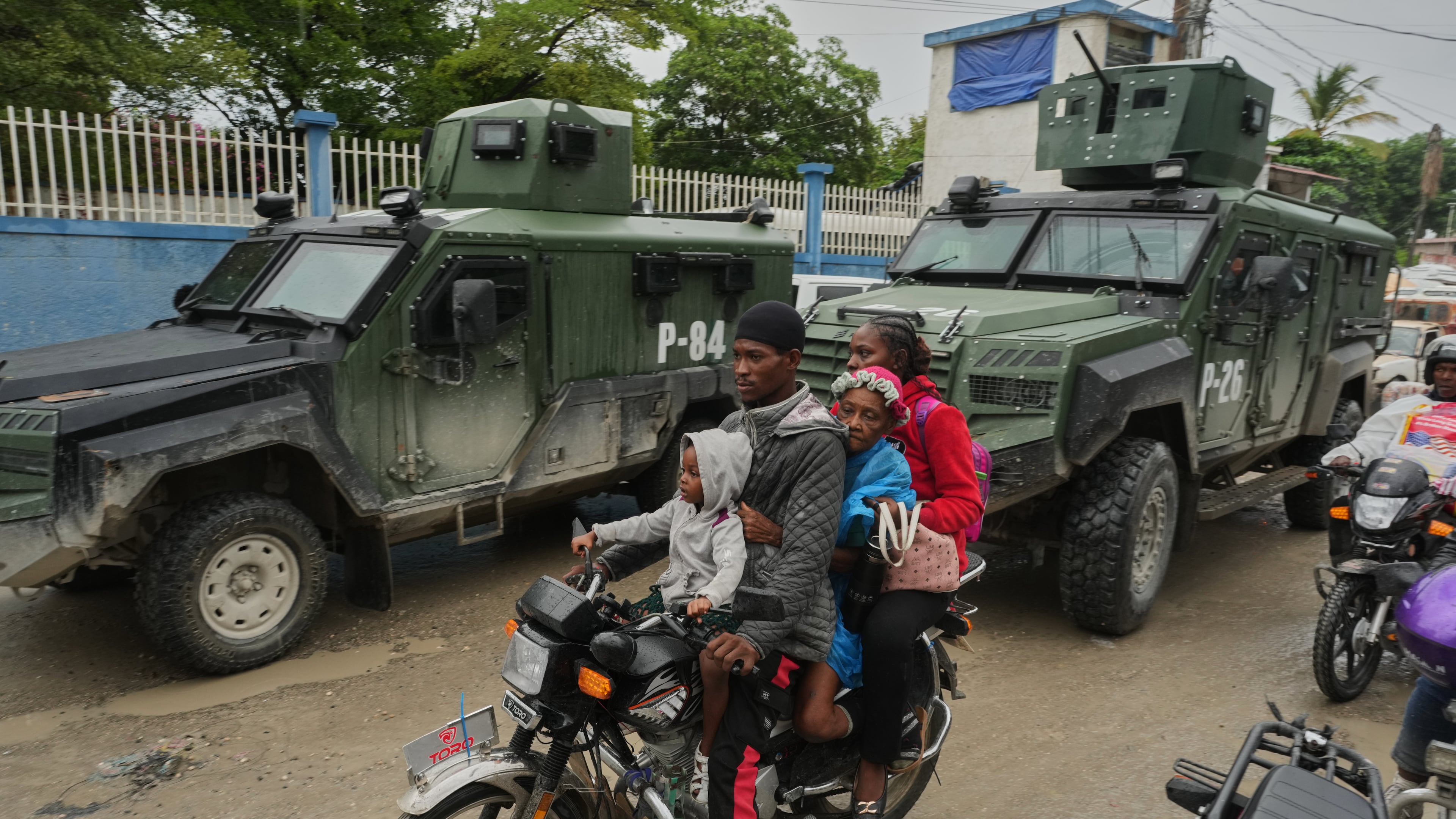
Deportees headed back to Haiti should be prepared for an array of challenges. Most important is that many of them will be demonized for having become creolized.
Jealousy and resentment are human emotions. It’s not usually publicized that class is an issue, which has the power to turn Haiti into a tinderbox, but it is.
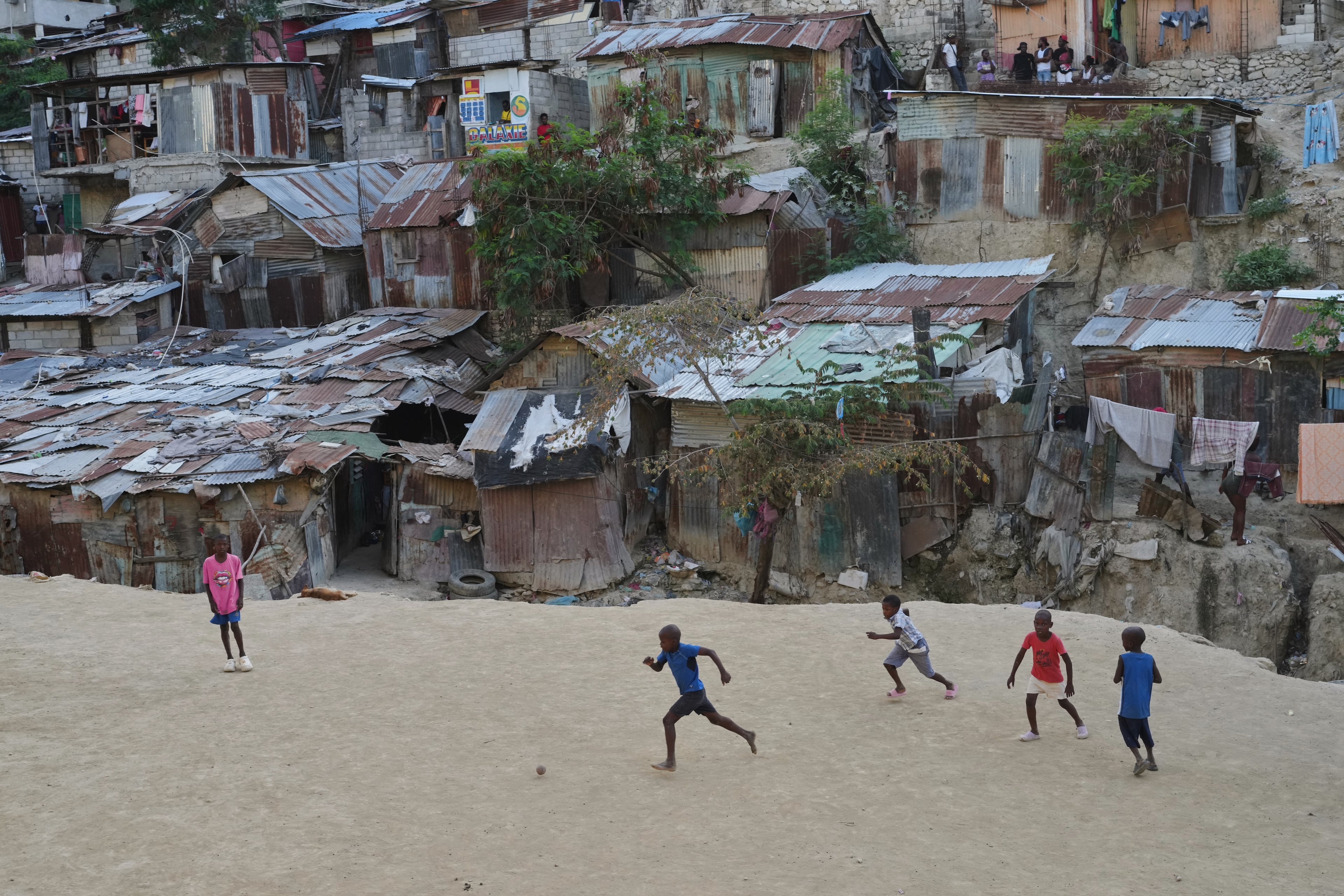
Kenscoff and Port-au-Prince are set on a hill, particularly in the Delmas area, in Haiti. Literal waste has been rolling downhill to Cite Soleil for generations, and poor youth have become tired of it. An infusion of Creole Haitians, or Haitians who have become Americanized, is not what Haiti needs.

It’s the youth who hold the power in Haiti now, for better or worse. The deported and diasporic may inevitably look down on many of them, seeing them as thugs, gang members and lost causes. Some of them are that, but most just want to be heard, seen and treated as equal human beings.
They haven’t had the luxury of running water, dependable electricity or first-world clothing, and some of them are hungry and without a plan. They will reject diasporic leadership, any leadership really, because they want to lead themselves into the future. This is evidenced by manifestations in the streets of Haiti that are comprised of thousands of youth. They come together in national pride, but there is an underlying umph to their parades that speaks of real revolution.
Current situation evokes bad memories of the Duvalier era

Those Haitians who have lived in the United States for years are not prepared to deal with the unwelcoming home that awaits.
Not only does class divide but color does, too. Light-skinned individuals in Haiti are often shunned and targeted for kidnapping and torture.
Black nationalism and solidarity cannot erase this, not without a nationwide effort to heal the nation itself of the psychological remnants of slavery that still exist within the population.
This includes exceptionalism, colorism, competition for resources, favoritism and self-hatred. Besides, any mention of Negritude brings back memories of the Duvalier family dictatorship (“Papa Doc” and “Baby Doc”), and that is something that no good Haitian can abide.
Just the mention of it puts Washington and France, among others, up in arms, too. Thus, the wiping-my-hands-of-it strategy of the current administration.
A reversal of U.S. policy would improve matters
The future of Haiti looks bleak right now, except to those who dream of it as a Black utopia. For returnees, the streets and any housing that they may find will be unsafe and at risk for burning.
“N’ap boule” is the answer when youths greet each other, and it literally means “we are burning.” And so they will be, once they encounter the derision and spending habits of today’s Creoles.
Civil war reminiscent of Liberia and Sierra Leone is possible and even likely, unless someone can engage the youth. One would hope for peace and love in Haiti, and indeed many have encountered these there as visitors and humanitarians, but it’s just not realistic. Until Haiti is healed of the hurts of slavery, there will be no peace. Division will continue to trump unity.
This reality offers the country — and those truly invested in it — the chance to have a much-needed conversation about coming together for the common good. It’s a decolonial conversation that most nations on earth need to have among their peoples at present, and from a trauma-informed and Afrocentric perspective at that.
Until the past is truly confronted, it will always cast a dark shadow over the future. War is generally the outcome of that. To prevent the worst from happening in Haiti, the U.S. should stop deporting Haitians and focus on devising an integration strategy that can be applied across the global board, albeit with localized bents.
That is the best diplomatic gesture that America could make at this point in human history.
Amanda Furness-Grovner is a Sapelo Island resident, an Agnes Scott alumna and an expert on gender-based violence, human trafficking and Afrodescendants.
Send letters to the editor of 250 words or fewer with your name, city or town and contact information to letters@ajc.com.
The opinions expressed are those of the writer and do not necessarily reflect the views of The Atlanta Journal-Constitution.