Make elections boring again and leave behind voting results denialism
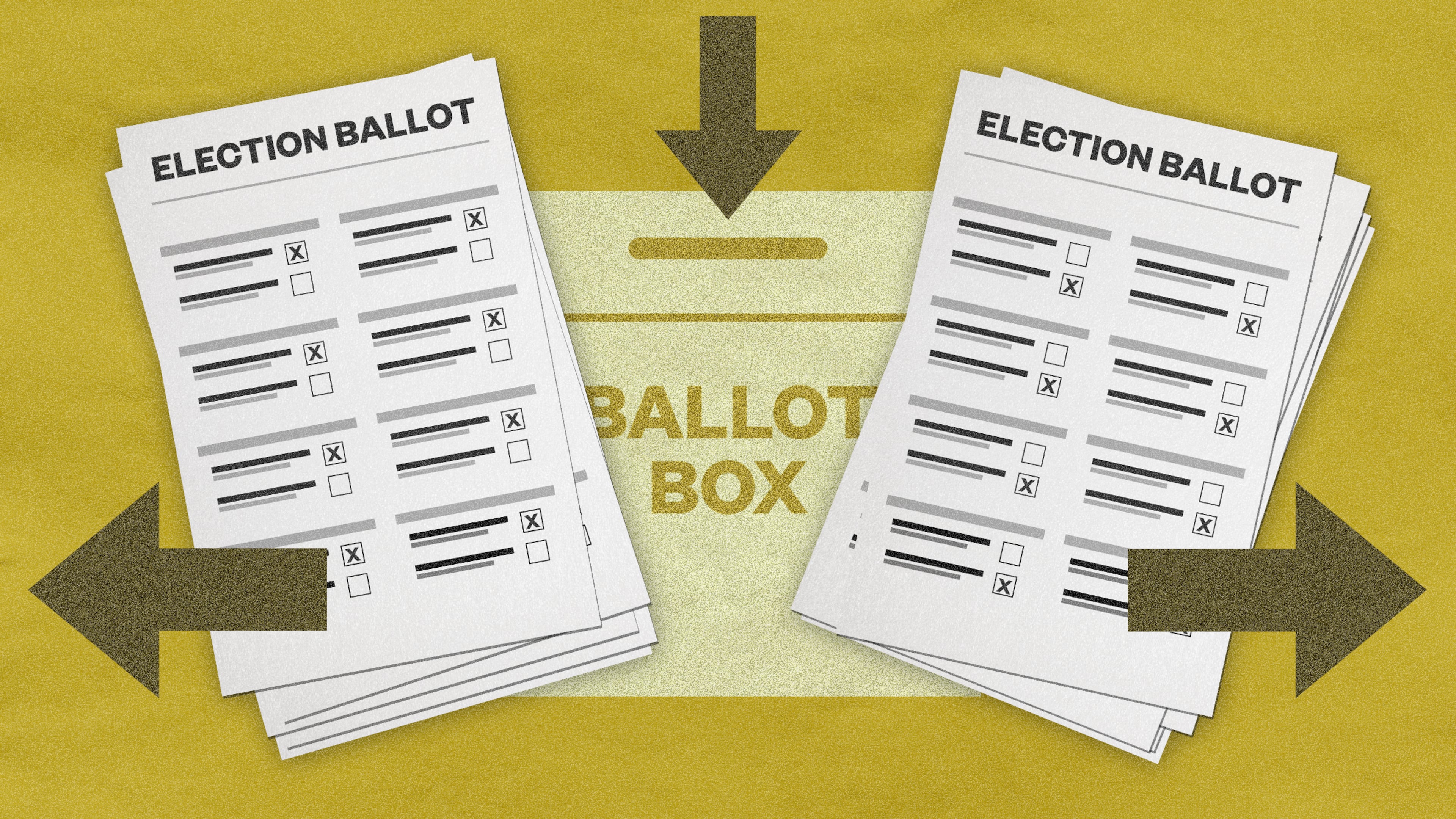
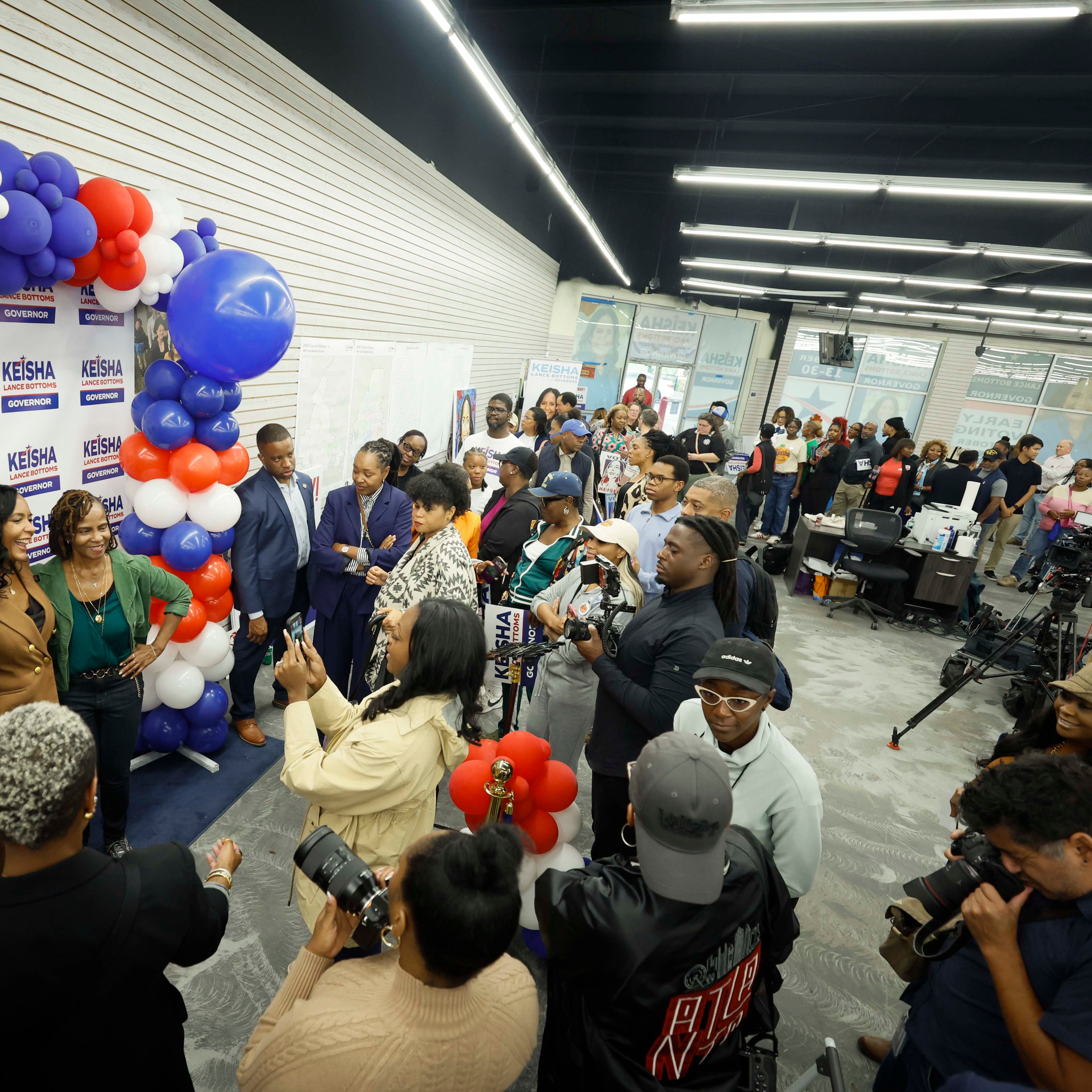
On election night Nov. 3, something remarkable happened: nothing particularly remarkable happened.
Millions of Georgians cast their ballots, the polls closed, and the results were reported. Candidates conceded with grace, and others celebrated. The process worked as it intended.
After everything Georgia has endured since 2020, that is no small milestone.
For those six years since, I’ve had a front-row seat to some of the most consequential, contentious and downright bizarre moments in modern times.
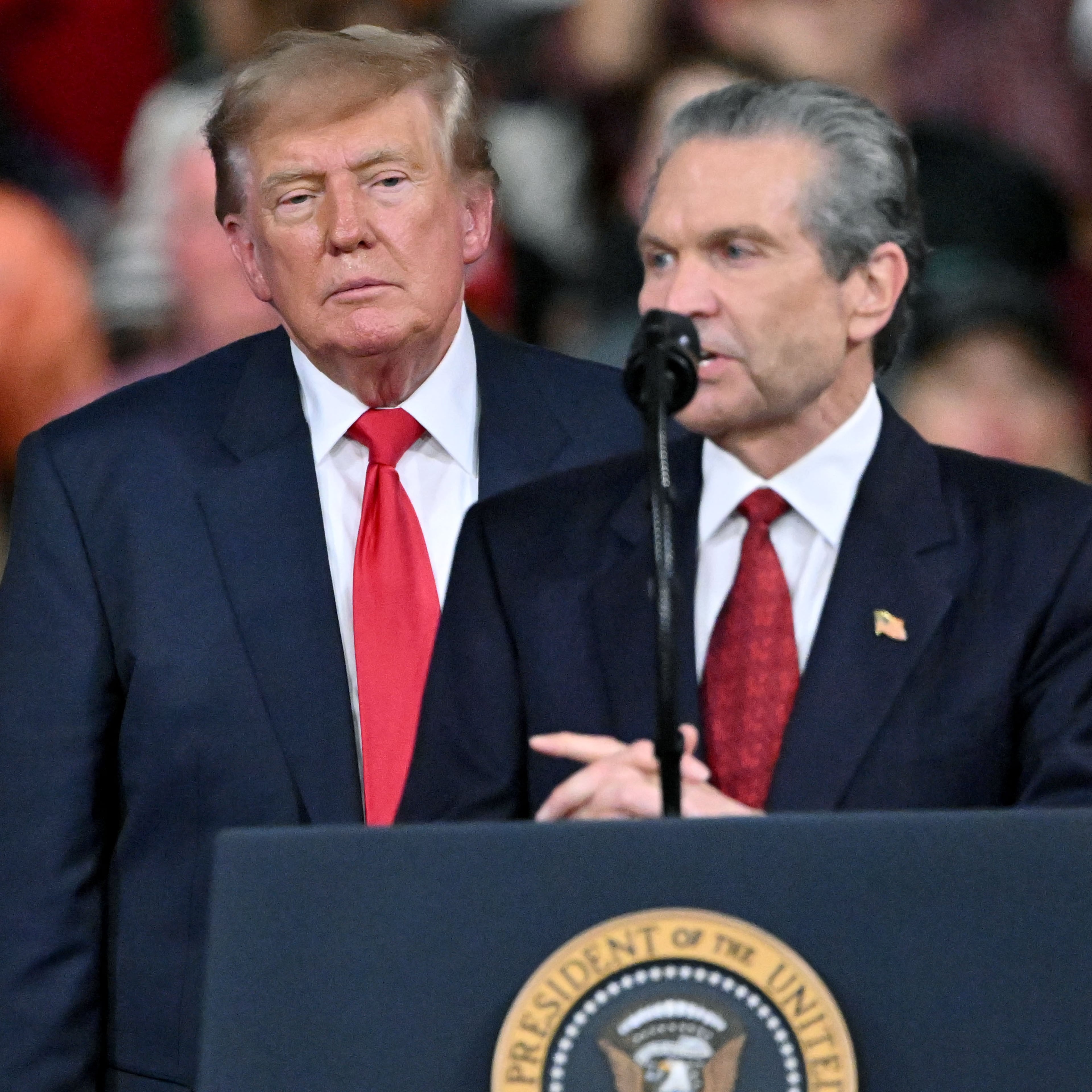
As communications director for Secretary of State Brad Raffensperger, and formerly, Election Day operations director for the Trump campaign, I’ve seen firsthand the threats, conspiracy theories, baseless lawsuits, political pressure and the mental gymnastics some people will endure to avoid accepting election results they don’t like.
And in the midst of all this, I’ve come to believe in something remarkably simple. It’s time to make elections boring again.
We had to show skeptics why they could trust the system

In 2020, Georgia found itself at the center of a political firestorm. Every rumor became a breaking news alert. Every accusation demanded rapid response. People who had never been so much as a poll worker suddenly became experts in voting machines, ballot validation and the complex web of election law.
Facts became negotiable. Conspiracy theories became political currency. Election workers became targets.
But something unexpected emerged from that chaos.
The relentless scrutiny, however misguided much of it was, forced us to think differently about how elections are administered, reported and verified.
Election administrators couldn’t simply tell skeptics to trust the system. It became about showing them why they could.
The experience helped shape the election infrastructure Georgia relies on today: stronger postelection verification, more transparent reporting, improved procedures and a greater emphasis on making election information accessible to the public.
The irony of 2020 is that the movement built around distrust of Georgia’s elections helped accelerate the development of safeguards that make those elections more transparent today.
States like Mississippi and Alaska are currently going through that pain, in part because like in Georgia before 2020, elections weren’t close nor were they the subject of debate. So, there was no need to examine the infrastructure.
That doesn’t mean the conspiracy theories were justified. They weren’t. But the pressure exposed something important in Georgia: Election integrity isn’t just about getting the results right. It’s also about demonstrating, clearly and repeatedly, how we know they’re right.

What I’ve learned from my mistakes along the way
And I must acknowledge something else: I didn’t always get it right, either.
In the aftermath of 2020, I made mistakes of my own, particularly in how I approached the controversy surrounding the alternate Republican electors.
I believed there was an important distinction between legitimate legal challenges and attempts to overturn an election outside the law. I still do.

But I became so focused on the technical legal questions that I didn’t always recognize the bigger picture and inadvertently gave oxygen to some of the very insanity I’ve been working to combat.
That’s difficult to admit. I’ve spent years challenging misinformation, defending election workers and standing behind the results, sometimes at considerable personal and professional cost.
But being right about the election results didn’t mean I was right about every decision along the way.

I learned that there’s a difference between explaining the flaws in an argument and inadvertently legitimizing the false premises underlying it. And I can’t demand accountability from others without holding myself to the same standard.
I’m a Republican. My political convictions haven’t changed because Donald Trump challenged Georgia’s election results, hasn’t delivered for the American people, or because the party he’s shaped in his likeness suffered a generational loss in 2026.
But those convictions have never required me to pretend a Republican won when the voters decided otherwise. Sometimes those convictions mean telling people on our own side something they don’t want to hear.
Election integrity must outlast any political party

There is a difference between questioning an election and refusing to accept an answer.
The former can be constructive. The latter can be corrosive.
Election directors deserve our praise. They rarely receive the credit they deserve. When an election goes smoothly, almost nobody notices. When something goes wrong, everybody notices.
That’s the double-edged sword of election administration: Success is measured in part by how little attention you attract. Counting votes shouldn’t be a political spectacle.
As Raffensperger prepares to leave office, I hope Georgia preserves what he’s shown us for eight years: Transparency builds confidence. Accountability strengthens institutions. And election integrity must outlast any individual or political party.
I entered this chapter believing that fair elections are a cornerstone of democracy but having my doubts on how they were administered. I leave with a deeper appreciation for the people who make them possible, a few hard-earned lessons about my own mistakes, and one simple hope:
Let the candidates make the headlines. Let the voters make the decisions. And let the people who count the votes do their jobs quietly, making elections boring again.
Robert Sinners is communications director for Georgia Secretary of State Brad Raffensperger.
Send letters to the editor of 250 words or fewer with your name, city or town and contact information to letters@ajc.com.
The opinions expressed are those of the writer and do not necessarily reflect the views of The Atlanta Journal-Constitution.