Cooperatives predate U.S. independence and still benefit Americans today
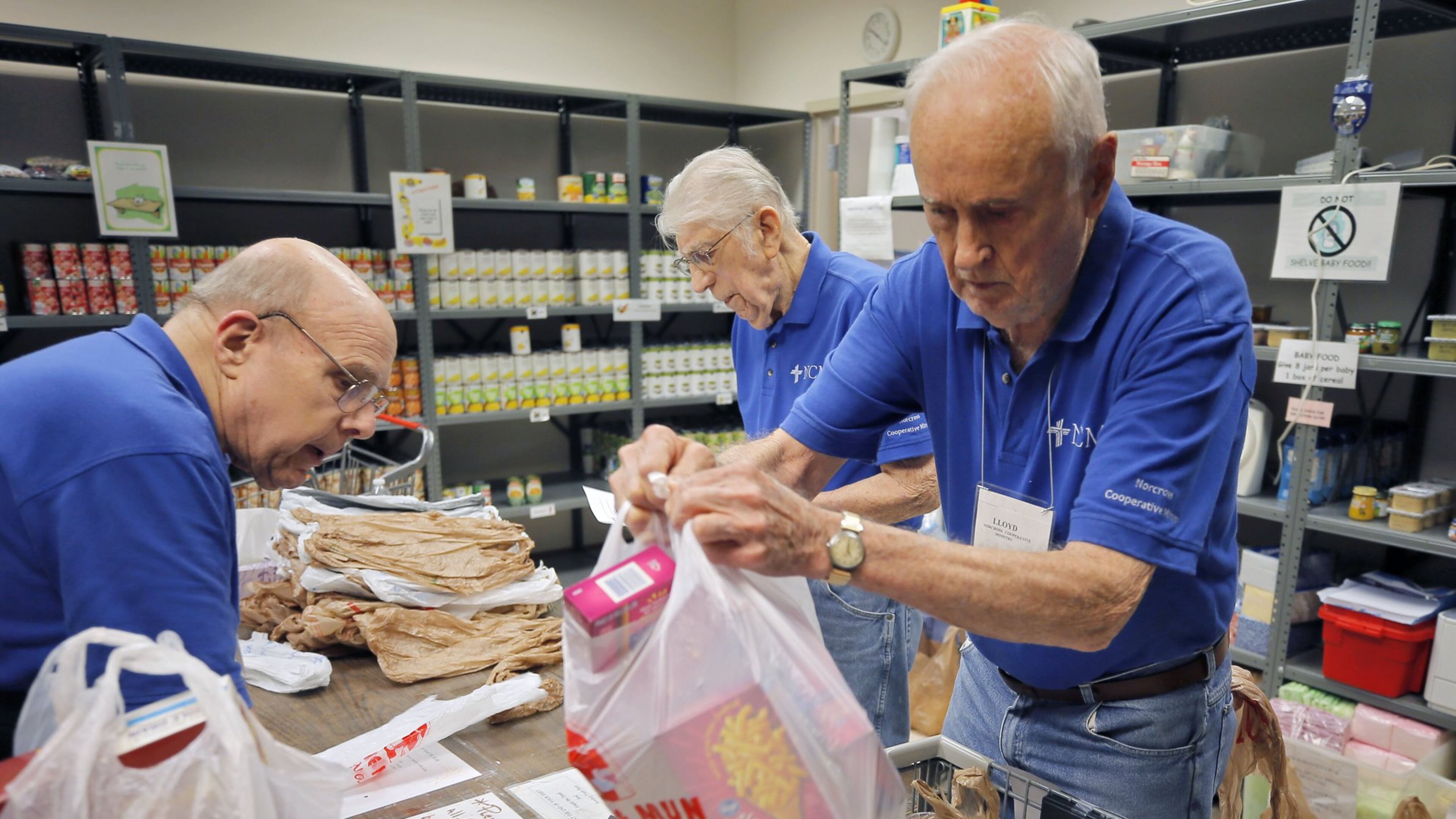
As the United States continues to celebrate the 250th anniversary of the Declaration of Independence, we should look beyond the words that launched the American experiment to the institutions that have helped make its promises real.
The Declaration speaks of “Life, Liberty and the pursuit of Happiness” and governments deriving their just powers from the consent of the governed.
The Constitution begins with “We the People” and commits the nation to securing “the Blessings of Liberty.” These are more than political ideals. They reflect a broader principle: people should have the freedom to organize, govern and solve problems together.

For generations, cooperatives have provided one practical expression of that principle in American economic life.
By giving people democratic ownership and control of businesses that affect their lives, cooperatives demonstrate that freedom is not simply independence from others. It can also be strengthened through association with others.
Benjamin Franklin’s co-op still operates today

This connection between freedom and democracy is embedded in cooperative governance. The second cooperative principle, democratic member control, gives members a voice in electing representatives and directing their enterprises. The fourth, autonomy and independence, ensures that cooperatives remain accountable to their members, even when working with outside partners.
This is a distinctly American proposition: People should be able to build institutions together and keep them accountable to the communities they serve.
The tradition predates American independence. In 1752, Benjamin Franklin and fellow Philadelphians helped establish the Philadelphia Contributionship, a mutual insurance company through which policyholders pooled resources to protect against fire. Members elected directors, assessed risks and built financial reserves. It was organized self-help, demonstrating how people could create greater security by sharing responsibility.
That spirit has continued throughout American history. For Black Americans, cooperative economics has been an important strategy for self-determination amid discrimination and exclusion from credit, land ownership and economic opportunity. Through mutual aid societies, credit unions, agricultural cooperatives and purchasing clubs, Black communities built economic institutions where existing systems failed them. Scholar Jessica Gordon Nembhard documents this legacy in “Collective Courage,” illustrating how cooperation helped translate America’s promises of equality and opportunity into practical action.
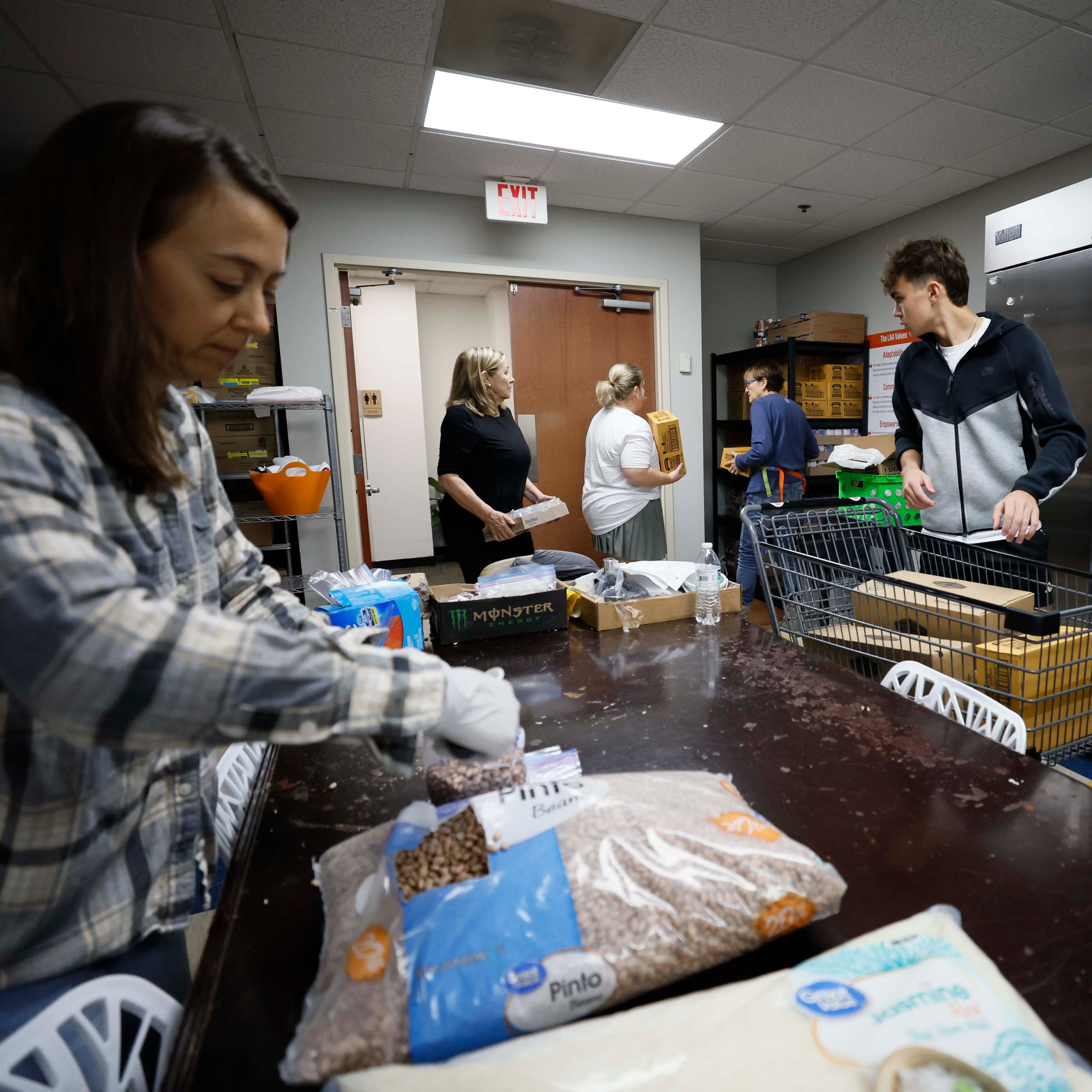
Credit unions offer another example. As member-owned financial institutions, they expand access to savings, affordable credit and financial services. That access can determine whether families purchase homes, start businesses, manage emergencies, pursue education, and build wealth.
Rural electric cooperatives transformed communities when investor-owned utilities saw little financial incentive to extend electricity to sparsely populated areas. By organizing and governing their own utilities, rural residents built infrastructure that changed household life, education, healthcare and commerce. Agricultural cooperatives similarly help farmers purchase supplies, market products, manage risk, and compete in larger markets.
Americans deserve economic freedom and agency
These institutions are hardly marginal. Today, more than 150 million Americans belong to cooperatives across nearly every sector of the economy. They remain a recurring American answer to a fundamental question: how can people preserve their economic freedom and agency when confronting systems too large to navigate alone?
That question is increasingly relevant. Housing cooperatives can help communities preserve affordability, stability and resident control. In childcare, eldercare and home care, cooperative models can give workers and families greater influence over services often challenged by high costs, workforce shortages, and inadequate support.
Artificial intelligence and digital platforms raise another important question: Who owns, governs and benefits from systems built on people’s information, labor and creativity? Cooperative ownership models may offer consumers, workers, and creators a greater voice and a fairer share of the value generated by these technologies.

At US Co-Ops, we see this tradition continuing every day as people use cooperation to meet shared needs, strengthen local economies, and keep ownership rooted in the communities they serve.
America’s 250th anniversary should invite more than reflection. It should challenge us to consider what freedom and democracy require in the decades ahead.
Cooperatives offer a compelling answer. They remind us that democracy is not simply something we vote for. It is something we practice through the institutions we build, the risks we share, the enterprises we own, and the communities we strengthen together.
If America’s founding documents gave language to freedom and democracy, cooperatives give those ideals a place to work.
Doug O’Brien is CEO of US Co-Ops, the association of U.S. cooperatives.
Send letters to the editor of 250 words or fewer with your name, city or town and contact information to letters@ajc.com.
The opinions expressed are those of the writer and do not necessarily reflect the views of The Atlanta Journal-Constitution.