Therapy for children with disabilities is not a luxury. We must do better.

Georgia’s Medicaid system exists to serve our most vulnerable citizens — including children with disabilities and developmental differences who need specialized care to live full, independent and dignified lives.
As the father of a child with a disability, I know firsthand that families raising children with special needs already face enormous challenges. The state’s role should be to make sure these families have reliable access to the care and support that their children need, not add more uncertainty to their lives.
As legislators, we set a budget and entrust selected providers with administering those dollars faithfully and responsibly.
Unfortunately, many of the managed care organizations we partner with to administer Georgia’s Medicaid system appear to be losing sight of that responsibility, particularly when reimbursement decisions threaten access to essential care.
Reimbursement rate reductions have real consequences
Across our state, managed care organizations have moved forward with significant reductions in Medicaid reimbursement rates for applied behavior analysis, or ABA therapy, as well as speech therapy, occupational therapy and other services that children with disabilities depend on.
CareSource proposed a 20% reduction before partially reversing course; Peach State has reduced certain reimbursements by 20%; and Amerigroup is considering a reduction of up to 30%.
These are not simply numbers on a spreadsheet. They have real consequences for children and families.
Every child is different, but for some children, access to ABA therapy can make an enormous difference in their ability to communicate, develop daily living skills, become more independent and participate more fully in their communities.
I hear from families and providers about these outcomes regularly. The progress made by children with autism and other developmental differences over the past several decades demonstrates what can be possible when children have access to appropriate interventions and support.
A recent study from Michigan State University found that 43% to 47% of students with autism pursue higher education after high school. That represents a significant change from two decades ago, when postsecondary education was far less common for these students.
While no single study can establish the impact of any particular therapy, these broader trends underscore the importance of giving children with developmental differences the opportunity to reach their full potential.
ABA, speech, occupational and related therapies are the kinds of services our Medicaid system should be working to make accessible to the children who need them.
Significant reimbursement cuts threaten that access. They can leave families with fewer options, increase wait times and make it more difficult for providers to maintain or expand their practices.
That concern is particularly serious in Georgia, where families can already wait six to 12 months for an autism diagnosis. If reimbursement rates continue to decline, there is a very real concern that some providers will no longer be able to offer these services at a sustainable level. That would leave families waiting even longer for care at precisely the time when early intervention can be so important.
Don’t balance budget on the backs of children
What concerns me most is the lack of predictability and accountability surrounding some of these decisions. Providers have told me they have faced abrupt contract terminations or significant reimbursement reductions with limited notice and little explanation. These are not simply business decisions when the result can be fewer providers available to serve children who depend on Medicaid.
I have also heard directly from providers who have reconsidered plans to open new clinics, particularly in rural areas, because they cannot responsibly invest in a practice when reimbursement rates may be significantly reduced or contracts terminated with little warning. Others have told me they are considering whether they can continue operating in Georgia if this uncertainty persists.
That should concern all of us.
Georgia has worked hard to strengthen its economy, balance its budget and responsibly steward taxpayer dollars. But fiscal responsibility cannot mean balancing a budget on the backs of children with disabilities and the providers who care for them. We need a Medicaid system that is financially responsible and sustainable for the families and providers who depend on it.
I joined the Legislature to stand up for Georgia’s most vulnerable families, and I will continue to do so. Our Medicaid system should be measured not simply by how efficiently dollars are managed, but by whether Georgia’s children are actually receiving the care those dollars are intended to provide.
For families raising children with disabilities, access to therapy is not a luxury. It can be the difference between dependence and independence, between a family facing another impossible waitlist and a child receiving the support needed to thrive.
We owe these families better. And we owe them a Medicaid system that puts the needs of Georgia’s children first.
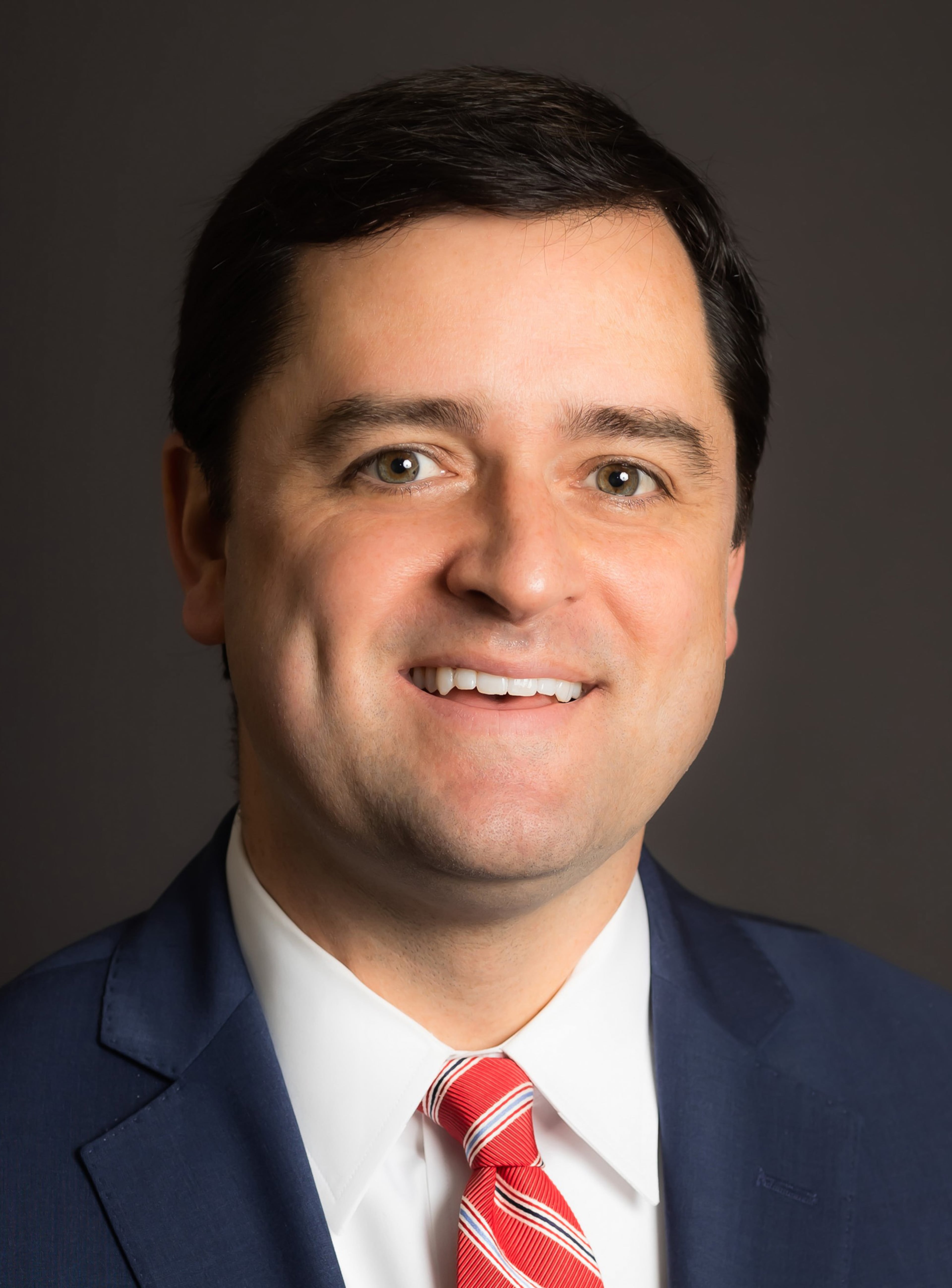
State Rep. Scott Hilton, R-Peachtree Corners, represents District 48 in the Georgia House of Representatives.
Send letters to the editor of 250 words or fewer with your name, city or town and contact information to letters@ajc.com.