The World Cup’s almost here. Atlanta’s fixing up the guest room.

A decade ago, I met with downtown resident Stuart Jackson on Broad Street just south of MARTA’s Five Points station.
He lived in a condo in the old Kessler’s department store and had been having an awful time with rampant misbehavior in the street below.
I described the scene as “a Dystopian society of loud, animated people hanging out until all hours, drinking, selling drugs, urinating, fighting, sometimes even shooting, and urinating some more.”
A group of German investors later bought that street of ugly old buildings, along with dozens more buildings, with the idea of renovating them. Instead, they lost their shirts — and lederhosen.
A couple of tech dudes scooped up that assemblage of 50 buildings and have spent $140 million on repairs with the upcoming World Cup as a deadline to get things done.
A visit Thursday found a cacophony of activity on Broad Street. The good kind, that is. The street had a flurry of dump trucks, cement mixers, cranes, diggers and dozens of workers in hard hats scurrying around. Several restaurants are set to open before the soccer tournament kicks off here June 15 when Spain plays Cape Verde.
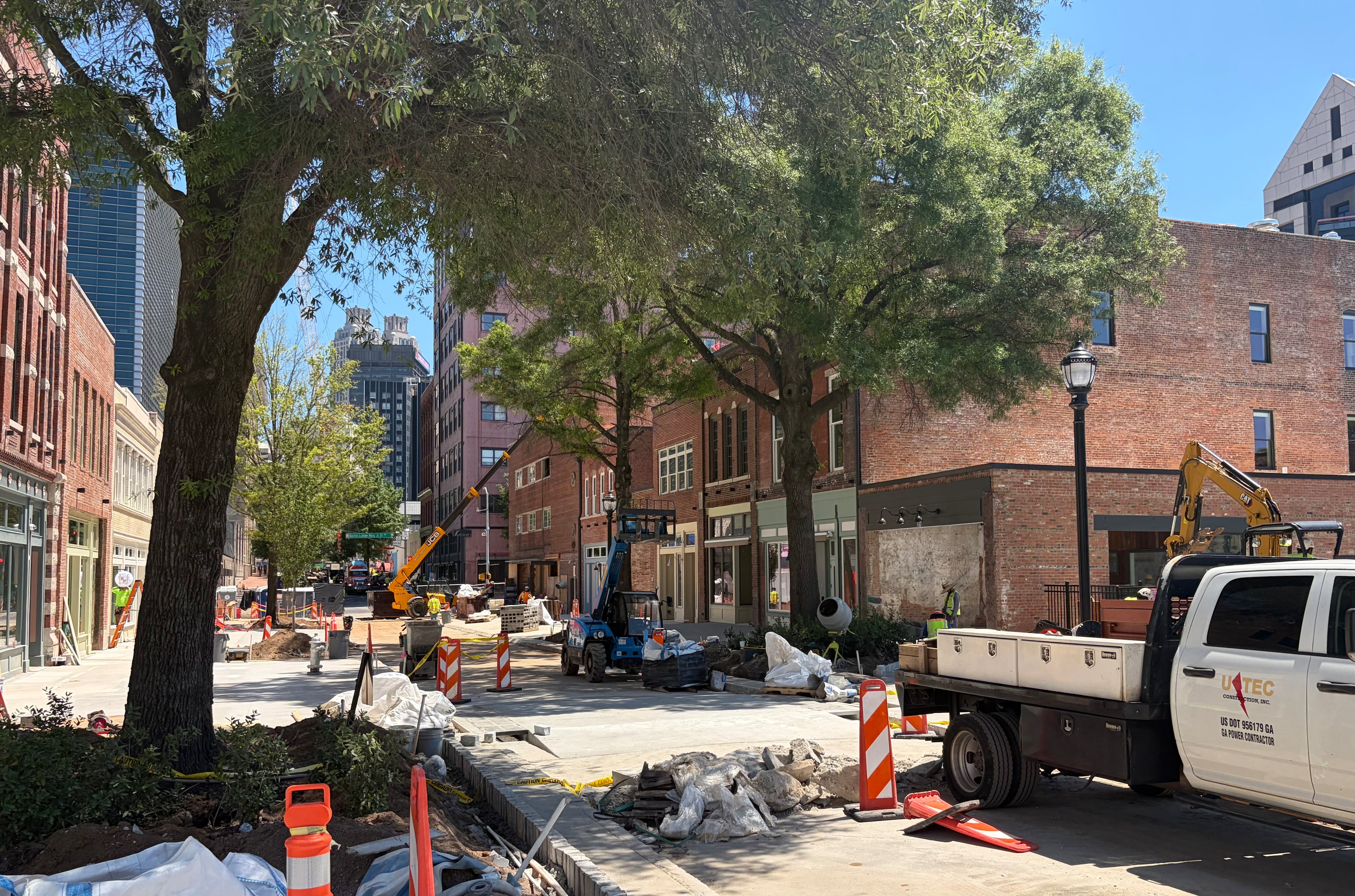
On the adjoining Mitchell Street, where a row of hotels once housed railroad travelers, and now in the shadow of Mercedes-Benz Stadium, people buzzed about at the new restaurants, coffee shops and a book store.
It is a new day.
I ran into Jon Birdsong, one of the owners of all those buildings. “If you told me two and a half years ago that two non-real estate knuckleheads (David Cummings is the other) could get this caliber of tenants to believe in downtown Atlanta, I’d be shocked,” he said.
Jackson, who has witnessed this resurrection from his third-floor perch (where socks and underwear were once sold), said work has rolled along 12 hours a day, seven days a week.
“There’s guests coming, so you have to clean up the house and shove everything in the laundry room,” he said. “I’m happy things are finally happening. I’m sad it took 26 years. But this is the first time I’m positive about downtown.”
Now, don’t mistake me as rosy-eyed. Downtown can still be a forbidding place with homelessness, empty streets and unmet potential.
But the long-moribund Underground Atlanta is slowly becoming a nightspot. The emptied CNN Center is opening a ground-floor food hall. And the folks at CIM, owners of the old Gulch, now called Centennial Yards, are spending like a zillion dollars — backed by a generous tax giveaway — to build hotels and other attractions.

Optimism abounds in Atlanta, as it always does. The city exists because someone long ago laid some railroad tracks through a forest and thought, “Hey, I can make a buck here.”
The city has long been a transportation nexus that likes to house, entertain and feed guests. Those attending eight soccer matches to be held in Atlanta over the next few weeks are just the latest to traipse though our town.
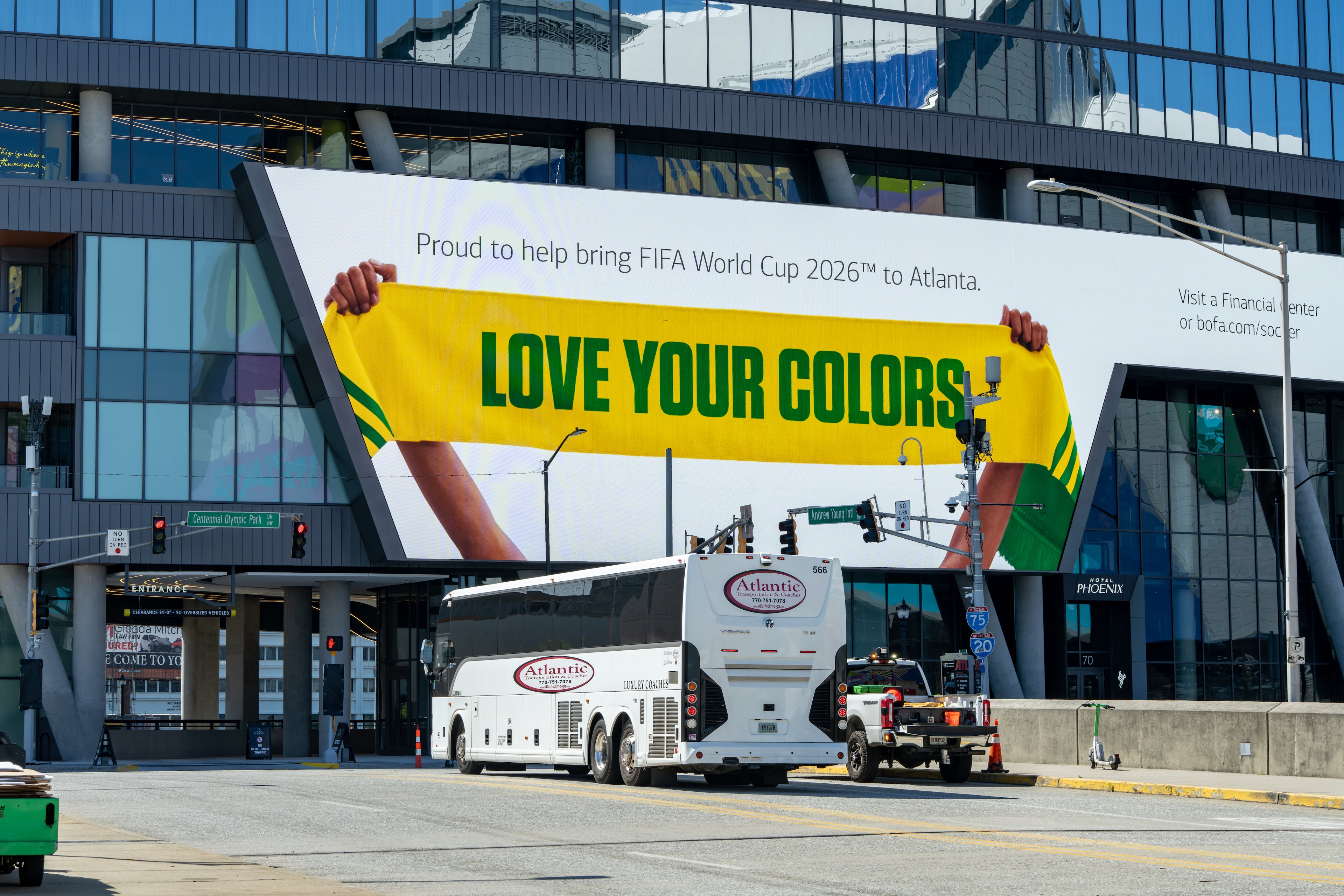
FIFA, the governing body sending us all these fit foreign gentlemen in short pants, has announced that its Fútbol Extravaganza will pour $30 billion of economic largess into the three North American host countries — Canada, Mexico and the USA.
The 11 U.S. cities hosting games are supposed to see $17 billion, FIFA contends.
But before you start counting your money, a little reality check here.
The American Hotel and Lodging Association surveyed hoteliers in American World Cup cities and found that 80% of respondents said bookings hadn’t lived up to initial forecasts.
In Atlanta, that was 50% because, well, because we’re a glass half-full city. (And, I’m told, the convention and tourism people here are more realistic about such promises of full hotel rooms.)
Paul Breslin, a veteran hospitality consultant, said the local industry “still remains optimistic but (the outlook) is much more conservative than a year ago, or six months ago.”
He added, “You were hearing this would be like having eight Super Bowls. That was hyperbole.”
And Atlanta does love hyperbole.
Michael McNamara, with the data firm G5, figures that attendees to the 78 matches held in 11 cities will spend about $2.4 billion for the day of the game. In Atlanta, that will be about $233 million. That figure is for hotels, eating, drinking and buying stuff during the 24 hours around game times.
That figure does not include the exorbitant price of tickets (many of which cost thousands of dollars), the travel to get here or longer stays.
The tickets are so expensive that the Georgia World Congress Center Authority, the state agency that owns Mercedes-Benz Stadium, did a double take at the prices of suites and tickets.
Then officials with that agency, along with the Atlanta Convention and Visitors Bureau, a taxpayer-funded nonprofit, dug deep to buy a suite, along with hundreds more tickets. All told, it was $1.2 million.
Those two agencies are among the city’s top schmoozing agencies, and they will use those tickets to try and win over fat cats from other cities in the hopes of bringing future conventions to our fine town.
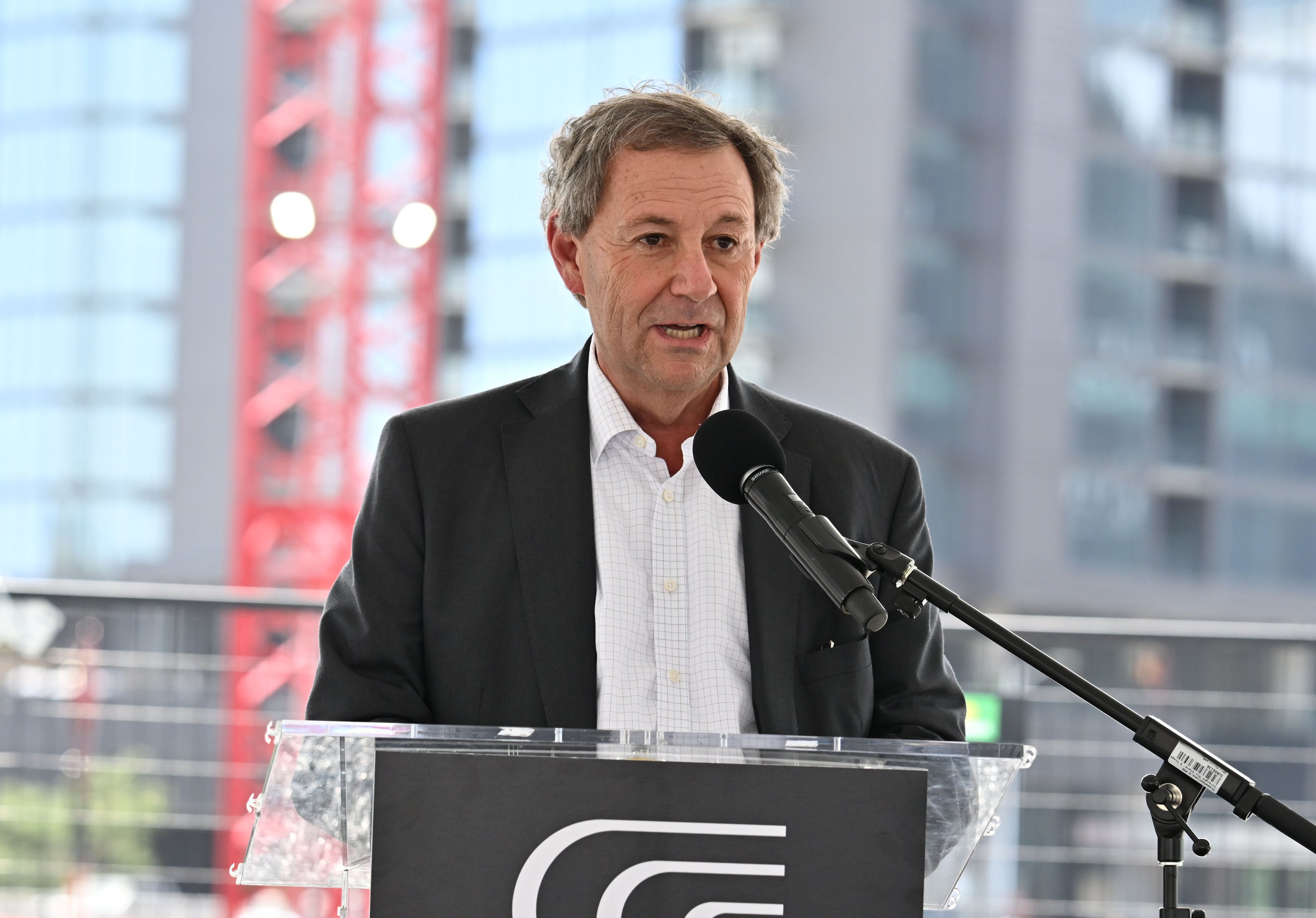
William Pate, who heads the visitors bureau, figures the World Cup will bring in $500 million to the area. But he acknowledged the hotel booking pace has been “much slower than expected.”
Part of the reason is FIFA didn’t distribute tickets until March, meaning visitors couldn’t book far in advance. Also, the teams playing in the last three games are still not set, so more rooms will be booked.
The hospitality business is very ebb and flow. So far, about 230,000 hotel rooms have been booked between June 14 and July 15 in Buckhead, Midtown and downtown compared to 320,000 at the same time last year, Pate said.
Why was this time last year so good? Well, there was the MLB All-Star Game, a different mix of conventions — and Beyoncé was at Mercedes-Benz for four nights.