CDC funding hepatitis vaccine study in African nation evokes Tuskegee study
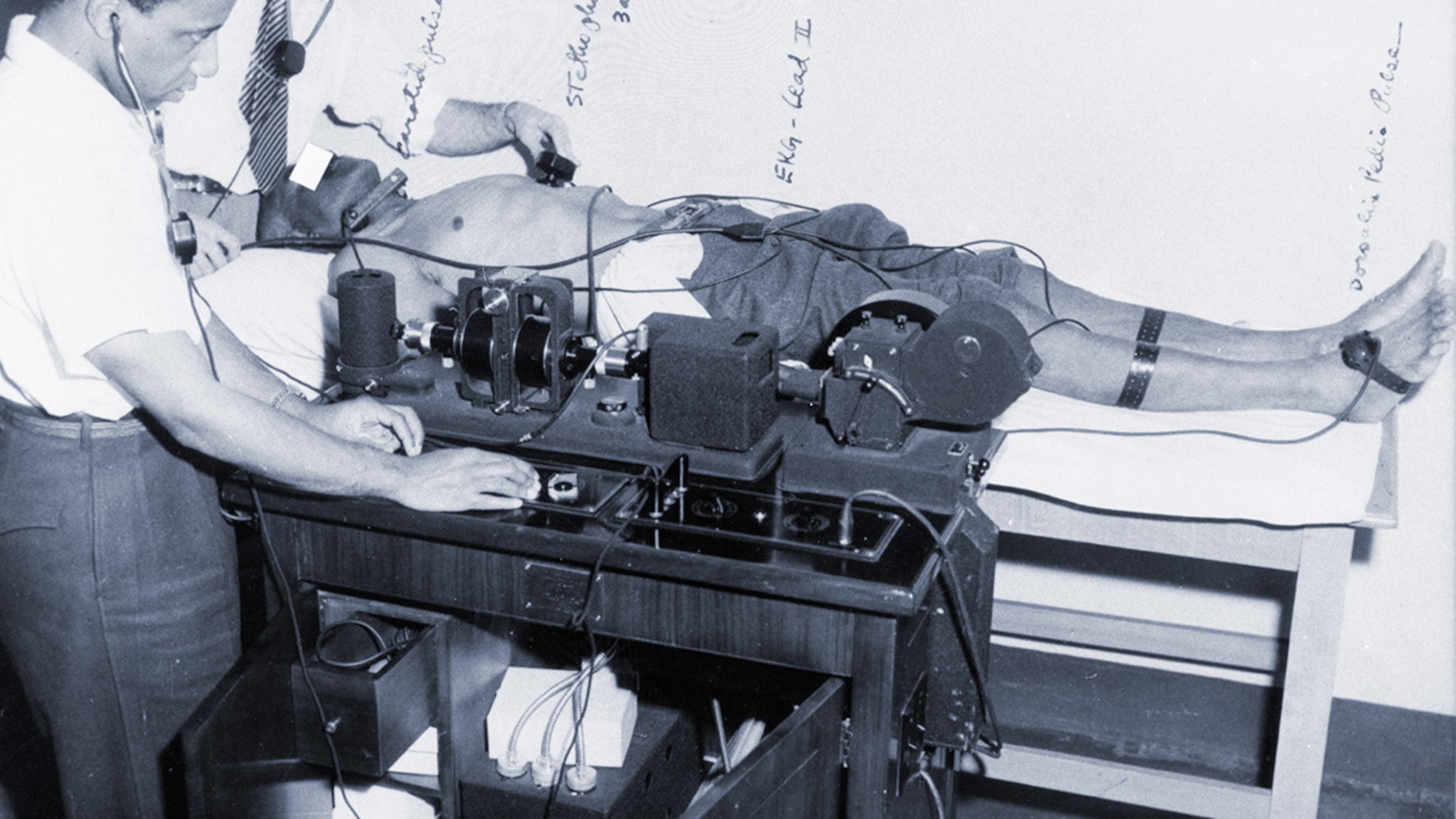
Nearly 54 years ago, a shocking article appeared in morning newspapers all over America.
The headline read, “Black men untreated in Tuskegee Syphilis Study” (July 25, 1972). Associated Press reporter Jean Heller blew the whistle on one of the most ethically abhorrent experiments ever conducted by the U.S. Public Health Service.
Two hundred Black men from Alabama known to have syphilis were, she reported, knowingly allowed to go without a proven cure for the disease, penicillin, in order for medical researchers to establish what damage syphilis did to the human body.
Even worse, the men, who were very poor and lacking in education, were deliberately lied to when they asked if they were being treated by the doctors conducting the study.
The history of the Tuskegee study, which led to major reforms in how human experimentation is conducted in the U.S., is nicely summarized on the Atlanta-based Centers for Disease Control and Prevention’s website.
This fraught history makes the CDC’s sponsorship of a nonindependently peer-reviewed, $1.5 million study using a placebo to assess the side effects of hepatitis B vaccination of newborns in Guinea-Bissau, a low-income West African country with a high rate of hep B among children, extremely problematic.
Here’s why the hepatitis B vaccines for newborns matters
According to the Cleveland Clinic, hepatitis B is a viral infection that causes inflammation of the liver.

Some people get an incurable long-term form of the disease that can lead to liver failure and death.
Newborns and infants can catch it through contact with blood or bodily fluids from someone who has it, mainly through mother-to-baby transmission. The best way to prevent that, as gold standard studies have repeatedly shown, is vaccination given within a day after birth.
Robert F. Kennedy Jr., the current head of the Department of Health and Human Services, which governs the CDC, has sown doubt about the safety of multiple childhood vaccines, including the hep B shot required for newborns in the U.S.
In taking this rash position, he is relying on the claims of a tiny group of controversial scientists at the University of Southern Denmark.
They insist that vaccines, including hep B, have problematic side-effects, and the CDC is now funding them to administer this new study.
Kennedy knows what answer he wants about hep B vaccine safety for newborns and has found scientists who are very likely to tell him what he wants to hear.
It is unlikely this study would clear scientific or ethical review in the United States. Instead, it is being conducted in the West African nation of Guinea-Bissau, one of the poorest countries on Earth, with very low education levels, ongoing political turmoil and a very high rate of hepatitis B.

U.S. must learn from its past to avoid harming vulnerable people
The epidemic of hepatitis B is so bad in Guinea-Bissau that the country desperately wants to institute universal vaccination for all newborns but currently recommends the dose at 6 weeks of age because of cost. It plans to recommend hepatitis B vaccines to all newborns in 2027.
The CDC, incredibly, instead of helping Guinea-Bissau buy vaccines, is instead spending your money to fund an unnecessary study where half the babies recruited deliberately won’t get vaccinated, putting them at risk.
RFK Jr.’s CDC’s own website shows it knows full well the ethical lessons of the Tuskegee study it once sponsored: Don’t withhold known, effective medical interventions in studies and don’t exploit poor, illiterate people desperate to improve their and their children’s health.
The study violates both principles. It is funding an arguably biased set of scientists to do an unnecessary study in a poor country plagued by a potentially fatal disease where the question driving the study, “Is the vaccine safe?” has been asked and answered many times by highly qualified scientists from around the world. All American medical and public health organizations urge routine hep B vaccination for newborns.
The Tuskegee study involved dubious science that, fueled by racism and disregard for the poor, unethically exploited people who trusted researchers to protect their health. The Guinea-Bissau hepatitis B vaccine trial shows that the CDC has forgotten the crucial lessons it once knew about the ethics of funding gratuitous research on poor, vulnerable people. The study should stop. HHS ought to do its best to use our taxpayer money to get safe hepatitis B vaccines to Guinea-Bissau.
Arthur Caplan is a retired professor of medical ethics living in Ridgefield, Connecticut.

