Technology, education can save lives
Bill Graves is president and CEO of the American Trucking Associations.
Technology is increasingly becoming part of our lives. We’ve gone from computers to smartphones to smart watches — each step forward improves the quality of life for Americans.
This is important in a discussion about highway safety for a few reasons, not the least of which is so I can remind you to put your technology down while driving. Second, like they do for all goods, trucks help deliver 100 percent of your phones and watches and computers. And finally, technology is making trucks safer all the time.
That’s why my organization, the American Trucking Associations, is a vocal proponent of exploring and utilizing new technologies to improve safety. The trucking industry spends more than $7 billion annually on safety, and much of that goes toward proven safety and compliance technologies like speed limiters and electronic logging devices, as well as more advanced systems like critical event recorders, lane departure warning systems and forward collision avoidance systems.
Now, ATA is pushing for devices like speed limiters and electronic logging devices in all large trucks. ATA is doing so because we know, based on data and experience, these devices will improve safety.
We also believe that more advanced technology will also improve safety. Fleets tell us that they’ve seen their accident rates plummet when they install various technologies.
For example, one ATA member recently reported to us that after his fleet began adopting video event recorders, he saw a 64 percent reduction in both the frequency and severity of crashes and near-crashes. Simply put, the technology made his drivers better.
And that’s just one type of technology. We hear similar anecdotes from other fleets about a myriad of other systems. However, anecdotes alone shouldn’t be the basis for sweeping mandates.
That’s why ATA encourages its members to adopt technologies that make sense for them, and why we’re encouraging policymakers to offer either regulatory or financial incentives for fleets that do voluntarily install potentially beneficial technologies, so we can accumulate enough data to know whether a mandate would make sense.
We believe these technologies hold tremendous promise, but need data confirming their benefits before requiring them on all trucks.
Keep in mind though that technology can make trucks and drivers safer, but it cannot replace a good, safe, professional driver — at least not yet.
That’s why ATA supports improving driver training standards for commercial drivers and why we spend a lot of time educating the public about how to share the road with large trucks. ATA’s America’s Road Team and Share the Road professional drivers spend countless hours talking to schools and other organizations about the importance of driving safely.
They remind drivers about basic highway safety items like buckling up, obeying the speed limit and limiting distractions, but they also talk about things that are specific to trucks.
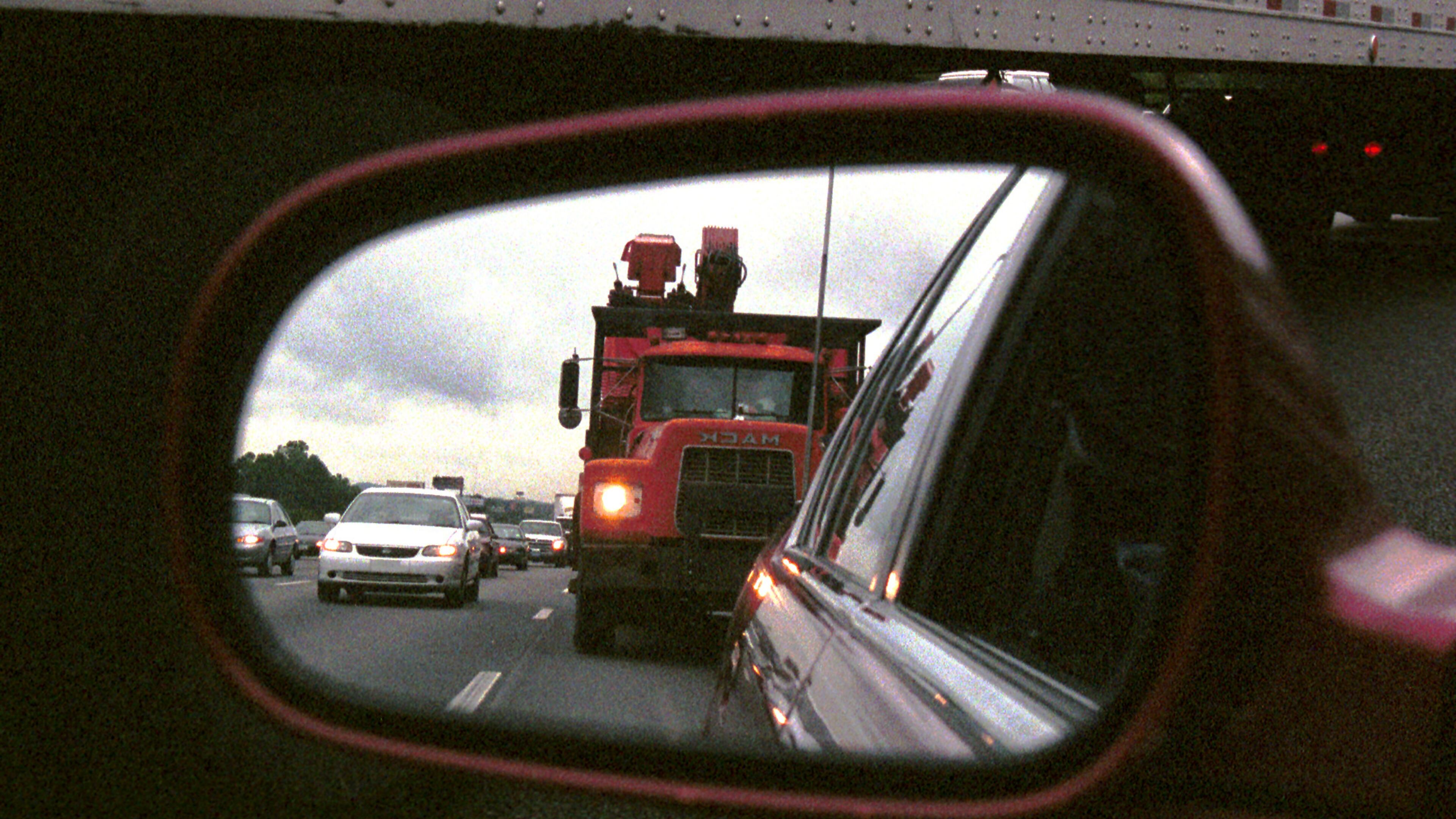
Trucks can take a long time to stop – almost the length of a football field at highway speeds – so it is critical that passing cars don’t cut in front of trucks too quickly. Trucks also have large blind spots, especially on the passenger side. Remember, if you can’t see a truck driver’s face in the mirror, they cannot see you.
There is no silver bullet for highway safety, but responsible driving, good training, and technology can all be used to make sure that our industry’s drivers and the general public all reach our destinations safely.


