
Diagnosis prompted lawyer to rethink her career. Now she’s a nonprofit CEO.

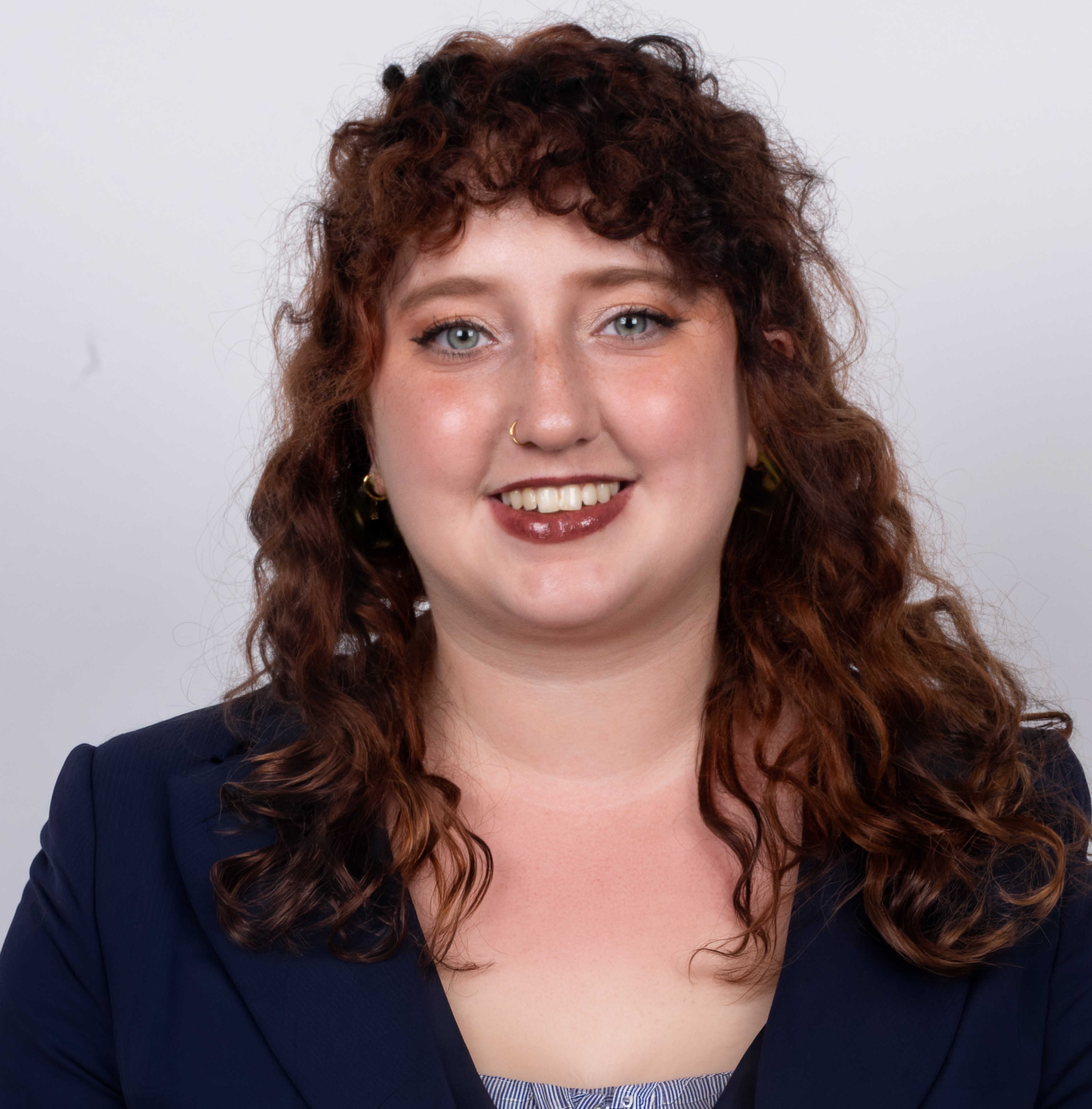
Cati Diamond Stone never expected to lead a nonprofit.
But after a breast cancer diagnosis forced her to rethink her future, she found a new purpose at CHRIS 180, where she oversees mental health, foster care and homelessness services in Georgia.
After growing up in Alabama and studying in southern Mississippi with a dance scholarship, she went to law school and spent years doing litigation work at boutique firms before going in-house as assistant general counsel for a Fortune 500 company.
Then, at 35, she was diagnosed with later-stage breast cancer.
“It challenged me to rethink my career and how I could use the skills I had developed as an attorney, but to give back to the world in a different way,” Stone said.

That rethinking led her to the nonprofit world, first for nearly 12 years with Susan G. Komen, including seven as CEO of the Atlanta affiliate and later as vice president of community health for the national breast cancer organization, where she built a team focused on breast cancer disparities among Black women in metro Atlanta.
Eighteen months ago, she became CEO of CHRIS 180, a 45-year-old Atlanta organization serving children and families through mental health support, foster care and adoption and housing for youth facing homelessness. The organization — whose name stands for Creativity, Honor, Respect, Integrity and Safety — served nearly 20,000 people last year, more than 80% of them 24 or younger.
As CHRIS 180 prepares to celebrate its 45th anniversary in June, Stone sat down to talk about what it means to lead with trauma-informed care and why mental health is preventive medicine.
Edited for length and clarity.
Q: For readers who might not be familiar, what does CHRIS 180 do?
A: CHRIS 180 serves the community in three ways: mental health support, foster care and adoption and support for youth facing homelessness.
Q: What has been your biggest priority in shaping the organization’s direction since you arrived?
A: The biggest priority has been ensuring that the organization is set up for sustainability so that we can be here for another 45 years, while also really focusing on the depth and quality of the service that we’re providing.

Q: What would you say are the most pressing mental health challenges facing children and families in Georgia?
A: Georgia routinely ranks in the bottom of mental health support for its community members. And that’s a big challenge, because what we know is mental health is part of overall health. And people don’t always tend to see them as connected, but they certainly are. …
A lot of this work tends to be left for nonprofits to do, and we are more than happy to continue in that space. But we need more overall support so that we can take care of every person who needs it.
Q: Would you say mental health support has become more destigmatized?
A: It absolutely has. When you have conversations with younger generations, they are more than happy to talk about how they’re currently feeling, trauma they may have experienced and how it’s impacted their lives. And I think that is a beautiful thing. But we also continue to see stigmatization in certain communities. …
People of color tend to have fewer conversations about mental health. Women tend to prioritize the mental health of their families above their own … and that produces an additional burden on women, who may be less likely to talk about their own needs.
Q: How does CHRIS 180 keep hope at the center of work that can be emotionally heavy?
A: It’s the way that CHRIS 180 approaches mental health support from an area of trauma-informed care. If someone presents themselves, instead of saying, ‘What’s wrong with you,’ we say, ‘What happened to you? What trauma have you experienced in your lifetime that brought you to this place?’
… And then working closely with that person to identify all the steps necessary to get them to a place where they can be the happiest and healthiest they can be.
Q: What do you wish more people understood about the importance of early mental health intervention?
A: Mental healthcare is preventive work. We are certainly here to provide support for someone in a time of crisis.
We have a very large school-based mental health program where we have therapists embedded in 86 schools across the metro area: elementary, middle and high school. They’re certainly there to help support kids in crisis, but also to provide preventive tools. To destigmatize the discussion about mental healthcare, but then also provide them with actionable things that they can do to regulate their own anxiety.
Q: Your own cancer diagnosis led you to this work. How has that experience shaped how you lead?
A: Having gone through a life-changing experience like that allows you to make decisions in a different way, and to be bolder in that decision-making. A friend told me pretty soon after I was diagnosed, while I was in treatment, that you have to be bold in the care of yourself. And that changed so much for me.
But what I really want to talk to people about, and do all the time, is not waiting for some life-altering thing to happen before you make those decisions. Even one small thing that you do to help support your own mental health and well-being can impact your life.
Q: What is your favorite way to rest and relax at the end of the day?
A: Reading, before I go to bed. I was an English major, I’m a huge Shakespeare nerd. Sometimes it’s fiction, sometimes nonfiction, a lot of times it’s modern interpretations of Shakespeare plays. It just is a really great way to escape into a completely different world.
AJC Her+Story is a series in The Atlanta Journal-Constitution highlighting women founders, creators, executives and professionals. It is about building a community. Know someone the AJC should feature in AJC Her+Story? Email us at herstory@ajc.com with your suggestions. Check out more of our AJC Her+Story coverage at ajc.com/herstory.