
She went from teacher to Atlanta nonprofit leader mentoring young women
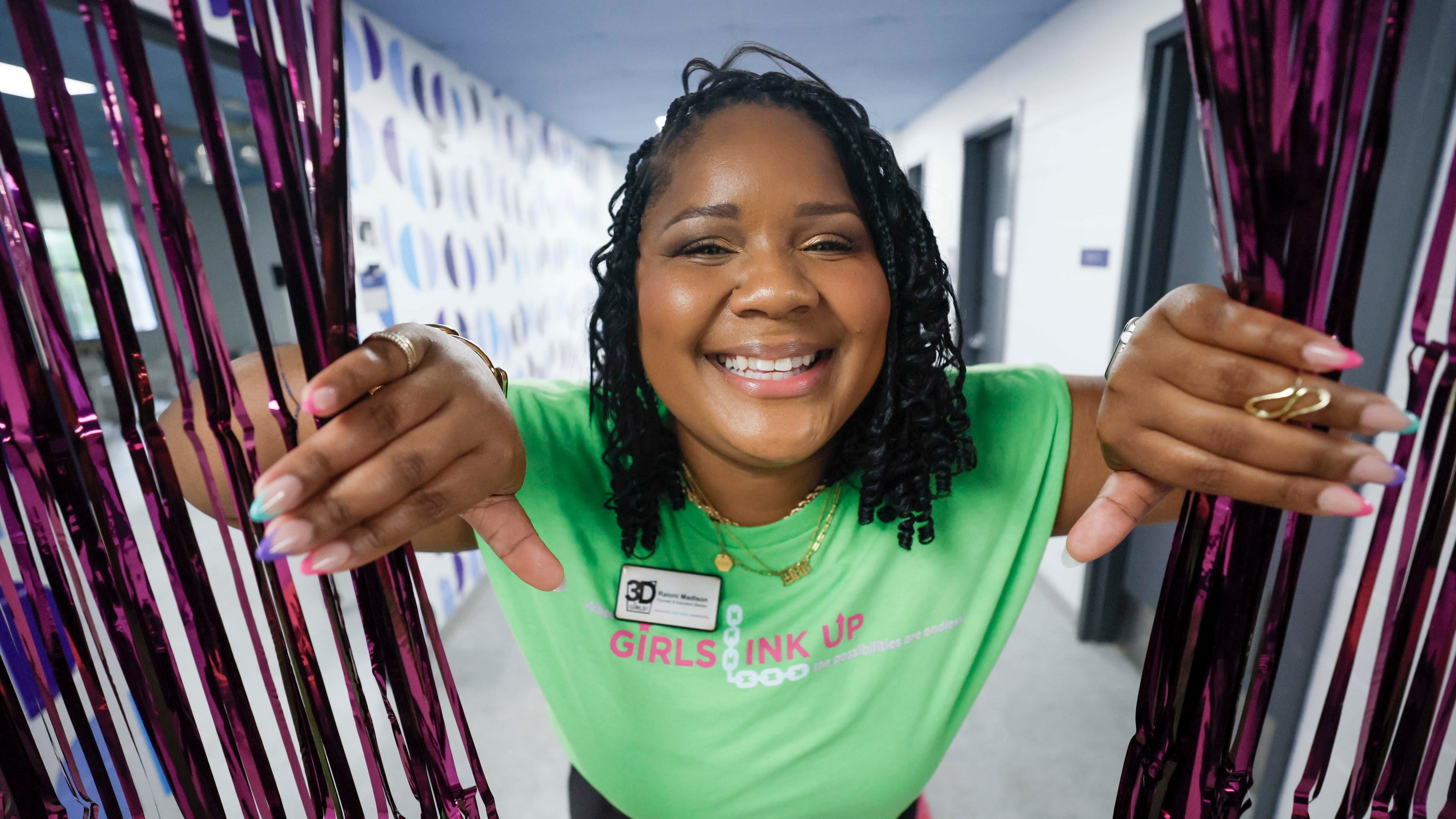
When Raioni Madison had a daughter at 18, she said she was surrounded by supportive mentors, empowering her to continue her education and her journey forward.
“I learned very early that doing things alone was a recipe for disaster. I worked multiple jobs while going to college and I wouldn’t have been able to do that without a community supporting my daughter and I,” Madison said.
The guidance she received led Madison to Clayton State University and back to the classroom where she started her career as a middle school science teacher.
“I got into the classroom, and I realized so many students are not able to learn because of the social and emotional things that they deal with and the inequities that are in education,” Madison said. “I felt my heart tugging. I needed to do more.”
Madison started 3D Girls Inc. 14 years ago, only days after graduating college. What started as mentoring a few students after school while she worked as a teacher has now grown into a mission that served more than 2,200 individuals between 2022 and 2025 through summer camps and school-based programming. 3D Girls’ mission is to equip young women with coping and resilience skills and expose them to college and career paths, as well as connect them with mentors.
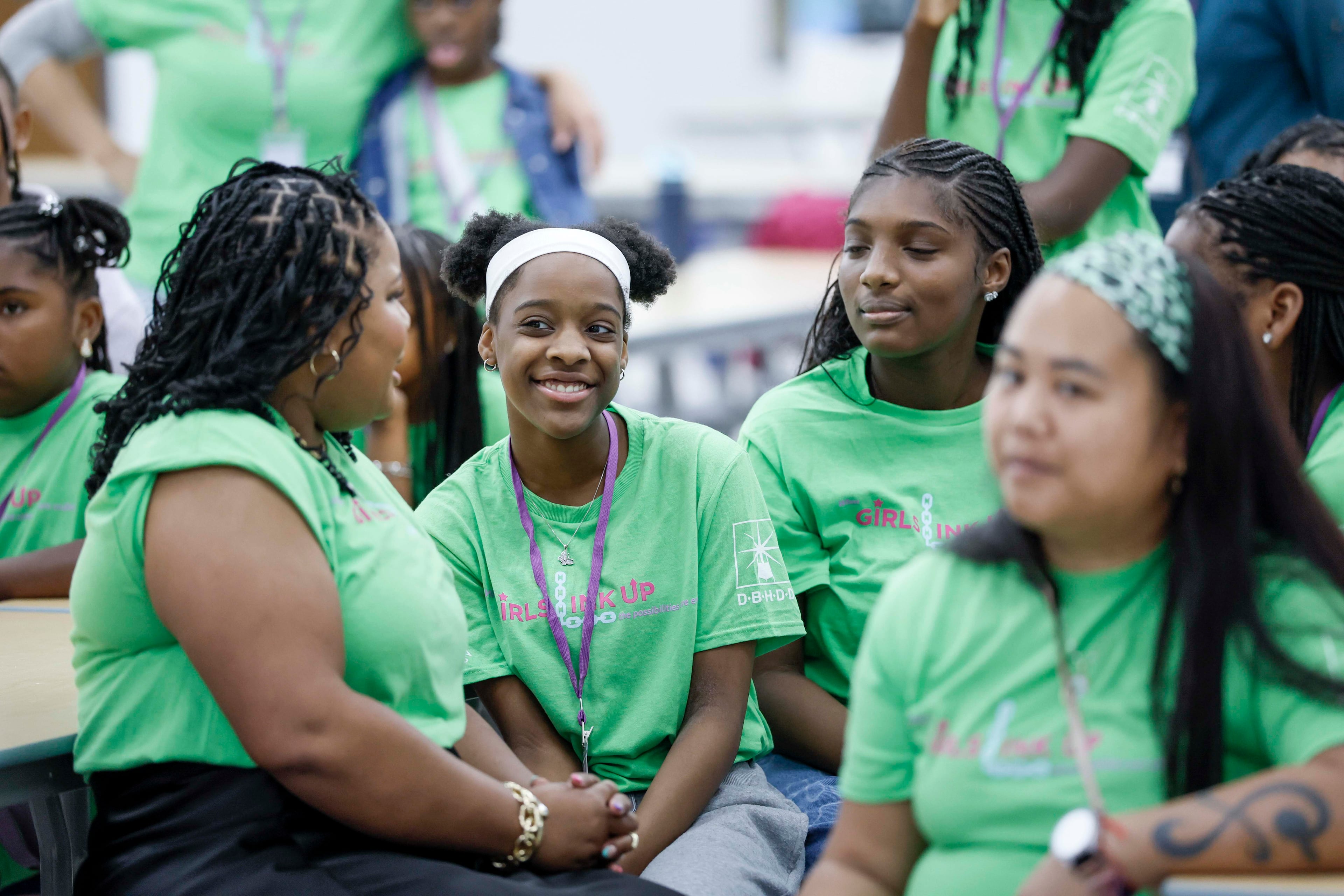
After leaving the charter school she worked for in 2019, she took a leap of faith and began working full time leading 3D Girls. Madison’s goal was to create spaces where young girls could be mentored and learn life skills.
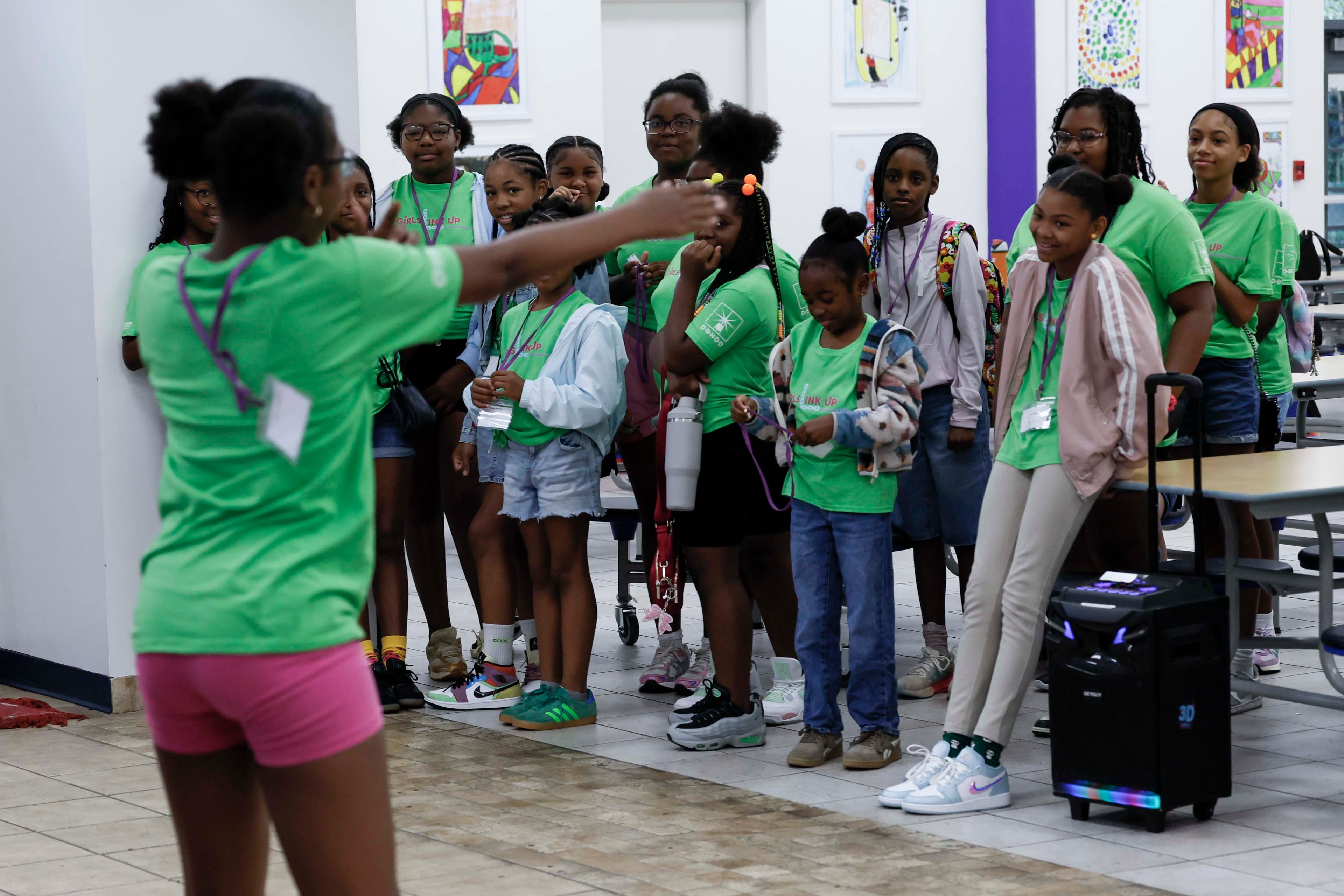
Summer camps offered up opportunities to learn about careers, such as working at Georgia Power, Turner Broadcasting or the Georgia Bureau of Investigation. 3D Girls also helped prepare them for adapting to be women working in the science, technology, engineering or mathematics (STEM) field. This year’s Girls Link Up camp ran June 1-26.
3D Girls’ summer camps offer other classes as well, such as an African dance class and a self-advocacy class.
“(That class) helps them to advocate for themselves because a lot of girls, if they’re pursuing an area in STEM, they’re likely to be the only girl or the only girl of color,” she said. “What’s very important to us is that no matter what space they’re in, they’re comfortable doing those things.”
Madison, 37, teaches her mentees that they don’t have to be engineers to work in STEM, they could work with a team or work in project management. Beyond mentorship and career preparation, Madison developed a two-generational approach serving both the girls and their families.
“We’re supporting basic needs like groceries and bills. What I’m doing with them is good, but if their family is not supported, there’s a greater chance they won’t be able to come back to a mentoring session because they have needs within the household that need to be fulfilled,” Madison said.
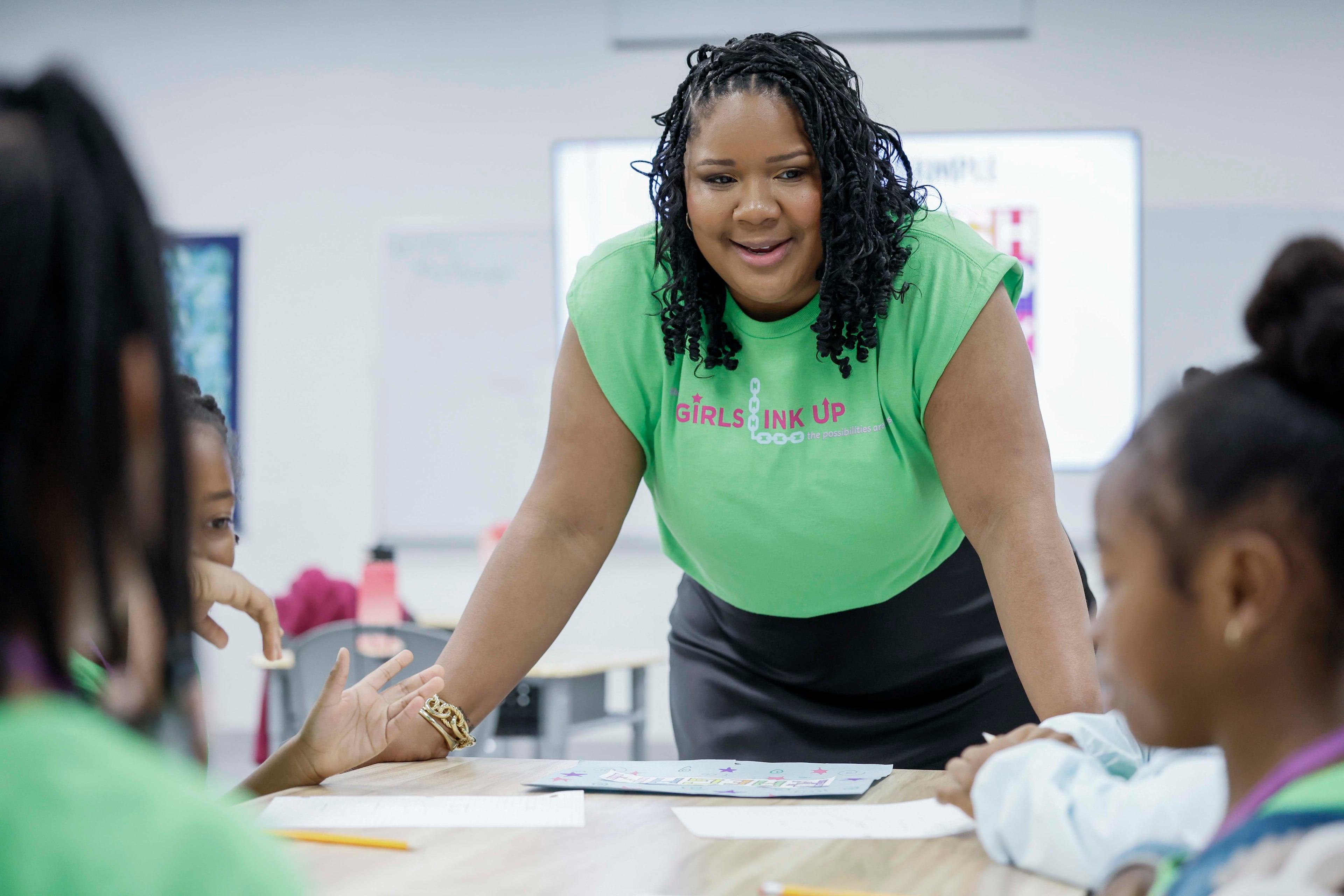
3D Girls is based in Atlanta, with a space for summer camps that can host up to 100 girls. For her after school programs, 3D Girls partners with Clayton County Public Schools, the Kindezi Schools, Atlanta Public Schools and city of Atlanta Parks and Recreation.
Madison has developed a campaign recently called 1000 Strong for 3D Girls, calling for 1,000 individuals to donate $100 to their summer camps and bridge a gap in funding. They are about 30% of the way to their goal.
The nonprofit started this campaign after a $150,000 loss in funding for their summer camps. According to Madison, some of the lack of funding they are struggling with is because of reduced efforts across the United States surrounding diversity, equity and inclusion (DEI) initiatives.
“When funding is reduced or redirected at the federal level, it often results in decreased investments in local intermediaries, school-based initiatives, and workforce support programs, making it harder for nonprofit organizations like ours to sustain staffing, build momentum, and maintain consistent service delivery for communities that rely on us.” Madison said.
This has also caused some discouragement among the girls in the program.
“We also know that these girls have access to social media,” she said. “They see how their hopes and dreams are being shattered. But the reality is that they still exist, they still have goals and still have dreams.”
Madison has also worked to uplift the entrepreneurs of the future, hosting a 3D Girls pitch competition for the girls in her organization. There, she teaches marketing, branding, cost analysis and budgeting. Competitors can win monetary prizes to go toward developing their businesses.
“Last year, we had a juice company,” Madison said. “We’ve had a bracelet business, a fashion designer, an artist. They learn how to be creative and use their ideas to bring them to life.”
For individuals looking to follow a similar path and start their own nonprofit, she advised that they look at what services need to be filled.
“A lot of support comes from innovation. You can see who’s already doing something and do it differently. Or you can create a new solution to an old problem,” she said.
“It could be a geography issue, like if programming is unavailable in rural areas. Do your research, see what’s out there, and see where the impact can be felt the most.”
AJC Her+Story is a series in The Atlanta Journal-Constitution highlighting women founders, creators, executives and professionals. It is about building a community. Know someone the AJC should feature in AJC Her+Story? Email us at herstory@ajc.com with your suggestions. Check out more of our AJC Her+Story coverage at ajc.com/herstory.