Deadly incident clouds Six Flags’ goal to improve performance

About two years ago, Six Flags Entertainment Corp. set out to boost visitors to its parks and increase revenue after merging with a competitor.
The theme park operator said it would invest more than $1 billion over the following two years on improvements to its attractions, dining options and technology, along with maintenance and repairs to make rides more reliable. It reintroduced so-called “park presidents” at certain locations to respond faster to local guests’ needs. It sold seven underperforming parks and closed one, focusing its resources on parks with the highest returns.
In its most recent quarterly earnings report in August, Six Flags said its financial results reflected progress it was making toward strengthening its business. The company reported net revenues of $865 million in the second quarter, a year-over-year decrease of about $65 million. It still reported losses, totaling about $203 million attributable to Six Flags, compared with a nearly $100 million loss in the second quarter of last year, but season pass and membership sales increased.
President and CEO John Reilly said in a June press release the increases reinforced the company’s conviction that it is “taking the right steps to build a stronger, more predictable business as we enter the most important part of our operating season.”
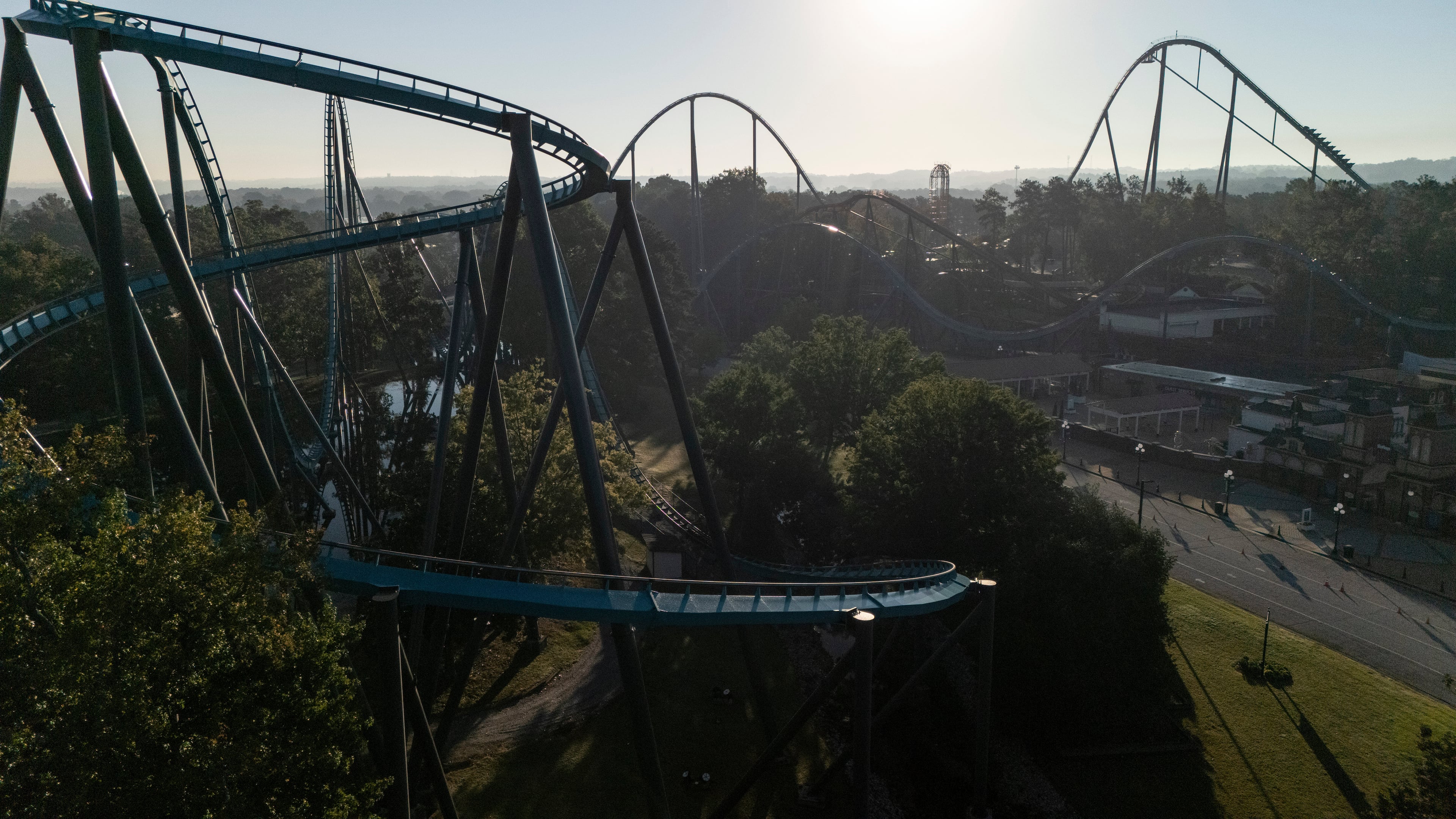
The Monday death of 42-year-old Georgia teacher Hassan Kariem, who was ejected from the park’s Goliath roller coaster, presents a challenge for Six Flags as it implements its turnaround strategy.
Six Flags, which temporarily shut down the Goliath and nine similar roller coasters across its parks following the accident, did not respond to a request for comment. It is unclear what caused Kariem to fall from the ride, whether it was a maintenance issue, design flaw or other error, and it remains under investigation.
It’s difficult to determine the impact Kariem’s death will have on Six Flags’ reputation and cash flow until further details are released about what caused it. But the extent of the damage is a function of how Six Flags responds to the tragedy, said Ken Bernhardt, a marketing consultant and the Regents professor of marketing emeritus at Georgia State University. If it’s handled well, the impact will be short-term, he said.
“Their major concern at the moment (is ensuring) that their parks are safe, and acknowledging the tragedy, and that safety remains their number one concern for the guests,” Bernhardt said. “Communication is really critical right now.”
The markets reacted immediately. Shares tumbled Tuesday, closing at their lowest level since 2009, and sank even further on Wednesday.
The foundation of the amusement park business is built on trust. Though there are no federally mandated safety standards amusement parks must meet and no federal requirement to report safety incidents, park operators implement rigid standards to ensure their attractions are safe. It’s difficult to lure customers to a plot of land filled with heavy steel, sharp edges and loud noises otherwise.
Six Flags has a great safety record, said Scott Smith, an associate professor at the University of South Carolina who consults for the theme park and resort industries. He does not consult for Six Flags. Millions of visitors trickle into their dozens of parks per quarter, and relatively few serious injuries are reported.
There were an estimated 1,495 reportable injuries across North American fixed-site amusement rides in 2024, of which 118 were serious injuries, according to a ride safety report commissioned by the International Association of Amusement Parks and Attractions. The report included responses from 227 facilities, which tracked about 265 million reported attendees in 2024.
Still, a death such as this one can erode trust and damage Six Flags’ brand, especially given the uncertainty around what happened. Past serious or fatal incidents within the last two decades at Six Flags Over Georgia were attributed to victims entering restricted areas or medical emergencies.
“In this case, you don’t know who to blame because they don’t know,” Bernhardt said.
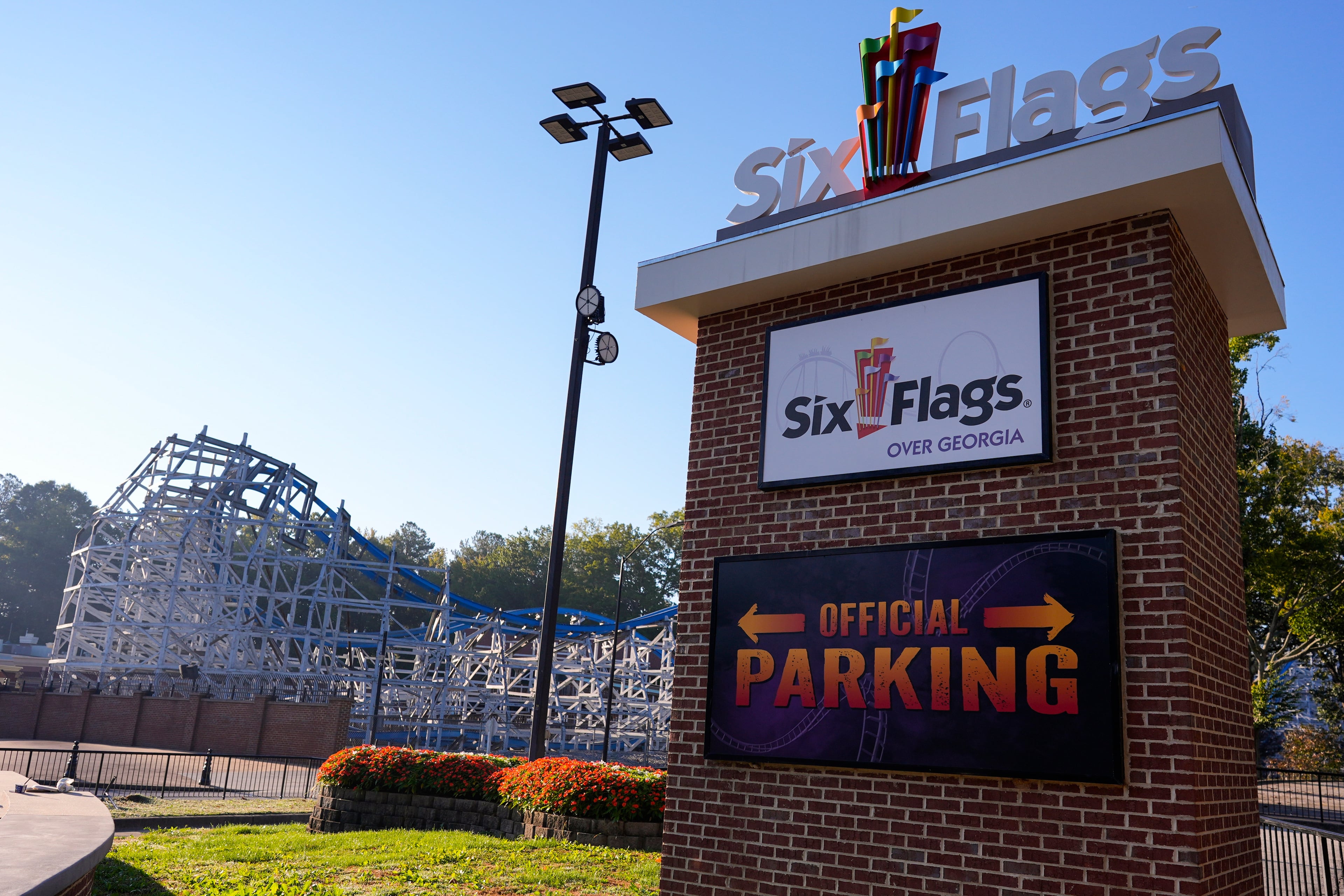
‘Will not compromise on safety’
This is the first fatal incident reported at Six Flags Over Georgia since Six Flags merged with Ohio-based attractions company Cedar Fair in 2024, a deal the two companies said would allow them to enhance their offerings and better perform in the highly competitive amusement park industry.
Taking the Six Flags name, the combined company has a portfolio of more than two dozen amusement parks, water parks and resort properties, and intellectual property ranging from Looney Tunes and Peanuts to DC Comics.
The company, which has nearly $5 billion in long-term debt, is still struggling to reduce its losses.
While season pass and membership sales are up, it’s still facing a decline in total attendance after the sale of some of its parks. About 1 million fewer visitors went to Six Flags parks in the second quarter of 2026 than the prior-year quarter.
Other regional theme park operators, most of which enjoy seasonal business, have been beleaguered in recent years by decreased attendance.
A few reasons factor into the decline. One is that consumers have become more discretionary with their spending after facing years of elevated inflation. Another is that in-home entertainment has become just as attractive as going out and experiencing movies, sporting events and riding roller coasters, Smith said.
“You can’t have a roller coaster at home, but boy, some of these video games, the theming and the interaction you have with them take up the slack on that,” Smith said. “Those stay-at-home options are much cheaper, or should I say, less expensive. There’s less of a time investment, and there’s less of a hassle factor.”
As a result, parks have been experimenting with ways to get people in through the doors. Some, including Six Flags, are either introducing new rides or improving existing ones. In its second-quarter earnings call, Reilly said the park has incurred higher repair and maintenance expenses at certain parks as it reduced downtime. But it “will not compromise on safety,” he added.
In September, New York-based hedge fund Jana Partners urged the company to explore a sale, citing its disappointment with Six Flags’ second-quarter earnings, according to a report from The Wall Street Journal.
Jana acquired a stake of about 9% in Six Flags, alongside Kansas City Chiefs tight end Travis Kelce and other investors, around this time last year, the Journal reported. Jana pushed the theme park operator to make improvements to its marketing and guest experiences, modernize its technology and refresh its leadership, among other changes, according to the report. Jana did not respond to a request for comment.
How should Six Flags respond?
There’s no one-size-fits-all strategy to handle the situation, Bernhardt said. Sometimes consumer confidence rebounds quickly following major incidents, especially if it is viewed as an isolated event.
What Six Flags doesn’t want to do is make excuses or provide discounts to make up for a loss in business, Bernhardt said.
“Skip that stuff. Get across the safety,” Bernhardt said. “Protect your brand, and do the right thing.”
Six Flags could emerge a bigger company, he said, like airline ValuJet after one of its planes caught fire and plunged into the Florida Everglades, killing 110 people onboard. After acquiring AirTran Airways the following year, the airline changed its name to distance itself from the lingering damage, and operated hundreds of daily flights for more than a decade. AirTran was acquired by Southwest Airlines in 2011.
Key to Six Flags’ success is making it clear that they’re doing everything possible to work with authorities and engage independent experts to ensure they find out what has caused the incident in the first place, Bernhardt said, and then make clear that they’re taking actions to ensure it never happens again. Bernhardt suggested eventually changing the name of the Goliath.
“That’s way down the road,” Bernhardt said. “That’s not their major concern at the moment.”