Georgia firm faces FTC fine for reselling tickets to Megan Moroney, Metallica
A Georgia ticket broker must pay $300,000 to the Federal Trade Commission to settle allegations that it used illegal means to purchase and resell at high profits millions of dollars’ worth of tickets to concerts by artists like Megan Moroney and Metallica, among other live events.
In a complaint filed Monday in the U.S. District Court for the Southern District of Georgia, the FTC alleged Elite Events and Tickets regularly circumvented security measures and other controls that restricted the number of tickets they could acquire. Elite would then resell tickets on StubHub, Vivid Seats and other secondary marketplaces at a significant markup, often 100% to 500% more than the original price, according to the complaint.
The company, run by CEO Kevin McKerley and Chief Operating Officer Aaron Fera, operates out of Grovetown, an Augusta suburb.
Elite, which also used the name Smart Scalpers, did not immediately respond to requests for comment, nor did Fera or an attorney for the company. Attempts to contact McKerley were not immediately successful.
As part of the settlement, the company and executives neither admitted nor denied the allegations.
According to the proposed order settling the matter, Elite owes a judgment of about $10.8 million to the FTC, according to the complaint. Because of their inability to pay the full amount, Elite is only responsible for the $300,000 payment, according to a news release. But the full amount will be due immediately if the two named officers or the company are found to have lied about their finances.
The FTC alleged Elite exceeded the ticket purchasing limits by using hundreds of accounts under fictitious names or in the names of employees, multiple virtual credit card accounts generating thousands of credit card numbers and proxy IP addresses to shield the locations and identities of the company’s ticket-purchasing employees.
The fine comes during a period of heightened scrutiny against ticket-scalping and price-gouging operations.
The U.S. Department of Justice under then-President Joe Biden and dozens of state attorneys general filed an antitrust lawsuit against Live Nation Entertainment and Ticketmaster. The DOJ under President Donald Trump and several states settled the federal portion of the case for a $280 million settlement. Attorneys general representing 33 states continued their parts of the case. In April, a federal jury found Live Nation holds an illegal monopoly in live entertainment and violated antitrust laws.
Trump separately issued an executive order in March 2025 to bring reforms to America’s live entertainment ticketing industry, writing in the order that it “has become blighted by unscrupulous middle-men who impose egregious fees on fans with no benefit to artists.”
The FTC alleges Elite violated the Better Online Ticket Sales Act, a federal law that makes it illegal to circumvent security measures put in place by a ticket issuer. Though enacted in 2016, the BOTS Act was only enforced by the FTC once prior to Trump’s 2025 executive order. The FTC brought forth two BOTS Act lawsuits last year, one alleging broker Key Investment Group circumvented purchase-limit controls and one against Live Nation and Ticketmaster for what the FTC deemed “deceptive pricing tactics.”

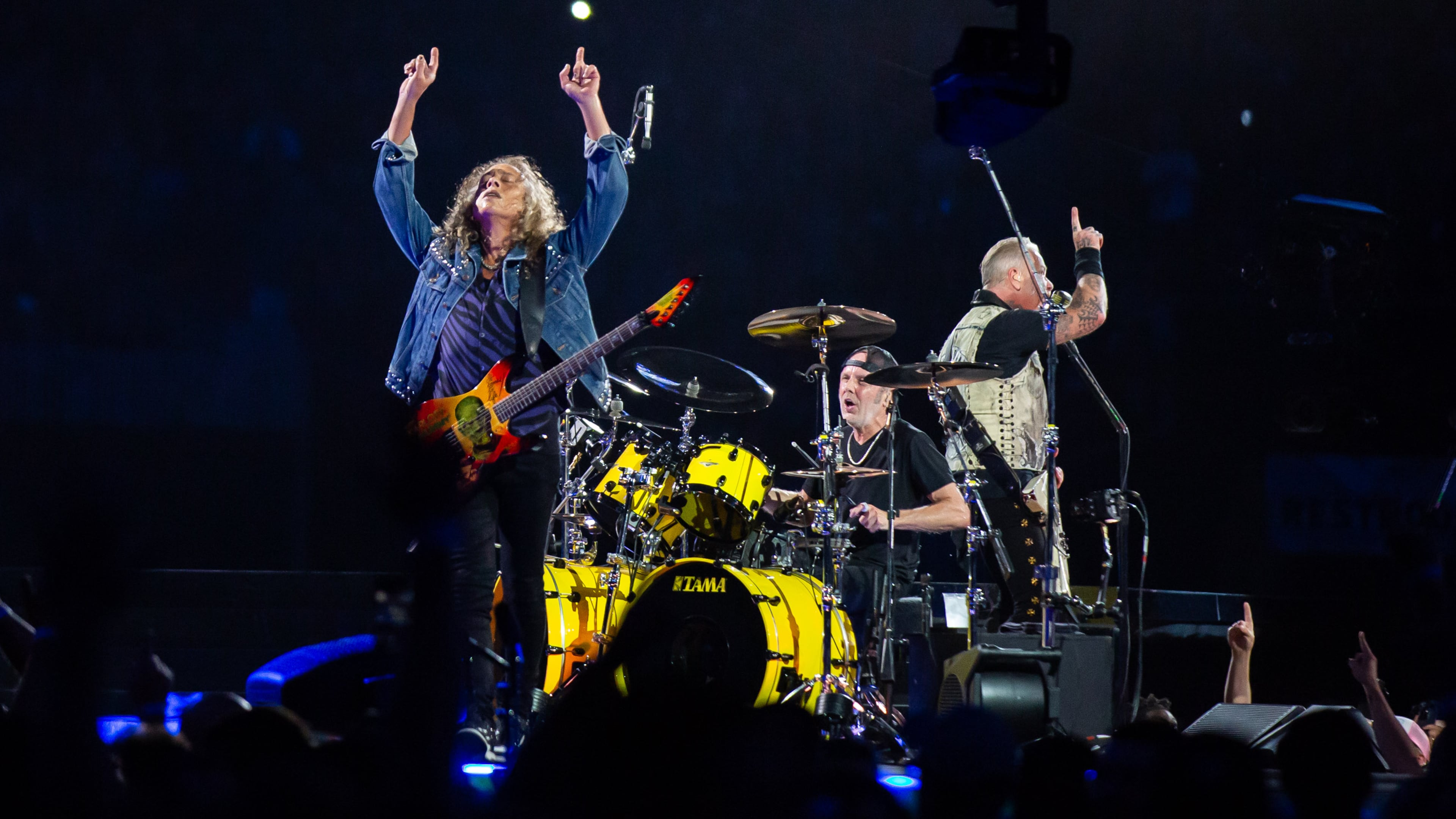
Between July 2022 and the present, Elite allegedly acquired more than 100,000 tickets to 5,700 events, including various concerts by Georgia native Moroney and pop stars Tate McRae and Benson Boone. Also outlined in the complaint was a Metallica show at Virginia Tech’s Lane Stadium on May 7, 2025. Elite would target events that were in high demand, scouring social media for trends and using analytics software to track an artists’ popularity, among other methods, according to the complaint.
For about half the events, Elite purchased more than the maximum ticket limit, according to the complaint. Elite allegedly made more than $3.5 million in profits from reselling tickets in the secondary marketplace.
Elite also allegedly recruited hundreds of ticket purchasing agents, many of them located in overseas countries such as Egypt or the Philippines. According to the FTC’s allegations, Elite would post online job advertisements claiming that one of their employees could earn between $400 to $600 in cash per week.
Fera and McKerley were also involved in the conduct, the FTC alleges, with Fera providing purchasing instructions to agents via group messaging platforms such as Discord. The two appeared in a CBS Mornings segment in April 2025 to discuss their ticket reselling operation.
Though not mentioned in the FTC complaint, Elite’s business went beyond selling tickets on secondary platforms. Since as early as 2017, Elite also operated as a travel agency, with its website offering specialized vacation planning to destinations such as Disney. Additionally, its website also advertised rental properties in Augusta.
In a statement to The Atlanta Journal-Constitution, Gary Adler, the executive director of the National Association of Ticketing Professionals, said all fans should have the right to buy tickets in a free and open market. Part of the group’s mission is to promote the highest standards of conduct among ticket brokers.
“Unlawful and unethical activity by ticket resellers undermines that basic right,” Adler said in the statement.
Correction
This story has been updated to correct the name of the National Association of Ticketing Professionals.