Here’s how much metro Atlanta gas prices could fall by Fourth of July
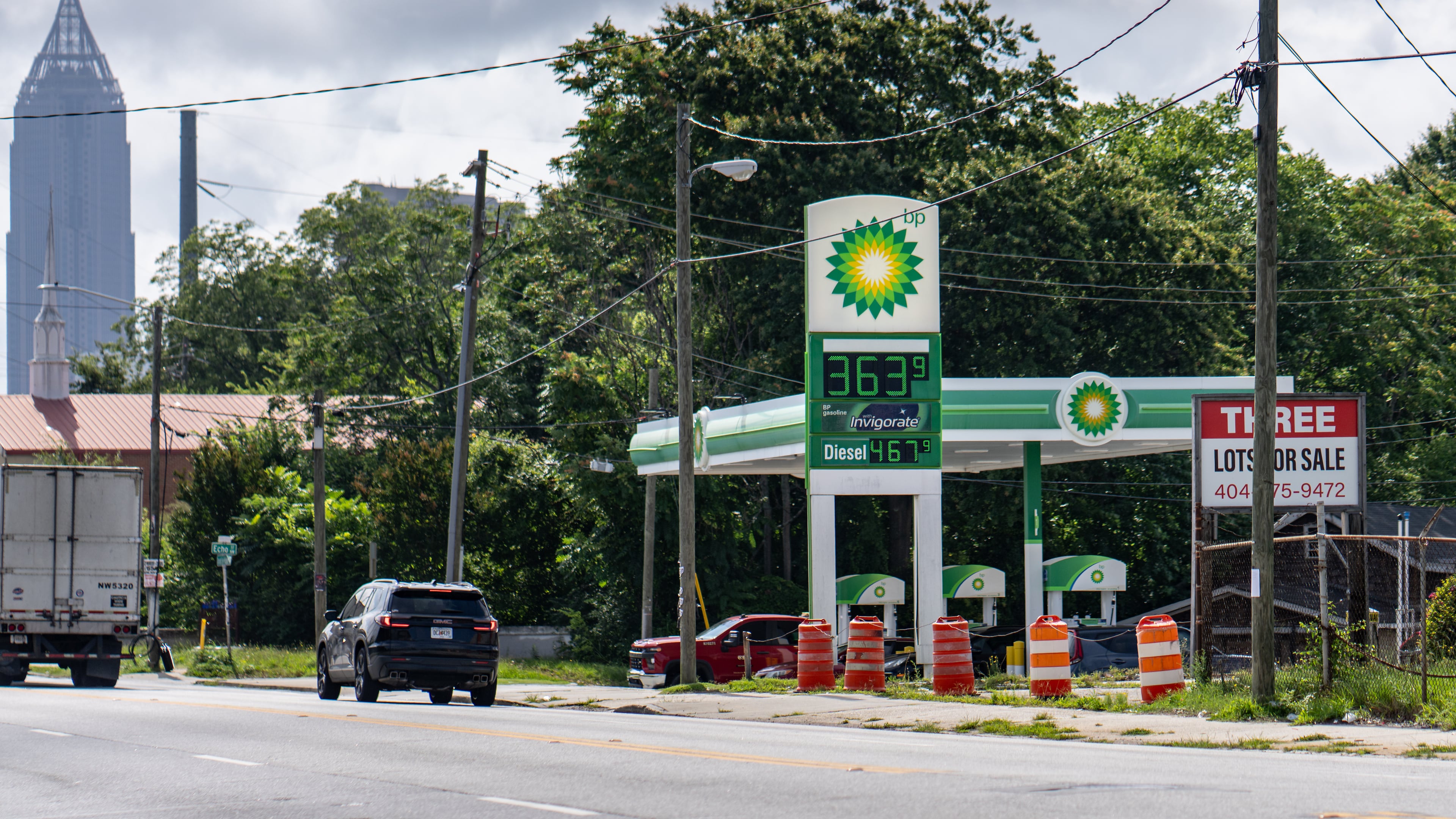
Metro Atlanta motorists can expect gasoline prices to continue to fall for the Fourth of July holiday, a busy time for travel, especially as the United States celebrates its 250th birthday.
Fuel prices have been dropping since the U.S. and Iran agreed to a framework to end the war in the Middle East, with the countries appearing to make progress this week to reach a final deal within 60 days.
“Prices are going down before the situation materially improves based on the likelihood that it will,” said Patrick De Haan, a petroleum analyst with GasBuddy.
In metro Atlanta, De Haan said he expects the average price of a gallon of regular unleaded gas to fall to the low- to mid-$3 range by July 4. Toward the end of the year, those prices could fall below $3 a gallon, he said, if progress continues to resolve the conflict in the Middle East.
The war disrupted the global flow of energy through the Strait of Hormuz, causing fuel prices to reach their highest levels in four years. Since the conflict started, Georgians have spent an additional $867.8 million on gas, or about $217 per household, according to an analysis from Brown University.
But global energy markets have responded to the news surrounding a potential resolution to the war.
In metro Atlanta, the average price for a gallon of regular unleaded was about $3.65 as of Tuesday morning, according to AAA data. That’s down about 41 cents per gallon from one month ago. But prices are still about 30% higher since the start of the Iran war in late February, according to an analysis by NBC News.
Metro Atlanta diesel prices, which were above $5 a gallon a month ago, are now about $4.77 a gallon.
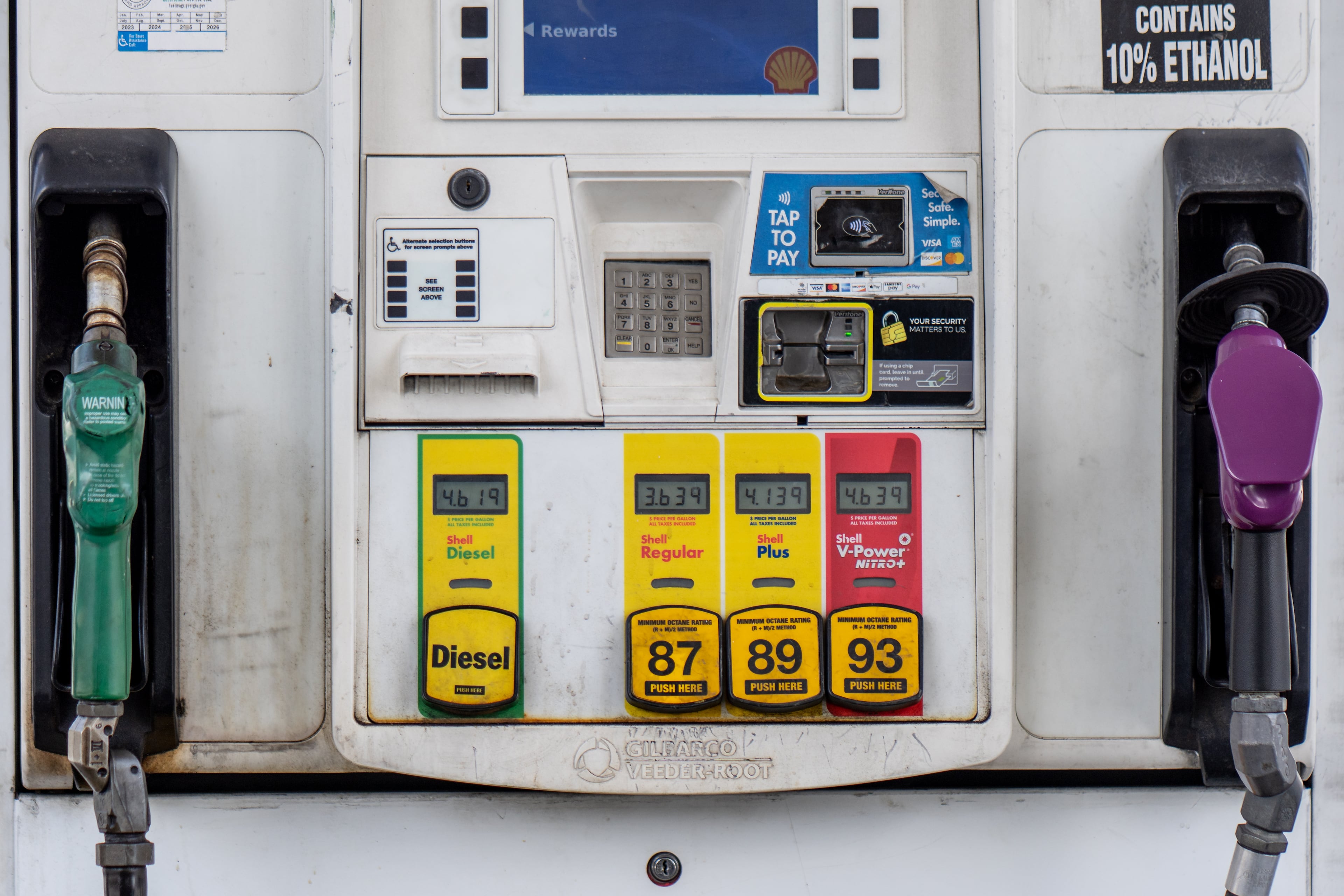
Prices have dropped even as Gov. Brian Kemp in early June ended a state gas tax exemption he put in place to ease rising fuel costs, which for a few months saved drivers 33 cents per gallon on gasoline and 37 cents per gallon on diesel.
Still, Tom Kloza, chief energy adviser for Gulf Oil, said uncertainty remains as to what happens next.
Kloza said he believes the memorandum of understanding that the U.S. and Iran signed last week to end military operations, reopen the Strait of Hormuz and provide a framework for negotiating a nuclear deal has created a short-term “honeymoon” for fuel prices.
“There are incredible challenges in that memo and in the negotiation process, but I think the challenges are going to be overlooked for about 30 days,” Kloza said.
“The thing that drives markets the most is sentiment, and right now there has been a clear shift in sentiment,” he later added.
But Kloza warned if violence starts back up in the Middle East that “things can change very, very quickly.”
Tuesday morning, President Donald Trump said on his social media platform Truth Social that 19 million barrels of oil flowed out of the Strait of Hormuz on Monday, erroneously calling it an “all-time” record. The Paris-based International Energy Agency has said that last year, before the war, an average of 20 million barrels per day of crude oil and oil products shipped through the strait.
Hurricane season is another wild card, Kloza said, because a severe storm could affect crude oil production and refinery operations.
“We have not had a hurricane impact the U.S. oil industry since 2021, and that was Ida,” he said, referring to the storm that crippled offshore oil and gas production and damaged Louisiana’s energy grid. “It only takes one in the Gulf of Mexico.”
Hurricane season officially began June 1, but most tropical activity usually occurs between August and October. Federal forecasters, though, have said they anticipate a slightly quieter than normal Atlantic hurricane season this year.
— Staff writer Drew Kann contributed to this report.