DOJ OKs Paramount-Warner Bros. merger, combining film studios, CNN and CBS
The Justice Department has cleared the landmark merger between Warner Bros. Discovery and Paramount Skydance, a key step in clearing the pathway to complete the $111 billion deal.
In a news release sent late Friday, the DOJ said it did not find the merger is likely to result in harm to competition or American consumers. This includes streaming video on demand, linear television and studio production, distribution and development.
The merger will likely encounter more hurdles. Some state attorneys general are preparing a lawsuit to block the acquisition, Reuters reported last week. The deal also has met scrutiny from the larger media ecosystem.
If completed, the merger will unite two entertainment juggernauts with wide-ranging properties, including DC Comics, “Harry Potter,” “Mission: Impossible,” “Star Trek” and Atlanta-founded cable giants TNT and TBS, among others.
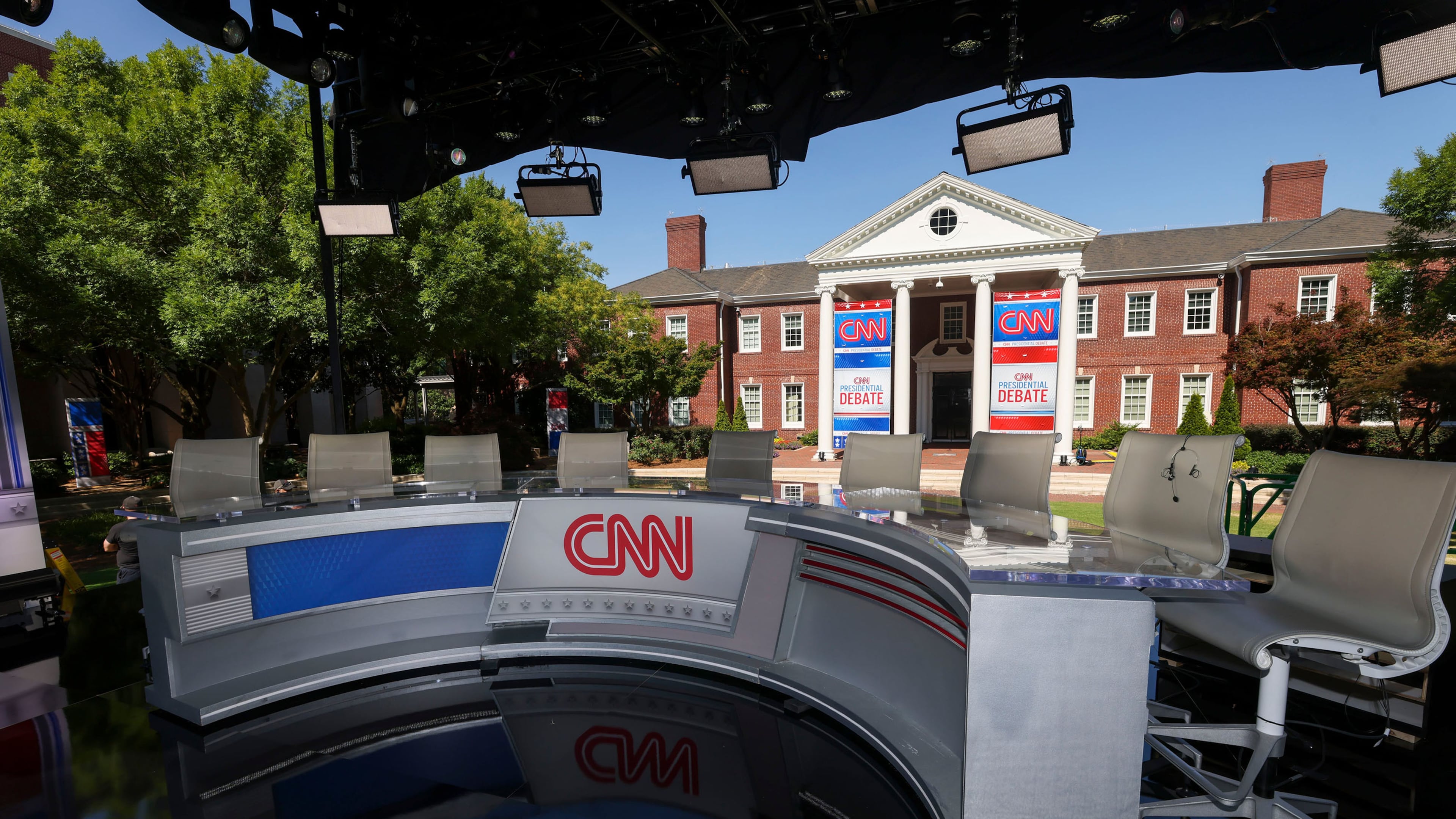
It would also put CBS News and CNN under common ownership. This has sparked concern that it would lead to ideological shifts at the latter news organization, which has often been a target of criticism from President Donald Trump, who has favored the tie-up.
One critic of the deal, U.S. Sen. Elizabeth Warren, D-Mass., said the DOJ approval was “terrible news for every American who doesn’t want Trump-aligned billionaires to control what they watch and how much they pay.”
She urged state attorneys general to fight it.
Paramount’s assets also include Paramount+ and free ad-supported streaming television service Pluto TV, CBS, BET Media Group and pay television channels such as MTV, Showtime, Nickelodeon and Comedy Central.
The combined company will carry a massive debt load, totaling more than $40 billion.
A completed merger would mark a new chapter for the Atlanta-based Turner networks, which have been passed along in a carousel of deals that have taken them from Turner to Time Warner to AT&T to Warner Bros. Discovery. For more than 3,000 employees at the company’s Techwood campus, where CNN, TBS, TNT and other networks reside, the stakes could not be higher.
Mergers almost always result in job cuts. The previous combination of Warner Bros. and Discovery whittled Atlanta’s creative labor force by hundreds of jobs.
The DOJ said in its release that the Warner properties have been repeated acquisition targets in the media and entertainment industry for years. The transactions illustrate the challenges that arise when a deal that makes business sense isn’t aligned with “the competitive incentives of the acquiring firm or the competitive evolution of the marketplace,” the DOJ release said.
“In technology-driven industries, the disruptors of the recent past may quickly become the entrenched monopolists of the present day,” the DOJ said in its release.
The DOJ found the impact of the transaction will increase competition across the media and entertainment ecosystem, with benefits for American consumers and workers.
Led by David Ellison, Paramount began pursuing the acquisition last year, after WBD made clear that its assets were up for sale. Netflix initially appeared to triumph with a limited deal that would see it as the buyer of the studio and streaming divisions of WBD. Soon after, Paramount made a hostile bid for all of the company, including the TV networks.
The deal for Warner Bros. Discovery comes two years after Ellison led the effort to combine Paramount with his company Skydance Media. Since then, Ellison has overseen steep cuts at CBS News and acquired The Free Press, a right-of-center media group, and installed its founder, Bari Weiss, as CBS News editor-in-chief.
At a memorial held this week for the late Ted Turner, several speakers alluded to the uncertain future of the networks he founded.
“We should thank Ted and remember him forever,” CNN CEO Mark Thompson said during the memorial. “This is the house Ted built, his podium, his house, and the best thing we can do is strive to ensure that this great house continues to stand strong and proud.”
The DOJ said in its release that it analyzed multiple potential theories of harm.
One was that the transaction would harm competition related to linear television. Traditional television has faced a steady decline over the last several years as consumers move away from standard cable and satellite packages in favor of streaming services.
This behavior has reduced revenue to both network owners and distributors. Streaming services and networks are now competing aggressively for live programming, considered the final holdout of traditional television. Paramount, with the Warner assets, would command not only a wide portfolio of networks, but also the rights to live events and sports, and the popular HBO Max and Paramount+ streaming services. HBO Max and Paramount+ are expected to combine into a single streaming platform post merger.
The DOJ found the deal would not likely harm competition given the robust landscape for such live programming.
The DOJ also looked at whether the merger would hurt workers by reducing demand for their work. But the DOJ said the companies are still incentivized to maintain or expand their original content.