Altera Festival introduces AI-curious to emerging technology in film
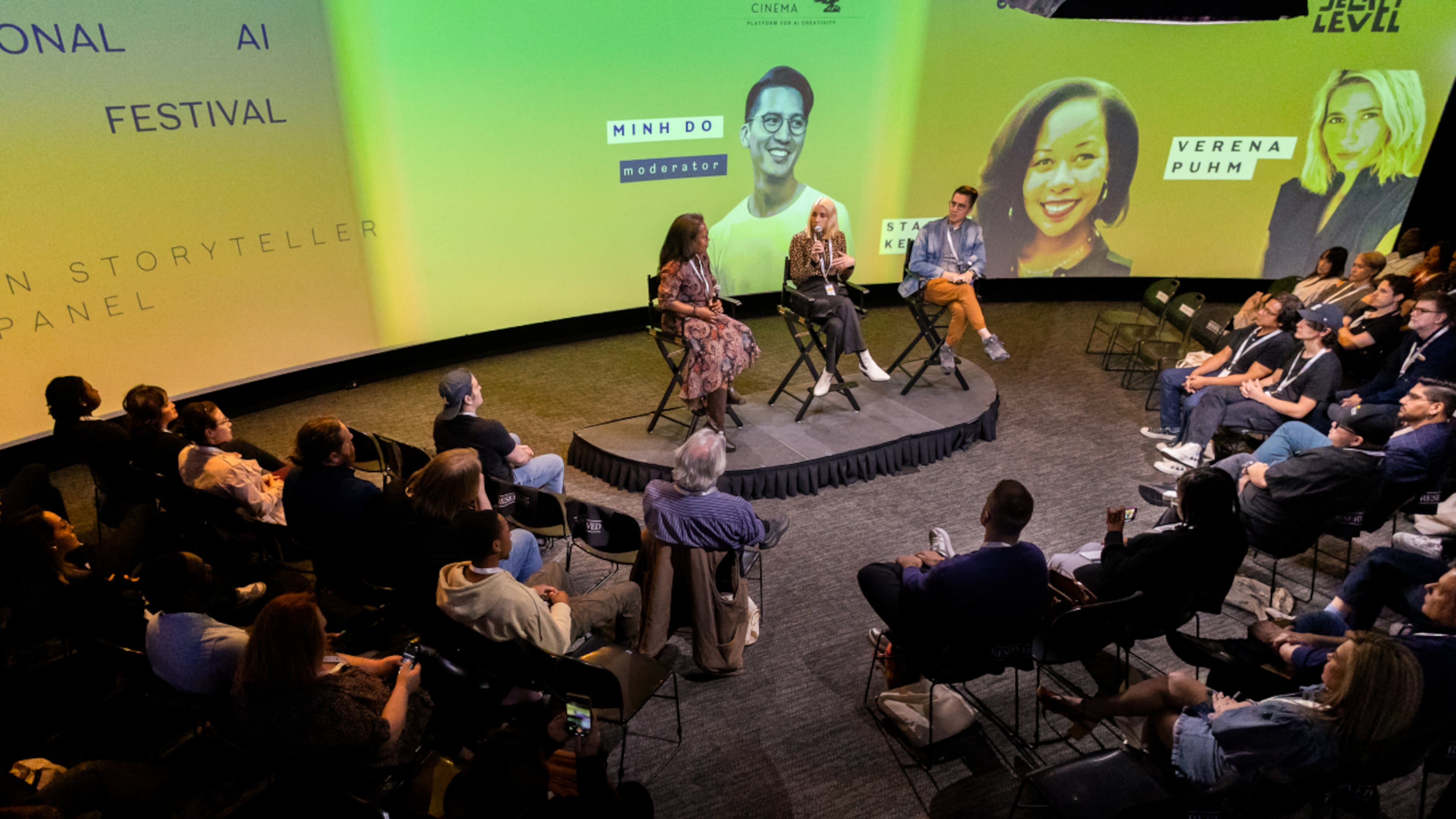
Last year, Atlanta native Natalia Gonzalez wanted to find a community of creatives who were interested in navigating the Wild West of using artificial intelligence in their art. So, she decided to try something she’d never done before: organizing a film festival.
“How hard can it be?” Gonzalez said of her thoughts at the time. “Well, it was very hard.”
In three months, she organized what she dubbed the Atlanta International AI Film Festival, with screenings and panels. However chaotic the planning process became, the event was a hit. It sold out, and Gonzalez realized there were more people interested in learning about how AI, extended reality, spatial computing and other emerging technologies can reshape the creative process.
The festival is returning for its second year June 16-17 at MODEx Studios in Buckhead and Ambient + Studio along Northside Drive. The old name has been laid to rest. The Altera Festival, as it is named now, is much less of a mouthful, and better reflects the full tech landscape it covers.
Altera will feature workshops, live demonstrations and panels on subjects such as creator rights, monetization and enterprise generative AI deployment. Screenings of films that incorporate emerging technologies in a meaningful way will be held on both days.
The use of AI in art, a domain once exclusive to real humans, is a divisive subject. Much of the criticism stems from the use of generative AI, a branch of the technology trained to create new content from studying and recognizing patterns in massive data sets of existing material.
There are purists who decry any piece of media that uses AI-powered tools, and others who are going all-in. In what is likely the highest profile cosign of using artificial intelligence in film, Martin Scorsese announced in June he is using tools from AI startup Black Forest Labs during preproduction for his latest film.
The entertainment industry has used data-driven tools that are now classified as AI for decades. But part of the reason the new generation of AI technology is discussed extensively is because the end consumer now has access to them — they’re not just used by industry gatekeepers to improve processes.
Artists are experimenting with AI in innovative ways. In 2024, country singer Randy Travis made a comeback to music about a decade after losing his voice from a near-fatal stroke.
He entrusted his label Warner Music to create proprietary AI models with vocal stems from dozens of his songs to re-create his vocal style. The label layered the computer-generated vocals with a demo track from country singer James Dupre to produce a new song called “Where That Came From,” cowritten by one of Travis’ longtime producers.
Travis was coherent during the process and approved of the song. Worth noting is that Dupre never granted permission to use the demo until after the song was released, but he was compensated.
There are real concerns over AI replacing jobs. If generative AI software can come up with scripts, music or images in seconds, an ability to replace real humans is not out of the question, especially as time goes on and the capabilities of artificial intelligence grow stronger. There are other ethical and risk concerns with AI, too, such as rights infringement and ensuring compensation for the use of an artist’s likeness.
Different studies report different findings, and the longer-term implications are not yet clear. But the solution isn’t to ignore it entirely, Gonzalez said. Not interacting with emerging technologies will not stop the way they are changing so much every day.
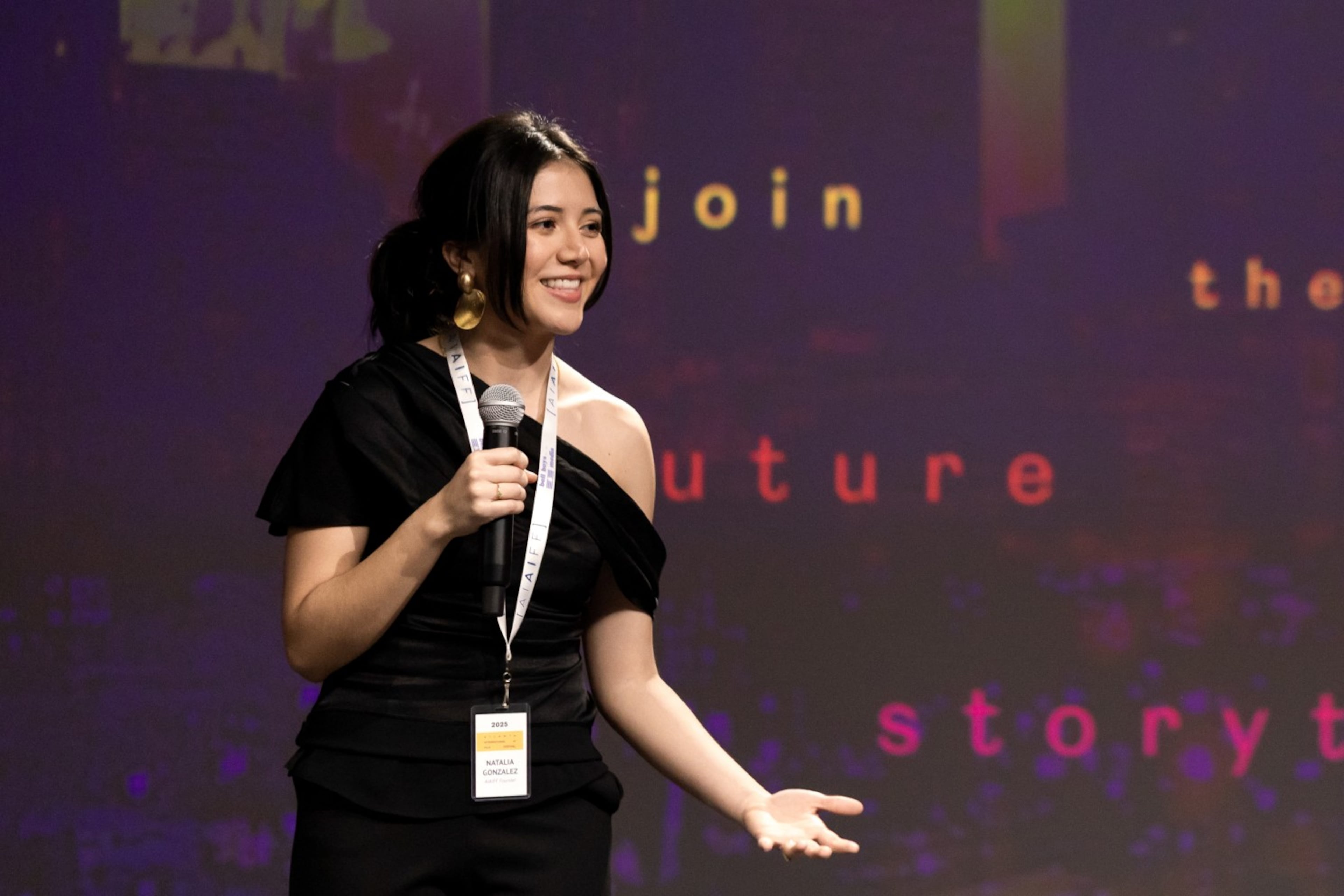
“If you want to make a change with how AI is being trained, or how it is going to be implemented, and the protections and regulations around it, you have to actually use it,” Gonzalez said. “You can’t be someone who has never touched AI and try to advocate for it because you don’t really know what you’re talking about. Education is such an important thing.”
Gonzalez graduated from the University of Georgia with an entertainment and media studies degree during the 2023 dual Hollywood strikes, a watershed moment in the American film industry. The streaming boom had burst, productions began chasing different incentives overseas and artificial intelligence was disrupting traditional creative workflows.
While searching for jobs, she decided to learn more about AI in filmmaking, and she was blown away at the tools that were available at the time. She threw herself into learning about harnessing emerging technologies for previsualization, storyboarding and other parts of the pre-production process.
She found a community of people seeking to learn about the same tools on social platforms such as Discord, but there was nothing local.
“I created this film festival out of the desire of wanting a community,” Gonzalez said. “I can’t be the only one in the whole state of Georgia who is doing this as a creative.”
About a week before the first festival took place in March of last year, it received some criticism from the broader film community. Still, it sold out, signaling to Gonzalez that there was a continuing interest in learning about these emerging technologies. In the months afterward, Gonzalez started hosting monthly meetups at Georgia Tech’s Advanced Technology Development Center. Speakers came in to talk about micro-dramas, copyright and the water used by artificial intelligence.
A misconception about generative AI is that it replaces human effort, Gonzalez said. A filmmaker still has to have a vision, a story and something to say.
“If you don’t want to learn about it, then don’t,” Gonzalez said. “But we’re here and we want to educate.”