No escape from Mueller Report as Congress returns
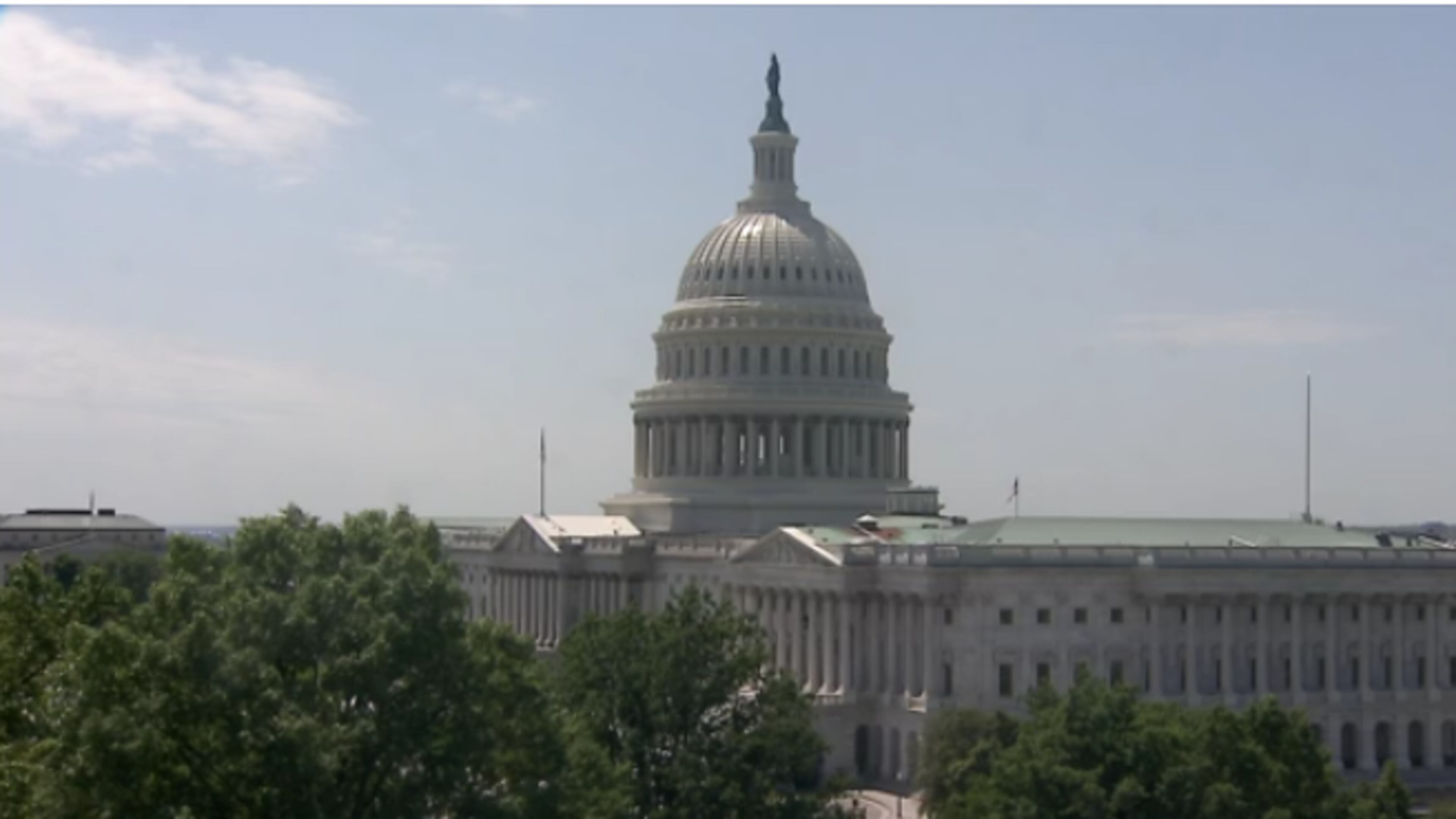
With two days of testimony scheduled this week for Attorney General William Barr on the report by Special Counsel Robert Mueller on Russian interference in the 2016 elections, there is little chance the Congress will just move on from this controversy over the Russia investigation, as Democrats press for more hearings and more answers from the Justice Department, and Republicans want more on how the Russia investigation started.
Lawmakers were away from Capitol Hill on a two week break for Easter when the 448 page redacted version of the Mueller Report was released by the Justice Department - meaning many of them have yet to be pestered by Capitol Hill reporters about the findings.
Here are some questions confronting both parties from that report, as lawmakers get back to their offices on Capitol Hill:
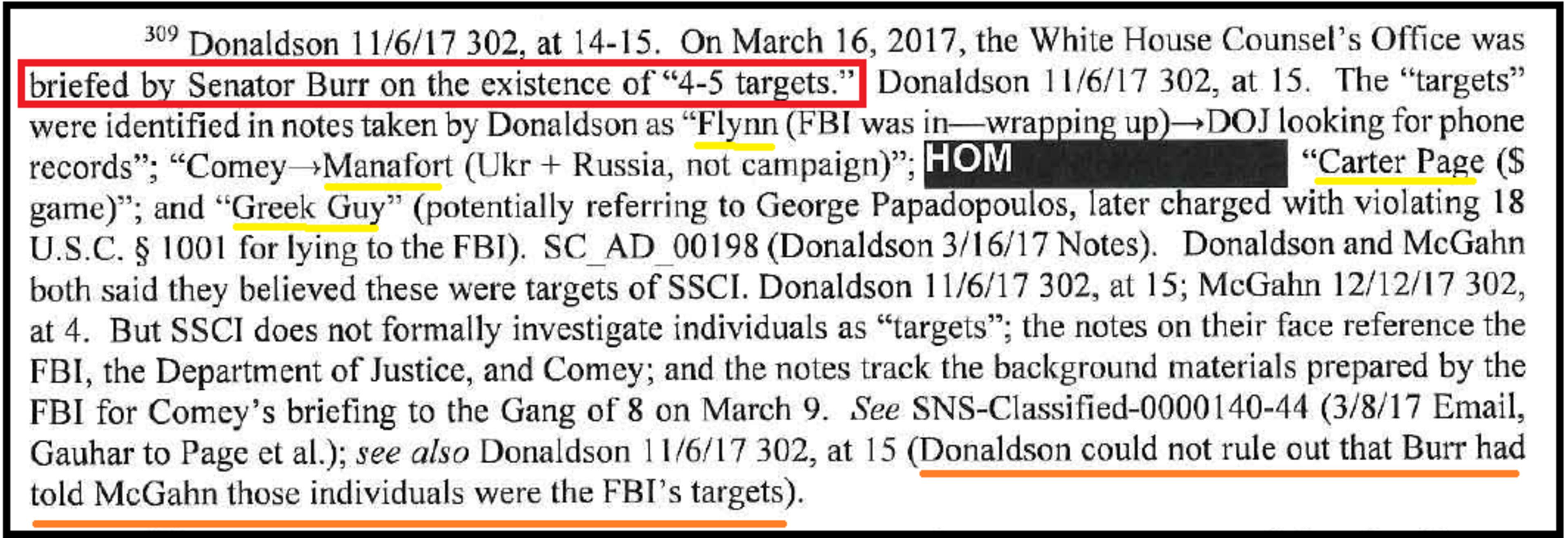
1. Did a key GOP Senator leak FBI info to the White House? One nugget in the Mueller Report is that has not received much in the way of lawmaker reaction is about the Chairman of the Senate Intelligence Committee, Sen. Richard Burr (R-NC), who may have given the White House a heads up on details of the FBI's Russia investigation in early 2017 - information that should not have been in the hands of White House officials. The Mueller report cites the contemporaneous notes of Annie Donaldson, the Chief of Staff to then White House Counsel Don McGahn, detailing a briefing by Sen. Burr in March of 2017 - which Mueller raises a big red flag about, saying "the notes track the background materials prepared by the FBI for Comey's briefing to the Gang of 8 on March 9." If that's true, it's possible Burr may have given highly sensitive intelligence information to the White House which was restricted to only eight top lawmakers in the Congress, known as the 'Gang of 8.' Burr is certain to get a lot of questions from reporters in the hallways about this footnote on page 264 of the report.
2. Trump or McGahn - who isn't telling the truth? Along with testimony from Special Counsel Robert Mueller - which is not guaranteed as yet - Democrats would like to hear from former White House Counsel Don McGahn, who testified that President Trump repeatedly ordered him to fire Mueller soon after being appointed to run the Russia probe. Twice last week - once on Twitter, and once to TV cameras at the White House - President Trump said McGahn was wrong, and that there was no order to get rid of Mueller. That claim goes against a lot of evidence in the Mueller Report - like this: "On Saturday, June 17, 2017, the President called McGahn and directed him to have the Special Counsel removed." It leads to one basic question - someone isn't telling the truth about whether the President tried to get rid of Mueller. Is it McGahn? Or is it the President? Democrats want testimony from McGahn - the President says a subpoena for McGahn by a House panel was 'ridiculous.'
President Trump: "I’m a student of history. I see what you get when you fire people and it's not good. But there would have been nothing wrong with firing him. Legally I had absolute right to fire him, but I never told Don McGahn to fire Mueller." pic.twitter.com/BdFUrwg7pe
— CSPAN (@cspan) April 26, 2019
3. Obstruction of Justice - or a coup d'état? Depending on who you ask in the Congress, the Mueller Report either shows an avalanche of evidence which proves that President Trump was doing all he could to undermine the Mueller investigation - and obstruct justice - or the President was the victim of a vast conspiracy which started during the campaign, and involved surveillance by the FBI, the British Government, illegal FISA warrants and more. Here's Fox News legal analyst Judge Andrew Napolitano making the case that President Trump engaged in a repeated acts of obstruction of justice - and then the President in a Fox News interview making claims that the FBI investigation was nothing more than an effort to wrongly remove him from office.
4. Republicans press to investigate the investigators. Cheered on by President Trump, GOP lawmakers want more information on the origins of the Russia investigation, as well as breathing new life into the Hillary Clinton email probe from her time as Secretary of State. If that's going to happen, it's mainly going to be led by GOP Senators, since they can set the agenda for hearings and investigations. "Now that the Special Counsel's investigation has concluded, we are unaware of any legitimate basis upon which the Department can refuse to answer the Judiciary Committee's inquiries," three Republican Senators wrote the Justice Department last week. Republicans are also waiting on a report from the Inspector General at the Justice Department on how the Russia investigation was conducted. Attorney General Barr could be asked about that again in coming days.