Conservation mission drives Atlanta Botanical Garden’s exotic plant hunter
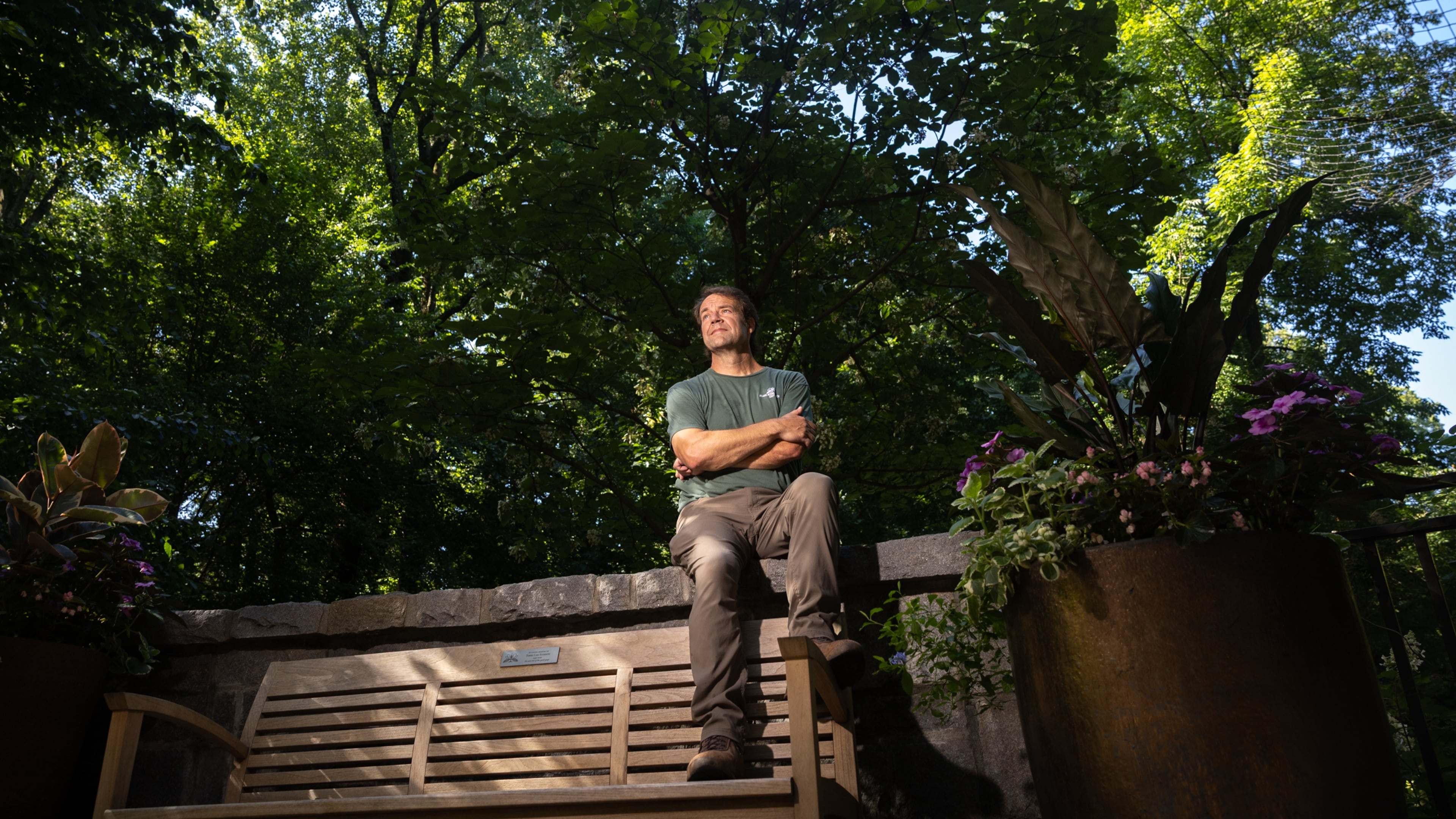
The freshly minted vice president of horticulture and collections at the Atlanta Botanical Garden, Scott McMahan has the ambling, laid-back vibe of Gary Cooper, speaking in a patois incorporating folksy expressions such as “tippy top” and “sticky wicket.”
It’s easy to see why McMahan was named the Atlanta Botanical Garden’s 2026 Employee of the Year. He’s that most captivating and rare human cultivar: someone with an infectious passion for what he does.
In the 19th century, he would have been described as a “plant hunter.” But in the less empire-building world of today, he describes himself as a plant “explorer.”
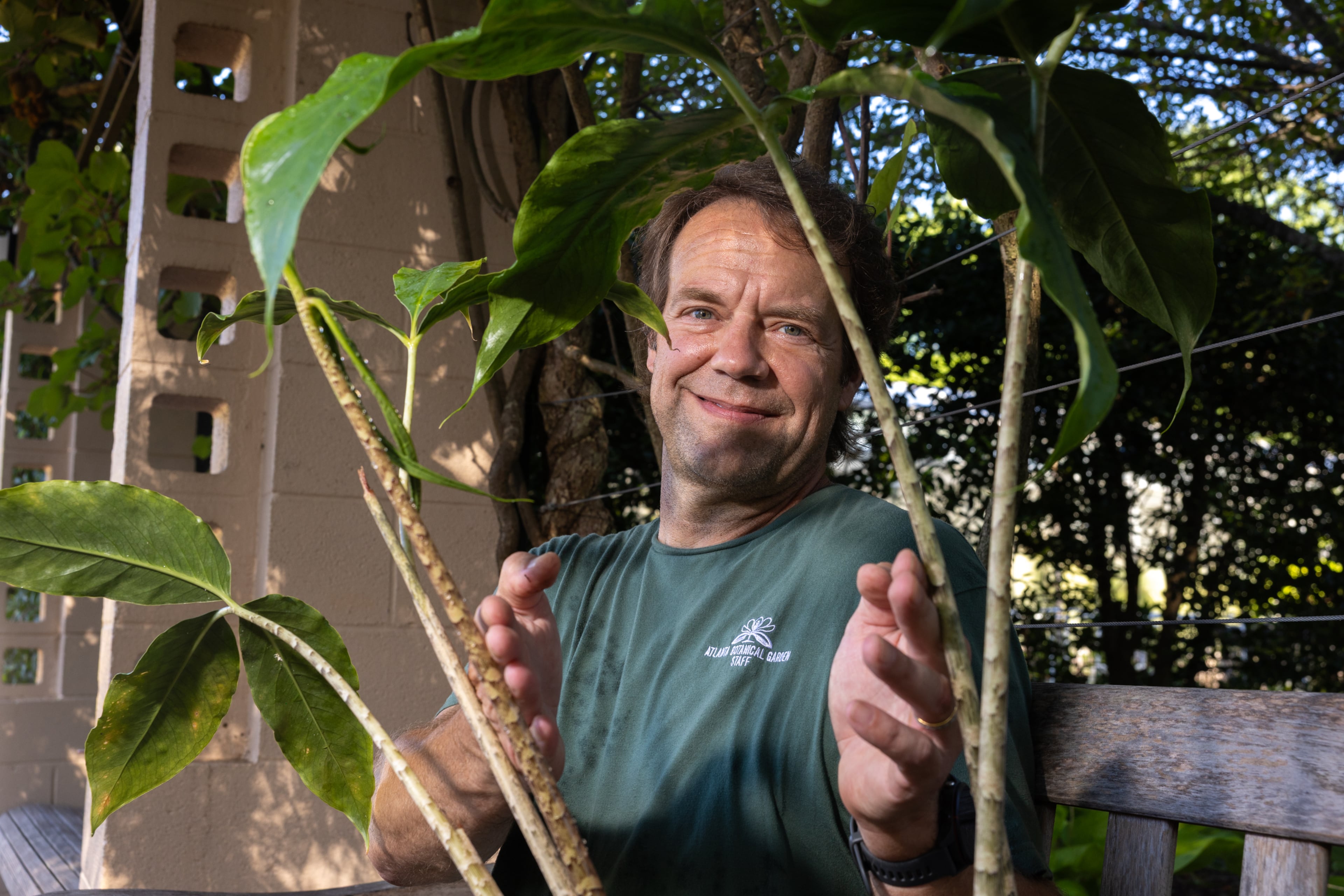
McMahan experienced his life-altering aha moment after he graduated from Wofford College in Spartanburg, South Carolina, and was working at a South Carolina nursery. A mysterious older man appeared one day asking if the nursery would care for his plants. That man was wildly accomplished horticulturist John L. Creech, former director of the U.S. National Arboretum. He regaled McMahan with his stories of traveling to Japan, Russia, Nepal, Taiwan and Yugoslavia for plant exploration.
“I was just completely fascinated by that,” McMahan said.
The encounter lit a fire. McMahan’s first foray into botanical exploration came when he traveled to China for the first time in 2001 searching for the undiscovered plants that were legion in the country. Plants in China, Japan, Vietnam and the mountains of India are ideally suited to Atlanta’s climate.

His job at the Atlanta Botanical Garden, where he started in 1999, is a decidedly exotic one rooted in that Victorian era of botanical exploration. He is from a long — and at times ignoble — tradition of plant hunters whose forays into South America and Asia brought back to England and then America the plants we now think of as inseparable from our Southern heritage: hydrangea, rhododendron, azaleas and magnolias.
Several times a year, McMahan travels to Asia in search of new plant species to protect and preserve as part of the Atlanta Botanical Garden’s mission of plant conservation. This year marks the garden’s 10th anniversary of its International Plant Exploration Program, an enterprise in which McMahan — who was once the program’s manager — continues to play an outsize role.
Now, McMahan’s name has been committed to plant posterity. His Vietnamese collaborators have named a lily discovered in 2024 at Chu Mom Ray National Park in Vietnam’s Kon Tum province, after him.
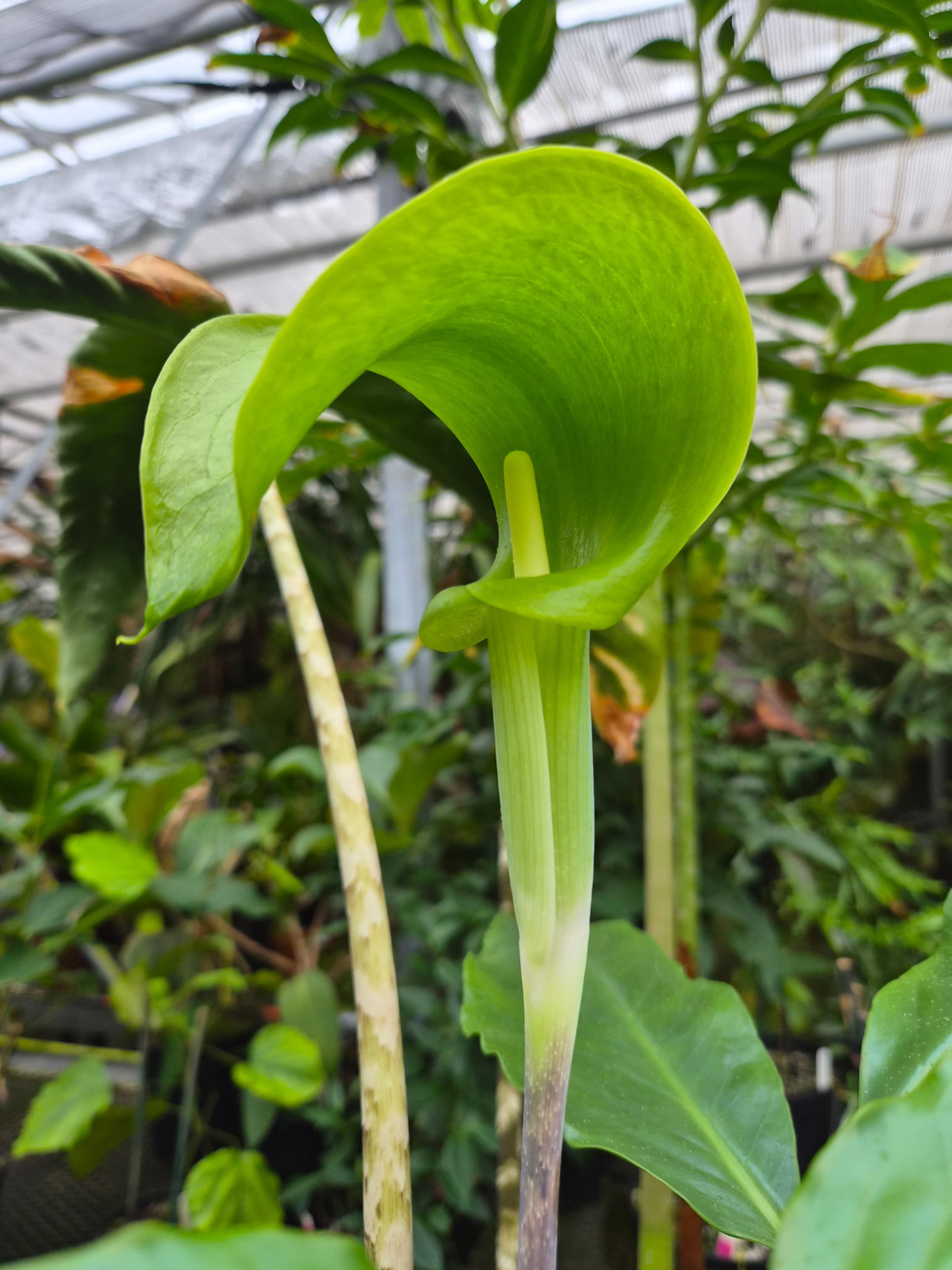
Though he’s sheepish about the idea of plants being named for people, Arisaema mcmahanii testifies to the outsize reputation of this Atlanta plant hunter beloved by colleagues on continents from Asia to the Americas.
“Plant exploration is essential for understanding and bringing broader awareness to threats to global botanical diversity,” said George Guenthner, interim supervisor of horticulture collections at the United States Botanic Garden in Washington, D.C. of the importance of the Atlanta Botanical Garden’s mission.
“What we do is expensive,” said McMahan, who is also chair of the Plant Collecting Collaborative, a group of public gardens engaged in cultivating plants collected in the wild. But fortunately for Atlantans, “ABG is very well funded, thank goodness.”
Because even as much of the world seems to treat plants with disinterest, as less cuddly and less worth protecting than animals, McMahan and his colleagues around the world have devoted their lives to the world underfoot.
“We don’t know anything about plants,” McMahan said of the work still left to do, well aware that it’s underpaid and unglamorous labor.
“We are in a society now that does not reward patience and observation,” he said. “It rewards productivity and money making.” That means college kids want to channel their inner Wolf of Wall Street, not dabble in stamens and pistils.
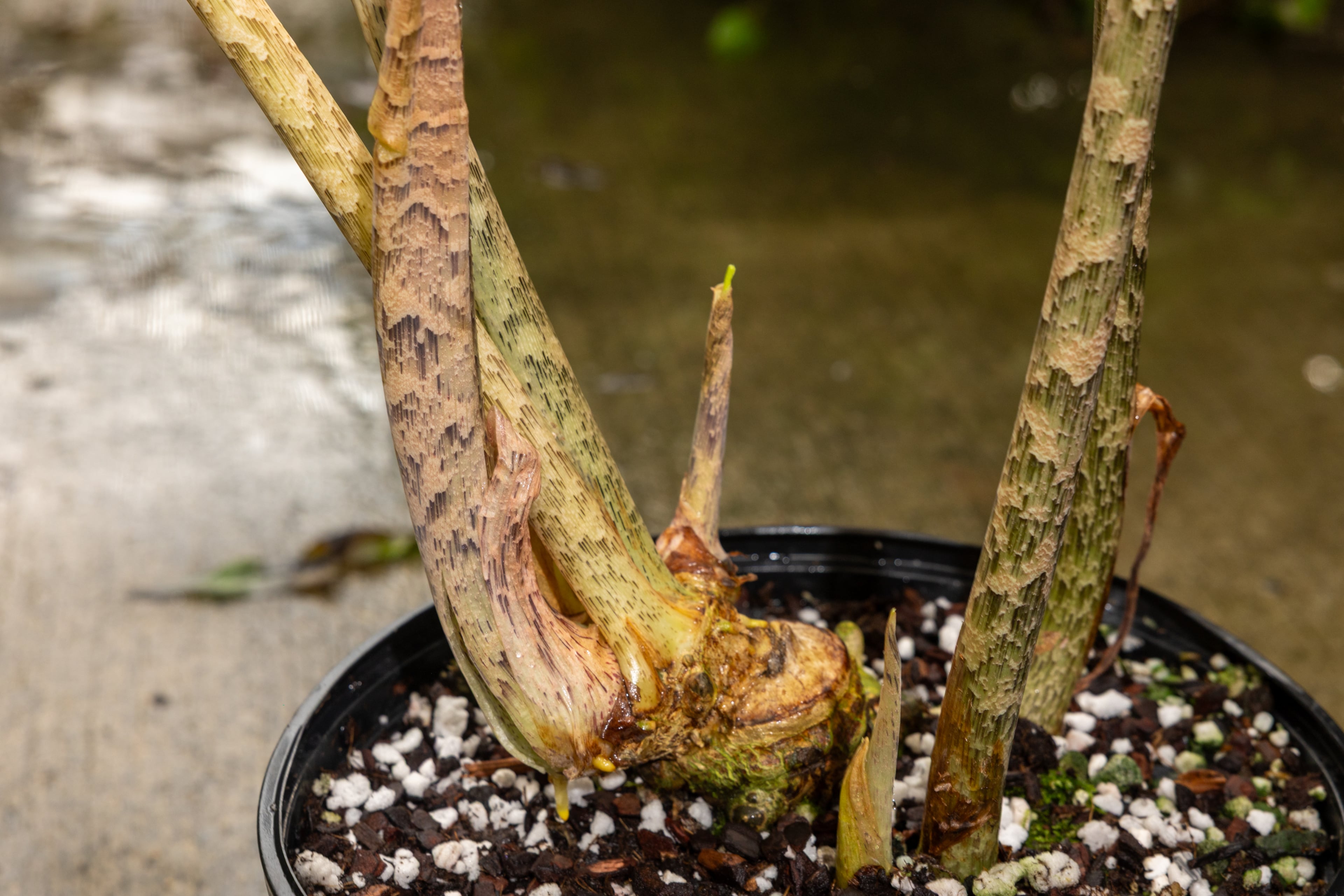
Arisaema mcmahanii now lives in the backup greenhouses closed to the public off the Atlanta Botanical Garden’s workrooms and offices, utterly nondescript without its characteristic bloom, “a flower that stands up above the foliage rather than down below,” McMahan said. Like the cryptic Rosebud glimpsed at the end of “Citizen Kane,” she hides in plain sight within a landscape of other green, leafy things.
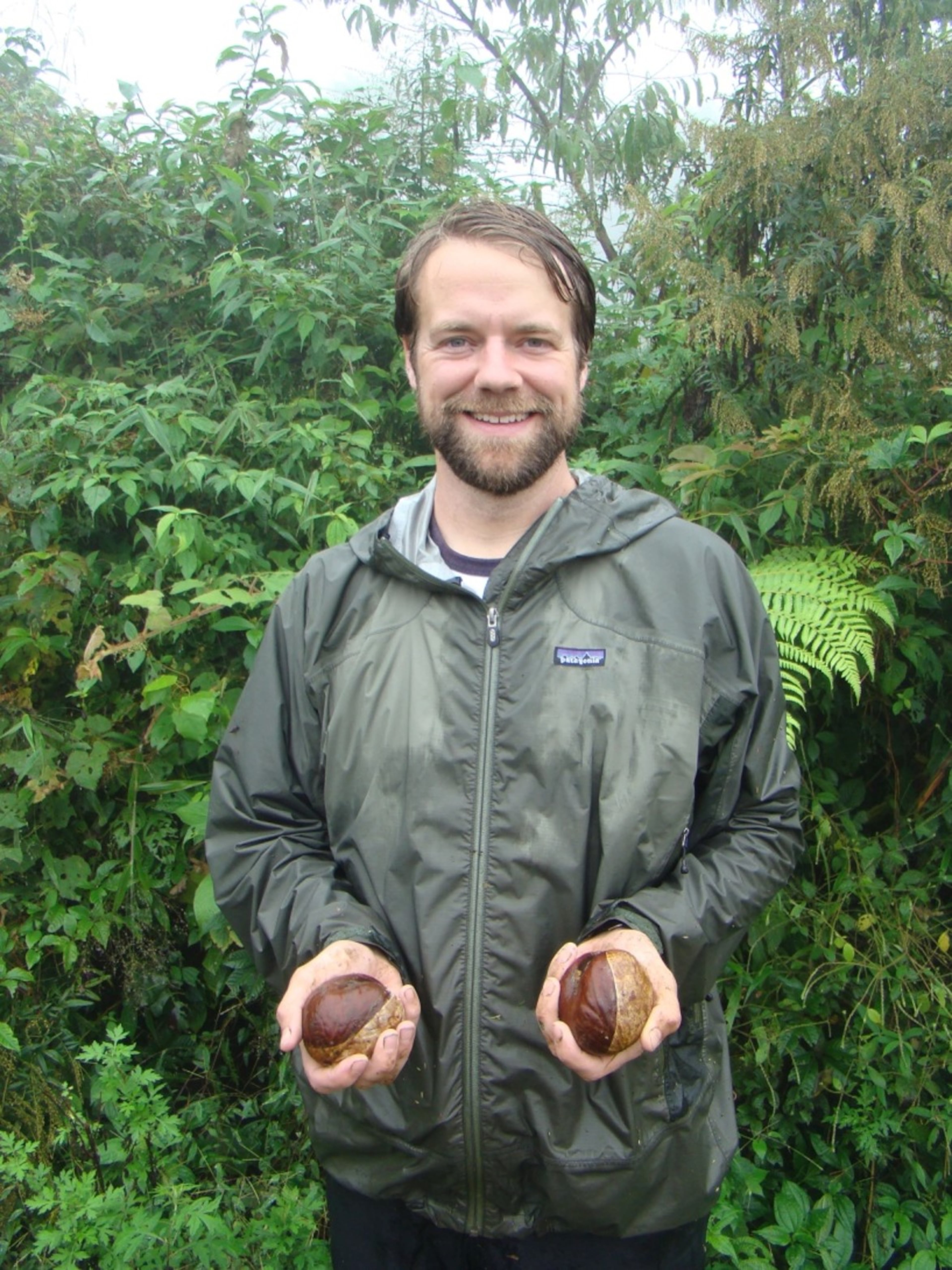
“We see areas of the world that National Geographic has never sent reporters to,” said McMahan, whose new obsession is the remote and undeveloped “Seven Sisters” northeast region of India. It’s “the Wild West of plant exploration,” he added, a place where head hunting went on well into the ‘60s. “India is definitely the next frontier.”
It turns out that the 21st century still contains plant species to discover and mysteries to unfurl. The cloak-and-dagger plant fiends of the 19th century with their pith helmets, quinine tablets and use of subterfuge and disguises to get at Chinese tea have their far more conscientious, modern incarnation in a lanky, 6-foot-2 Southerner who lives in his grandfather’s Decatur home and whose uniform is a green ABG T-shirt.
The Atlanta Botanical Garden is not just a fireworks show for plant geeks, it is a laboratory dispelling some of our myths about plants and how they work. Because, as McMahan points out, plants are still portals to all the things we don’t know, tantalizing mysteries and reminders of limits to human understanding in this vast world.
“I think my dream has changed because, in my role now, I really have the opportunity to direct where this garden goes, not just what plants we’re evaluating and what might get into the garden,” he said.
“But now I have the power to say we’re going to plant this tree here, and that tree will be here long after I’m gone.”