As Atlanta welcomes pandas, remember Tibet’s role in protecting their habitat
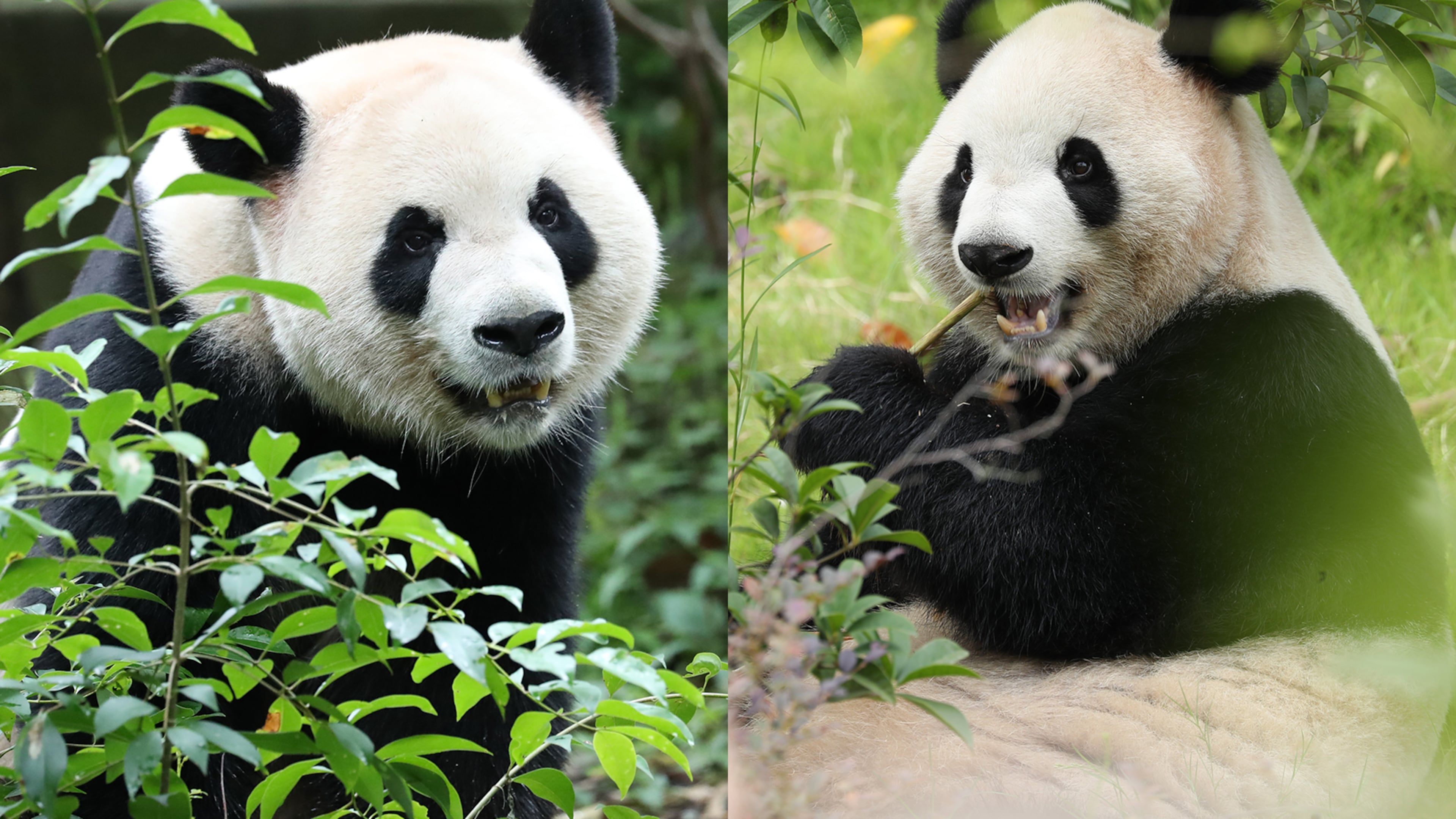
Atlanta is celebrating the return of giant pandas. But for the city’s Tibetan American community, there is more to the story.
Some of the panda’s most important habitat lies along the eastern edge of the Tibetan plateau, including Tibetan areas of present-day Sichuan.
Parts of this region belong to Kham, the eastern Tibetan cultural region, where Tibetan communities have lived for generations.

This doesn’t mean pandas are somehow exclusively Tibetan. They are not. Wild pandas also live in areas with very different histories.
What is often missing from the familiar story of the pandas, however, are the communities that have lived alongside and helped sustain this habitat for centuries.
Effective conservation protects land and people

The modern Chinese state turned the panda into a diplomatic asset in the 1950s, sending the animals abroad as symbols of friendship just a few years after Communist forces entered Tibet and Beijing began consolidating its control there. Over time, that carefully cultivated image helped detach the panda from the human history of its habitat.
According to UNESCO, local reverence for nature in northwestern Sichuan, “particularly among Tibetan people, has played an essential role in protecting the ecological environment and biodiversity in the reserve and surrounding areas.”
Conservation science increasingly recognizes the role that Indigenous peoples and local communities can play in maintaining biodiversity and reducing habitat loss. Effective conservation increasingly asks not only how to protect land, but how to work with the people who know it.
It includes knowing how a forest changes with the seasons. Where animals move. Which plants grow where. Which places a community considers sacred. How families have grazed animals, gathered plants or used water without exhausting the land.
And that knowledge does not preserve itself.
People have to pass it on.
Parents teach children. Elders tell stories. Religious teachers explain why a mountain carries meaning. Children learn how earlier generations lived with the land by watching the people around them.
This is where the future of Tibetan culture becomes relevant to the future of these landscapes.

Tibetans want to pass down their language, traditions
At the International Campaign for Tibet, we see growing Chinese government pressure on the institutions that allow Tibetan families to pass their language, religion and traditions to their children. Chinese authorities have closed Tibetan-language schools, tightened control over religious education and moved at least 1 million Tibetan children into state-run schools where Mandarin and state-approved curricula dominate.
If generations of local knowledge helped shape and protect some panda landscapes, what happens when children lose access to the traditions through which people passed that knowledge down?
What knowledge of forests, plants and animals disappears when the chain between generations begins to break?
China has invested enormous resources in habitat conservation. Those efforts have played an important role in the panda’s recovery.
But protecting that landscape for another century will mean protecting the people who have known and stewarded the mountains for generations, and preserving their ability to pass their unique knowledge and traditions to their children.
As Atlanta welcomes its newest panda ambassadors, Americans have a chance to look beyond the bears and learn about the people behind one of China’s most powerful symbols.
Tencho Gyatso is president of the International Campaign for Tibet, a Washington, D.C.-based nonprofit organization that works to promote human rights and democratic freedoms for the Tibetan people, and a niece of the 14th Dalai Lama.
Send letters to the editor of 250 words or fewer with your name, city or town and contact information to letters@ajc.com.
The opinions expressed are those of the writer and do not necessarily reflect the views of The Atlanta Journal-Constitution.