South Sudan marks 15 years of independence. Here’s why that matters to US.
A car, a lorry, and a herd of cows converge in a traffic circle. What’s the punch line? There isn’t one. I saw cows stop traffic in Juba 20 years ago, and I now believe that incident foreshadowed South Sudan today.
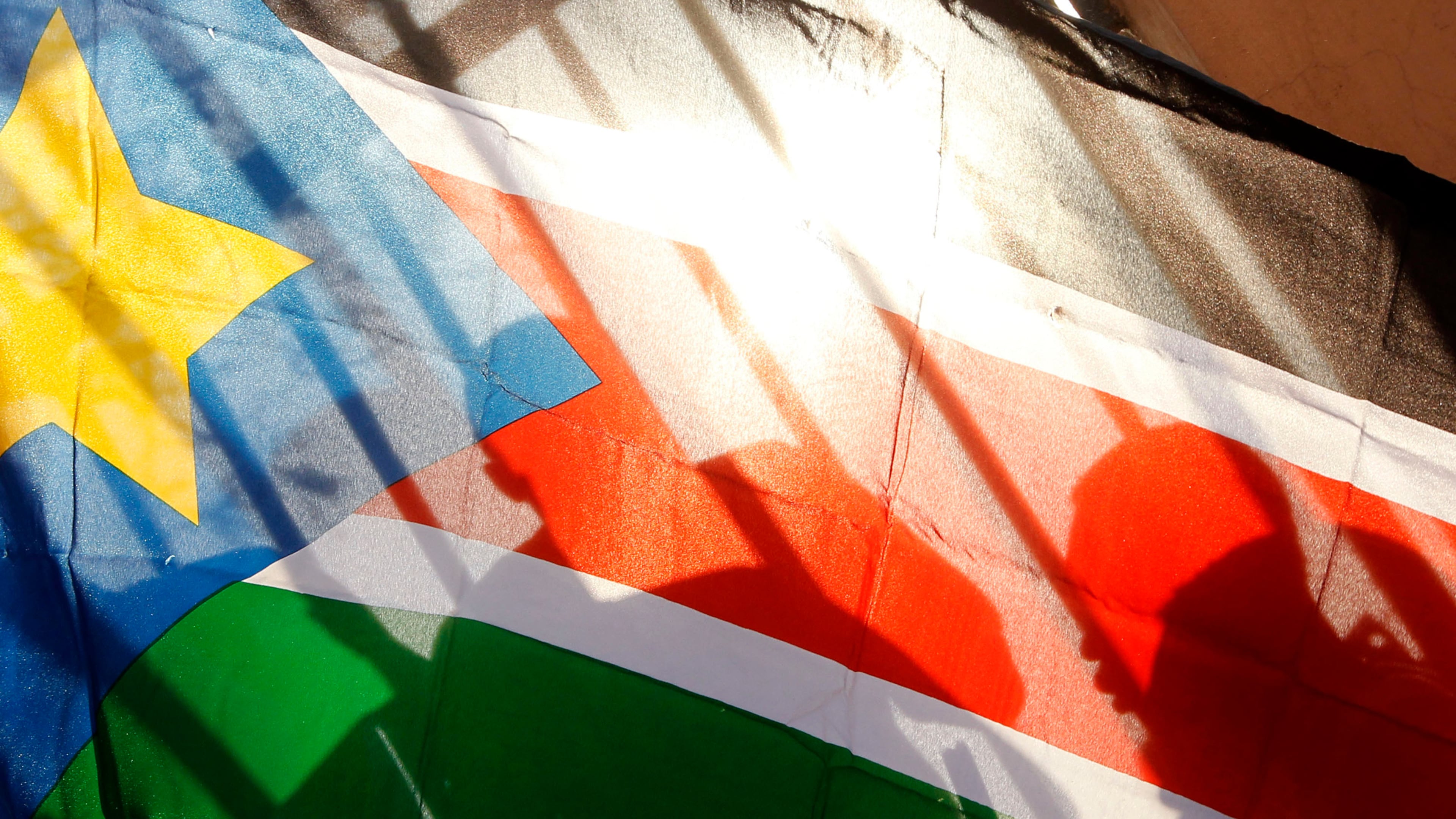
South Sudan, the world’s newest country, celebrates 15 years of independence in 2026. The Comprehensive Peace Agreement (CPA) of 2005 ended a devastating civil war and outlined a path to coexistence within a united Sudan, or the right to choose secession (and gain control of their oil wealth). Although they achieved independence and control of their oil, South Sudan today seems stuck in its own traffic jam of kleptocracy, poverty and violence.

America’s ties to South Sudan are deep and longstanding, from the pre-independence efforts of Sen. John Danforth, R-Missouri, and Operation Lifeline Sudan to the first U.S. ambassador to South Sudan, Susan D. Page. U.S. Agency for International Development programs in health, food security, education, democracy, and more were delivered across South Sudan for decades. I worked on peacebuilding for the U.S. Institute of Peace across South Sudan.
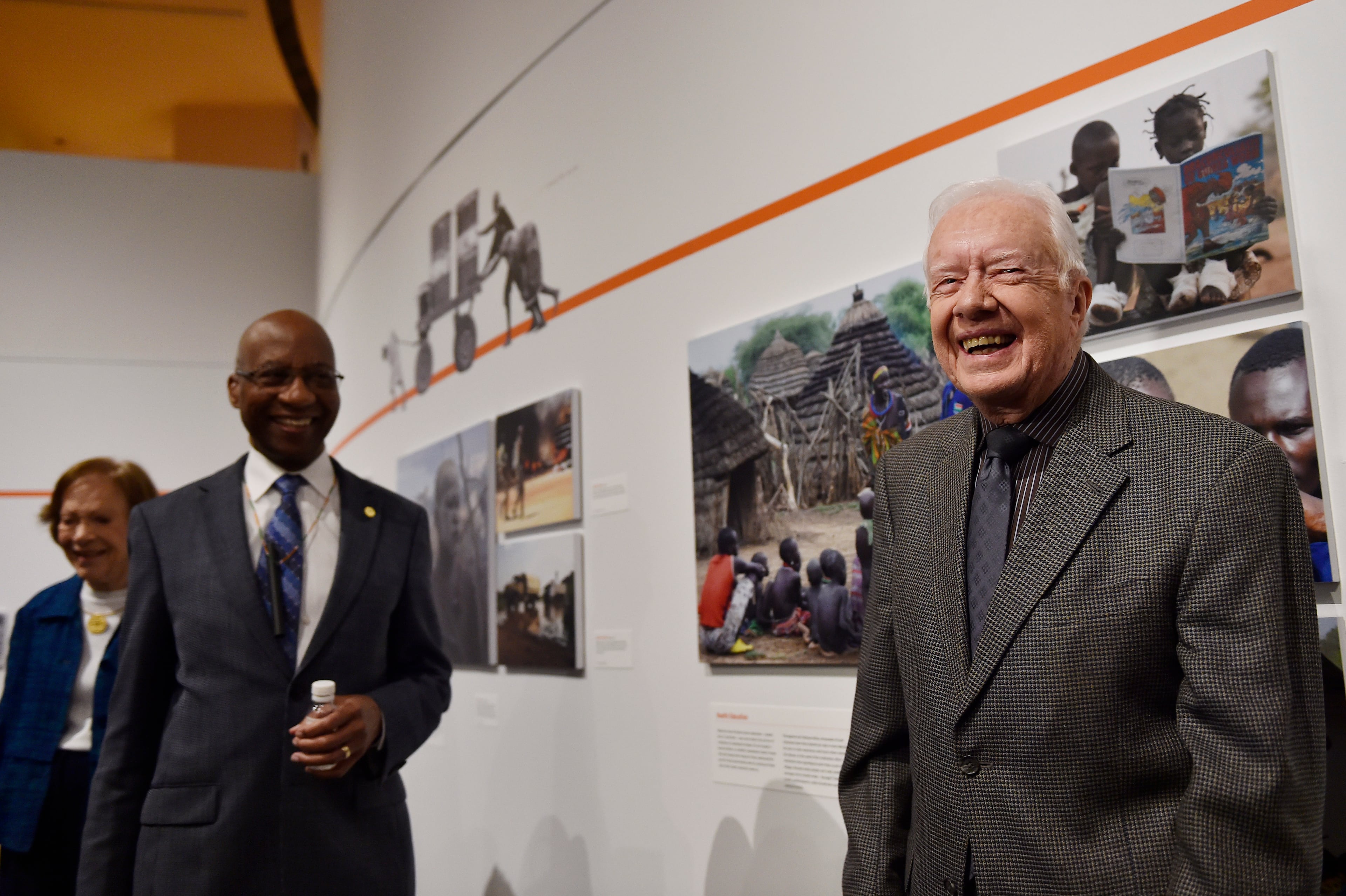
Georgia’s ties are deep as well. President Jimmy Carter’s guinea worm eradication project virtually eliminated this parasitic menace in South Sudan. He oversaw the Carter Center’s 2010 election observation mission for which I served as an international observer. And one of two U.S. factories that produce life-saving peanut paste is in Fitzgerald, Georgia.
Decades of international support were squandered
South Sudan’s leaders failed to implement the CPA. Reconciliation and accountability were ignored, and leaders failed to disarm rebels and form an integrated army. The leaders used cronyism to reward loyalists, following the “it’s our turn to eat” mindset.
And despite sizable oil wealth, they relied on international aid to pay teachers and fund healthcare, and on international peacekeepers to protect civilians.
South Sudan also squandered decades of international support. Freedom House rated South Sudan’s political rights and civil liberties at 1 out of 100 in 2025. For 2026, Transparency International found South Sudan tied with Somalia for the world’s worst perceived corruption.
Less than a third of South Sudanese women are literate, and civilians continue to die from violence perpetrated by other South Sudanese, including their own security forces. This state of affairs was predictable given leaders who prioritized capturing resources, inflaming divisions, and retaining power at any cost, yet a tragic loss of opportunity.
Some South Sudanese claim the United States has ‘given up’ on them. I know better. Religiously affiliated organizations like the American Friends of the Episcopal Church of the Sudans continue programs for orphans, women and peacebuilding.
Organizations like Save the Children US, Relief International and Concern Worldwide US continue humanitarian work in South Sudan. And our U.S. Embassy in Juba continues to represent our values.
Here’s why South Sudan and USA need each other
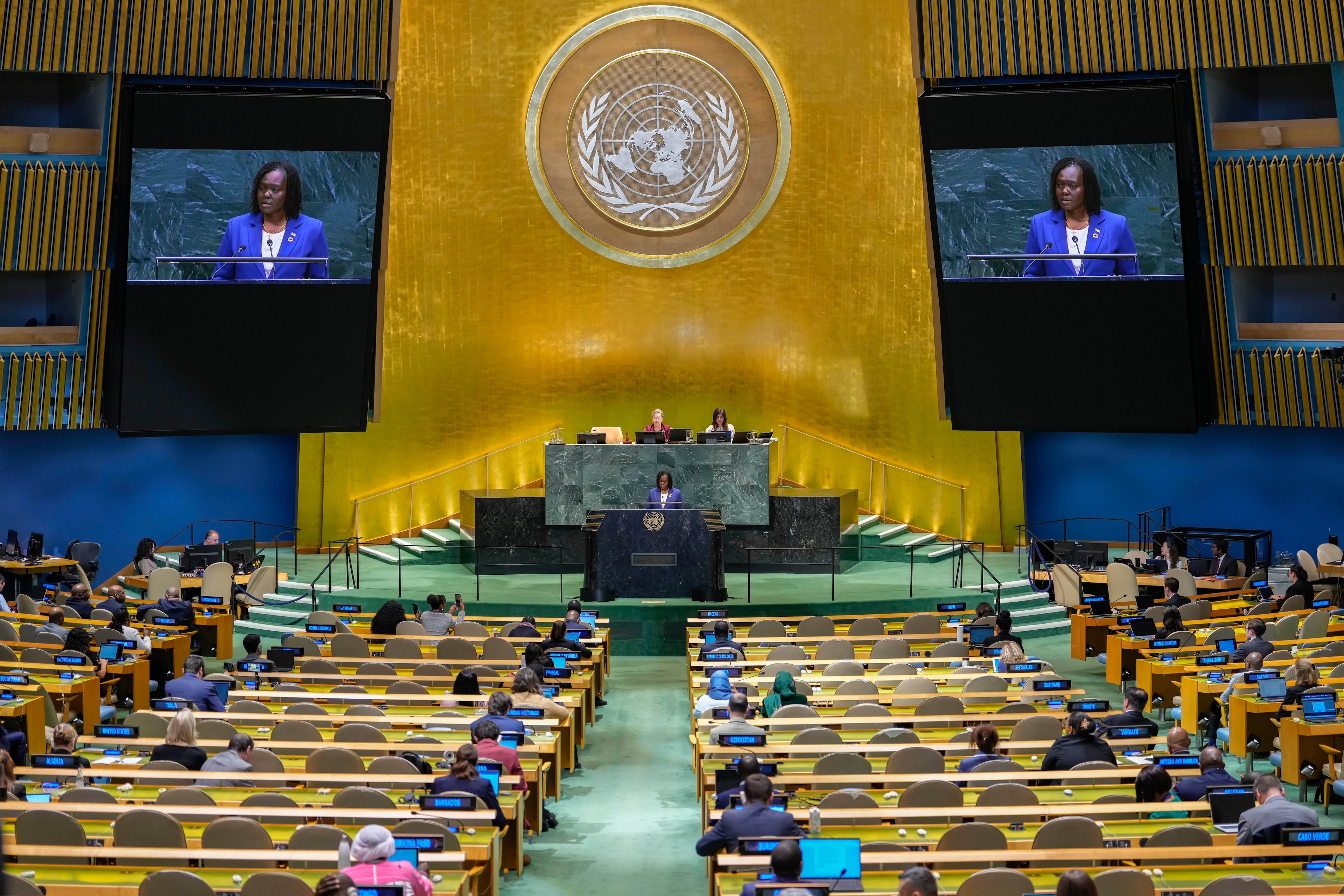
Importantly, South Sudanese themselves are making a difference. I know a South Sudanese farmer who launched a women’s literacy program, built a boat from empty barrels during massive flooding and launched a community radio station. Lual Deng, former Miami Heat basketball star, helped launch South Sudan into the basketball stratosphere with their incredible journey from invisibility to the Paris Olympics.
A developing ecotourism vision stems from documentation that South Sudan hosts the world’s largest animal migration. And a small college newsletter boldly states “South Sudan Needs Ethical Leadership.” These all give me hope.
Why does South Sudan matter to Americans? The world is interconnected and interdependent, and there is no going back. American businesses need gum Arabic and shea butter, while starving South Sudanese need life-saving peanut paste. COVID-19 and Ebola remind us that effective global health responses require global collaboration.
We should celebrate South Sudan’s independence and our role in it. And as we recognize America’s 250 years of independence, let’s acknowledge that South Sudanese “lost boys” (and girls) who came to America as refugees are now taxpaying U.S. citizens, professors, and physicians. They are our friends, colleagues, and neighbors. Many of them went back to South Sudan to share American ideals of democracy, their expertise, and their example of trying to live up to the promises of South Sudan’s fifteen years of independence. Now that is something to celebrate.
Jacqueline (Jacki) Wilson, who has worked in and on Sudan and South Sudan as a peacebuilder and international observer for over two decades, is writing a memoir about her experiences.
The opinions expressed are those of the writer and do not necessarily reflect the views of The Atlanta Journal-Constitution.
Send letters to the editor of 250 words or fewer with your name, city or town and contact information to letters@ajc.com.