Run clubs are the social network for a new generation of women
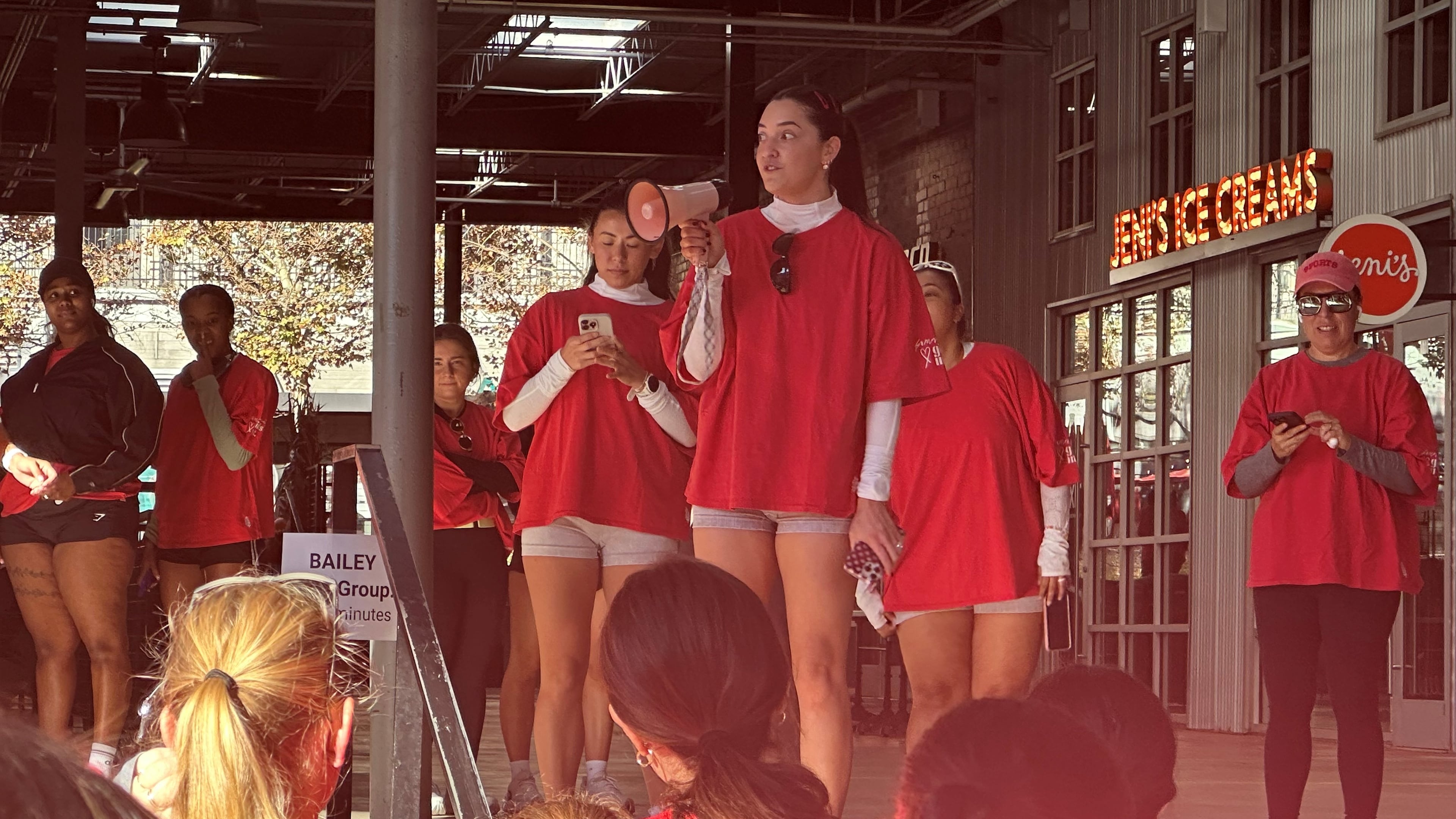
At 8 a.m. on a recent Saturday morning, a crowd began gathering outside of Krog Street Market. Activewear brand FP Movement was hosting its annual Festive 5K fun run, one of 16 events nationwide benefiting Girls Inc. With high energy music hyping them up, more than 200 women and a few men pulled on bright red branded T-shirts and chatted while waiting for the run to begin.
The free, donation-based event began in 2020, though FP Movement has partnered with Girls, Inc. for the past decade, donating 1% of daily net proceeds and 100% of Thanksgiving Day proceeds to the organization with the mission of inspiring the next generations of girls.
I attended the event expecting to talk with runners for a column about Thanksgiving and the importance of giving back. But after speaking to more than a dozen women, a different story took root. Many attendees were there to support Girls Inc., but they were also part of trend I hadn’t realized was happening.
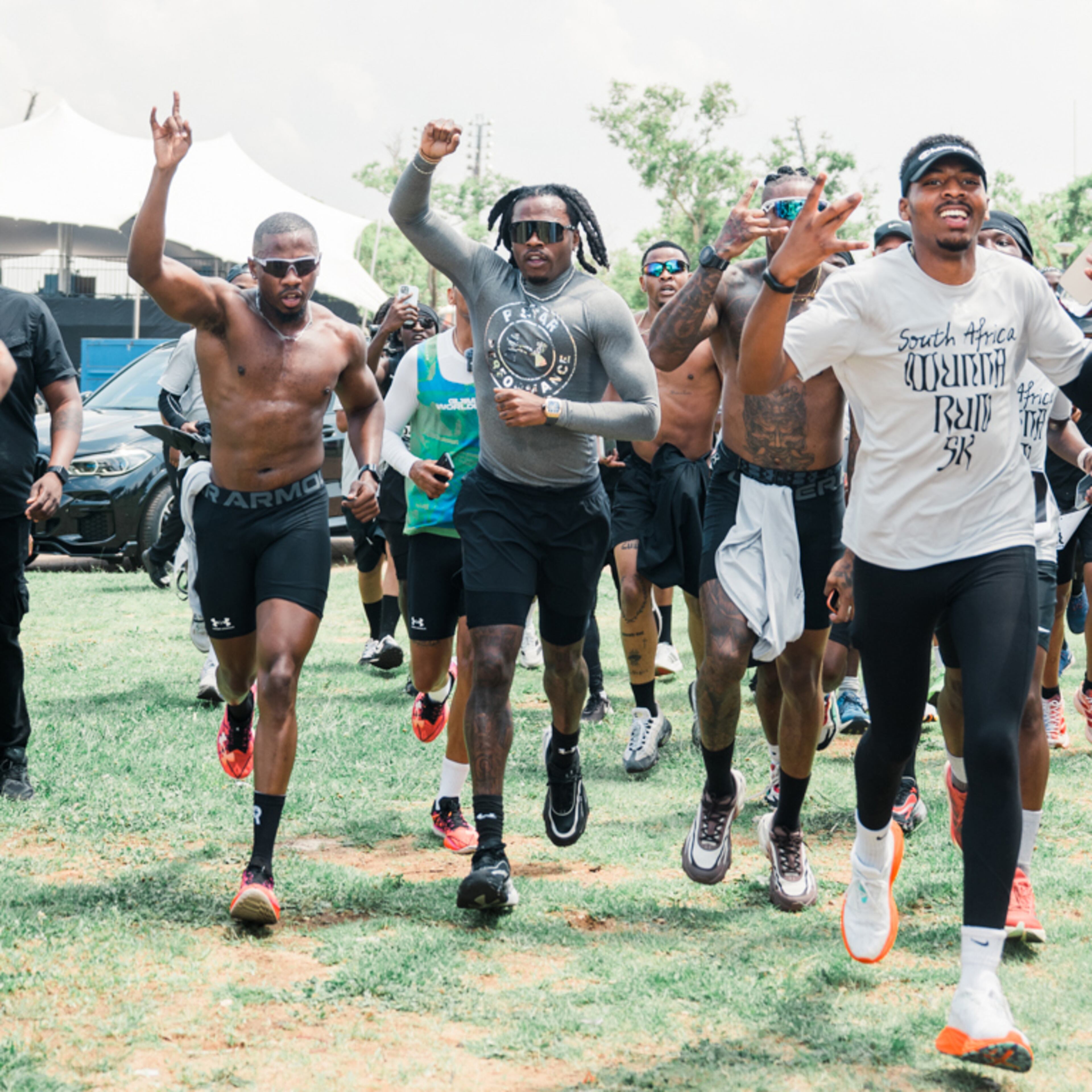
Run clubs have doubled or quadrupled in number since the pandemic, depending on the source, and young women are fueling the boom.
Running with a group has become an important way for women to socialize and meet new people. That’s particularly true for members of Gen Z, born between 1997 and 2012, a generation who have been widely reported, including in this column, as the “loneliest generation.”
“I love being involved in the community, and this is a good way to get out there and meet new people and be active,” said Lila Mayers, who began participating in 5K runs this year.
Mayers was chatting with Bailyn Jones and her dad Bradley Jones, who drove up from Birmingham to support his daughter. “I just moved to Atlanta in August, and I have been looking for things to do,” said Bailyn. “I saw this come up and I thought it was fun and a good way to get involved in the community.”
When I wrote about the loneliness epidemic among young people in 2024, I praised organizations that encouraged people to bond over the state of being lonely rather than a shared interest. I realized, after talking to women like Jones and Mayers, that I had misread run clubs.
Running wasn’t the thing binding these women together. Running was the pathway to friendship and the chance to be part of something bigger.
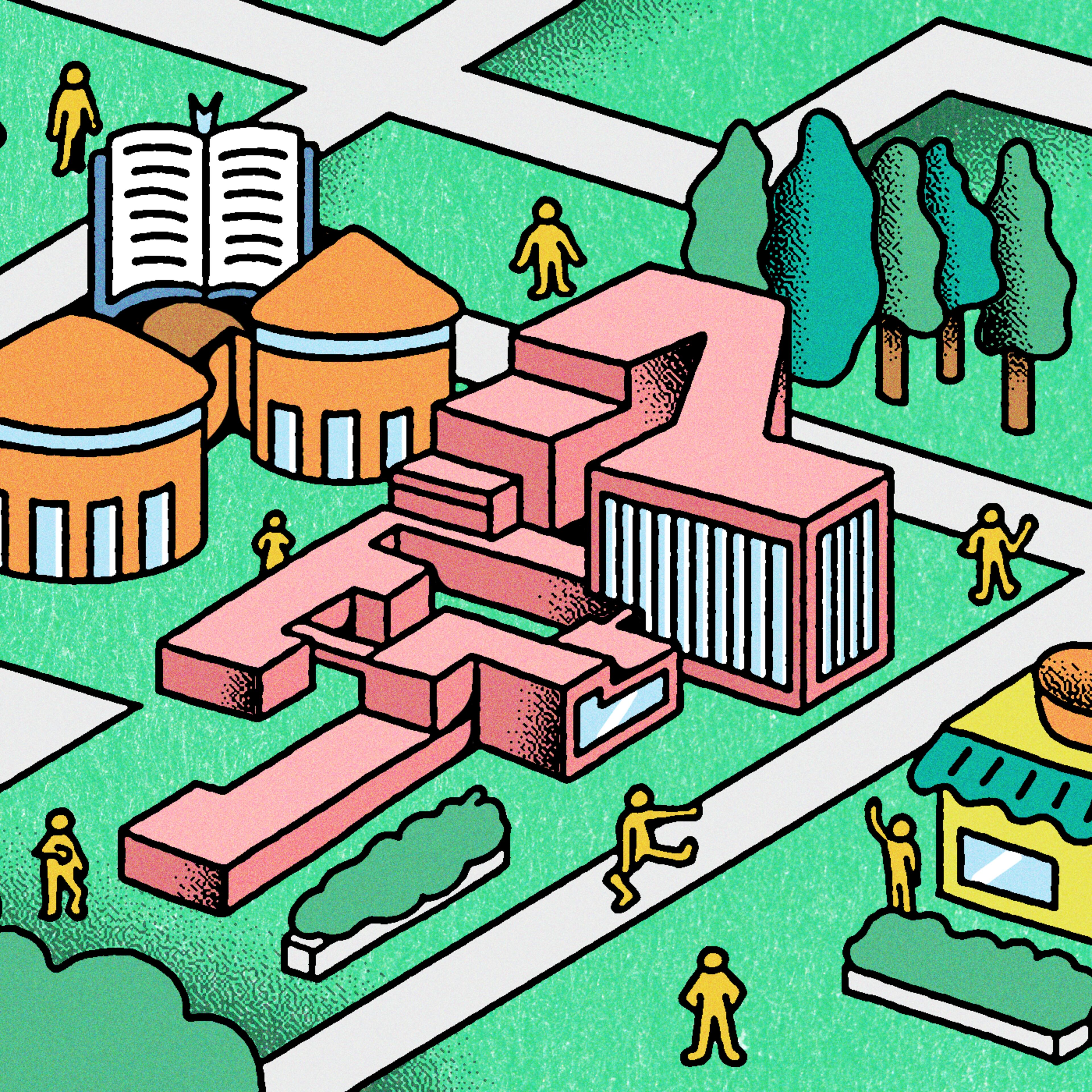
Gen Z is coming of age during a time of societal collapse when third places — spaces other than home, work or school where people gather informally and regularly — have gone missing. Run clubs offer consistency and community in a low-pressure environment where the members share a similar mission.
About 57% of runners in the U.S. (including non-competitive social runners) are women according to data from the Runnify app. In metro Atlanta, there are women-only running groups for every type of woman: Black Girls Run, Strong Moms Run Club, Move Peach and Best for Last Run Club for ladies seeking a slower pace.
At the FP Movement Festive fun run, Bailey Otto circled through the crowd holding a bedazzled sign high above her head. The sign was meant to help newcomers feel welcome.
“The first timer sign is in case they have questions on the route. Or if they came alone … I can introduce them to someone else who came alone and they can make friends,” said Otto, who founded Girls Who Run ATL about three years ago and partnered with FP Movement for the event.
“I wanted to run with more females, make more female friends and I thought moving our bodies and finding ways to challenge ourselves would be a good way to do so,” said Otto. She’s getting married in six months, and her wedding party consists largely of people she met though running.
Otto started Girls Who Run ATL by putting a call out on social media for other women to meet her every Wednesday evening.
Those regular gatherings are the foundation for building connections. People begin to recognize each other and notice when someone isn’t there. Soon, friendships extend beyond the weekly run.
Unlike some other social spaces, run clubs are free or inexpensive, and attending alone doesn’t feel weird like it might at a nightclub or bar. Talking to strangers is normal and encouraged.
“A lot of people find community,” said Linda Aguirra, a run lead for the Festive 5K. “It is so important, I have seen so many friendships evolve during the years.”
Aguirra headed up one of the pace groups, which is yet another built in connection point for run clubs. When you are surrounded by people moving at roughly the same pace, it gives you the opportunity to talk to each other or at least, find support to challenge yourself. That’s a lot different from running alone and pacing against the clock.
Earlier this year, I wrote about the teen takeovers that swept through Atlanta neighborhoods including The Battery and Midtown. These moments, organized on social media and designed to create high visibility, made teens feel relevant even when the gatherings devolved into chaos. Run clubs can offer young adults a similar sense of belonging, but with much better social outcomes.
The FP Movement fun run was upbeat, cheerful and at times, it felt like a full-on display of girl power. Running almost seemed like an afterthought. The real vibe was being surrounded by women looking for a place to belong and finding it with each other, mile after mile.
Read more on the Real Life blog (www.ajc.com/opinion/real-life-blog/) and find Nedra on Facebook (www.facebook.com/AJCRealLifeColumn) and X (@nrhoneajc) or email her at nedra.rhone@ajc.com.