‘I Have a Dream’ speech draft reveals Martin Luther King Jr.’s revisions
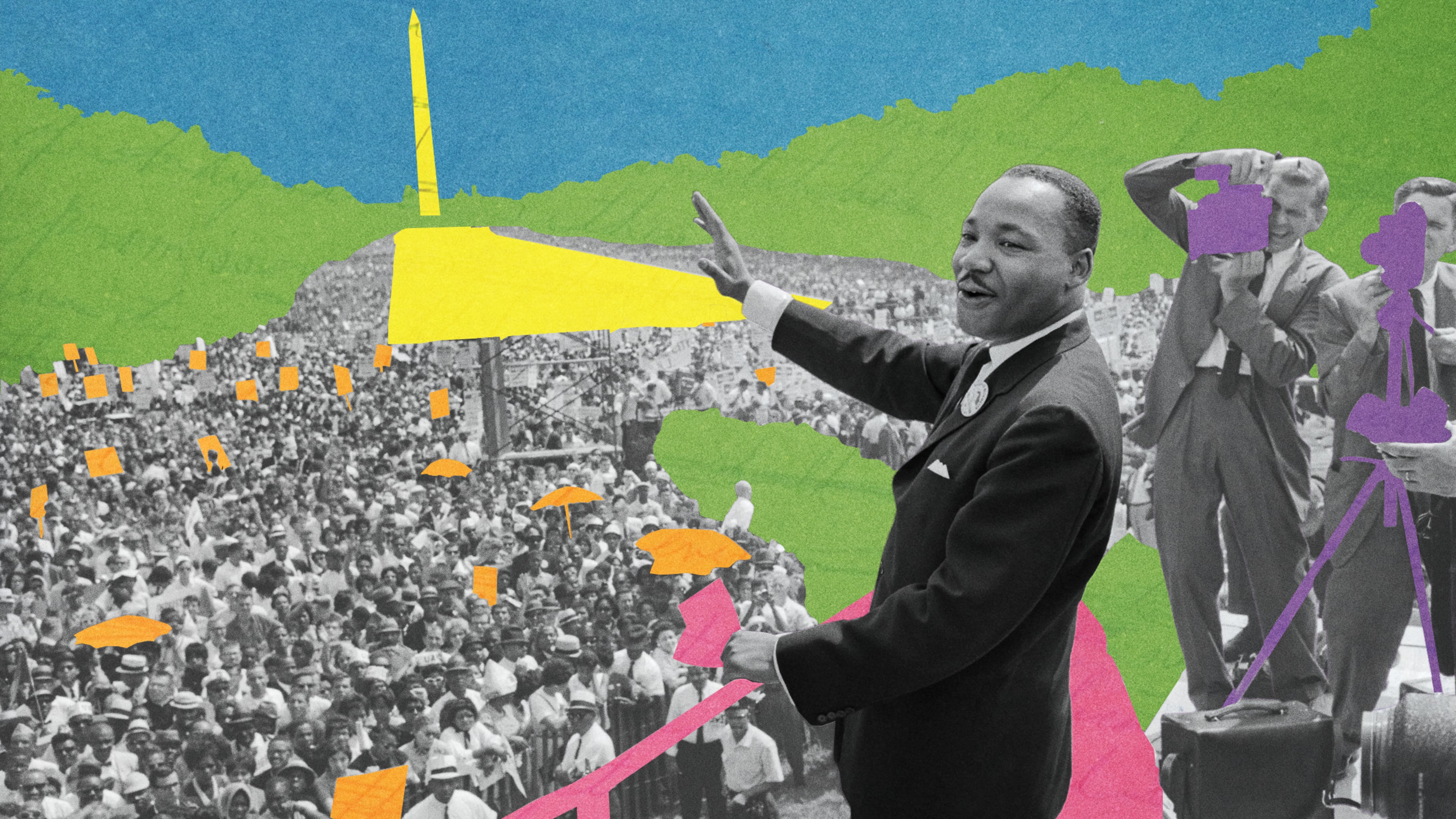
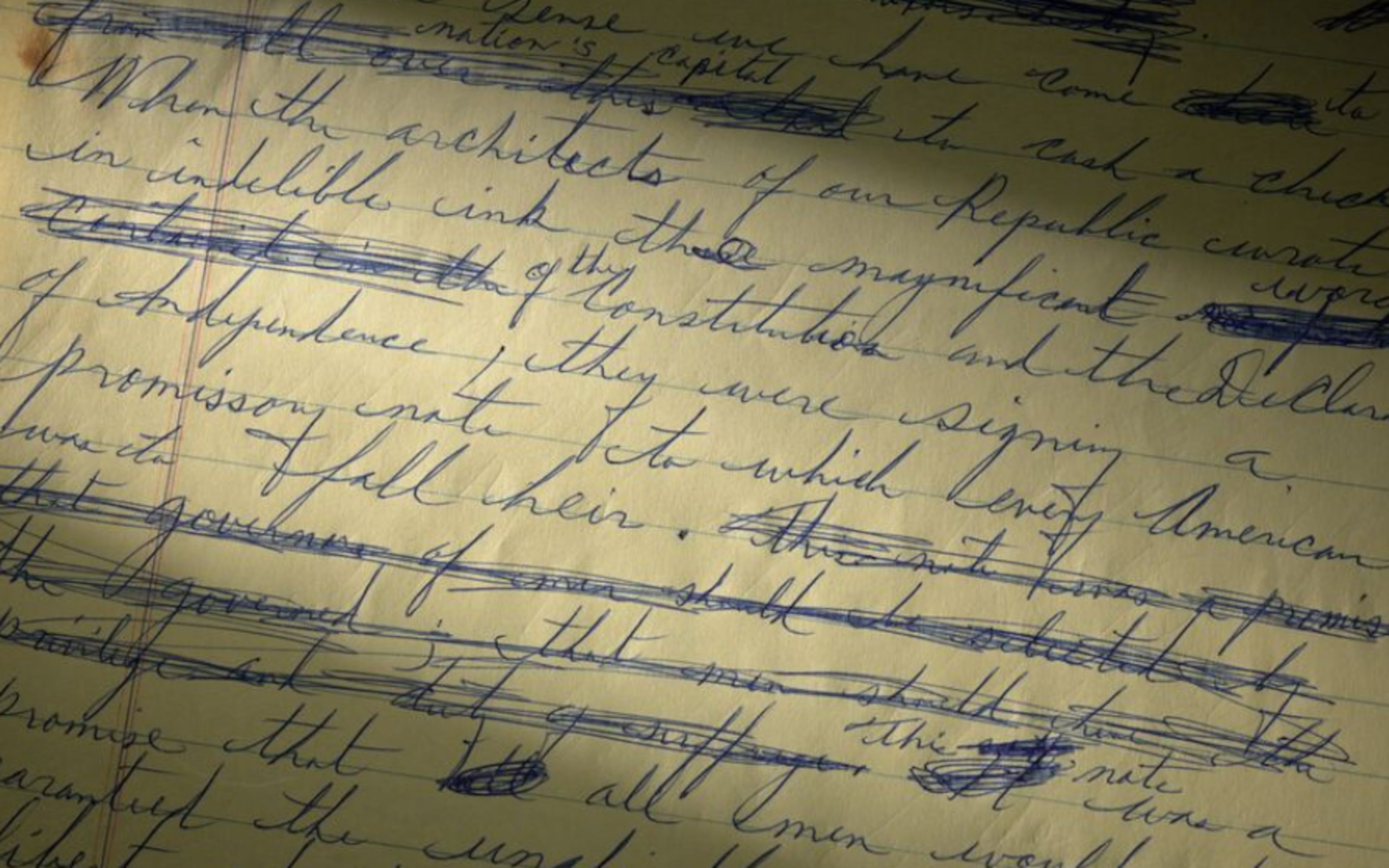
The Rev. Martin Luther King Jr. finished the draft for his March on Washington for Jobs and Freedom speech around 4 in the morning. We knew he had written a draft by hand, but no historian had ever seen it until Xernona Clayton discovered it in the desk of her late husband, Southern Christian Leadership Conference publicist Edward T. “Ed” Clayton, at his Atlanta office.
I was one of the first historians to see this document because I wrote a book about the “I Have a Dream” speech. I knew immediately what it was.
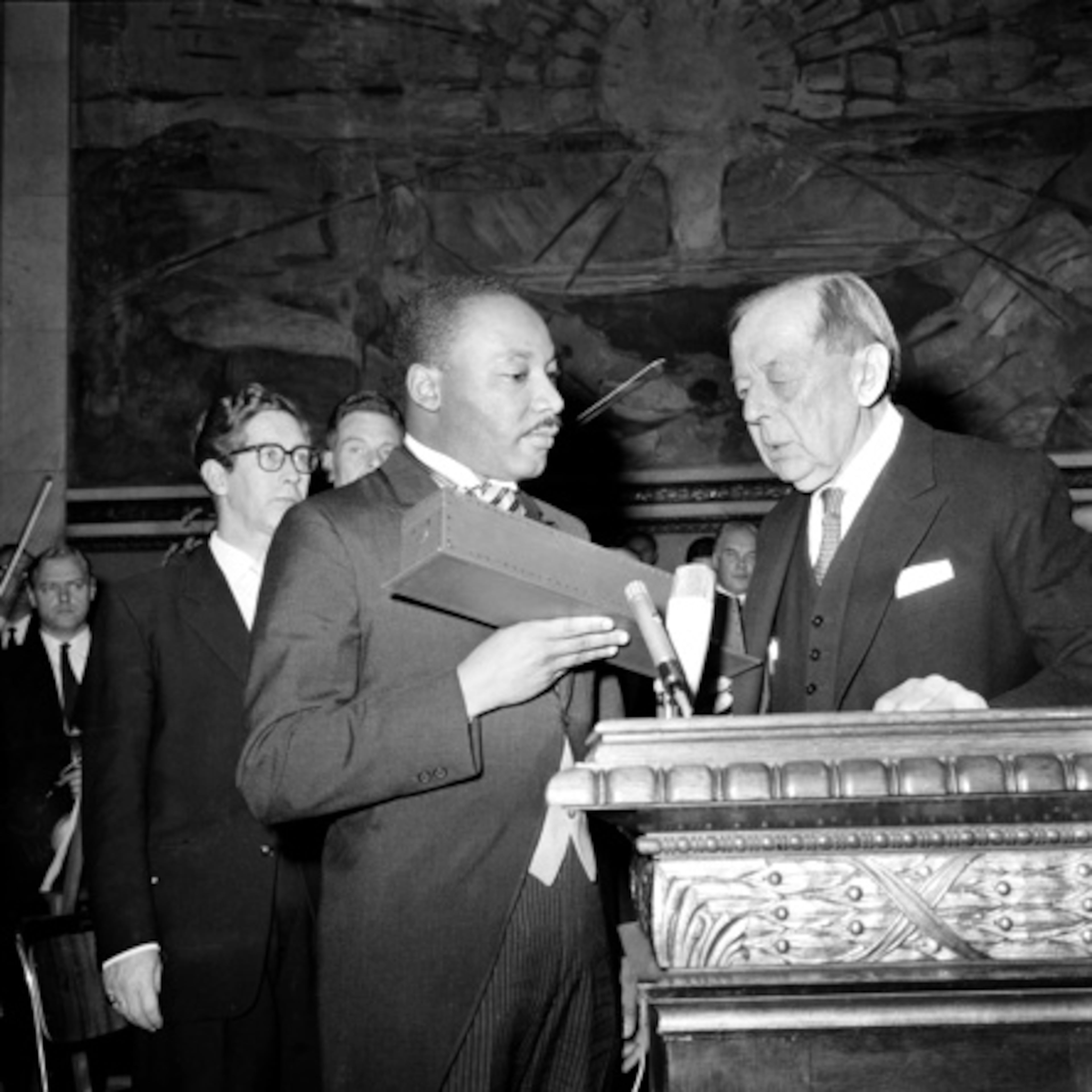
King wrote very few speeches by hand, but he took unusual care with the March on Washington speech. He started working on it a few days before, at the New York home of Clarence Jones, a lawyer and adviser. King then worked on the speech in Atlanta at the SCLC offices with Ed Clayton and then on the plane to Washington, D.C.
The night before the march, King convened his aides to talk through ideas. King finally said: “My brothers, I understand, I appreciate all the suggestions. Now let me go and counsel with the Lord.” King then went up to his suite at the Willard Hotel and outlined the speech before starting to write it out by hand.
King wrote a complete speech, then started again
This handwritten draft is almost certainly what Xernona Clayton discovered in Ed Clayton’s desk. We can tell it’s the march draft for a few reasons.
First, the speech is very close to the “advance text” the organizers made available to the press the next day. The differences are minor — King’s handwritten draft has “human captivity” where the advance text has “captivity”; King’s draft refers to the Founders writing “in indelible ink the magnificent words” of the Constitution and the Declaration of Independence, the advance text doesn’t have “in indelible ink.”
King had his secretary Dora McDonald type the speech, and the minor edits are almost certainly King’s own changes on a typewritten manuscript before it was final. (McDonald was pressing King to finish; she told him: “The press is bugging me — if I don’t get it at a certain time, I can’t type it.”)
The draft also has unusual crossings-out and edits in King’s own hand. King rarely had time to write out a complete speech. He often spoke from a few notes, an outline or nothing at all. His lieutenant, future Congressman, U.N. Ambassador and Atlanta Mayor Andrew Young, would sometimes give King a list of people to thank and a reminder of where he was, and then suggest he use what Young called King’s “modules” — King’s own ideas that he commonly used in speeches. But the Washington speech was different.
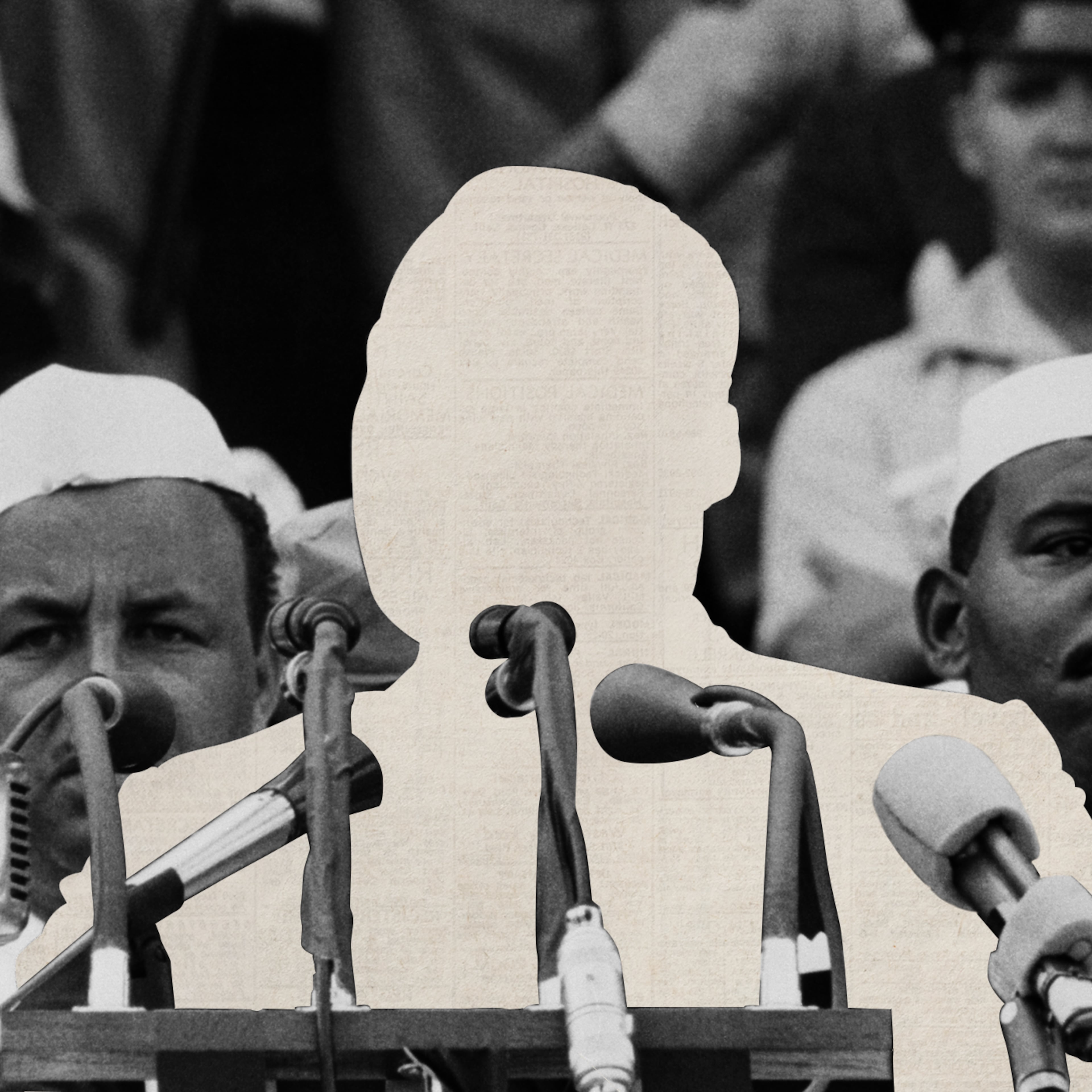
King took the time not just to write out a complete speech but to cross out words and sentences and rewrite them. When Young stopped by the hotel suite that night, he noticed King had crossed out words multiple times.
You can see this in the draft: King writes “the tranquilizing drug of” but he isn’t sure what comes next — the tranquilizing drug of what? He tries “tokenism” first, then crosses it out. He then writes “waitism” in quotation marks, but King might have realized this speech wasn’t the time to invent a word. He finally lands on “gradualism,” with the assonance to “tranquility” and he says this exact phrase — “the tranquilizing drug of gradualism” — the next day.
How King went from poet to preacher
The speech King gave started out similar to his handwritten draft. King edited a few words here and there. His draft had “shameful” crossed out and “appalling” substituted, which stayed in the advance text — but the next day he reverted to “shameful.”
King probably made some of these edits while he was listening to the long procession of singers and speakers before he gave the last speech of the day. But as he was speaking, King started to leave his prepared text. He skipped a section that started, “And so today, let us go back to our communities as members of the international association for the advancement of creative dissatisfaction.”
Before long, King left his draft entirely, improvising the speech’s most famous section, starting with: “I say to you today, my friends, so even though we face the difficulties of today and tomorrow, I still have a dream.”
As exciting as this recent discovery is, if King had simply read his handwritten draft, we wouldn’t still be talking about it decades later. King prepared diligently the night before, taking great care with each word. Young thought it looked like King was writing poetry.
But the next day he was a preacher. King spoke the most moving and memorable words, “I have a dream,” without any text to guide him, following the advice one of his advisers gave him a few days before the March: “Look Martin, you do what the Spirit say do.”
Drew Hansen is the author of “The Dream: Martin Luther King, Jr., and the Speech that Inspired A Nation” (Ecco/HarperCollins, 2003).
Send letters to the editor of 250 words or fewer with your name, city or town and contact information to letters@ajc.com.
The opinions expressed are those of the writer and do not necessarily reflect the views of The Atlanta Journal-Constitution.
IF YOU GO
- What: The seven-page draft of the Rev. Martin Luther King Jr.’s “I Have a Dream” speech.
- When: Monday, Nov. 16, to Sunday, Nov. 22.
- Where: The National Center for Civil and Human Rights, in the center’s March on Washington gallery, directly in front of footage of King delivering the speech. 100 Ivan Allen Jr. Blvd. NW, downtown Atlanta. Go to civilandhumanrights.org for more information.
- Next steps: In January, the draft will be sold at auction at Christie’s in New York.