My daughter should qualify for Georgia Promise without going to public school

Every day at our kitchen table, I watch my daughter work twice as hard as her twin brother to read the same page. She was recently diagnosed with dyslexia. We educate our children at home with a Catholic curriculum, and I chose a specialized program to help her. I have done my best with it, but she needs what I can’t give her alone: one-on-one instruction from a trained tutor. Every semester without it, she falls further behind her brother.
When Gov. Brian Kemp signed the Georgia Promise Scholarship into law, he summed up its purpose memorably: “We know it’s not the government’s role to dictate to families what the best choice is for their child. It is our job to support them in making that decision.”
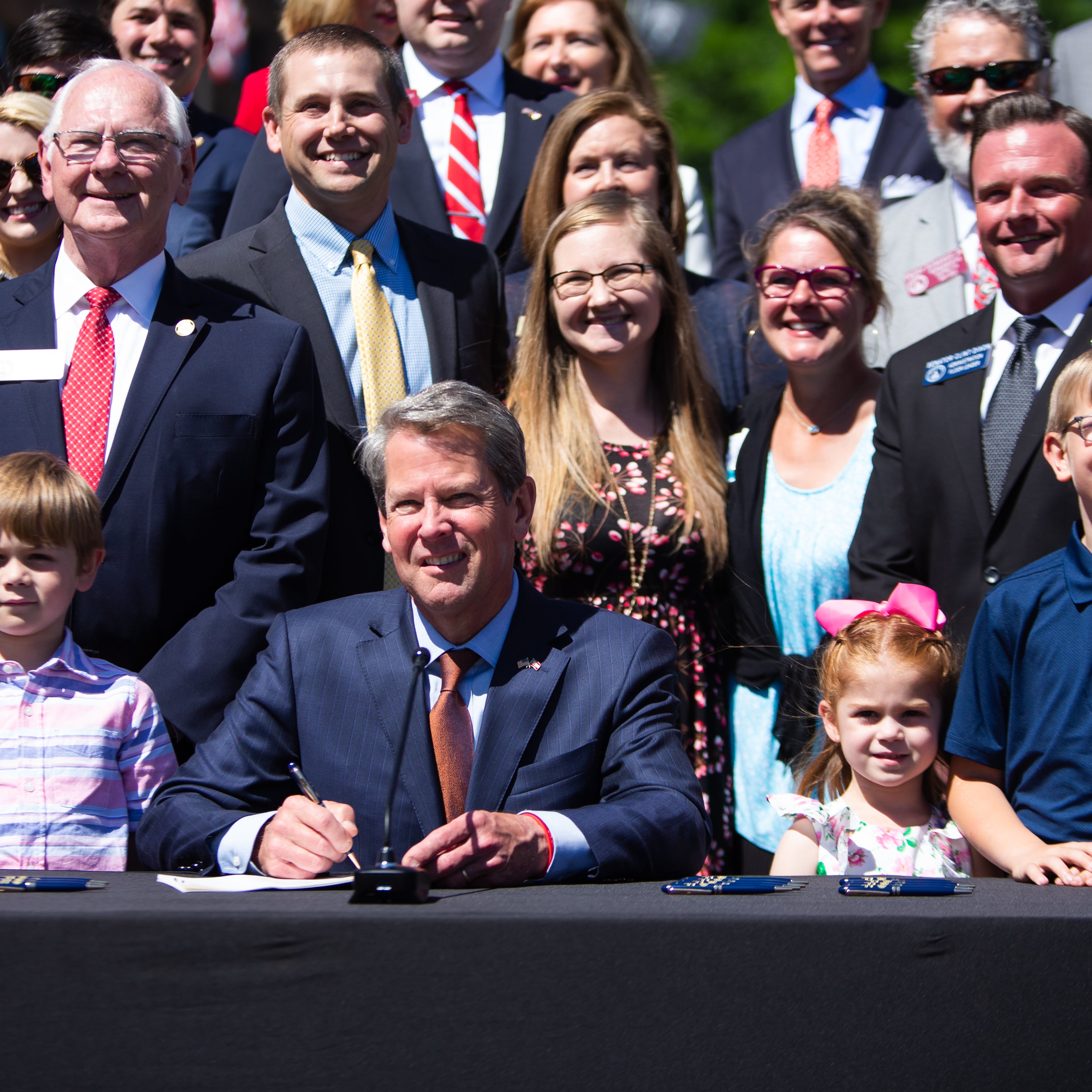
The program provides up to $6,500 per child each year for tutoring, therapies, curriculum and private school tuition. Exactly the help my daughter needs.
But there’s a catch. To qualify, a child must be enrolled in a Georgia public school for roughly a full school year. For my husband and me, that is not a small hurdle. Our Catholic faith requires us to give our children an education formed by that faith, and we cannot set it aside for a year to satisfy a paperwork requirement.
Program should not make families violate their faith
We might tolerate the incentive to set aside our religious obligations if the attendance rule applied to everyone equally. But it doesn’t. Georgia already waives the attendance requirement for rising kindergartners and for children of active-duty military families.
The state has decided some reasons for not enrolling in public school are good enough. A family’s religious obligations are not among them. We can’t understand why Georgia law would push us into an education program that violates our faith.
There is also reason to doubt the attendance rule is about rescuing children from struggling schools. The program also accepts students whose qualifying year was spent in one of Georgia’s online public schools, where a child may never set foot in a struggling school building. If a year of public coursework at the kitchen table counts, it is hard to see why a year of Catholic coursework at that same table should not.
We are not alone. Two other Catholic families are in the same position, and together we asked the courts for help.
In August, with the help of Thomas More Society, we filed a lawsuit to receive the same flexibility the state already extends to others. On Nov. 2, a DeKalb County judge declined to let our children apply while the case moves forward. We have now asked the Georgia Supreme Court to step in.
Time is the problem. The last application window for this school year closes Nov. 30. If it closes before the court acts, my daughter loses another semester. Georgia’s own leaders agree with us.

State filed brief in favor of religious freedom
Last December, Georgia was among 21 states in a brief urging the U.S. Supreme Court to hear a challenge from Catholic families and preschools in Colorado. Those families were shut out of a public program whose rules Colorado relaxed for secular reasons but not religious ones. Georgia’s brief put the principle plainly: When a state “has already demonstrated that it can make accommodations to its asserted policies, the First Amendment says that States must offer similar accommodations to religious practitioners.”
The U.S. Supreme Court heard arguments earlier this month, with Georgia again supporting the parents. We ask only that Georgia live by that principle at home.
Treating us fairly would not strain the public education budget. The Promise Scholarship had $141 million available last year, and only about $50 million was spent. Roughly 71% of participating children already use the money at private schools. Georgia pays $6,900 per child in my district’s public schools each year, and the county pays an additional $10,000. But the Promise Scholarship is only $6,500.

It’s far less to help me educate my child in the way she needs and our religion requires than to force me to send my daughter to a public school. Why would Georgia push us into a public school when it costs taxpayers almost three times as much and forces us to forfeit our First Amendment rights?
What we’re asking for is not special treatment for my family, but the same consideration already given to other families. Georgia promised to support parents in making the best choice for their children. My husband and I know what’s best for our daughter. We’re now waiting for Georgia to keep its word.
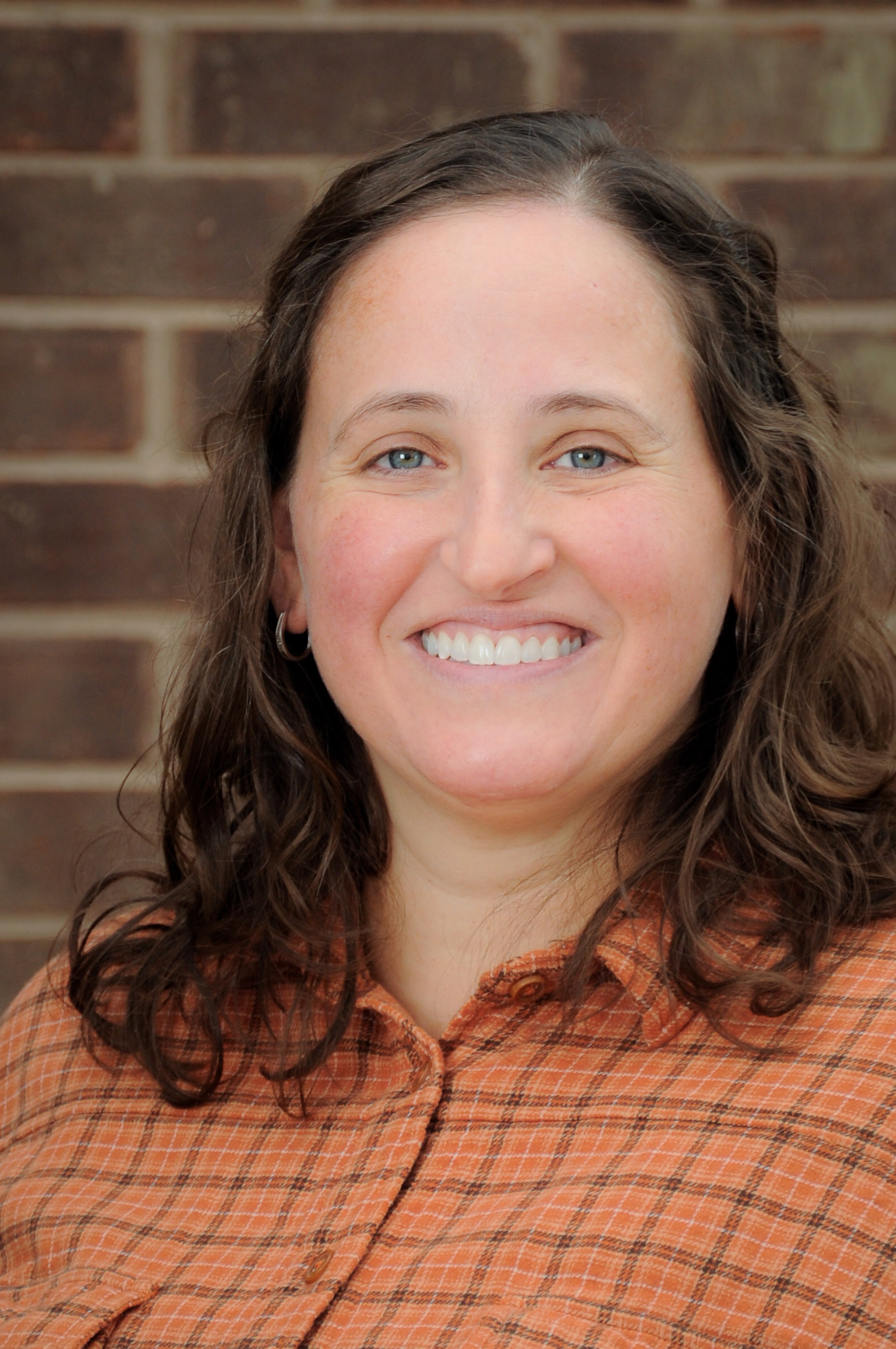
Yanellis Sands lives in North Georgia with her husband and their children. The family is represented by Thomas More Society in Tootle v. Green.
The opinions expressed are those of the writer and do not necessarily reflect the views of The Atlanta Journal-Constitution.
Send letters to the editor of 250 words or fewer with your name, city or town and contact information to letters@ajc.com.