Biomarker testing is an increasingly promising tool for diagnosing diseases

Imagine you are diagnosed with cancer. Your doctor recommends a test which could help personalize your treatment and increase your chance of survival, but your insurance company won’t cover it. For many Georgians, this is not a hypothetical scenario.
The average lifetime risk of developing cancer is nearly 40%, meaning millions of people across our state will face a cancer diagnosis at some point in their lives. This also means that a significant number of Georgians may one day need biomarker testing.
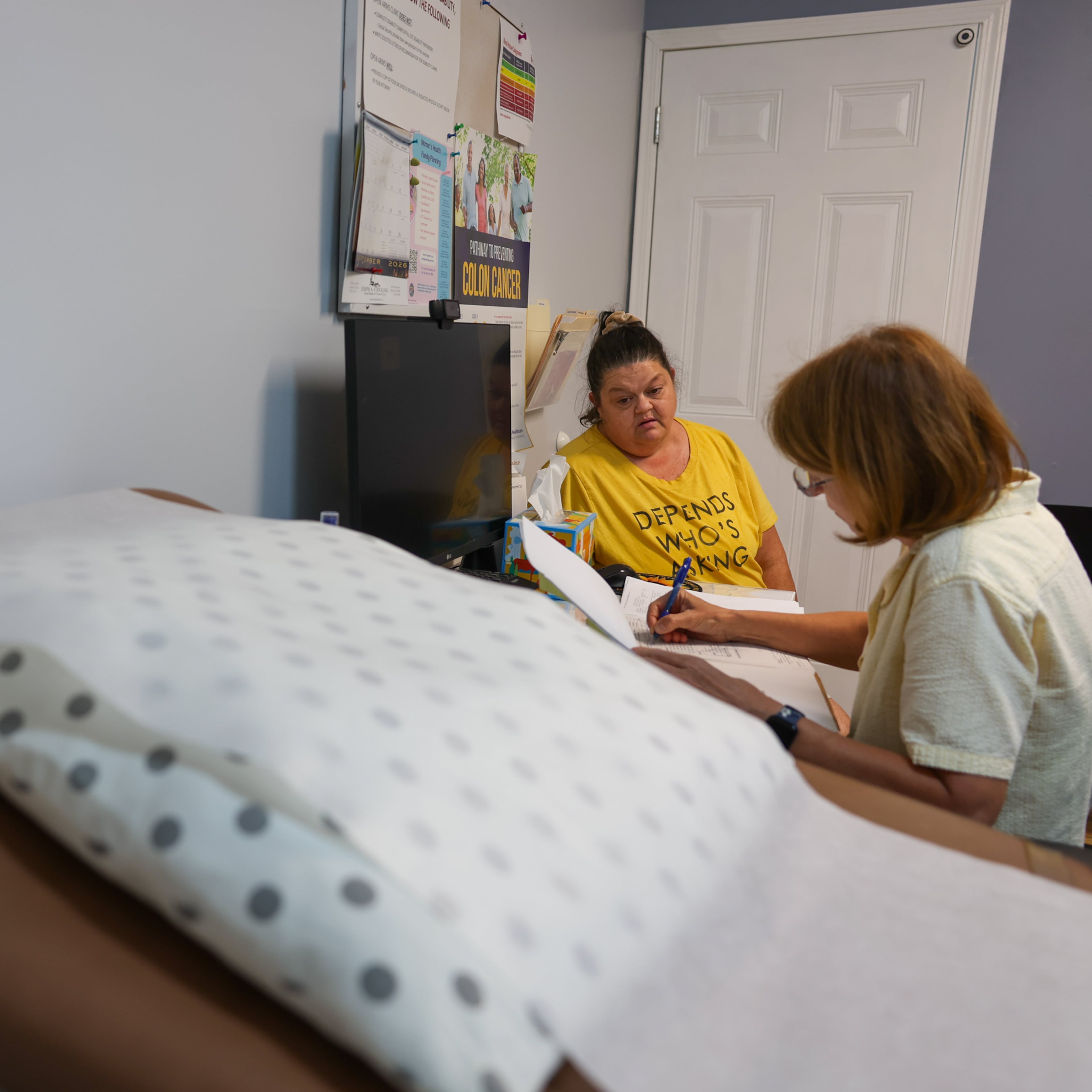
However, it is likely that the ability to receive this important testing will hinge directly on whether insurance is willing to cover it.
Understanding biomarker testing is not just about science, it is about opportunity. When you know what biomarker testing is and why it matters, you are better equipped to advocate for your care and explore treatment options.
Advances should be accessible to all patients we serve

Biomarker testing is a laboratory method that uses tissue, blood, or other body fluids to identify specific molecular markers associated with various diseases. While this may seem like a recent innovation, the first biomarker was actually discovered in 1847.
Today, these tests play a critical role in modern medicine, particularly in oncology.
They help physicians assess a patient’s risk for certain cancers, understand the unique characteristics of a patient’s cancer, and develop personalized treatment plans.
Rather than relying on a one-size-fits-all approach, biomarker testing allows providers to identify which therapies are most likely to be effective and may offer little benefit. As a result, it has become a standard component of treatment planning.

The value of biomarker testing also extends far beyond cancer.
Advances in medical research have shown biomarkers can be used to diagnose and monitor Alzheimer’s, evaluate traumatic brain injuries in children, diagnose heart attacks and heart disease, and guide treatment for a growing number of conditions.

As healthcare moves toward “personalized medicine,” biomarker testing is becoming an increasingly promising tool for helping clinicians deliver the best possible care for each patient — positively impacting the diagnosis and treatment of multiple diseases.
As healthcare providers, this is why we have a vested interest in ensuring that these advances are accessible to all the patients we serve.
Biomarker testing can help clinicians identify disease earlier, stratify risk, guide treatment selection and improve outcomes.
Yet these benefits are only meaningful if patients can actually access the testing they need.
Expanding and protecting access is a key investment

While Georgia has taken an important step by requiring insurance coverage for biomarker testing, meaningful gaps remain. Many state insurance mandates do not apply to Medicare beneficiaries or individuals enrolled in self-funded employer-sponsored plans governed by ERISA, limiting these protections.
Even when your right to access biomarker testing is protected by law, insurance companies have been reluctant to cover biomarker testing in many cases over technicalities.
This means that many patients may face barriers which delay diagnosis, increase costs, and reduce access to life-saving therapies, leading to worse health outcomes, especially for patients with limited access to resources.

Ultimately, a biomarker test cannot improve outcomes if patients do not have access to it. This is a large-scale healthcare access problem that could impact anyone’s health, including yours. Expanding and protecting access to biomarker testing is an investment in earlier diagnoses, more effective treatments, and better outcomes.
The first step of protecting access to something is knowing it exists. Right now, too many Georgians will only learn about biomarker testing on the worst day of their lives and will hear that the test which could guide their treatment is being denied by insurance. That has to change, and it requires creating a system where your access is guided by need, not circumstance.
- Jasmin Gillespie is a medical student at Philadelphia College of Osteopathic Medicine (Georgia) and a member of Health Students Taking Action Together.
- Supriya Jain is a medical student at Emory School of Medicine and a member of Health Students Taking Action Together.
- Madison de los Reyes is a fourth-year medical student at Emory University School of Medicine.


Contributing writers: Megan Blasberg is an Atlanta native, a Georgia medical student and director of Health Students Taking Actions Together GA’s Street Medicine Program. Hridith Sudev is an onco-epidemiologist, founder of the Colorado-based nonprofit Colectivo de Paz and the president of Health Students Taking Actions Together Georgia. He is a doctoral candidate at Mercer University.
Send letters to the editor of 250 words or fewer with your name, city or town and contact information to letters@ajc.com.
The opinions expressed are those of the writer and do not necessarily reflect the views of The Atlanta Journal-Constitution.