Georgia schools are missing this factor in the chronic absenteeism fight
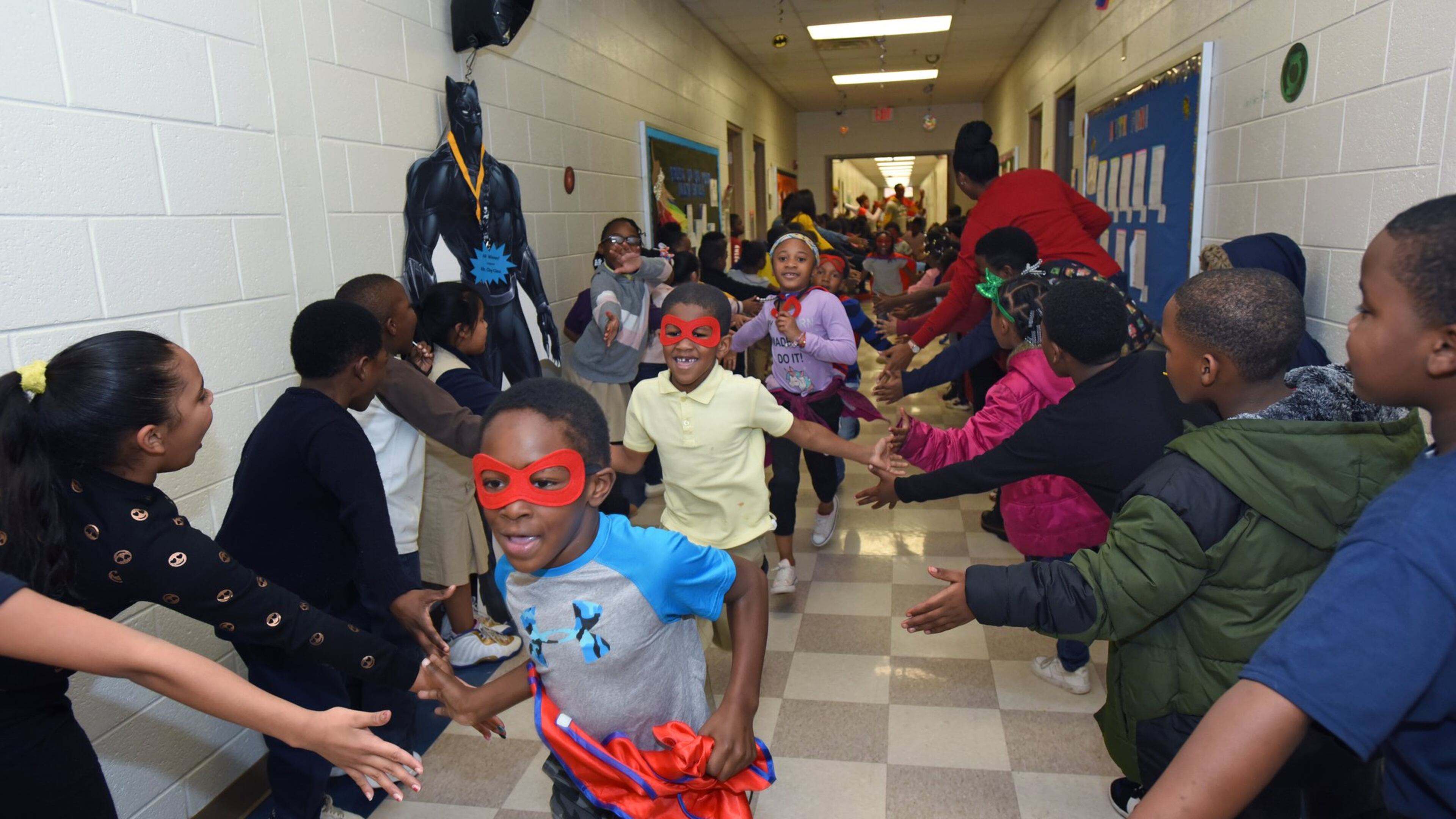
When students miss school repeatedly, the root causes are often personal and complex. The fight against chronic absenteeism starts with a basic question: What makes a student want to come back tomorrow?
In Georgia, chronic absenteeism — generally defined as missing 10% or more of the school year, or about 18 days — remains one of the most persistent challenges facing our schools.
Nationally, chronic absenteeism surged during the pandemic, reaching roughly 31% of students in 2021-22, and remaining at 28% the following year.
Missing even a few weeks of class is associated with lower academic achievement, greater disengagement from school and an increased risk of not graduating on time.
Nearly one in six Georgia public school students was chronically absent during the 2025-26 school year. In parts of metro Atlanta, the problem is even more severe. While the numbers have improved, they remain well above the pre-pandemic rate.
Students need adults who see them as whole people
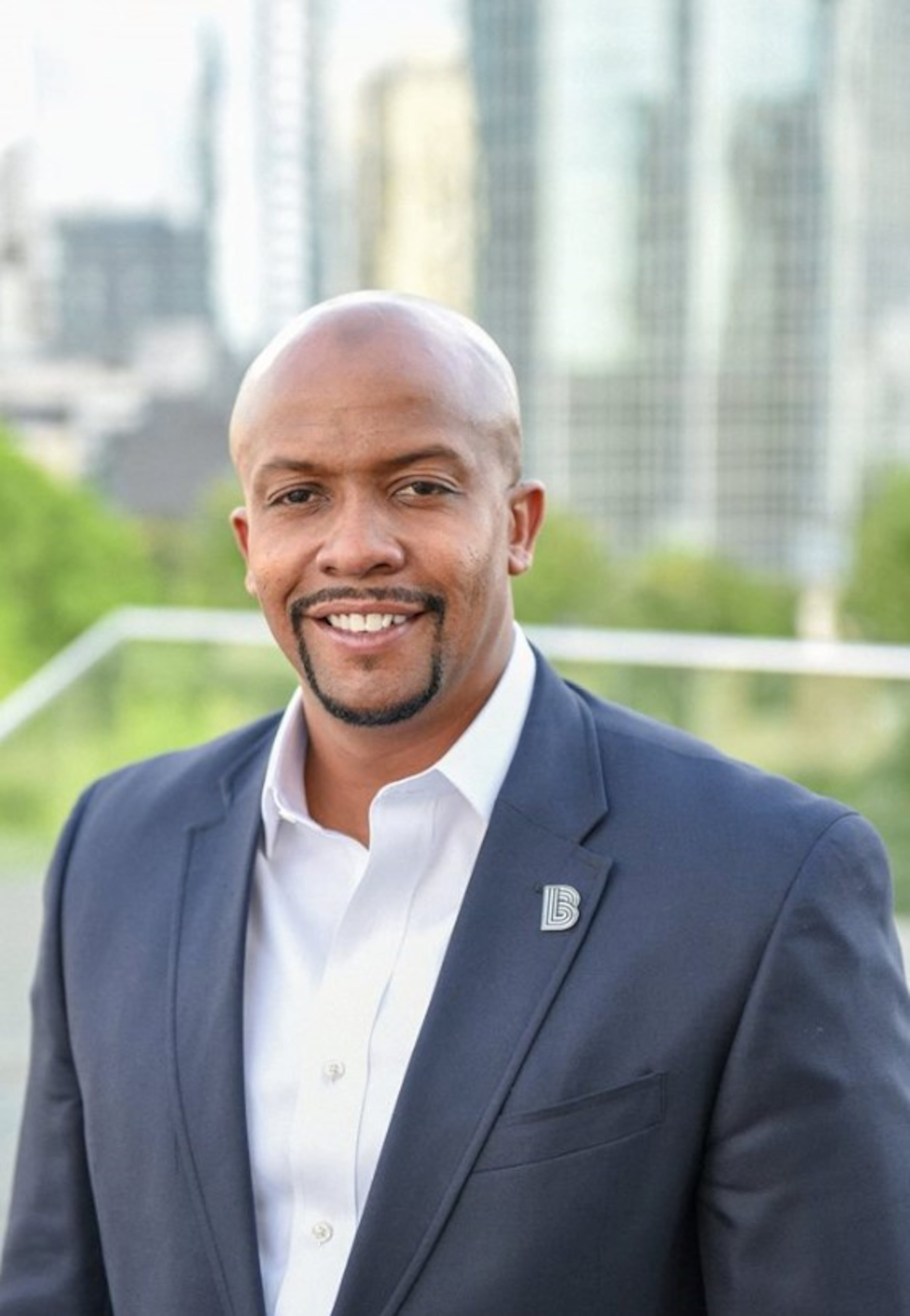
I’ve worked with young people my entire career. More than 20 years of experience have taught me that absenteeism is rarely just about a student deciding not to go to school. The hurdles these kids face are very real — transportation, physical and mental health, family circumstances, housing instability — and schools and communities are already working hard on those.
But there is another piece:
Belonging.
Does a young person feel connected to an adult who knows them as a whole person beyond the classroom? Someone they can trust, someone they can talk to, someone who understands their circumstances and reinforces that their presence matters?
If we want to change the trajectory for our students, we have to look at that human element. For some students, that means having one more trusted adult in the school who checks in consistently and helps them stay connected.
For more than six decades, Big Brothers Big Sisters of Metro Atlanta has built its work around professionally supported, one-to-one mentoring relationships between young people and caring adults.
Coming out of the COVID-19 era, principals were reaching out to me from all over metro Atlanta. Students were returning to class as schools reopened, but there was a noticeable shift. Many were struggling to reconnect. Schools looked at Big Brothers Big Sisters and the work that we’ve done with youth mentoring, and they asked, “How can you help us ensure that every child in our school has access to a mentor?”
But what the principals were asking us was something much bigger: Could we take what we knew about mentoring and bring it inside the school day, at the scale of an entire grade or school?
Data shows Level Up moves the needle in the right direction
In response, we created something entirely new: Level Up. With Level Up, for the first time, we hired and trained mentors to go into the school and work with students during the school day. What started as a lean pilot in a handful of grades in Atlanta Public Schools has grown — and the impact has exceeded our expectations.
During the 2025-26 school year, Level Up served nearly 1,500 students at six partner schools in Atlanta Public Schools, DeKalb County School District and Clayton County Public Schools. Among 396 students at four schools who completed three consecutive years of the program, total days absent fell 36.5% and out-of-school suspension incidents dropped by two-thirds from year two to year three.
At Lithonia Middle School, where we served more than 500 students, the chronic absenteeism rate for Level Up participants was nearly half that of the schoolwide rate.
The data tells us we’re moving in the right direction. What started as a pilot in Atlanta has grown beyond our city. Today, we’re helping Big Brothers Big Sisters affiliates in other major cities learn how to implement embedded, school-based mentoring in their own communities.
The lesson from Level Up isn’t that one program alone can solve absenteeism. Rather, it’s that sustained mentoring relationships aren’t a luxury. They are a vital resource and should be considered alongside other strategies schools use to promote connection and improve attendance.
We count missed days. It’s harder to measure whether a student feels they belong. If we genuinely want to keep driving chronic absenteeism down across Georgia, part of the solution is making sure more young people feel known, supported and connected to a trusted adult at school.
When we talk about chronic absenteeism, we spend a lot of time asking why students aren’t showing up. We should also be asking: What — and who — gives them a reason to?
Kwame Johnson is the president and CEO of Big Brothers Big Sisters of Metro Atlanta, which provides mentoring programs to young people across metro Atlanta and the Chattahoochee Valley.
Send letters to the editor of 250 words or fewer with your name, city or town and contact information to letters@ajc.com.