Georgia flinched on gerrymandering, but redistricting shouldn’t be rushed
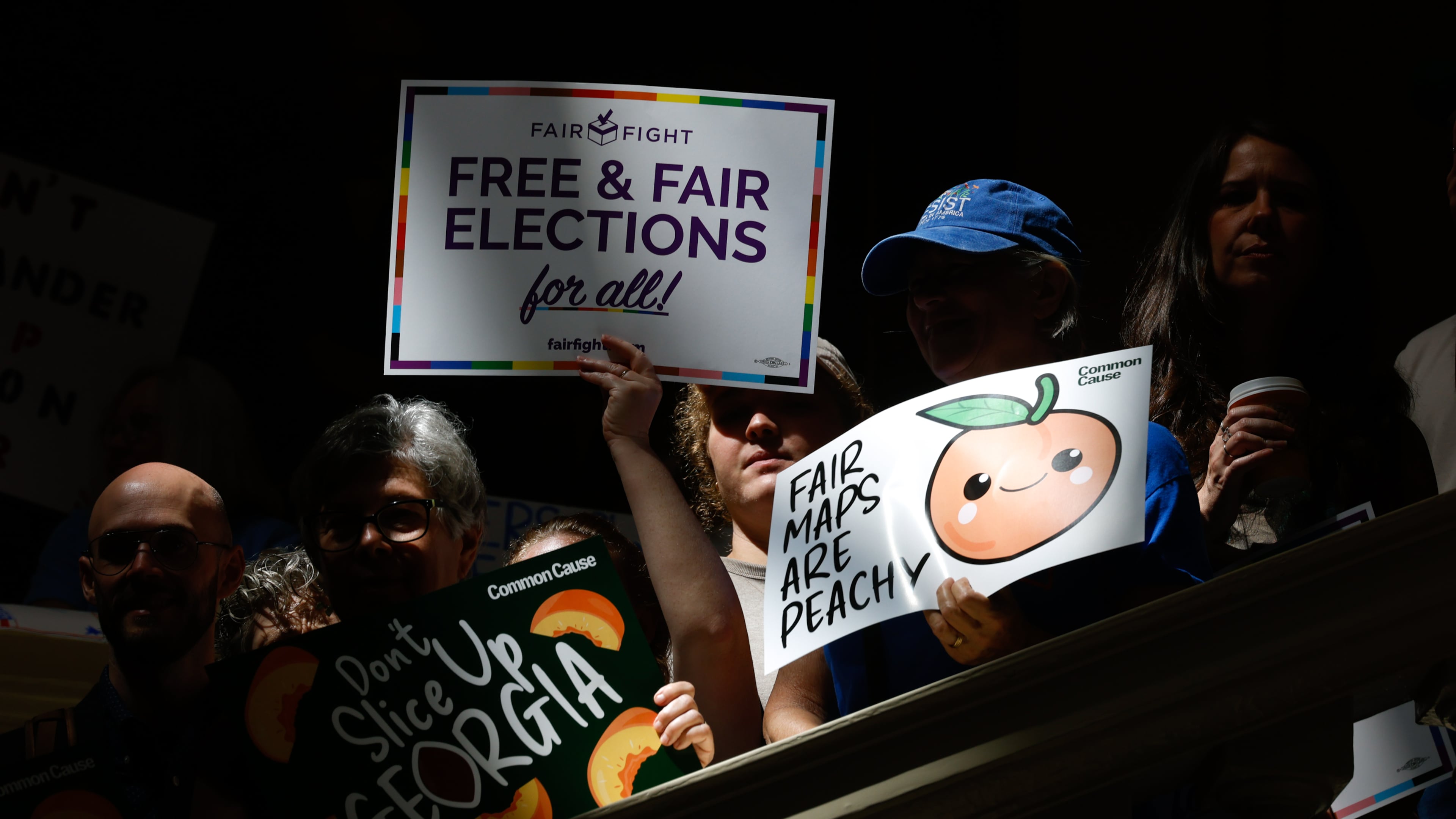
The gerrymandering fever infecting the nation managed to break in a few states — Indiana, South Carolina and now Georgia.
On Wednesday, responsible lawmakers in the Republican-dominated Georgia General Assembly concluded that hastily redrawing congressional and legislative districts was a really bad idea.
The decision — announced by House Speaker Jon Burns at the start of a special legislative session, which Gov. Brian Kemp called, in part, to redraw maps for the 2028 elections — amounted not to an act of altruism but to a political calculation.
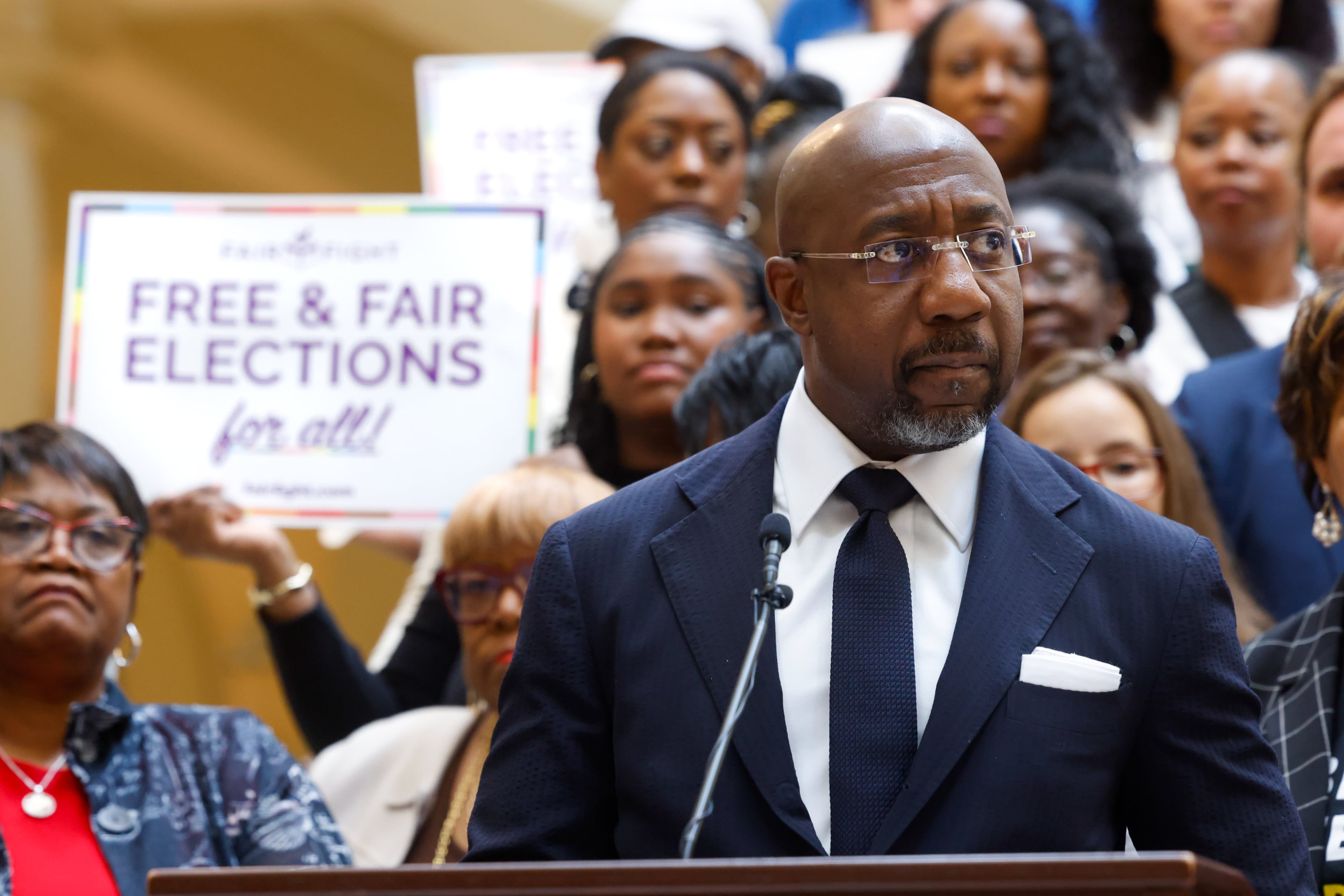
The mounting pressure of voting rights advocates sounding the alarm on the potential dilution of Black political power, the rising unpopularity of President Donald Trump who started the gerrymandering charge in Texas last year and the realization that Democrats would use this power grab for political advantage in the November midterms were at play.
Decisions in a democracy should be deliberate
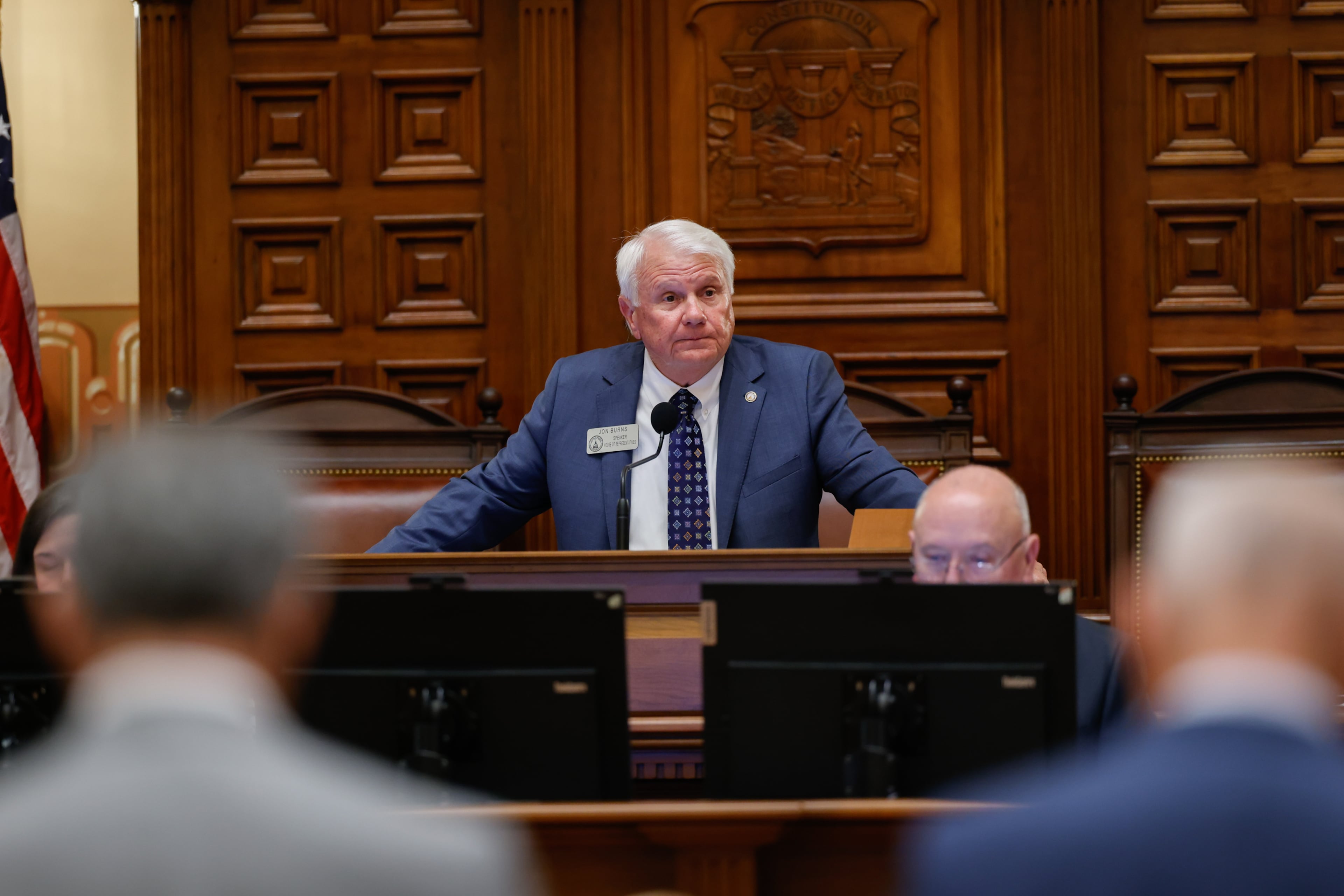
In a letter to Kemp, Burns wrote: “Changes to Georgia’s maps should take place only when members of the General Assembly and citizens have been given ample opportunity to gather the facts, provide input, and engage in meaningful discussion.
“For this reason, we will not be taking up congressional or legislative redistricting for the 2028 election cycle during this special session,” he added.
Give citizens ample opportunity. Gather facts. Provide input. Engage in meaningful discussion.
This is precisely how a decision as consequential as redrawing maps for political representation should be.
Decisions in a democratic republic should be deliberate.
But that’s not what has been happening in states such as Alabama, Florida, Tennessee and Louisiana, in which legislatures rushed to amend congressional maps following the Supreme Court’s April 29 Louisiana v. Callais decision to gut the Voting Rights Act by ruling that the drawing of race-based lines was an unconstitutional racial gerrymander.
The Callais ruling gave these Southern states cover to rush their process, limiting the ability of citizens to get the facts, provide input and engage in meaningful discussion.
The new maps in my former home state of Tennessee are particularly egregious, trading relatively compact districts for maps that now resemble snakes slithering across the state. District 5, for example, links the Memphis area with Franklin, just south of Nashville — about 200 miles away. That is like creating a district that stretches from Atlanta to Savannah.
This kind of gerrymandering disservices and disenfranchises citizens in neighboring communities that simply want fair and quality representation.
Put voters over political manipulation
While Democrats in states such as California and Virginia have also pushed new maps, they asked their voters in referendums that required campaigning, convincing and conversation.
Both referendums passed, but Virginia’s was struck down by the courts.
Republicans in Indiana and South Carolina rejected attempts to redraw maps for the midterms. In the former, five of eight GOP lawmakers who voted no suffered losses in their primary elections because Trump actively campaigned against them.
The kind of politics that chooses vengeance and vendettas over defending the rights of citizens is plain wrong.
Historically, the pendulum has swung in American politics based on voter preferences.
What is happening now is manipulation of the process that puts political parties’ preferences over the voters.
Throughout the nation’s history, enfranchisement and disenfranchisement has been a theme especially as it involves Black voters.
The Southern states that moved hastily brushed over the history of Jim Crow laws and racist violence that made protecting the rights of Black voters necessary.
The Civil Rights Act, the Voting Rights Act and constitutional amendments such as the 24th, which abolished poll taxes, rectified the abuses of the past.
But the Supreme Court’s Callais ruling proved to be a step backward.
Citizens should not sit idly by when politicians or judges want to strip them of their power. They need to reclaim their power, and they showed that is possible in Georgia.
This issue may come back after midterm elections, but the pressure to ensure fair representation must continue.
David Plazas is the AJC’s opinion editor. Email him at david.plazas@ajc.com.