Smoke over Atlanta signals a Georgia forest story you might not know
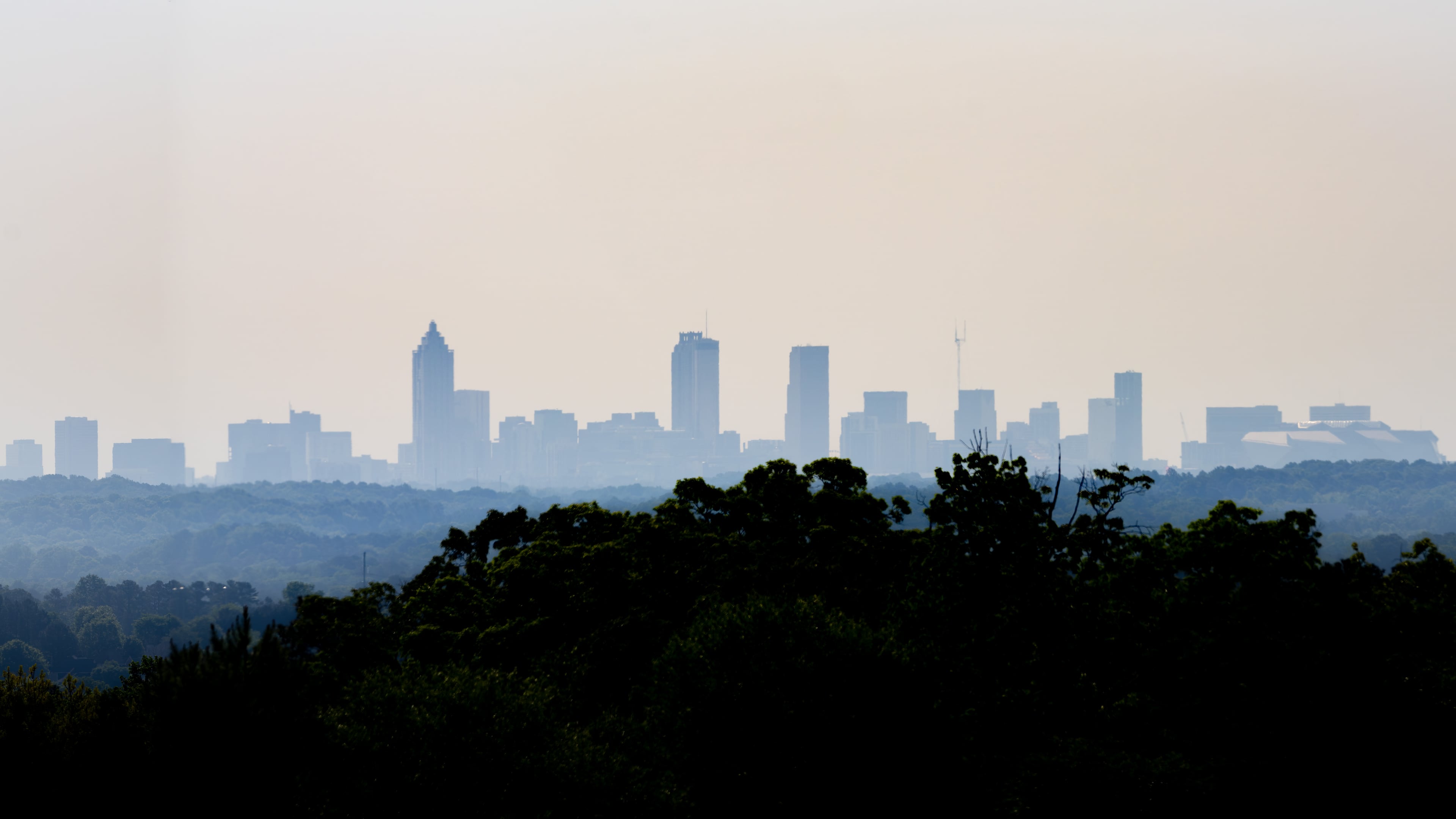
The sky over Atlanta recently had the wrong color for spring. A yellow haze hung over the skyline. The reason was impossible to miss. That smoke 250 miles to the south signaled issues for all Georgians.
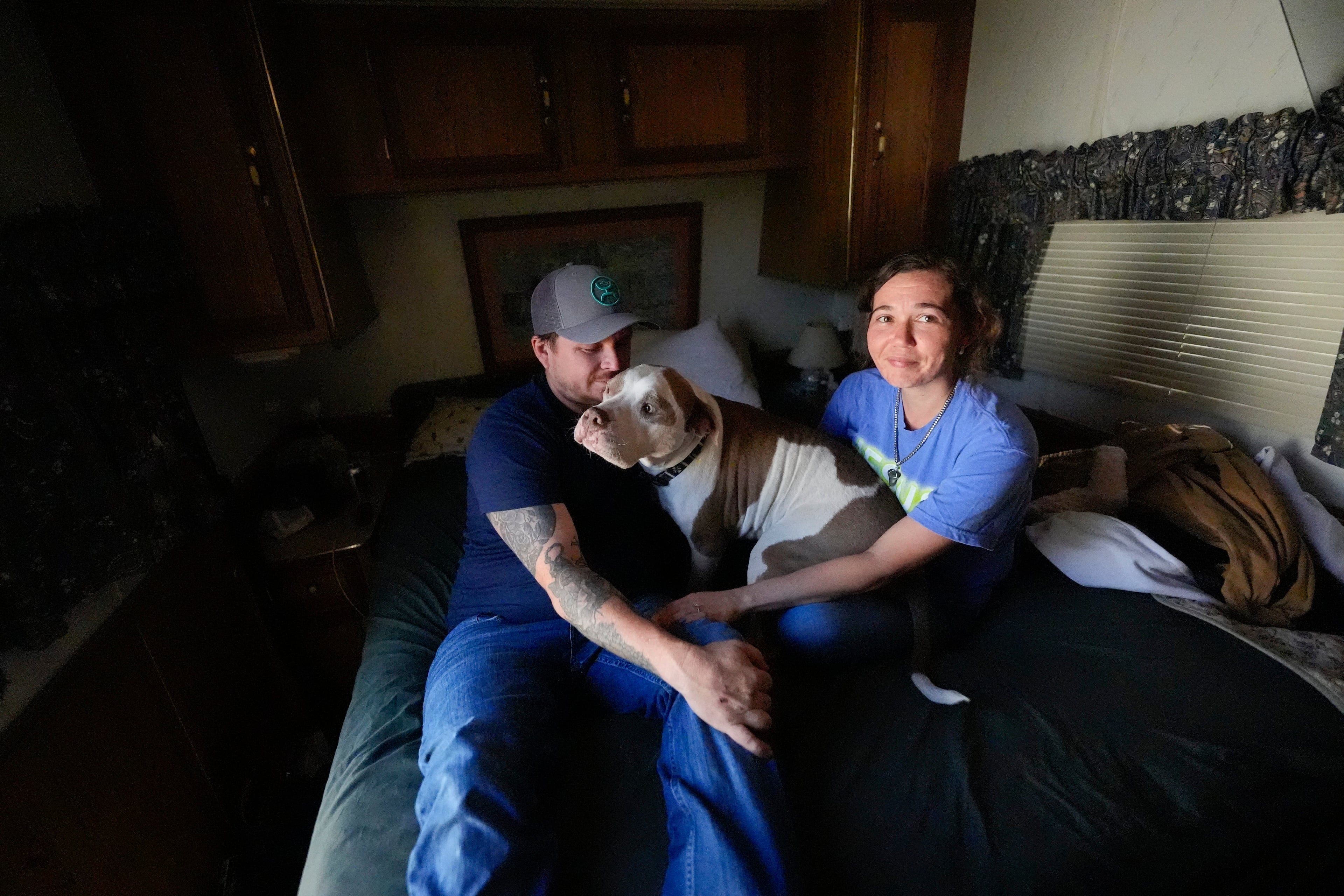
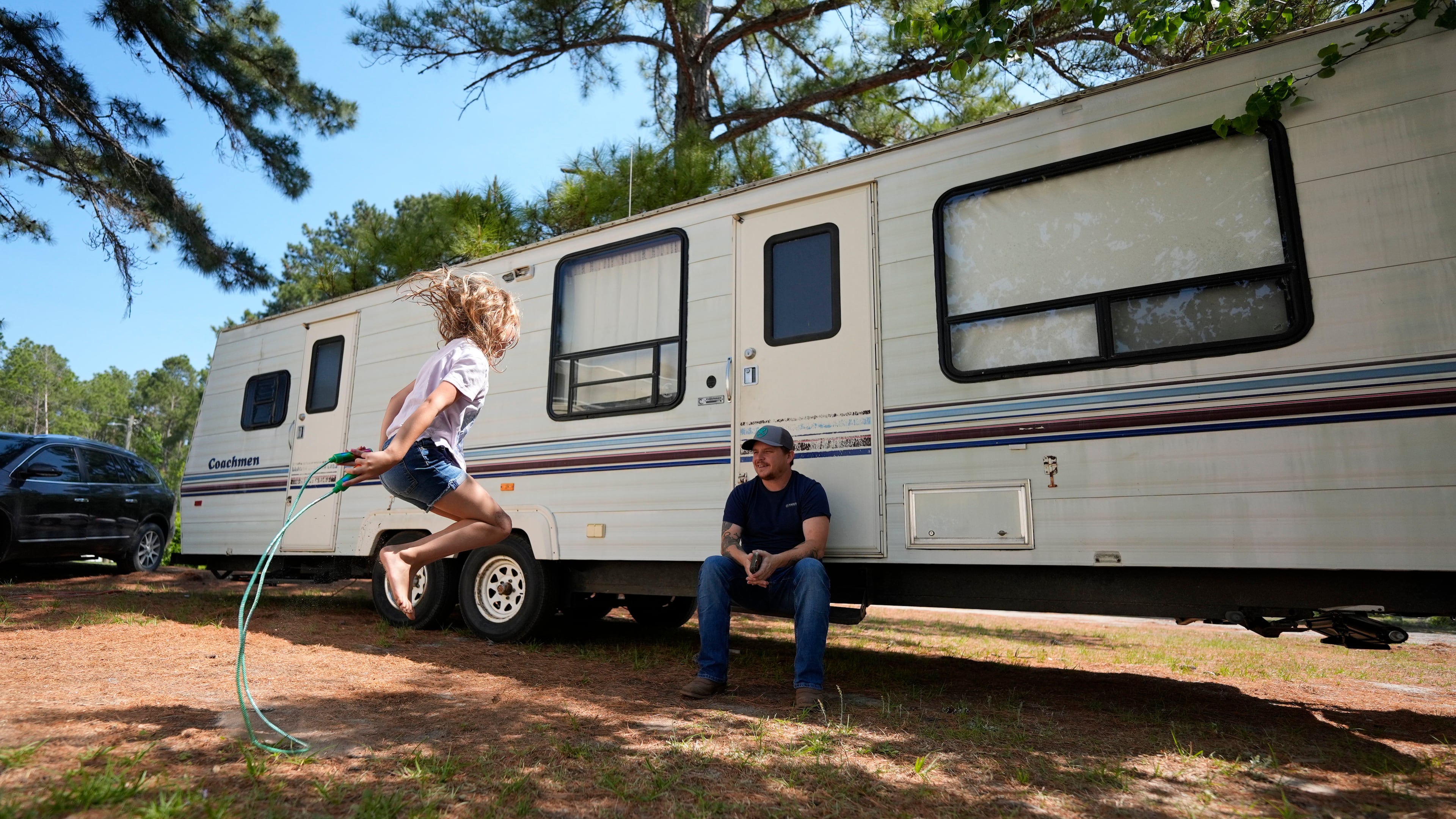
Georgia is living through one of the worst wildfire weeks in our state’s modern history. The Pineland Road fire in Clinch and Echols counties has burned thousands of acres. In Brantley County, the Highway 82 fire has torn through more than 100 homes.
Smoke reached Atlanta because Georgia is in drought, wetlands are dry and hurricane debris has created fuel.
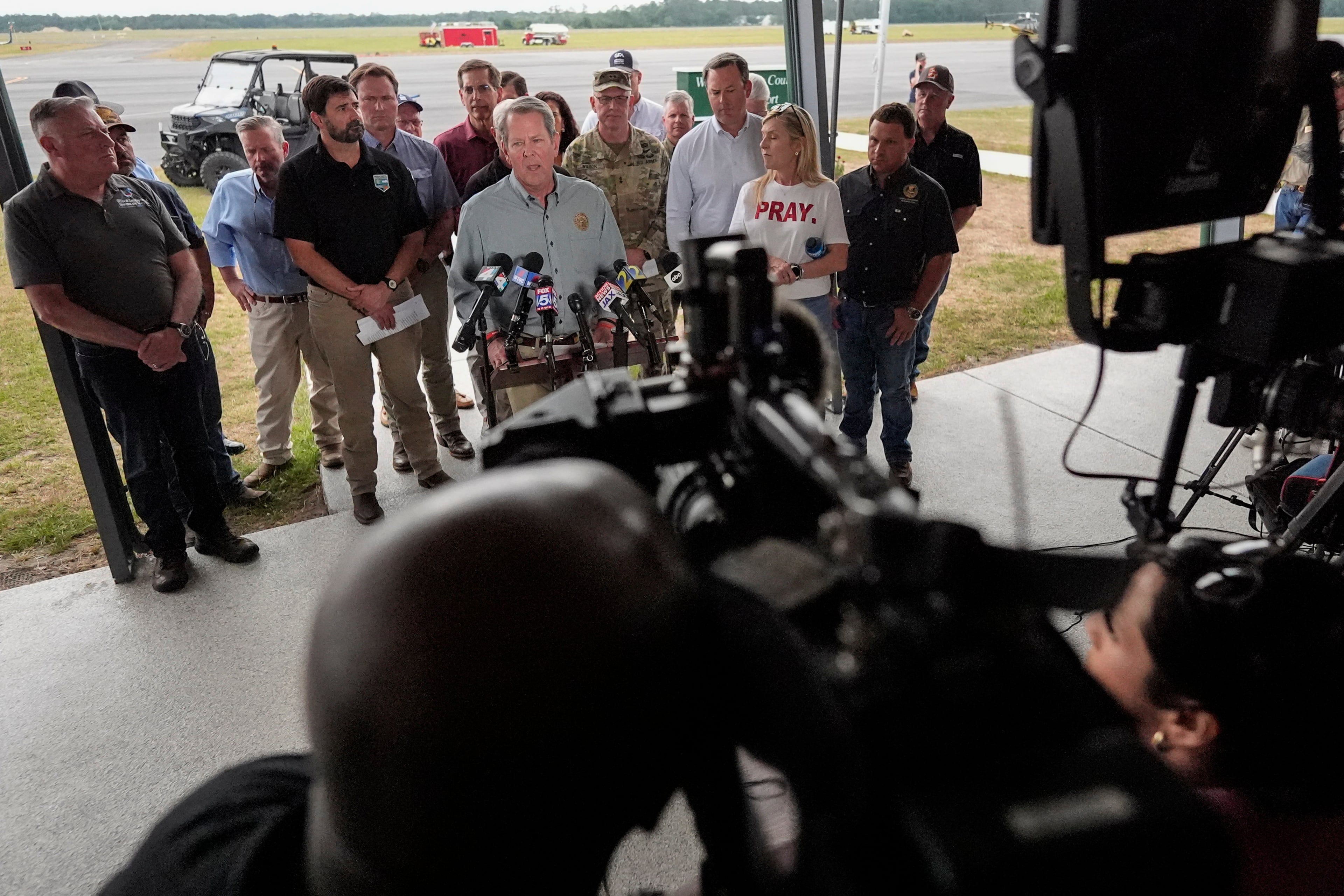
In dry, windy weather, fires spread fast. This prompted the Georgia Forestry Commission to issue an outdoor burn ban, and Gov. Brian Kemp declared a state of emergency.
Areas are still recovering from Hurricane Helene
Georgia is prepared. A healthy forest is a managed forest: prescribed burns, thinning and firebreak maintenance, and replanting after harvest. Reduced fuel loads improve firefighting odds.
Under Kemp and with bipartisan support from the General Assembly, the state has invested in GFC firefighting — raising wildland firefighter pay; modernizing dozers, plows, radio communications systems and suppression equipment across every county unit; and expanding training for the multiagency response this week has demanded.
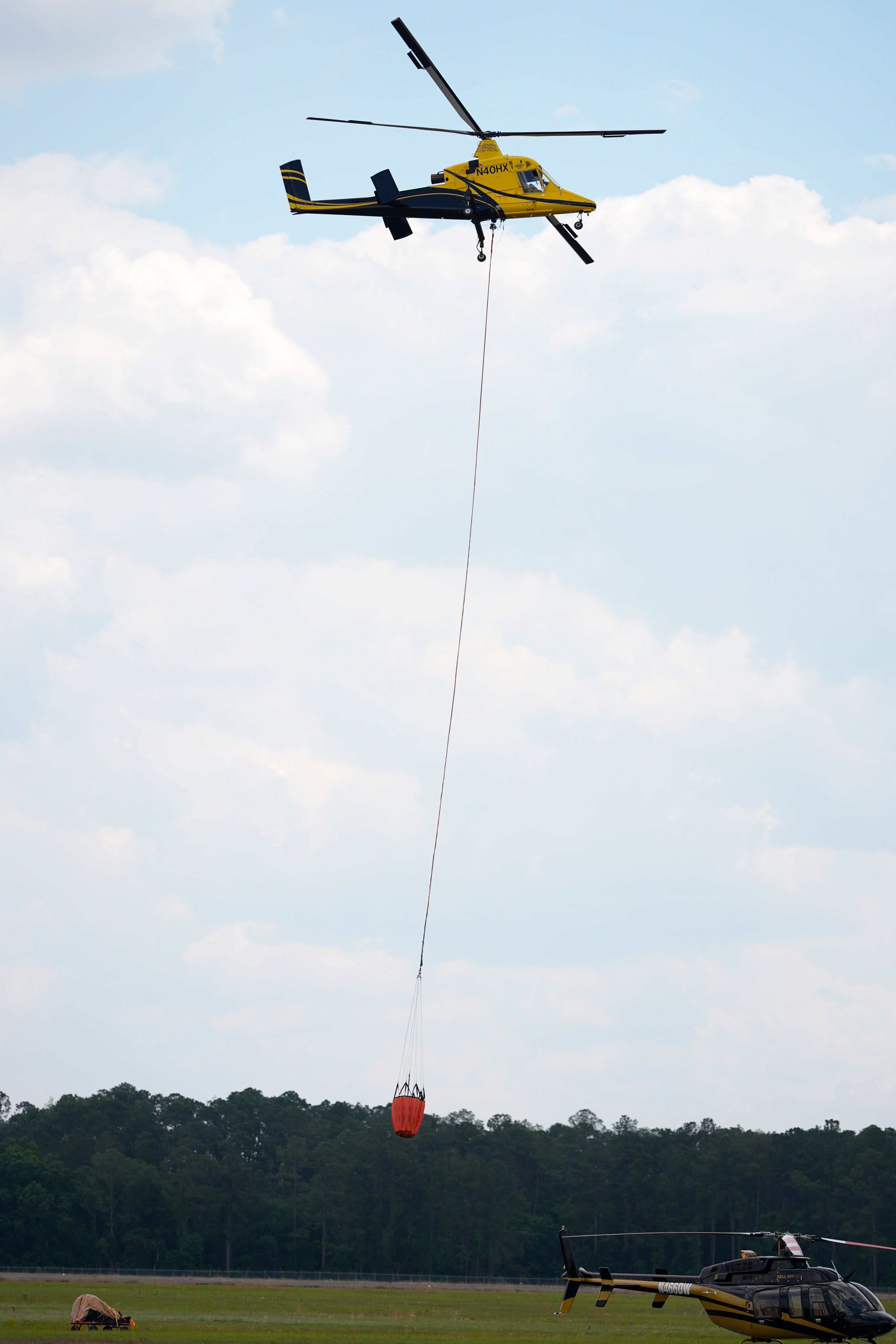
That investment is showing up on the fire lines. More than 72 units of heavy equipment and aerial support, and 184 personnel are working the Pineland Road fire. Helicopters are flying water drops. GFC rangers are on two-week rotations, shoulder-to-shoulder with Department of Natural Resources crews, Georgia State Patrol aviation, the Georgia National Guard and timber-company firefighters.
The firefighters are defending places where forestry is the economy. Georgia is the No. 1 forestry state in the nation. Working forests support more than 140,000 jobs and contribute $59 billion annually to our state’s economy, across 22 million acres — 90% of them owned by families, farmers and landowners.
These forests filter the air we breathe, protect watersheds that supply our drinking water and provide habitat for the wildlife that defines our landscape. The loggers, truckers, mill workers and volunteer firefighters nearest the flames are the same people who plant, tend and harvest that land the other 51 weeks of the year.
These communities have been stretched thin. Hurricane Helene caused $1.28 billion in damage to Georgia’s forest sector, and recovery remains underway. In the past year, three of the region’s largest wood-products manufacturers have shuttered Georgia facilities in Savannah, Riceboro and Cedar Springs. Those closures cost thousands of jobs and stripped the market for the smaller-diameter wood that forest management produces.
When there is nowhere to sell that material, the economics of thinning and prescribed burning get harder for families who own these forests. Over time, that changes what stays in the woods. In a year like this, what is left becomes fuel.
Forestry industry affects Atlanta directly

Georgia isn’t sitting still. Industry, universities and the state are working to build the markets that forest management needs. The Georgia Forestry Foundation’s Mass Timber Collective is encouraging Georgia-grown wood in modern construction. The Georgia Department of Agriculture’s Georgia Grown Wood Products initiative is strengthening in-state demand.
Led by Georgia Tech’s Renewable Bioproducts Initiative, the state’s $8.9 million investment in the Georgia Forestry Innovation Initiative will support development of a pilot plant to turn Georgia-grown wood into high-value carbon products and industrial chemicals. Lawmakers passed key investment incentives this session to keep Georgia’s forestry industry competitive. GFC’s cost-share programs, landowner technical assistance and state nurseries that make Georgia the nation’s leading producer of tree seedlings keep working forests working.
This is more than a rural story. More than 13,000 direct jobs in metro Atlanta are driven by the forestry industry, with thousands more through the supply chain. The apartment buildings, townhomes and mass-timber offices going up across metro Atlanta are built from wood grown and milled by people most residents will never meet. Over 5,000 daily-use products — from toilet paper and nail polish to coffee creamer and diapers — come from forests like those in our state.
Our hearts are with the families affected and crews holding the line. The haze over Atlanta will pass. The conditions underneath it will not — not on their own. What Georgia does from here matters. Continued investment in the Forestry Commission and the people who wear its uniform is crucial.
We must stand with the landowners who steward the vast majority of our forests. Our focus now is building the markets that make responsible management possible. Georgia has designed a strong foundation for moments like this one. Now we build on it.
Tim Lowrimore is president & CEO of the Georgia Forestry Association and Foundation.