Secretive Georgia commission silences judicial candidates from speaking out
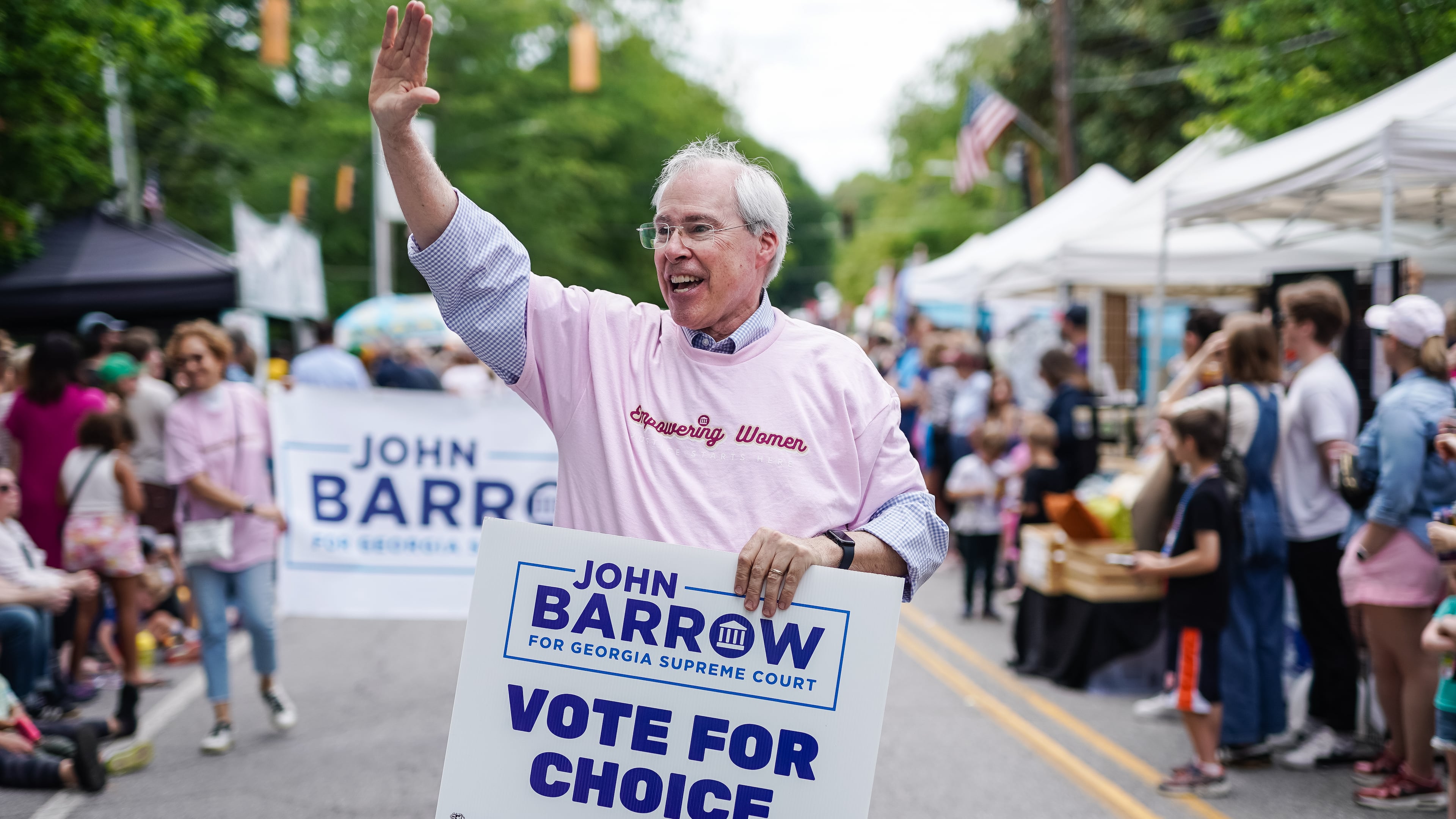
With several appellate court judges being challenged this year, there’s a great deal of misinformation about what judicial candidates are allowed to say on the campaign trail.
Over the last two years, I tangled with Georgia’s Judicial Qualifications Commission, the body charged with policing judges, over that very issue. Much of what happened in my case occurred in secret, but the public has a right to know how the system works.
The JQC has a sometimes thankless job — and enormous power. That power carries the potential for abuse. Much of its work is conducted in secret, ostensibly to shield judges from spurious complaints. But secrecy also allows the JQC to take spurious positions.
The JQC acts as investigator, prosecutor, judge and jury — violating basic principles of separation of powers. Reforms have attempted to address this by splitting the JQC into two panels, one investigative and one adjudicative. But both panels are drawn from the same pool, and most members are now appointed by partisan officials, so little has changed.
Appeals from the JQC go directly to the Georgia Supreme Court, limiting meaningful review. That court may also have interests that conflict with the public interest, such as rules that restrict what judicial candidates may say during elections — rules that can shield sitting justices from political accountability.
The U.S. Supreme Court addressed this issue in 2002, holding that judicial candidates have a First Amendment right to express their views on disputed legal and political issues. That’s because voters have a right to know what they’re voting for.
Race for Georgia Supreme Court
Georgia Supreme Court races used to be low-profile and sleepy. Not this year. Two prominent, left-leaning attorneys are trying to unseat incumbent justices in nonpartisan races.
Election results: See who’s leading
The candidates: Learn about who’s on the ballot
Live updates: Georgia primary elections
Political battle: Supreme Court challengers violated judicial rules, state watchdog alleges
Sealed lawsuit: Supreme Court candidates sued the state in secret. A judge is keeping it that way.
Opinion: Secretive Georgia commission silences judicial candidates from speaking out
New strategy: Georgia Supreme Court races turn into partisan battleground
Georgia Voter Guide: The races, candidates and frequestly asked questions
Commission released report the day before the election
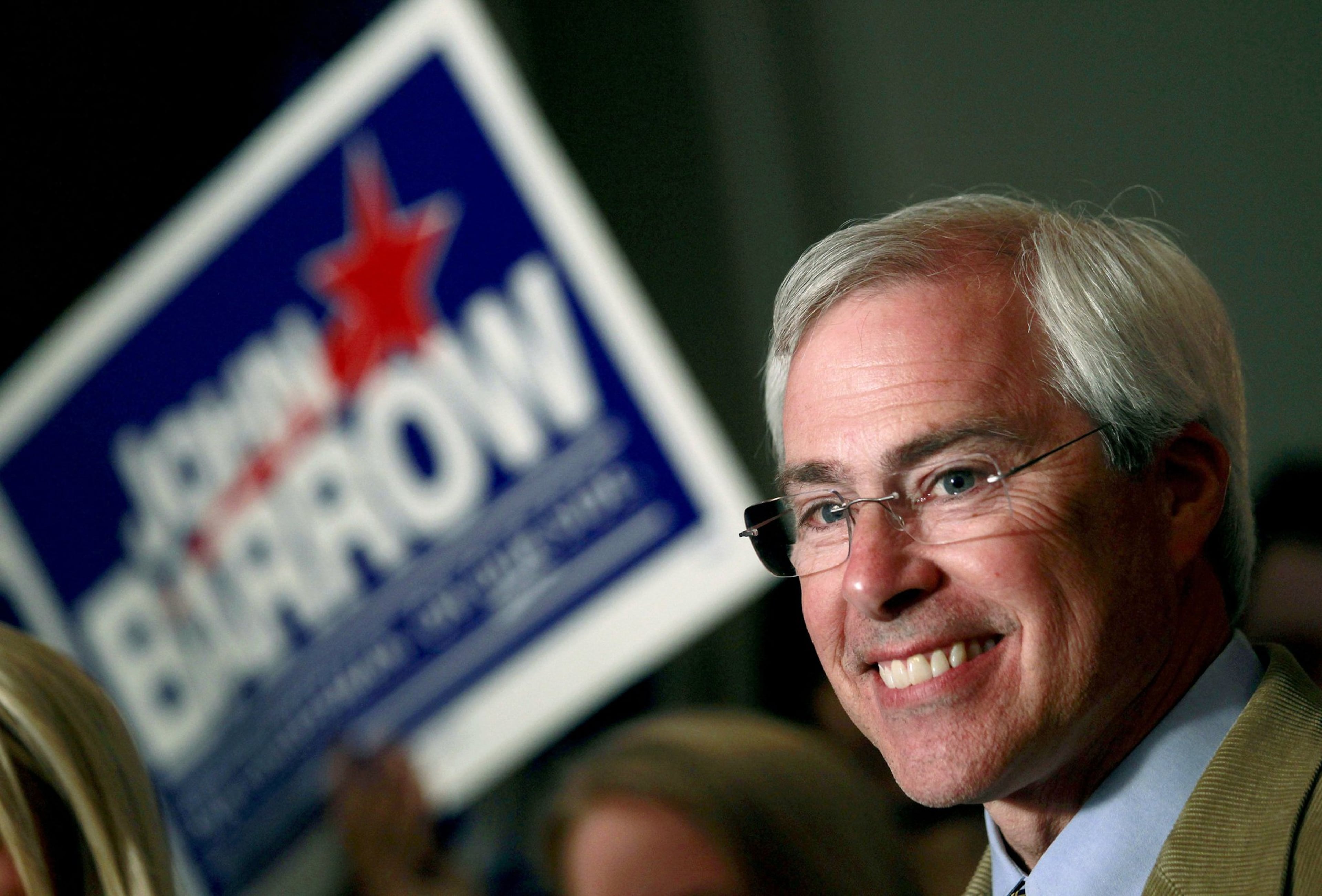
In 2024, I ran against Andrew Pinson, Georgia’s newest Supreme Court appointee. I opposed him in part for his role in advising the attorney general, the governor, and the Legislature in enacting, and then defending as solicitor general, Georgia’s six-week abortion ban.
I stated my legal opinion that the Georgia Constitution protects a woman’s right to choose — a view that diverges from the court’s current majority.
Pinson argued that I had no right to express that opinion in a judicial campaign. The JQC agreed. Both during and after the election, it initiated not one, but two disciplinary proceedings against me. In secret.
Three weeks before the election, I received a “CONFIDENTIAL” complaint alleging that I had violated the Code of Judicial Conduct by expressing my views. Rather than respond quietly, my lawyer, Lester Tate, and I filed suit in federal court — not to silence the JQC, but to bring its actions into the open and to affirm my right to speak.
The federal court declined to intervene, effectively allowing the JQC and the Georgia Supreme Court to judge the constitutionality of their own conduct.
The day before the election, May 21, 2024, the JQC issued a public statement condemning my speech as false and misleading. The statement remains on its website today. The next day, I lost the election.
That might have been the end of it, but it wasn’t.
Eight months later, I received yet another “CONFIDENTIAL” notice of investigation. The JQC conceded that I had the right to express my legal views on disputed legal or political issues. But they claimed I violated the rules by stating those views “emphatically” on “highly sensitive” issues.
Which is absurd. The Constitution does not permit speech to be restricted based on how strongly it is expressed or how “sensitive” the topic may be.
Judicial candidates, beware, but you’re not alone
With no realistic option for independent review, my lawyer and I responded by submitting a detailed rebuttal to the JQC, laying out why their position was unconstitutional and signaling that I was prepared to take the fight to a public hearing if necessary.
We met with the JQC — still in secret, but on the record. During that meeting, I was asked whether I planned to run again. I said I had no current plans but would not waive my right to do so. If abandoning that right was a condition for ending the case, we were prepared to proceed to a public hearing.
The JQC folded. Five months later, it dismissed the matter. But it did not retract its earlier position or its public sanction. Instead, it made clear that similar conduct in the future would be treated the same way.
The moral of the story: Those who wield power will never admit that they’re wrong. They will always seek to preserve their power. And secrecy — who said what, to whom, and why — is one of their most effective tools.
Which is why I’m telling this story. So that others who face a similar abuse of power will know they’re not alone. And they can still win.
John Barrow represented Georgia’s District 12 as a Democratic congressman in the U.S. House of Representatives from 2005 to 2015. He ran for Georgia Supreme Court in 2024.