Georgia’s property tax problem needs transparency, not temporary fixes
As our state’s legislative session nears its end, lawmakers have a chance to end with a grand finale by passing a comprehensive property tax reform bill. And not a moment too soon.
Across the state, inflation and rising home values have driven up property tax bills year after year. For families on fixed or modest incomes, those increases can be devastating. Some have reportedly even been forced to sell their homes because they can no longer keep up with rising tax obligations.
This outcome cuts against the very promise of homeownership.
For many Georgians, the American Dream is not luxury — it’s simply the ability to stay in the home they have worked for and retire with dignity.
State lawmakers agree that this trend cannot continue. That’s why, during this year’s legislative session, leaders from both parties and both chambers are coming together with a variety of proposals to lower property taxes — ranging from expanding homestead exemptions (Senate Bill 382) to preventing property taxes from exceeding the annual inflation rate, and even a proposal to eliminate homestead property taxes altogether.
Citizens deserve ‘truth in taxation’

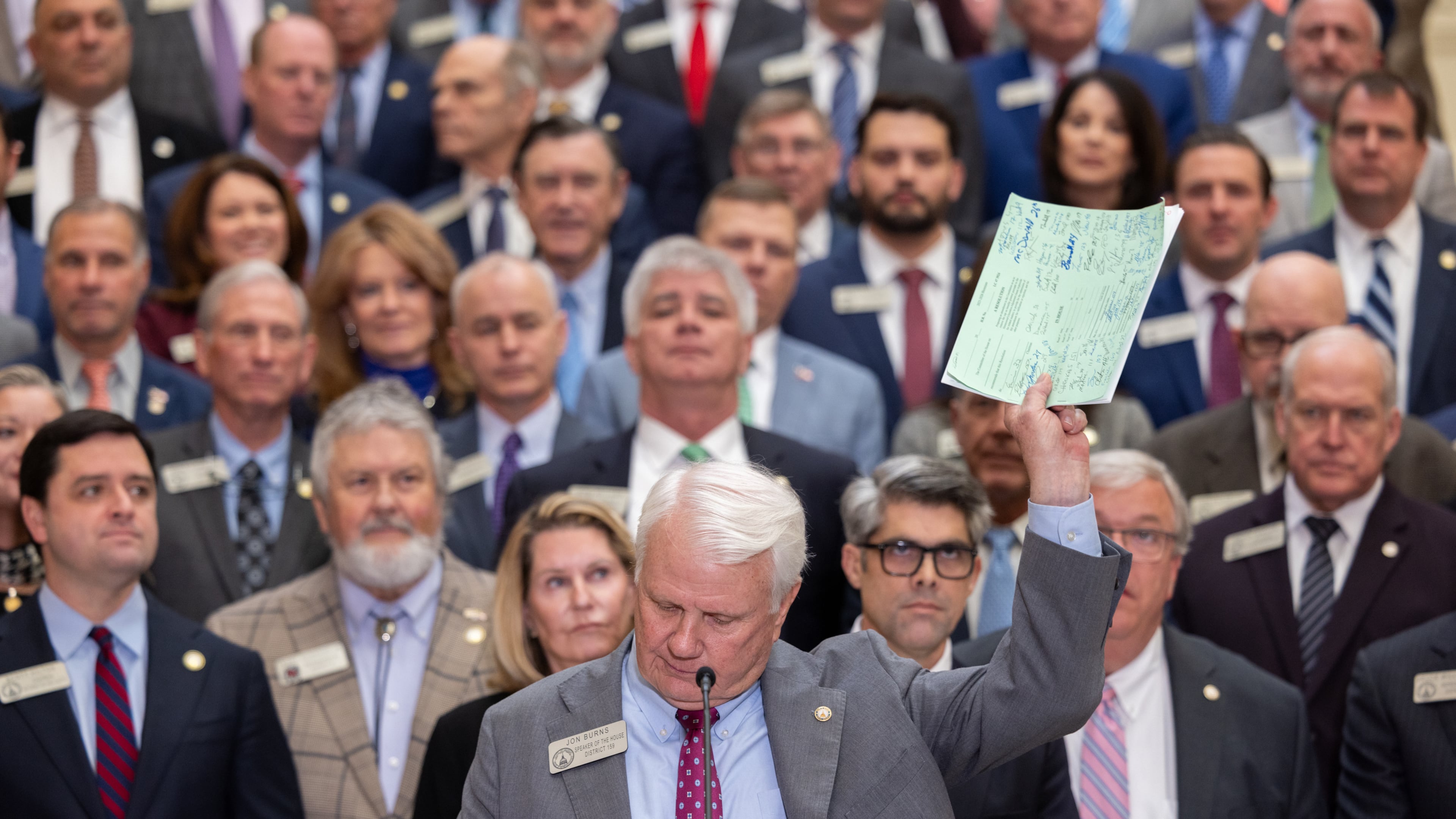
After months of active debate, House leaders brought forward a solution that can provide real relief for Georgians, barely meeting the Crossover Day deadline. House Bill 1116, passed by House Republicans on March 6, would address the core failure of Georgia’s current tax code: For years, taxation decisions have been made about Georgia property owners, not by them.
This bill would establish truth in taxation by requiring local governments to provide transparent notice of proposed tax increases and to hold a public hearing on the proposed increase.
It would also move all property tax ballot measures to primary or general election dates, creating greater awareness of proposed tax measures and encouraging wider voter input.
In other words, it directly involves Georgians in the very property tax discussions that will affect their ability to live, raise families and retire in the communities they love.
Homeowners deserve clear notice when property tax increases are proposed, along with straightforward information about how their money will be spent.
This bill rightly stipulates that any proposed tax increases above an agreed-upon threshold would require voter approval, and there should be a sensible limit on the amount of property taxes the government can collect.
It would therefore establish a levy cap for schools and localities — meaning that any revenue increase that is more than 3% or the rate of inflation (whichever is greater) above the previous year’s revenue would require voter approval.
Rather than serving only as a reactive legislative fix, this bill could deliver durable, long-term reform that could give Georgians real stability for generations to come.
Sustainable, long-term strategy is key
Meaningful, sustainable property tax reform starts with giving Georgians the confidence and certainty to know that they will play a role in shaping the tax decisions that will impact their futures. After all, local governments should never have the power to treat Georgians’ taxes as a blank check.
These common-sense guardrails for taxation would protect Georgians from being blindsided by property tax increases and allow them to participate in shaping policies that will affect their homes and livelihoods. It will also create greater accountability, ensuring that lawmakers’ actions reflect the will of the people.
The best policy is shaped closest to the people who live with its consequences.
To truly solve Georgia’s property tax burden, we need sustainable, long-term strategies like HB1116 that promote greater transparency in taxation and create informed, engaged citizens.
Thankfully, SB 382, the Senate’s version of property tax reform, now also includes these reforms.
The burden is now on Georgia lawmakers in both chambers to find the necessary common ground to get property tax reform. Failing to find compromise on our state’s property tax challenges will result in rampant tax increases — passed without transparency, accountability or input from everyday families.
Georgia’s property owners deserve the loudest voice in why and how much they are taxed. Levy caps and enhanced transparency in taxation empower us with the opportunity to speak up.
Tony West is the Georgia state director for Americans for Prosperity.


