The obituary, when folks are dying to get into the newspaper

I noticed Atlanta magazine recently had my old colleague, Kay Powell, write an advance obituary for the print edition of The Atlanta Journal-Constitution, dying at age 157 on Dec. 31, 2025.
Cause of death — because newspapers always try to put that in obits — was “succumbing to the burgeoning digital age coverage.”
Or perhaps, more accurately, assisted suicide.
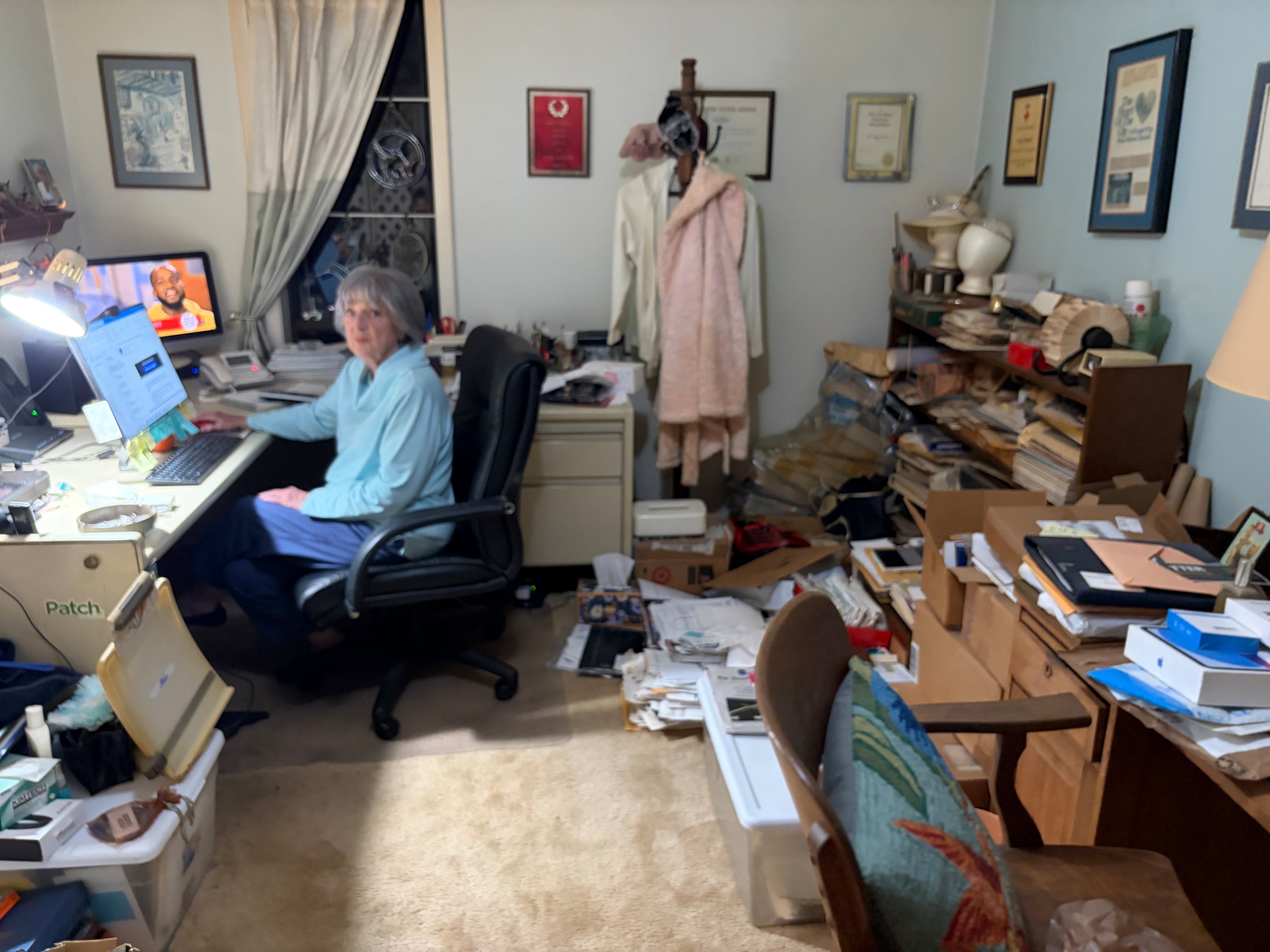
Powell became the AJC’s chief obituary writer in 1996 and helped transform obits into folksy renditions of the decedents’ lives.
By doing so, she became known nationally as the “Doyenne of the Death Beat.”
Mental Floss, an online magazine, called her “America’s Greatest Obituary Writer.” CBS News and NPR were also among the many that profiled her, no doubt loving the verve of the woman with a South Georgia drawl seasoned by Winston cigarettes.
Her desk at the office was marked by a large black Styrofoam grave marker customized with the word Kay. It noted the gravity of her work, tempered with dark office humor. (Another sign said: “God is my assignment editor.”)
Obituaries have been around since the Romans, as obitus in Latin means death. The form of memorializing the dead picked up in the 1800s with the rising popularity of newspapers. Obits grew from a short notice of death to a longer narrative of lives.
Paid death notices supplied to newspapers by the families and funeral homes have helped our bottom line. And believe me, we are thankful for the support. (And sorry for your loss.)
News obits differ from death notices. News obits are written by a newsroom employee, generally about someone notable in the community.
For years, getting assigned to the obits beat was the journalistic equivalent of being sent to the glue factory. It was for reporters headed to retirement or punishment for those who got sideways with management.
Powell, a veteran newswoman who had been in charge of Letters to the Editor, seemed a natural to lead then-editor Ron Martin’s edict to make obituaries more accessible to readers. He wanted the paper to memorialize not only the high and mighty, but also regular Joes and Joans.
Studies at the time showed that well-written obituaries of regular people could better knit the paper to the community and help readership. And newspaper execs have always been desperate for readers.
Obits are among the best-read features in newspapers, along with the comics, crossword puzzles and coupons.
They’re known as the “Irish sports page,” a reference to a tribe who dwells in melancholy.
My Irish-born mother always perused the page each day for anyone she knew, however vaguely. Then she’d hit the phone banks. My father would first check to make sure he was not listed, then he’d count the American flags in the death notices to spot other World War II vets.
I used to chuckle at their devotion to the feature. Now I read them.
News obits are popular because folks are morbidly curious of those who’ve departed before us. Families want the death of their beloved to be memorialized and clip out the notices from the paper.
If done well, obits can provide short history lessons and even a little glimpse of our own humanity.

“It connects you to your community,” Powell told me. “You can connect with the past firsthand. And they’re interesting.”
Each morning, Powell would check paid death notices and faxes from funeral homes for candidates.
“We needed a (story) hook to write,” she said. Then she’d call the funeral home for more details and, if the prospect made the cut, speak with the family and look for other sources.
“A lot of people we wrote about hadn’t been in the paper,” she said.
Here are some from her first few weeks: “JFK assassination theorist.” “Insurance agent, outdoorsman, cattleman.” “Truck driver of 51 years.” And “Mildred C. Inman, 94, family helped build city.”
Sometimes people would not call back or say anything interesting. Sometimes they added polite codewords.
Raconteur? In an obit, that means boring storyteller. Raucous? Loud drunk.
But, she added, you can’t manipulate the facts. If a lawyer had been disbarred, that was going in. In that case, she’d push to find someone to temper that with a positive characteristic.
And there was always the 5 p.m. deadline looming.
Always the newswoman, Powell is dedicated to accuracy. Once, a family member told her the deceased had been on the Atlanta Crackers baseball team. Famed sports columnist Furman Bisher told her it wasn’t true.
Going forward, she demanded more proof than family lore.
When told that seamstress Jimmie Thomas sang at Martin Luther King Jr.’s funeral, she pushed hard to get a second opinion. She found the Rev. E. Randel T. Osburn, who told her, “Not only did she sing at the funeral, I can tell you what Bobby Kennedy said.”
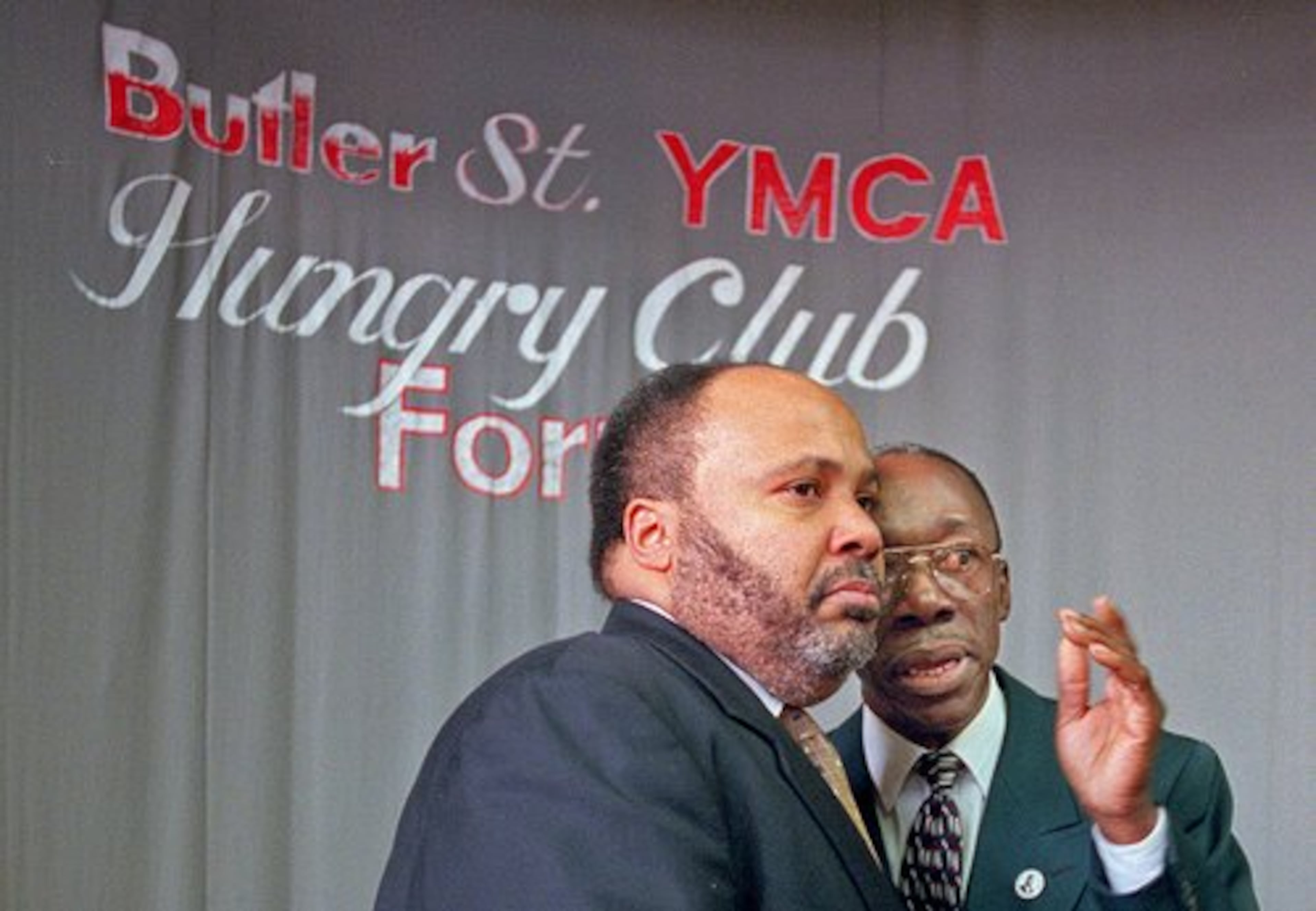
Kennedy approached the reverend at the Kings’ house afterward asking, “What was the name of that song again?”
It was, “If I Can Help Somebody,” one of King’s favorites.
A decade later, she wrote Osburn’s obit.
Through Powell’s 13-year obit career at the AJC, she wrote about 2,000 obits, including a moonshiner, a lobotomy patient, a Tuskegee Airman, the “chief justice of the world’s gypsies,” a KKK leader turned friend of the Civil Rights Movement and, in 2006, a planet.
“Pluto, the least of the major celestial bodies, never asked to be a planet,” she wrote when it was demoted. “Once elevated, it became an influential figure in astronomy and astrology, in classical music and in cartoons.”
Somehow, the Pluto obit will end up being mentioned in Kay’s.
About the Author

Bill Torpy, who writes about metro Atlanta for The Atlanta Journal-Constitution, joined the newspaper in 1990.