Georgia officials detect new, potentially devastating invasive insect

Georgia is no stranger to invasive species, with kudzu, Japanese knotweed, the spotted lanternfly, Argentine tegus and more threatening the state. Now, there’s a new entrant to the list: the pasture mealybug.
Houseplant enthusiasts may already be familiar with a mealybug’s dreaded white fuzzy body that portends a battle for the survival of one’s prized pothos. The state is now warning farmers to be on the lookout for a new version of the pest.
On Friday, Georgia Agriculture Commissioner Tyler Harper announced the state’s first confirmed detection of the pasture mealybug at a turf grass business in southwest Decatur County.
“Pasture mealybug is a serious threat to Georgia agriculture, and we’re asking Georgia farmers and producers to stay vigilant in order to protect their operations,” Harper said in a written statement. “I encourage everyone to walk their pastures and hayfields often to check for the pest.”
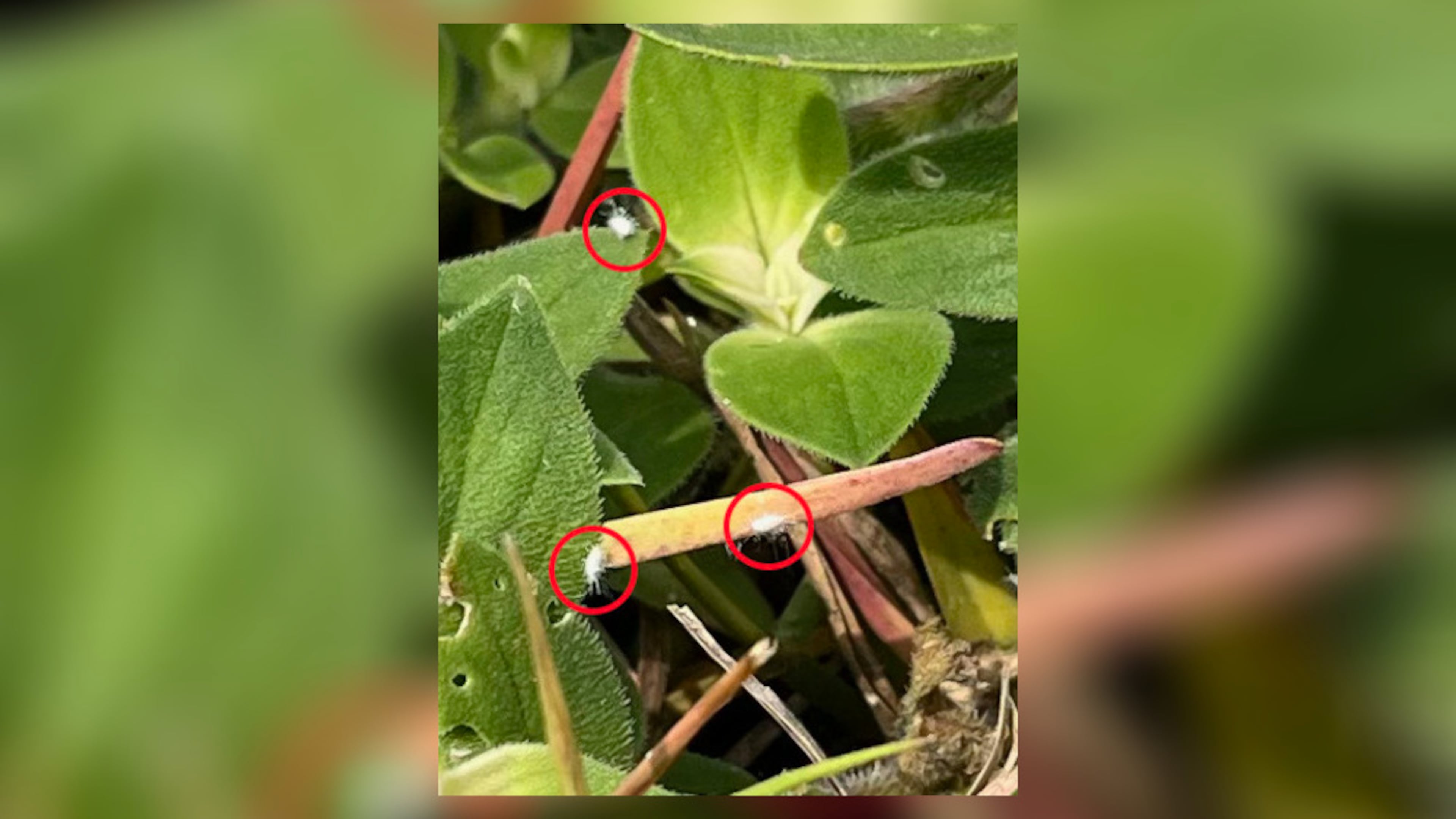
The Heliococcus summervillei is a small insect, adults range from 2 to 5 millimeters long, with an oval body and a white waxy coating that makes them look “mealy” to a human eye. They primarily affect annual and perennial warm-season grasses, can spread quickly and cause significant damage.
Immature pasture mealybugs suck plant sap and inject toxic saliva into the plant, which weakens the grass and makes it more susceptible to infections, according to the agriculture department. The insects also produce a substance called honeydew, which can lead to mold growth and affect the plant’s ability to photosynthesize.
If a grass has yellowing leaves, stunted growth, poorly developed roots or dies prematurely, those are all signs it might be infected by pasture mealybugs.
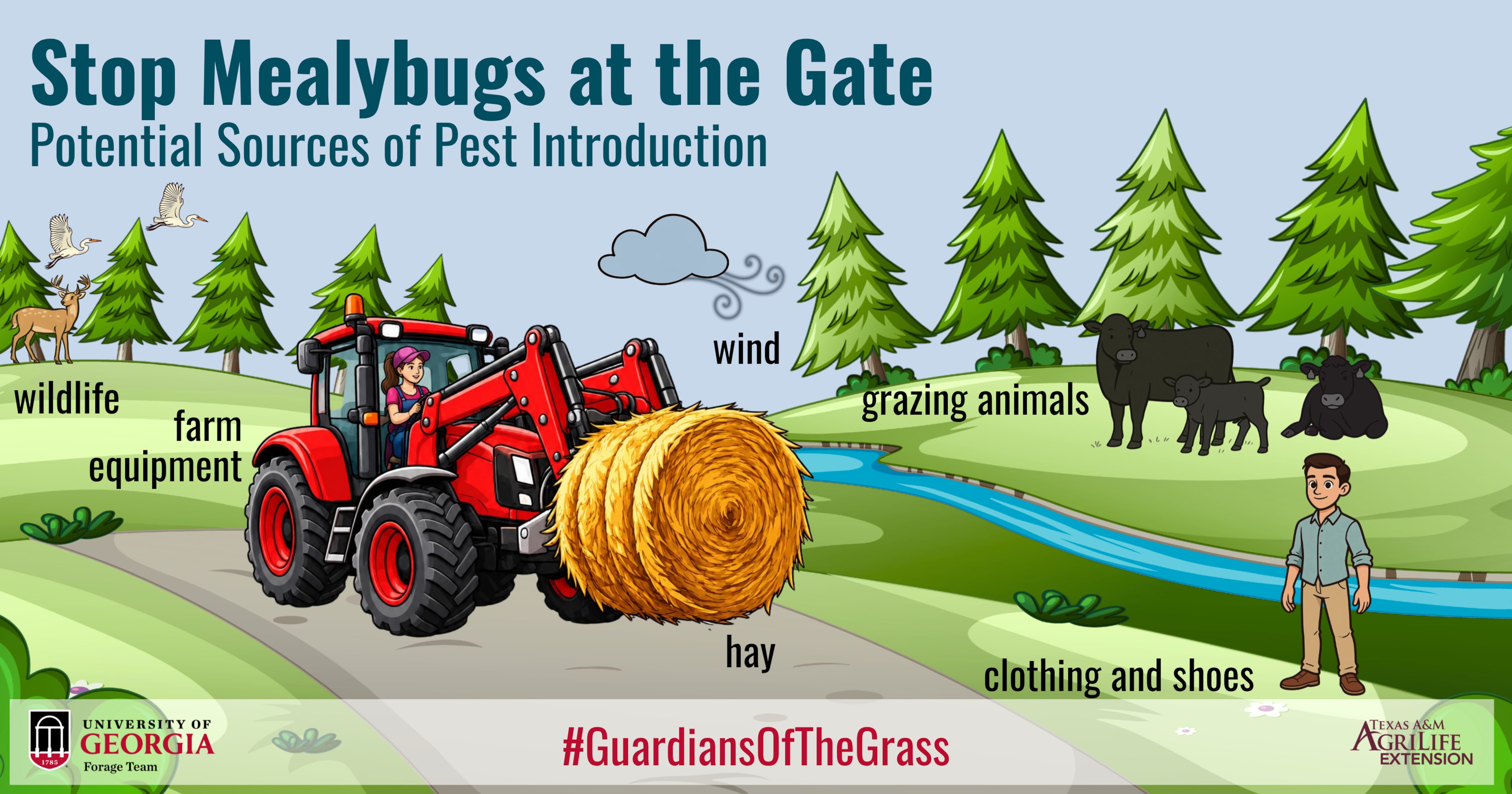
There are no labeled insecticides now that provide reliable control of the pasture mealybug, the agriculture department said, so it is encouraging farmers to to practice “good farm biosecurity.”
Officials are asking people to report suspected sightings of the insect to their local county extension office. The University of Georgia has begun collecting confirmed detections.