Atlanta’s tree canopy has been shrinking. What the city does next is unclear.
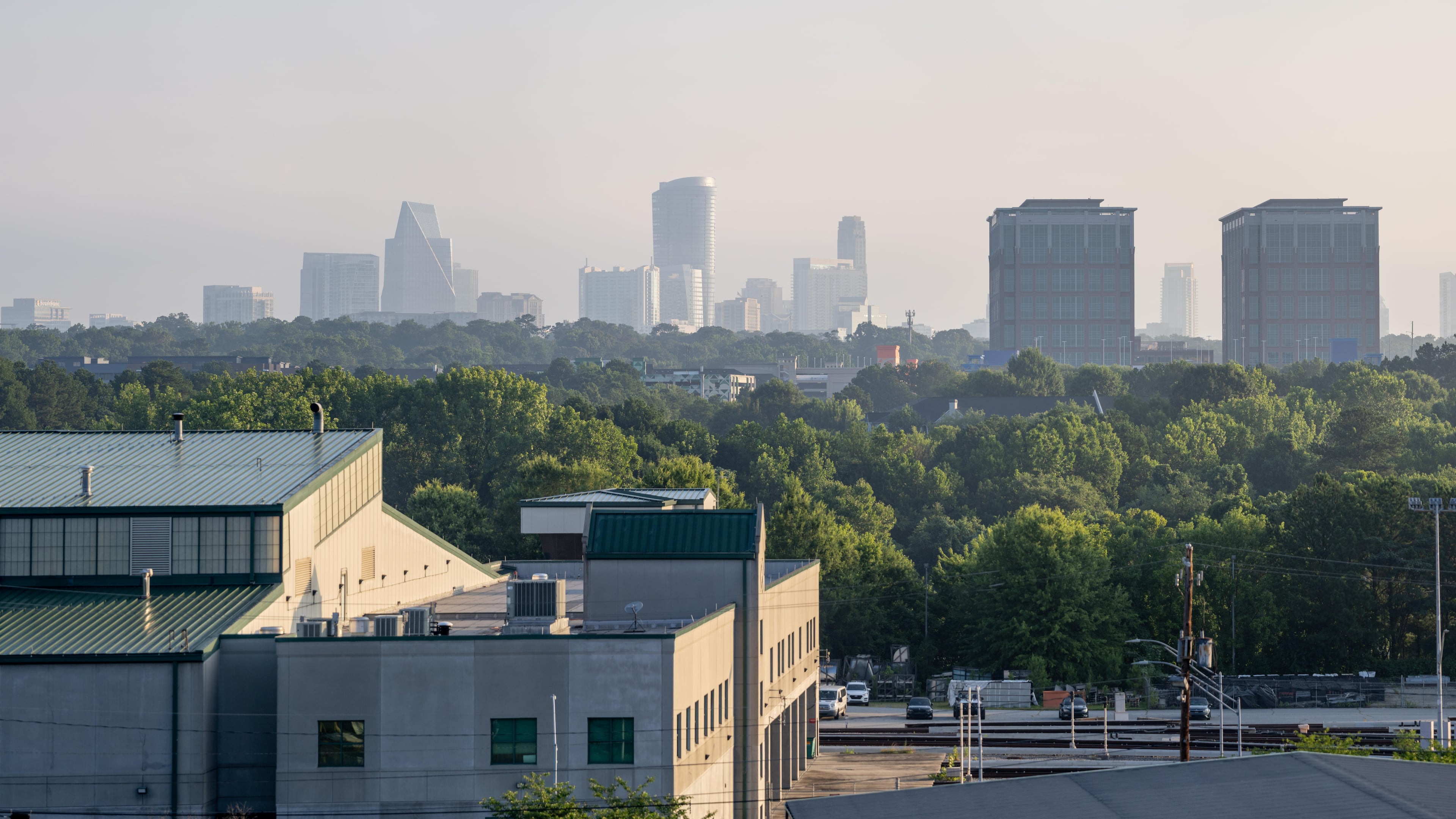
For Atlanta’s tree lovers, the bottom line from the latest report card on the city’s urban canopy is grim, if unsurprising: The “city in the forest” lost more trees in recent years.
Atlanta City Council members got a briefing on the long-awaited assessment Tuesday from its author, Georgia Tech professor Tony Giarrusso, who warned more of the canopy could soon be lost. Even so, it’s not yet clear what the City Council or Mayor Andre Dickens’ administration plans to do with the findings.
Giarrusso and his colleagues from Georgia Tech’s Center for Urban Resilience and Analytics found that between 2018 and 2023, Atlanta saw trees removed from another 1% of its total land area. It’s a continuation of a yearslong trend of canopy decline captured in four previous surveys.
When Giarrusso conducted his first assessment for the city in 2008, he found just under 48% of Atlanta’s land area was covered by tree canopy. By 2014, coverage had shrunk to 47.1%, then to 46.5% in 2018.
The survey shared Tuesday found just 45.7% of the city’s land remained under tree cover in 2023. That means the city has moved further from its goal of maintaining an average of 50% canopy coverage.
Giarrusso’s team used satellite imagery from 2023 to take a snapshot of the city’s urban forest, then conducted site visits around the city to investigate further.
Over the 15 years since he conducted his first study, Giarrusso said more trees have been claimed by single-family redevelopments than any other type of construction.
Giarrusso said he’s seen countless examples of developers “taking a home that’s 1,500 square feet in size and putting a 4,000-square-foot home on that lot and building out to the maximum allowable lot coverage.”
“When that happens, you don’t see it (the tree loss) all at once,” Giarrusso said. “It’s not a big clear-cut — it’s a neighborhood that piece by piece is picked away.”
False gains
There’s been a significant shift lately, however.
Single-family projects still felled trees between 2018 and 2023, but the survey found multifamily development and redevelopment was responsible for most of the tree losses over the five-year period.
The researchers found 50% of permitted tree removals occurred on just 2% of development sites. In each case, 100 or more trees were knocked down.
Those significantly shrank Atlanta’s urban forest, but Giarrusso said in an interview that the trend could be viewed in a positive light: More multifamily development means the city can house more residents on less land. In the long run, increased density could allow the city to preserve more canopy.
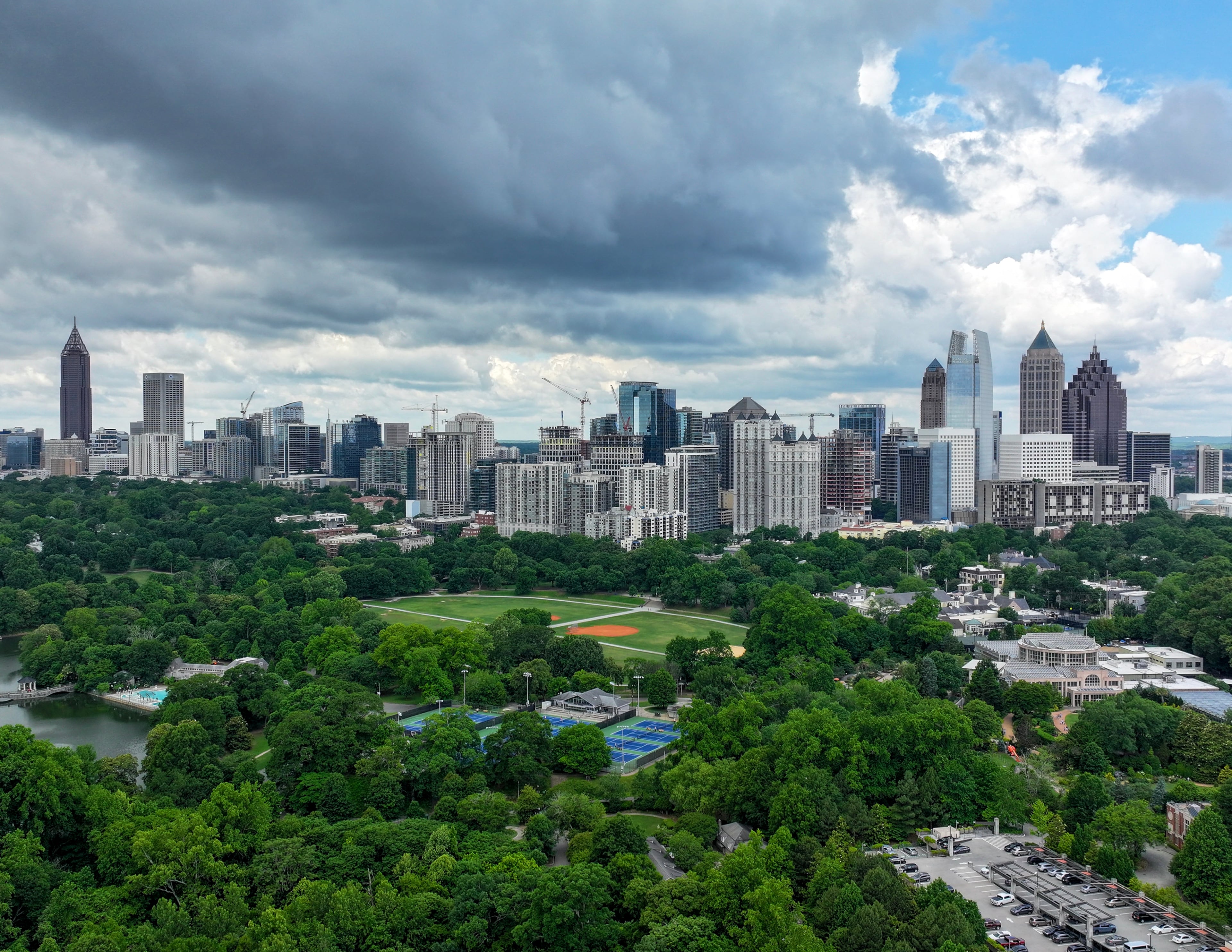
“We need to be a denser city if we’re going to survive,” Giarrusso said. “We can’t just be big, single-family lots.”
Still, there are signs from the report that Atlanta’s tree loss could spiral further — or may already have. The survey does not capture what’s happened since 2023.
The researchers found several instances of large lots that were cleared around the Great Recession, only for planned development to stall in the soured economy. During the often yearslong pauses, new trees took root on some sites.
In many cases, however, the canopy gains appear to be fleeting. Atlanta is back to building, and many trees that sprouted while the lots were fallow are being cleared again.
“If all of those false or temporary gains were cleared, you’re going to have a lot of loss,” Giarrusso told City Council members.
‘Room to improve’
With so much of Atlanta’s identity tied up in its trees, the question of how best to conserve them has always been an emotionally charged issue.
This latest assessment has inevitably led to questions about what to do next to grow more trees and protect what’s left.
Since 2001 when the city’s tree ordinance was adopted, there have been multiple failed attempts to revamp the ordinance. Last year, the City Council finally approved the most significant changes to the legislation since its inception, raising fees for permitted tree removals and fines for illegal ones, among other changes.
Earlier this week Michael Smith, a spokesman for Dickens, said in a written statement the administration continues to work on updates to the tree protection ordinance, calling it a “multistep process.” But it’s unclear when the proposed changes will emerge.
On Tuesday, city arboricultural manager David Zaparanick indicated the Department of City Planning wants to wait for updates to city zoning rules, dubbed “Zoning 2.0,″ to reach the finish line before addressing the tree ordinance.
The new zoning regulations have been in the works for years and it’s not clear when legislation will reach the City Council. The public comment period on the latest and potentially final draft wrapped up in April.
“We kind of have to see where that’s going before we can firmly establish anything in Round 3 of the TPO (tree protection ordinance),” Zaparanick said.
Committee Chair Matt Westmoreland and other council members also wanted to know whether the new tree protection rules that kicked in in January are having the desired effect: reducing illegal tree removals and allowing the city to replace those that are cut down.
In short, Zaparanick said it’s “a little too early to be sure.”
Still, in the eyes of tree advocates, it’s clear more action is needed for Atlanta to stay the “city in the forest.”
The Georgia Tech study, like past iterations, found 72% of the city’s remaining trees are on land zoned for single-family housing. That means what happens in people’s backyards, front yards and the shared spaces between them will likely determine the fate of Atlanta’s canopy.
Greg Levine, the executive director of the nonprofit Trees Atlanta, said the city still needs a preservation standard that requires developers to leave a share of the trees on their properties undisturbed. He also said Atlanta should look at new ways to incentivize homeowners to plant trees in their own yards.
“There are so many pieces that have to be done and the city still has room to improve,” Levine said.