Why Coca-Cola says it scored big from sponsorship of the World Cup
The 2026 FIFA World Cup packed a punch for Coca-Cola, helping boost its second quarter results and propelling the strongest volume growth in its namesake soda in years.
The Atlanta beverage giant said its global unit case volume grew 5% in second quarter. Its net sales jumped to $13.9 billion, up 7% from the same period last year.
Net income in the second quarter rose 16% to $4.4 billion. But the company’s cost of goods sold increased 5% to nearly $5 billion.
Coca-Cola is a longtime World Cup sponsor and has exclusive pouring rights for nonalcoholic beverages inside the host city stadiums. The 2026 World Cup featured 16 host cities, including Atlanta.
“We actually had the highest incidence of beverages in a World Cup ever,” Coca-Cola CEO Henrique Braun said on a Tuesday conference call. “We got around 80%, which represents roughly close to one drink per attendee at the venues.”
FIFA said Tuesday that across the 39-day competition, supporters inside the stadiums consumed more than 4.6 million soft drinks and bottled waters.
The global soccer tournament also helped drive higher overall demand for key Coca-Cola beverages.

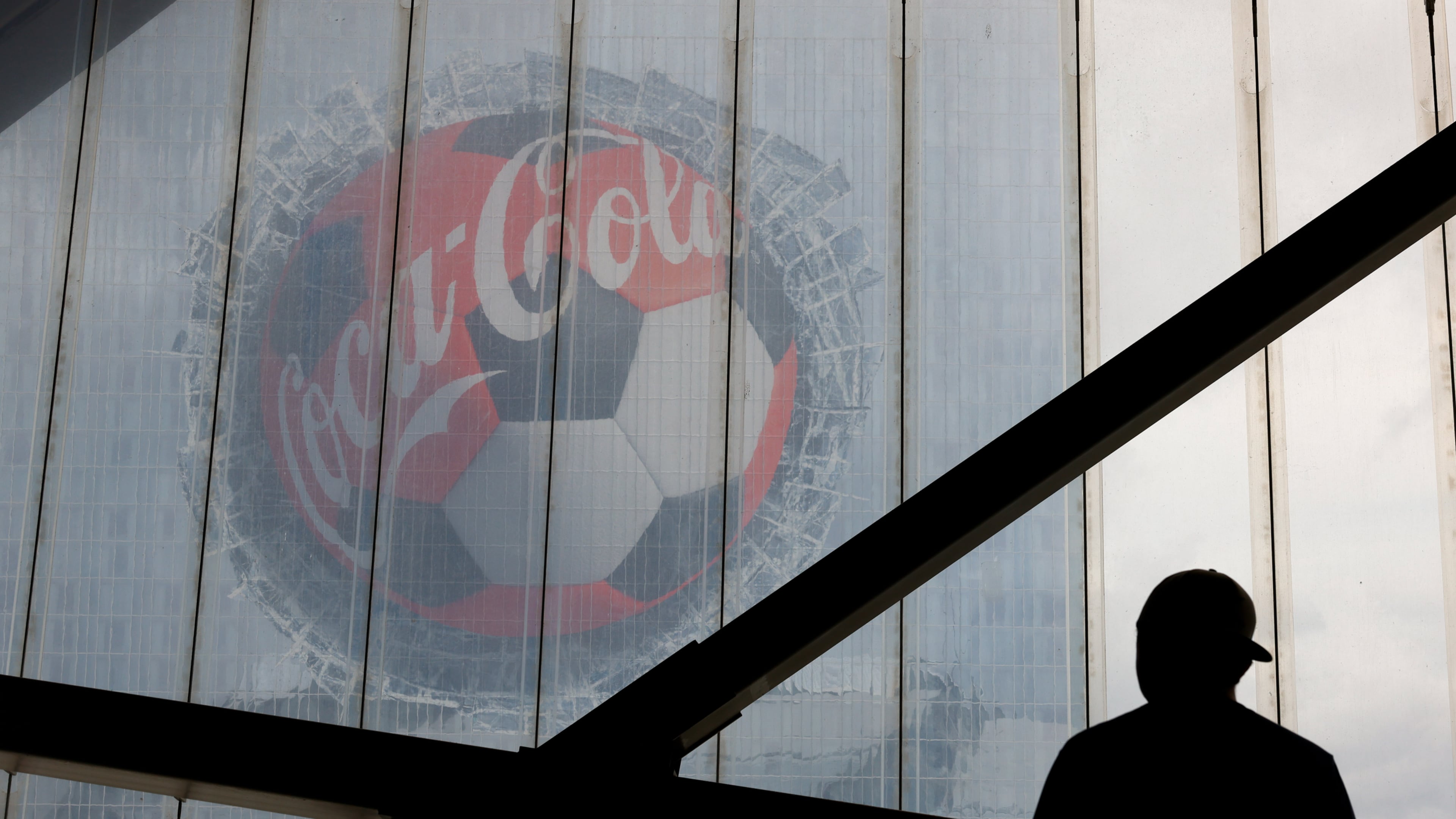
The company launched a massive marketing campaign that spanned more than 180 markets and more than 20 million retail outlets, Braun said. In Atlanta, its advertising decorated the city, such as a building wrap on the Signia by Hilton Atlanta that looked like a Coca-Cola soccer ball smashed through the windows of the high-rise hotel.
Coca-Cola said the volume of trademark Coke grew 5% in the second quarter, the strongest growth in 17 years excluding the recovery from the COVID-19 pandemic. Sports drink Powerade grew volume 8% globally during the quarter.
“We translated the tournament’s momentum into powerful consumer experiences, placing Coca-Cola and Powerade at the heart of national pride and fan celebrations,” Braun said on the call.
Reuters reported that hydration breaks during the World Cup matches also helped boost drink sales, especially Powerade.
Coca-Cola said it captured more than 25 million data points from consumers during the World Cup and generated more than 9 billion views through digital and social media activations. Part of that effort included “connected” packaging with QR codes that offered World Cup content and rewards, Braun told The Atlanta Journal-Constitution in a Tuesday interview.

“We captured that opportunity well, and we believe that the learnings will be passed onto further campaigns,” Braun said in the interview. He said he attended World Cup matches in Atlanta and recalled the excitement in the streets.
“I think (we) got the vibrance that we wanted for the city, and Atlanta did a tremendous job of being a host city,” Braun said in the interview.
In addition to the World Cup, favorable weather in certain markets and “cycling an easier prior year comparison” aided the second quarter, John Murphy, Coca-Cola’s president and chief financial officer, said on the conference call.
With World Cup games continuing into July, Braun said at this point it would be difficult to quantify “the actual impact overall,” including in the third quarter. “But the most important thing is how we engage with the consumers, and we can bring them along to other campaigns moving forward,” he said.
The company on Tuesday raised its full-year forecast. Coke now expects comparable earnings per share growth of 9% to 10%, up from a prior forecast of 8% to 9%.
The improved outlook comes despite increased pressure on some consumers, such as elevated gasoline prices because of the war in Iran.
For example, the average price of regular unleaded gas in metro Atlanta on Tuesday was $3.95 per gallon, up about $1 from a year ago, according to AAA.
Braun, on the Tuesday call, called the consumer environment “uneven” across much of the world.
“The economy is strong in many places, yet many consumers face inflationary pressures, geopolitical uncertainty and economic challenges,” he said. “They are evaluating how they shop, what they value and what they want to put in their basket.”
In the interview with the AJC, Braun said his strategy is “staying close to the consumer,” with a focus on maintaining affordability while also offering premium, innovative offerings in hopes of catering to all income levels.