How a Decatur field became the birthplace of YMCA youth soccer in U.S.
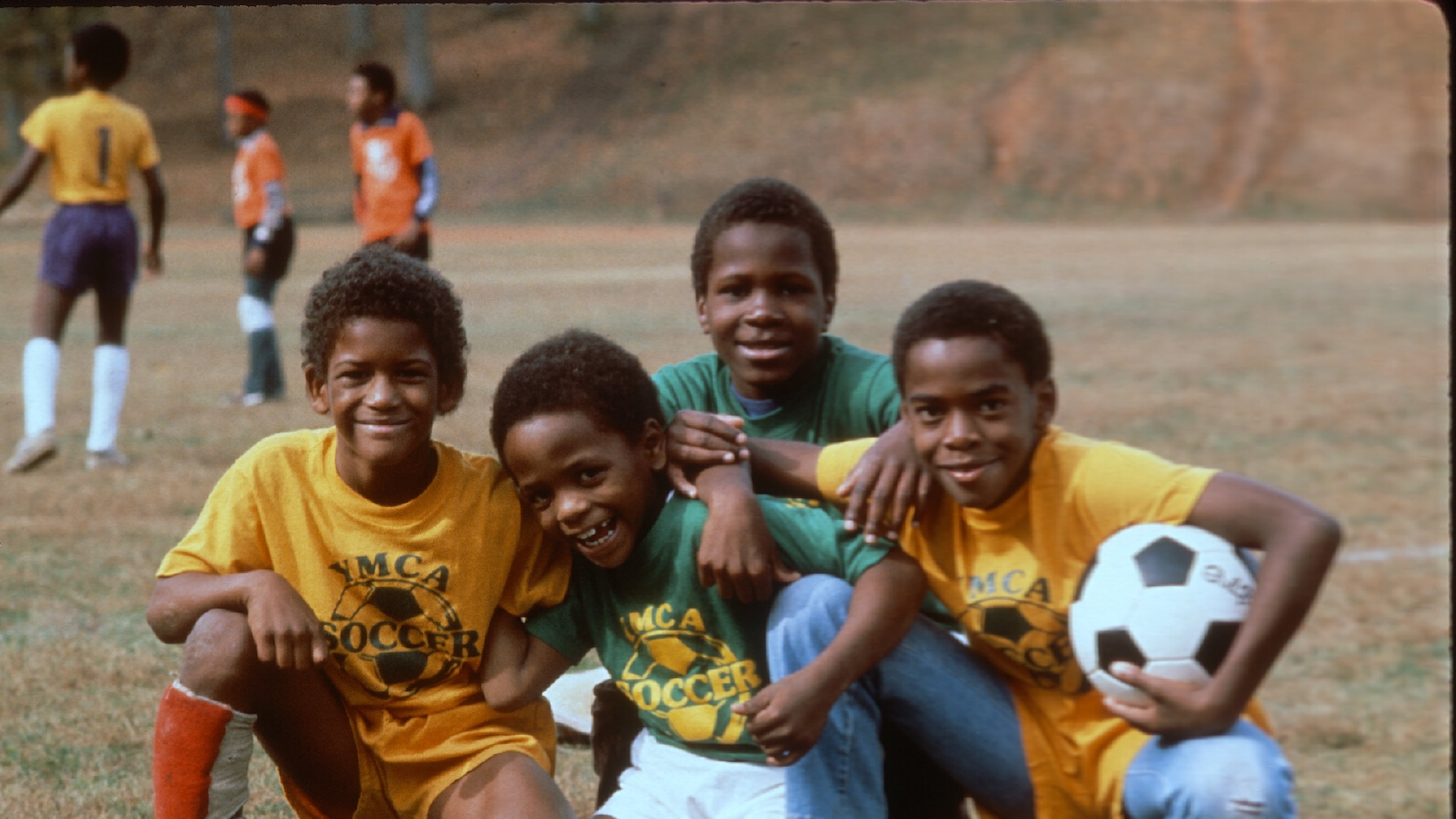

Nearly six decades before Atlanta played host to matches in the 2026 FIFA World Cup, a handful of professional soccer players from around the world showed up at a DeKalb County YMCA with an idea: teach American kids a game most had never heard of.
That idea became the first YMCA youth soccer league in the country and, according to the YMCA of Metro Atlanta, a launching pad for the sport’s rise across the United States.
Lauren Koontz, president and CEO of the YMCA of Metro Atlanta, traces the YMCA’s soccer history back to 1967, when the Atlanta Chiefs arrived as the city’s first professional soccer team.
The Chiefs’ roster was stocked with players recruited from overseas, at a time when soccer barely registered as a sport in the U.S., let alone a profession.
“There was not a culture or knowledge of soccer, really, as a professional sport,” Koontz said.
Forms of football were imported into the U.S. by immigrants, with the game we recognize today being played in the late 19th century at colleges and informal town clubs. U.S. soccer grew in fits and starts over the decades but didn’t really start to take off until the 1960s with the first youth league founded in California in 1964.
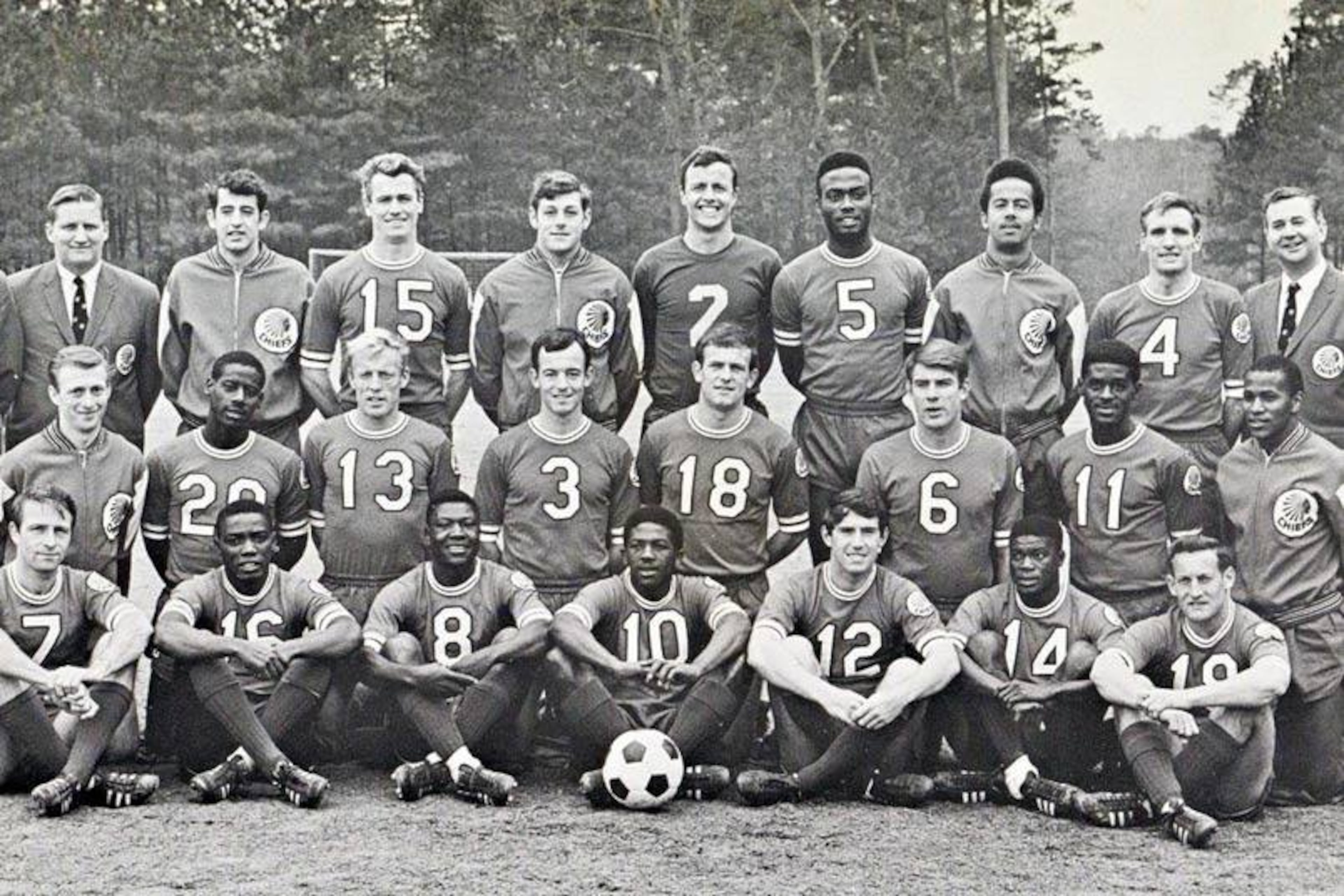
Koontz points to a story the YMCA has preserved on video, told by the Chiefs’ captain, who recalled crossing into the U.S. with “professional soccer player” listed as his occupation on his passport, and the confusion it caused.
“What is a professional soccer player?” the passport officer asked, according to Koontz. “It’s just such a different time.”
Despite the unfamiliar sport, the Chiefs were an immediate success, winning Atlanta’s first professional sports championship in their second season. But the team’s players and coaches understood that trophies alone wouldn’t build a fan base.
“If people don’t know the sport and don’t understand the sport, they’re not going to come to the matches,” Koontz said.
So the Chiefs reached out to the Decatur YMCA and offered to run clinics for kids. What started as an introduction to the game turned into something bigger: the first YMCA youth soccer league in the country, launched in partnership with the Chiefs in 1968.
The league grew fast. Within a couple of years, thousands of children were playing through the Decatur Family YMCA’s soccer program, a boom that other YMCAs around the country soon noticed and replicated.
Scott Schadl, now director of youth and adult sports for the YMCA of Metro Atlanta, lived that early wave of interest firsthand as a kid signing up to play. Schadl grew up in southeast Atlanta and first encountered the sport through a flyer the Y dropped off at his private school.
“I got this flyer today, and I really want to try soccer,” Schadl remembered telling his father. “He’s like, ‘Well, how do you even know what it is?’ I said, ‘I don’t know, but I want to do it.’”
Schadl signed up to play at the South DeKalb YMCA. Fields were scarce in those early years, he said, and practices were makeshift.
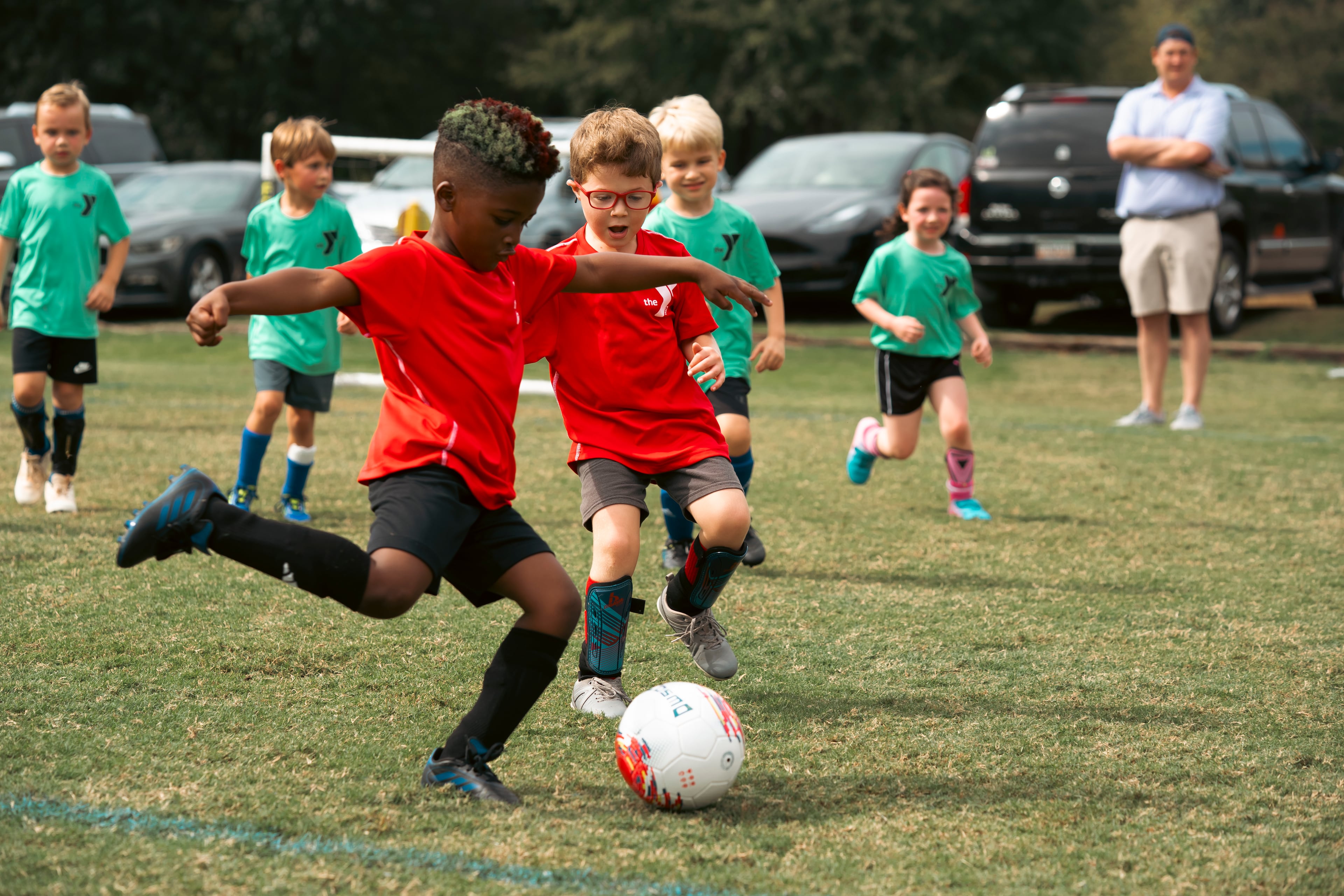
“There weren’t a lot of soccer facilities or fields,” Schadl said. “We’re out there picking up rocks, trying to create a field wherever we find one.”
His first practice, he said, was held in his coach’s backyard. That early scramble for space reflected just how new the sport was to the region. Schadl’s first competitive coach later was inducted into the Georgia Soccer Hall of Fame.
Much of that early history is tied to one plot of land: the Columbia Theological Seminary field in Decatur, where the first YMCA youth matches were played, and a pitch still in use.
“We recently worked with Columbia Theological Seminary to put up a plaque to commemorate that site as really the birthplace of YMCA youth soccer in America,” Koontz said.
The ripple effects reached DeKalb County high schools, many of which built powerhouse soccer programs in the 1970s and beyond, seeded by a generation of kids who had learned the game through the Y.
“That tradition at some of these high schools continues today, all these decades later,” Koontz said.
Koontz said the Y’s existing relationship with families gave the unfamiliar sport a running start in the Decatur community.
“I think that Y had already established the trust of the community,” she said. “It might have been a smaller group to start, but it took off like wildfire.”
Keeping the sport accessible has remained core to the mission as competitive youth soccer has become increasingly expensive to play elsewhere. Schadl, who has spent nearly 10 years with the Y after starting as a sports director and later becoming a regional director, said cost shouldn’t determine who gets to play.
“Soccer is pretty much a low-maintenance sport,” Schadl said. “You get the ball, cleats and shin guards and your water and you’re good to go. I think some of the challenges we’re seeing today, though, is just the market is really starting to outprice a lot of kids.”
Koontz said the Y gave out roughly $7 million in financial assistance last year alone across its Atlanta-area programs to make sure no child is turned away.
“We are open to and serving all,” she said. “It’s incredibly diverse. You have kids from every walk of life, every background, every socioeconomic status, who are coming onto a field.”
Schadl echoed that philosophy from the operations side of the Y’s youth and adult sports programs, which he now oversees across the entire metro Atlanta association after roughly a decade working his way up through eight branches.
“When we have people that are expressing interest and are concerned about finances, the beauty of it is we’ll make a way for anybody,” Schadl said. “We don’t turn anybody away.”
As the World Cup has arrived in Atlanta, the Y has leaned into the moment. Branches across the region are decorated with World Cup gear, and fitness classes have added soccer-themed workouts modeled on professional training drills.
“It’s such a full circle moment,” Koontz said. “In 1967, the rise of youth soccer in this country started at the Decatur Y and here in Atlanta, and now to have the World Cup here, it’s just really amazing that we can celebrate that and lift that up and educate people.”
For Schadl, the connection is personal as well as professional. His children have grown up playing sports through the YMCA, including a daughter who played youth soccer through the Y program and now plays college soccer.
“She came back a couple of weeks ago to do her CPR certification at the branch,” Schadl said. “It was like just the feeling she felt being back in the branch, in that building where she attended camp.”
Koontz said the Y’s soccer program, and youth sports more broadly, teaches lessons that extend well beyond the field.
“A confident child can do anything,” Koontz said. “They’re willing to try something new. They’re willing to step out of their comfort zone. And that confidence and that character development is happening every day in all of our youth programs.”
Looking ahead, Koontz said the Y’s international partnerships with YMCAs in South Africa, the Philippines and the Republic of Georgia position the organization to keep using soccer as a bridge beyond Atlanta’s city limits.
“You don’t need a common language when you’re on a soccer field,” Koontz said. “It just crosses every divide you can think of.”
Schadl said the goal now is less about growing the game further and more about sustaining the volunteer network that makes it possible.
“My goal has always been to get 5% of the kids that I’ve coached or interacted with to come back and want to give their time,” Schadl said. “Getting volunteers, it gets harder and harder every year. But my story is, hopefully, one that will let people see the impact that we can have and want to do this.”