What’s pushing these snakes toward extinction? UGA study points to causes.
Snakes can be a little polarizing. Some people fear them, others love them. But there’s little debate that snakes — both venomous and nonvenomous species — play key roles in their respective ecosystems.
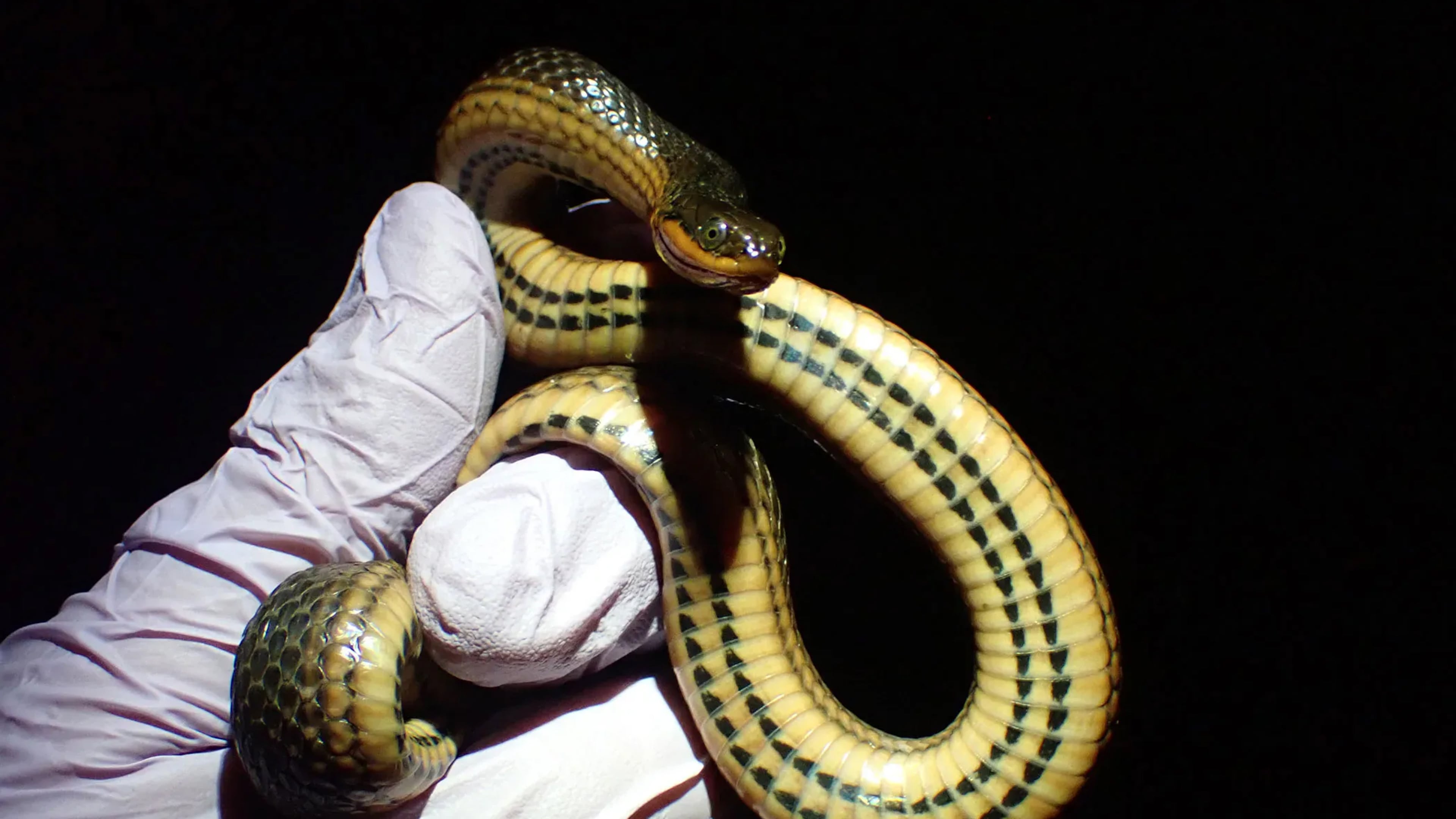
A recent study, however, has found a dangerous combination of fungus, parasites and other pathogens is posing a threat to the snake population in the Southeast, causing a drastic decline across 29 species, in particular the pygmy rattlesnake.
A four-year study of 500 snakes in the Southeast conducted by a University of Georgia research team indicated the pathogens detected were far more present than previously thought, pushing several snake species toward extinction. Because of the foreign nature of the pathogens, some brought by invasive species, native snakes like the pygmy rattlesnake experience worse side effects to exposure, such as weight loss, facial deformities, skin lesions and death.
Corinna Hazelrig, a corresponding author of the study, said when she and her team began their research, the most known fungal pathogen affecting snakes was Ophidiomyces ophiodiicola, colloquially referred to as Snake Fungal Disease (SFD). Hazelrig had previously studied co-infections in shelter dogs, and with this background, she wanted to think about snake health in a broader sense, holistically looking at snakes and the pathogens, parasites and fungal infections they might be facing.
“We hypothesized (one pathogen) had been spilled into the native snake species from the invasive Burmese pythons,” Hazelrig said. “There are likely other invasive species, like the Brown anole, the Cuban tree frog, that have also further facilitated its invasion into native snakes. What we’re seeing is that lungworm can coexist very well in its native Burmese python host. But when it’s in a native snake host, it’s causing a lot of problems.”
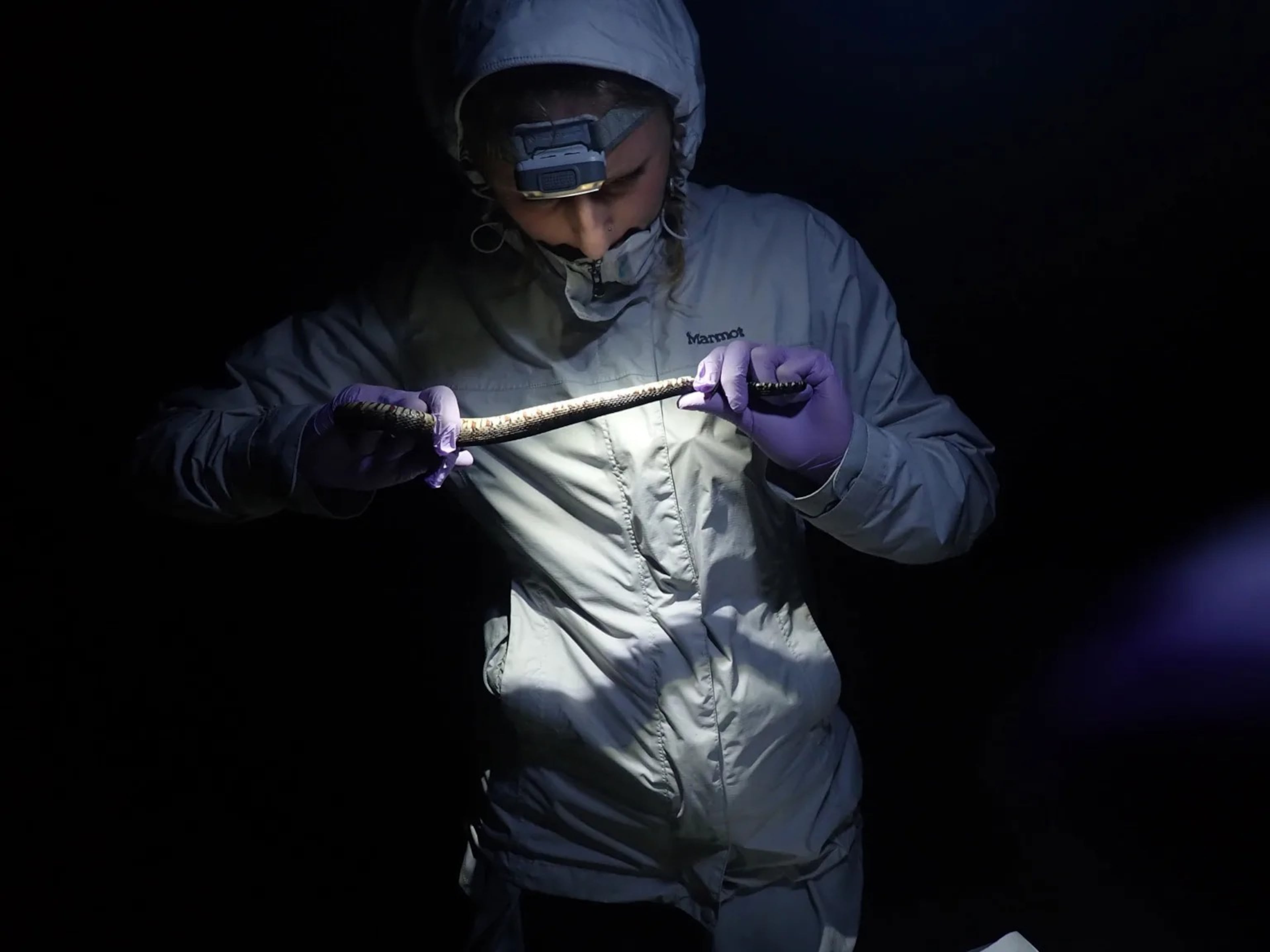
Hazelrig said the population of rattlesnakes in the Southeast had already been declining because of a number of human-based factors, including rattlesnake roundups, a cultural festival where communities will collect as many rattlesnakes as possible in order to kill them.
“Rattlesnakes have now faced severe population declines from targeted mass slaughter, so their population health has been very unstable. And what we’re seeing is that it’s likely predisposing them to have more harmful effects from infectious disease,” Hazelrig said.
If the snake population continues to decline, this could have harmful effects on the ecosystem, as snakes are both intermediate and apex predators, serving as both predator and prey. They control the population of small mammals, including mice, as well as small birds, and are a food source for large birds like hawks. A lack of snakes would cause overpopulation of some species and other species would lose a food source.
Hazelrig said to prevent further population decline, humans need to do their part, resisting what seems to be an almost habitual eradication of snakes.
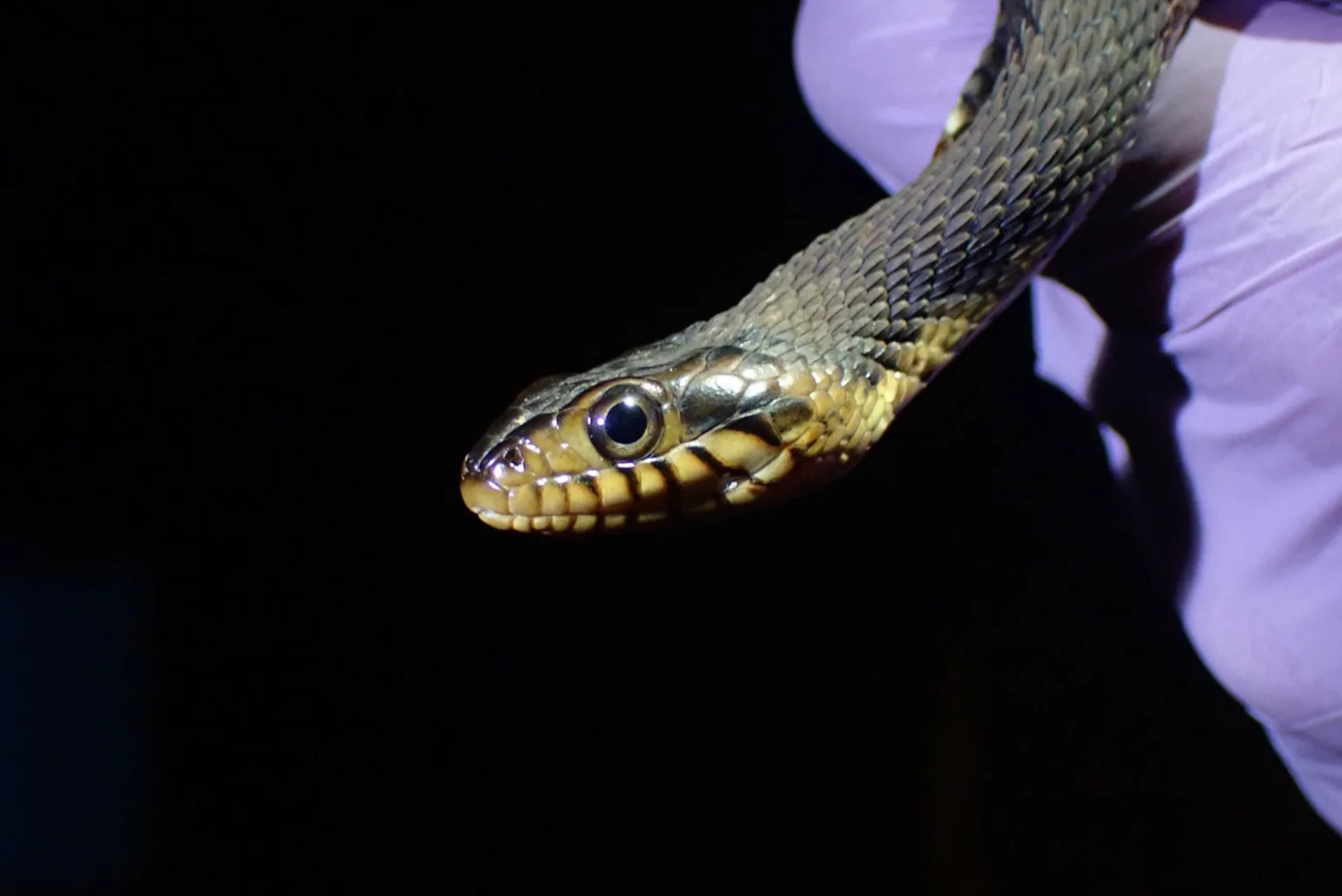
“It’s become so culturally accepted, especially in the rural South, that if you see a snake, kill it. We only have six venomous snake species in the state of Georgia, but we have 46 snake species in the state,” Hazelrig said. “The ratio of venomous to nonvenomous snakes is pretty low. You’re pretty unlikely to see a venomous snake, and if you do, the most harmful thing you can do is interact with it.”
To prevent further pathogen spread and ultimately prevent extinction, Hazelrig advised that, if someone is working with a snake or any kind of wildlife, they use gloves and that they don’t release any captive reptiles into the wild.
“It’s really important when the public is starting to think about how to interact with snakes, is to have them view a snake as just another animal that deserves to live, like, safely, in peace, unharmed,” Hazelrig said.