What killed thousands of fish along the Chattahoochee? A report offers clues.
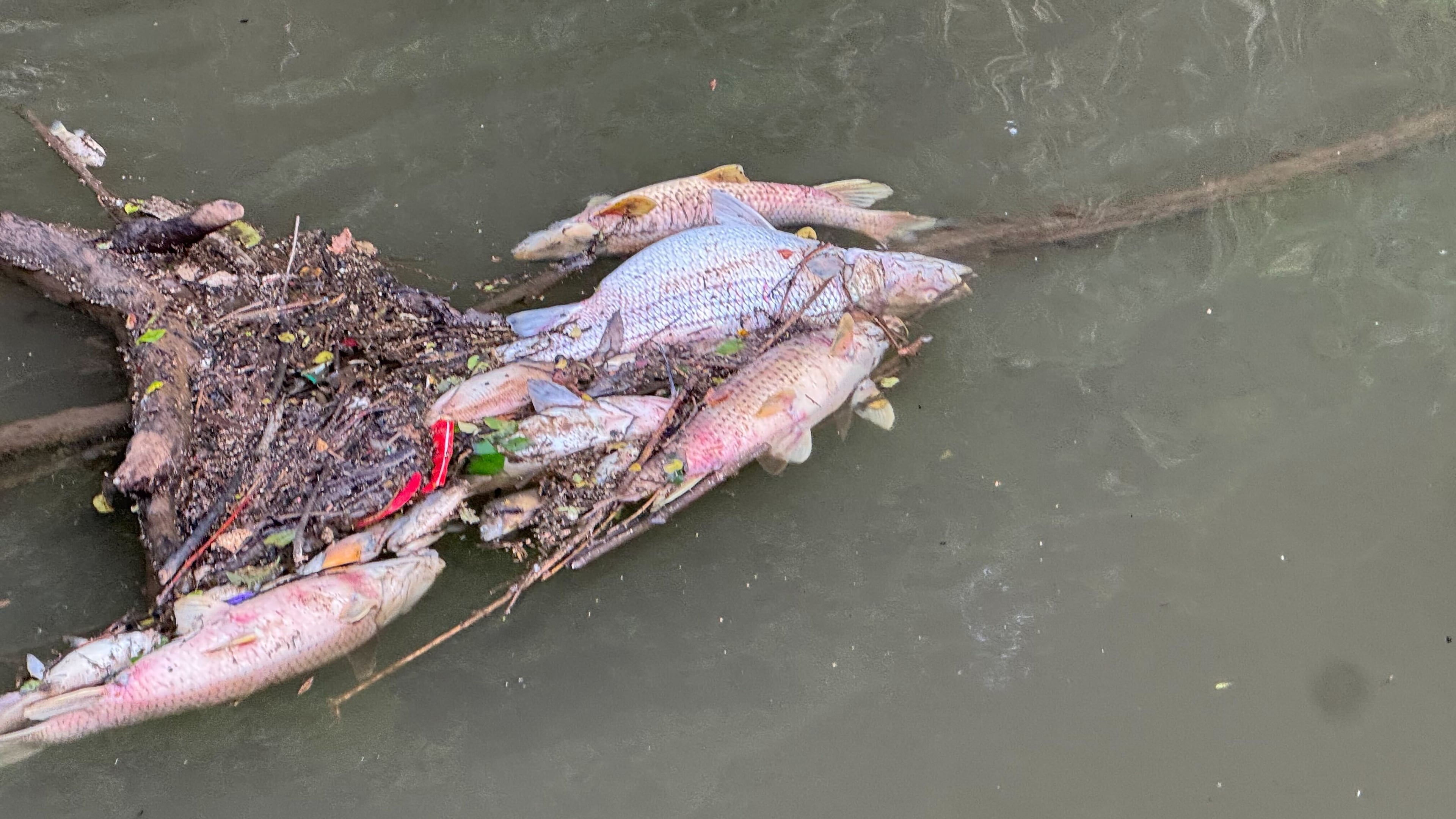
An unprecedented fish kill in the Chattahoochee River was caused by an overflow of oxygen-depleted water from the city of Atlanta’s combined sewer system, a report from the Georgia Department of Natural Resources said.
The low oxygen levels killed roughly 44,500 fish over a 16-river-mile span from Peachtree Creek to the city of South Fulton on the evening of May 20, the same day metro Atlanta had 3 inches of rain in an hour, according to the report from the agency’s Wildlife Resources Division.
The state valued the dead fish at $840,000. Multiple species of fish were found, but the agency said it did not find threatened or endangered species among them.
A state investigator wrote in the report’s findings the agency “can reasonably conclude that the fish kill was the result of the development of hypoxic conditions” after a wastewater discharge from a sewer system tunnel in the river the day of the storms.
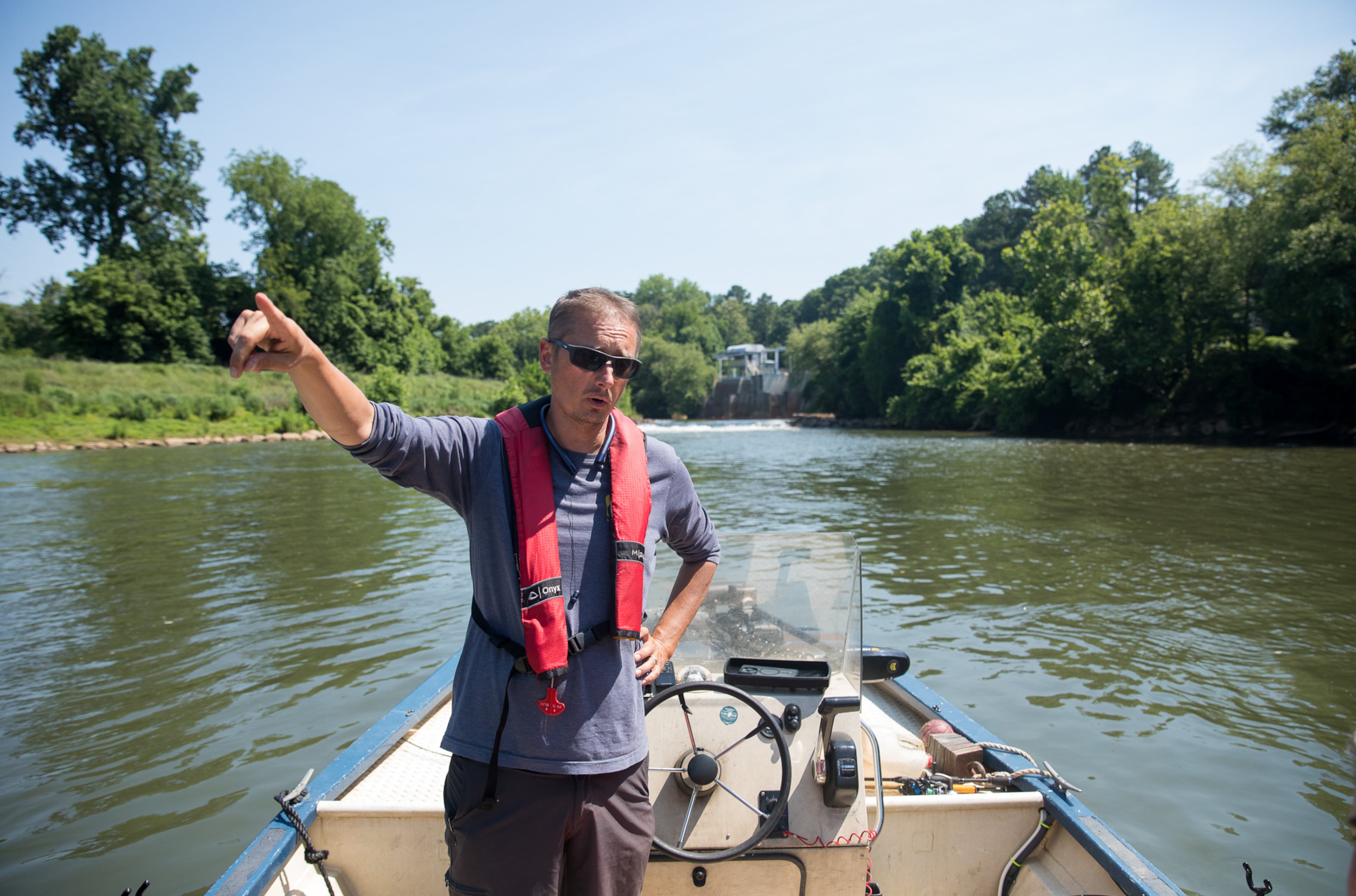
Chattahoochee Riverkeeper and Executive Director Jason Ulseth discovered the dead fish during a routine patrol two days later. The nonprofit revealed the report’s findings in a news release this week.
The Riverkeeper, the Georgia Environmental Protection Division and Atlanta’s Department of Watershed Management have been conducting a joint investigation into what Ulseth called the worst fish kill he’s seen in two decades. They have been focusing on a network of tunnels that lie beneath the city.
Indeed, it was a combination of minimal or untreated sewage and stormwater that overflowed from the watershed department’s West Area Tunnel emergency overflow on Peachtree Creek roughly 700 feet upstream from where it meets with the Chattahoochee River, according to documents from the EPD and Watershed. The Atlanta agency said it estimates nearly 6 million gallons of that water overflowed into Peachtree Creek.
“The City of Atlanta’s sewer overflow system is designed to handle intense storms, so we know that operational failures played a role in the West Area Tunnel overflow,” Ulseth said in a statement.
The Wildlife Resources Division noted the same conditions in its report: low water flows, black sludge along the riverbank and river bottom, sewage odor, and the presence of excessive trash and litter that includes paper products, sanitary wipes, male contraceptive products and feminine hygiene products.
In a statement, the watershed department said the agency “recognizes the significance of this environmental impact and remains committed to transparency throughout the investigation and recovery process.”
“The department is coordinating with environmental regulators, partners, and scientific experts to better understand the extent of the event and identify opportunities to reduce the likelihood of similar incidents in the future,” a spokesperson said in a statement emailed to The Atlanta Journal-Constitution.
The heavy rain started during the afternoon rush hour. At the same time, the Chattahoochee and connecting streams were flowing at near-historical lows, the Riverkeeper said. That the region had been in a monthslong drought compounded the situation.
Ulseth said the city likely will have to adjust its combined sewer operations as drought and extreme rain — both exacerbated by climate change — are expected to continue.
“We look forward to working with Atlanta DWM as they fully investigate and work to prevent a disaster like this from occurring again,” he said.
Protecting the health of the Chattahoochee River is a top priority for the city, the watershed spokesperson said.
“DWM continues to invest in infrastructure improvements, watershed protection initiatives, and system resiliency measures designed to enhance water quality and support the long-term health of the river ecosystem,” the watershed spokesperson said.
In the report, the state said the dead fish species included black and striped bass, bullhead, catfish, rainbow trout, shad, sunfish, yellow perch, and minnows.
The most recent fish kill at this level in Georgia happened in 2011 on the Ogeechee River near the coast. Manufacturing company King America Finishing Inc. released pollutants into the river, killing 38,000 fish along 77 miles.
A note of disclosure
This coverage is supported by a partnership with Green South Foundation and Journalism Funding Partners. You can learn more and support our climate reporting by donating at AJC.com/donate/climate.