Lockheed Martin in Marietta turns 75, eyes future
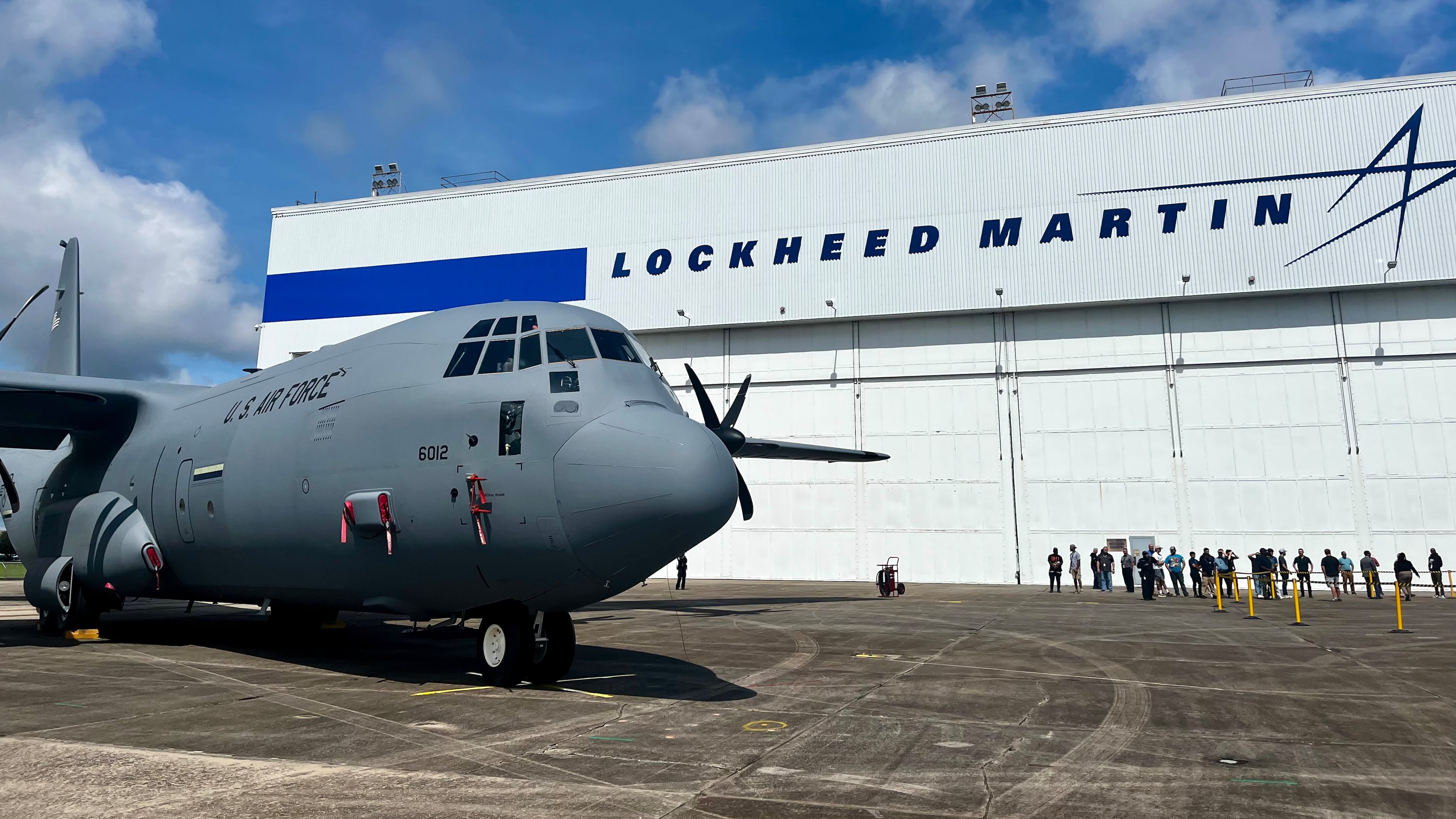
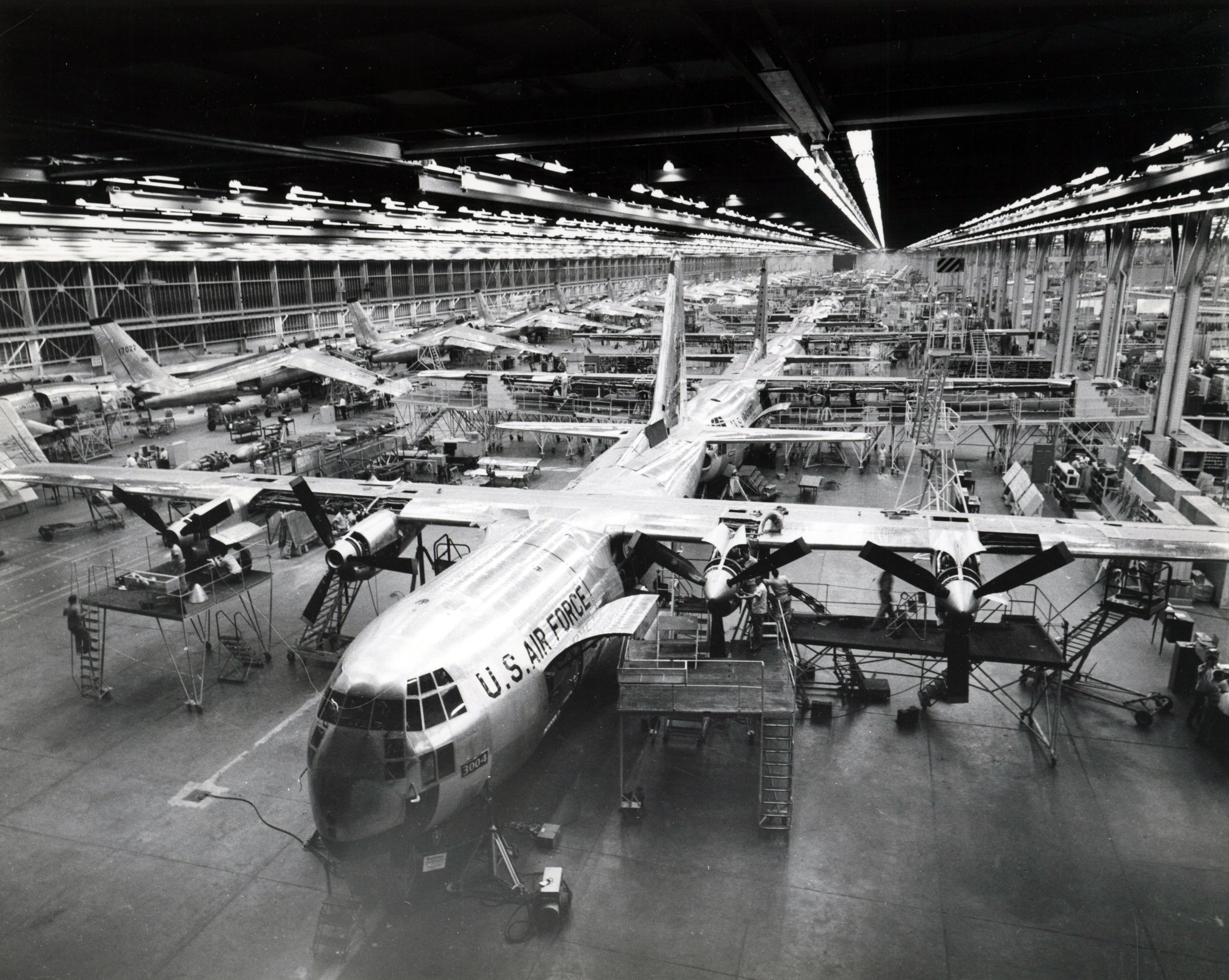
In 1951, Lockheed began operating out of a site in Marietta built to deliver military aircraft. In the 75 years since, it has delivered hundreds of airplanes — from C-130s to C-5s to F-22s.
Lockheed Martin leaders, elected officials, military representatives and employees gathered this week to celebrate the diamond anniversary of the company’s Marietta-based aerospace defense manufacturing complex.
Its legacy stretches from the Korean War to today’s military aircraft programs.
“Today, we celebrate far more than an anniversary,” said Trish Pagan, vice president and general manager of the Marietta site. “We celebrate a legacy of purpose and progress.”
The facility is one of the country’s most significant aerospace manufacturing hubs, employing about 5,600 workers and generating an estimated $4.5 billion in annual economic impact across Georgia, according to Gov. Brian Kemp’s office.
Since 2019, Lockheed Martin has increased its Georgia workforce by more than 25%, adding over 1,200 jobs at its 8-million-square-foot Marietta facility. Statewide, the company employs more than 6,300 people.
Over the decades, the plant has produced some of the military’s critical aircraft, including the C-130 Hercules, C-5 Galaxy, F-22 Raptor and components for the F-35 fighter jet.
At the heart of the facility’s history is the C-130 Hercules program. The aircraft, first introduced in the 1950s, remains the longest continuously operating military aircraft production line in history. Today, workers in Marietta continue producing the newest version, the C-130J Super Hercules, an aircraft used in missions ranging from cargo transport and humanitarian relief to firefighting and special operations.
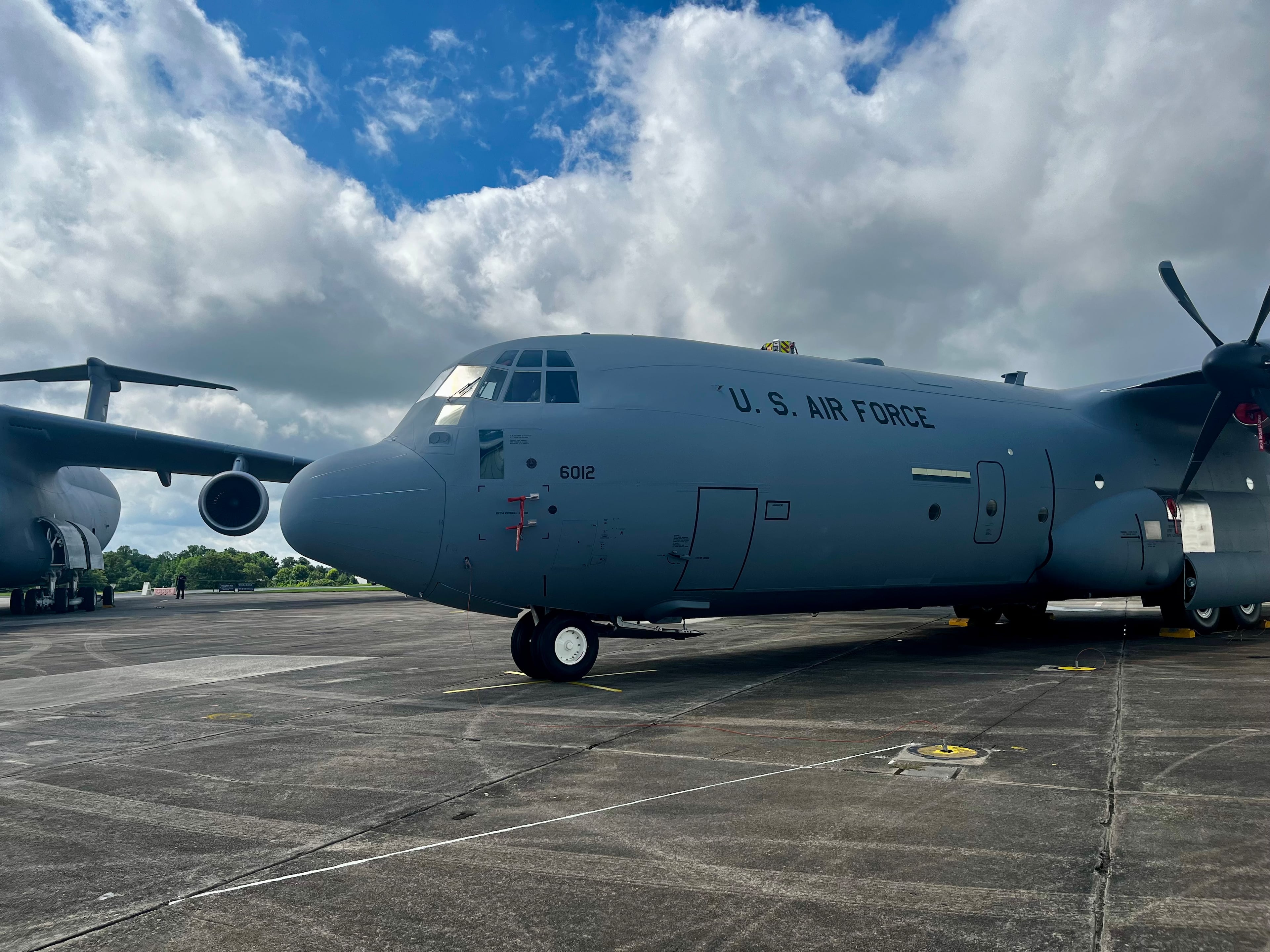
Pagan said more than 560 C-130J aircraft have been delivered from the Marietta site.
“Our mantra, built to deliver, built to last, is not just a slogan,” Pagan said. “It’s the very DNA of the aircraft and this Marietta site itself.”
Lockheed Martin Aeronautics President O.J. Sanchez, a former F-22 pilot, said aircraft built in Marietta continue to play a critical role around the world, whether delivering humanitarian aid through C-130 missions or supporting combat operations with advanced fighter aircraft.
“The men and women who fly these airplanes may never meet the people who designed, built or sustained them,” Sanchez said. “But they trust that every standard was met because somewhere, someday, their mission and potentially their lives may depend on it.”
According to state officials, aerospace products have become Georgia’s top export category, with the industry generating nearly $24 billion in annual gross domestic product statewide.
“Generations of Georgians have built successful careers on these grounds,” Kemp said at the anniversary event. “The hard-working men and women who labor on this site directly support our national security and the safety of our allies around the world.”
The company’s investment in workforce development was another major theme of the anniversary celebration. Pagan highlighted partnerships with educational institutions including Chattahoochee Technical College, Georgia Tech and Kennesaw State University. The company has also expanded apprenticeship and internship opportunities as it seeks to develop the next generation of engineers, technicians and manufacturing specialists.
Matt Tyler, Lockheed Martin’s program manager for the C-5 Super Galaxy program, spent 14 years with the company and previously worked on the aircraft while serving in the Air Force.
He said one of his proudest moments was watching the final C-5 modernization aircraft depart Marietta after a major upgrade program that transformed older aircraft into the more capable C-5M Super Galaxy.
“Sending the last tail home and seeing it take flight represented the end of a great accomplishment and partnership between the Air Force and Lockheed,” Tyler said.
Company leaders made it clear the future for the plant remains a central focus.
Pagan pointed to investments in advanced manufacturing, additive manufacturing technologies, engineering talent and the site’s growing Skunk Works operations as examples of how the company is preparing for the next generation of aerospace challenges.
“Organizations are enduring because they don’t resist change,” she said. “They embrace it.”
That adaptability has helped the Marietta complex survive changing military priorities, economic downturns and decades of technological transformation. What began as a wartime aircraft plant in the middle of the last century has evolved to support military and humanitarian missions across the globe.
As attendees gathered beneath a lineup of aircraft representing decades of aviation history, many reflected on a milestone that few industrial facilities ever reach.
“Seventy-five years truly is more than just an anniversary,” Sanchez said. “It’s a reminder that for three quarters of a century, the people of Marietta have shaped American air power.”