Americans feel Trump broke his promises. That explains Republican losses.
The 2026 midterm elections this week turned out to be a referendum on President Donald Trump and his second administration.
The result was a significant setback for Republicans — from Georgia to across the nation. It was a reminder of one of the oldest rules in American politics: Voters punish leaders who abandon the promises that brought them to power.

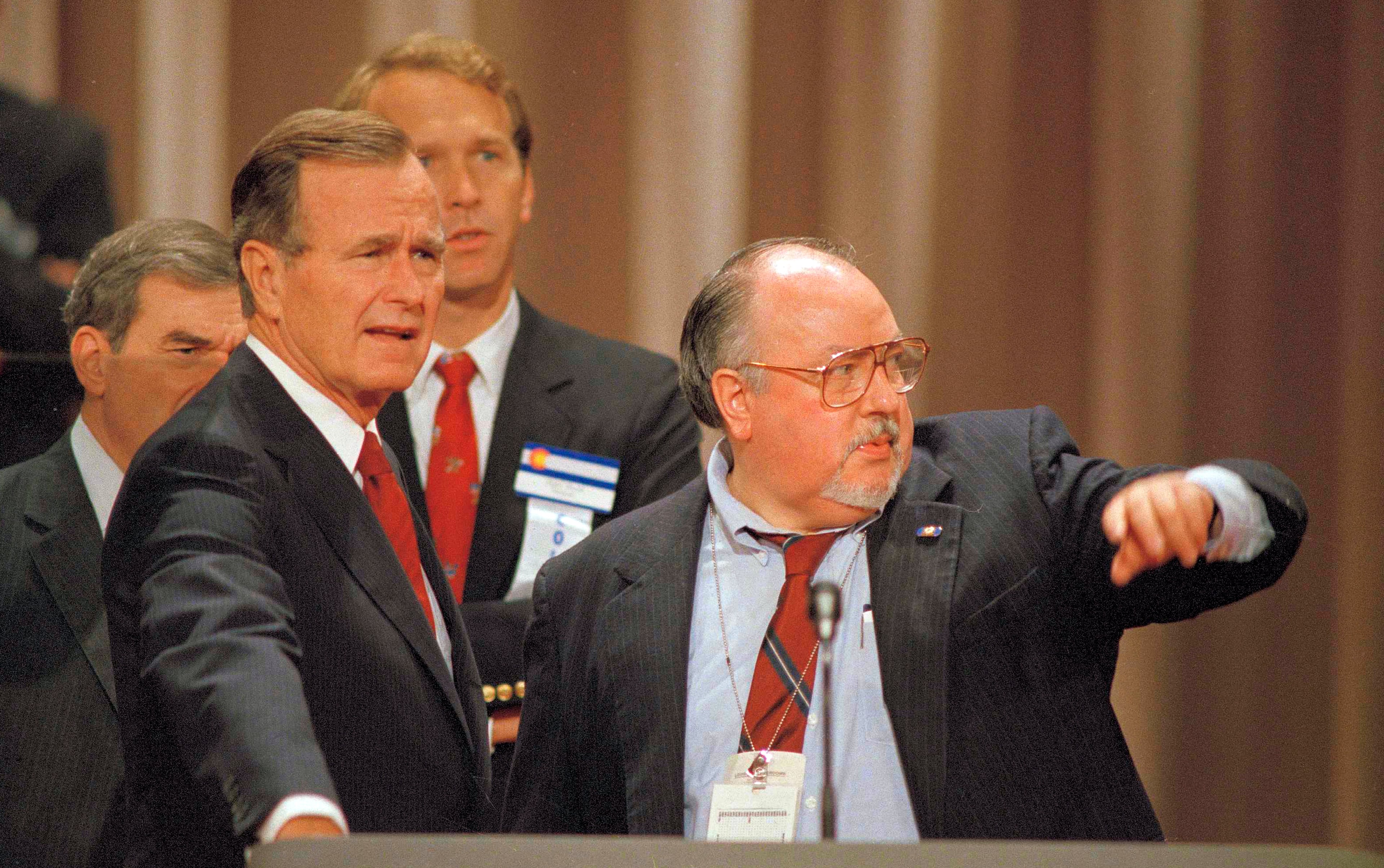
History offers a fitting parallel. In 1988, future 41st President George H.W. Bush famously pledged, “Read my lips: no new taxes.”
When he agreed to a tax increase a few short years later, he weakened the trust that had helped carry him into office. Republicans paid a political price, and in 1992, Bill Clinton won the presidency.
The lesson was simple. Voters may forgive mistakes, but they rarely forgive what they see as a broken promise.
Three self-inflicted mistakes undermined public confidence

Trump entered his second term with a unique opportunity. Unlike most modern presidents, he was viewed by supporters as an outsider willing to challenge the entrenched political establishment. His appeal was built on economic populism, resistance to foreign entanglements, stronger borders, and a promise to represent Americans who felt ignored by both parties.
For a time, that formula worked.
During his first term, Trump presided over an economy that delivered measurable gains for many working- and middle-class Americans. After years of sluggish wage growth and declining faith in institutions, many voters believed their economic prospects were improving. Even critics acknowledged that Trump had forged a coalition that reached beyond the traditional Republican base.
Yet political success often creates the illusion that electoral coalitions are permanent. They are not.
The foundations of Trump’s movement began to crack during his second term. Critics argue that a series of self-inflicted mistakes steadily undermined public confidence.
One issue was the perception that the administration became increasingly disconnected from the everyday concerns of ordinary Americans. A White House stocked with billionaires and wealthy insiders reinforced the image that the populist movement had become part of the very establishment it once condemned. Democrats capitalized on that perception, portraying Trump and his allies as beneficiaries of a system they had promised to dismantle.

Economic policy also became a source of voter frustration.
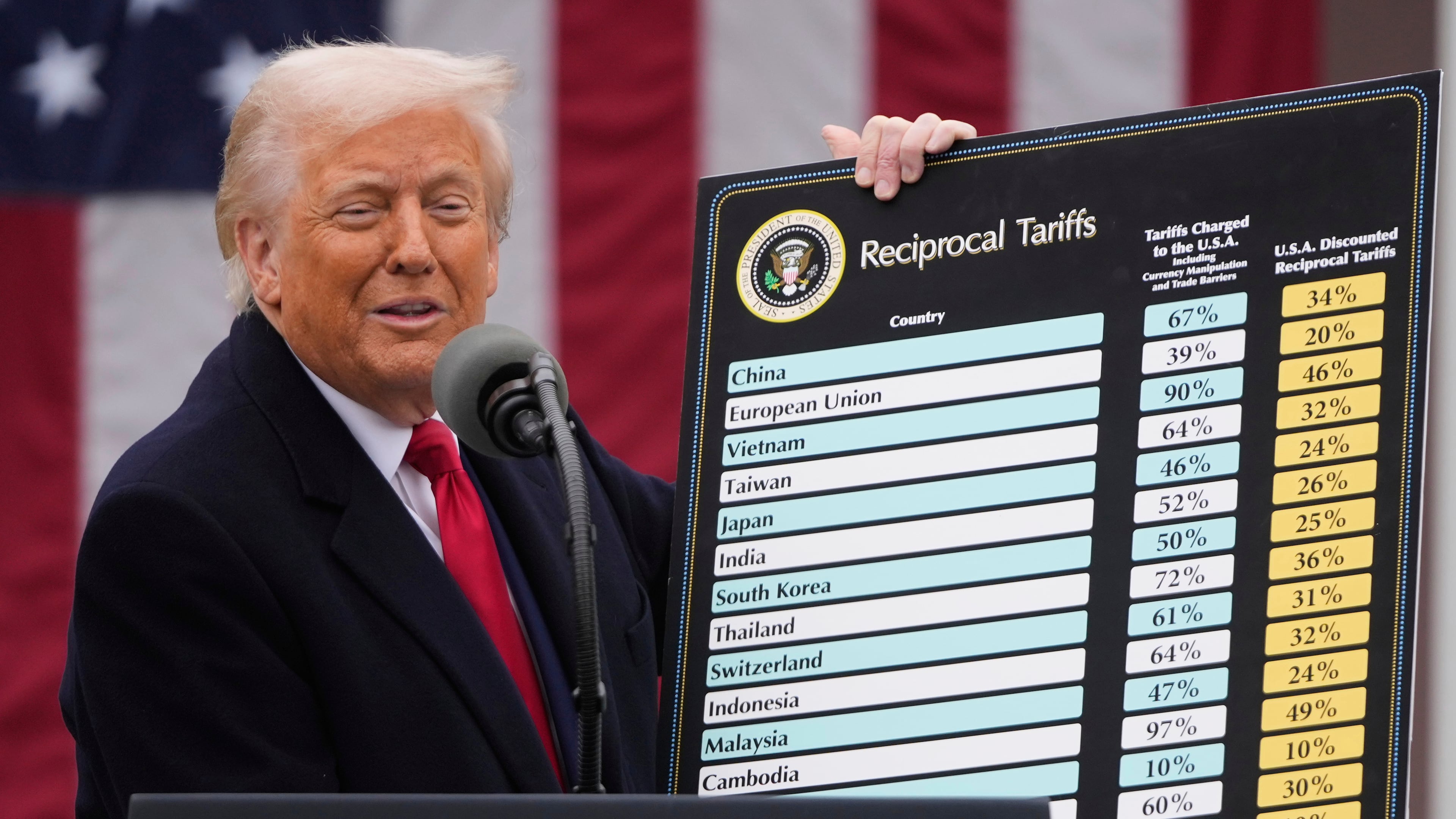
While tariffs were promoted as tools to rebuild domestic manufacturing and reduce dependence on foreign competitors, many small business owners experienced them as higher costs and greater uncertainty. Whether tariffs ultimately succeed or fail remains a matter of debate, but they function as taxes on imported goods and those costs frequently ripple throughout the economy. For businesses already struggling with inflation and supply chain disruptions, the result was growing dissatisfaction.
Most damaging of all, however, was the issue that originally distinguished Trump from much of the political establishment: foreign policy.
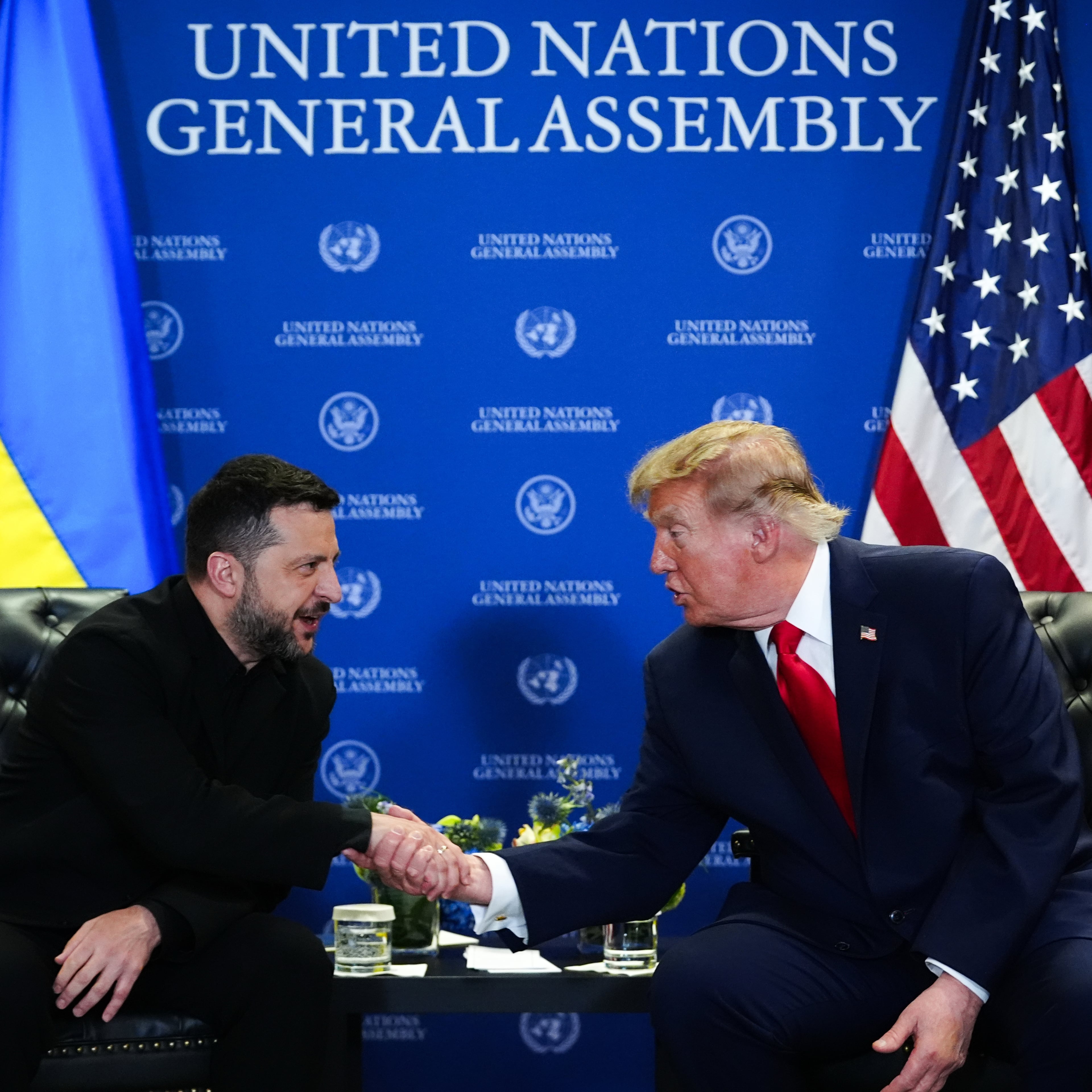
For years, Trump cultivated a reputation as a leader determined to keep America out of costly overseas conflicts. When his administration became more deeply involved in military action abroad, many supporters felt betrayed. The resulting divisions fractured parts of the MAGA coalition, depressed enthusiasm among some voters and energized political opponents.
The ‘swamp’ wasn’t challenged, it grew stronger
The election results also highlighted a broader reality that extends beyond Trump himself. Conservatives continue to face an uphill battle within major cultural and informational institutions. Universities, entertainment, large segments of the media, and much of the technology sector remain dominated by perspectives that generally lean left. Whether one views that as a problem or simply a reflection of modern society, it shapes the political landscape in undeniable ways.
But blaming institutions alone is an insufficient explanation for Republican losses. Elections are ultimately won or lost based on performance, discipline and trust. Voters do not simply reject parties; they reject unmet expectations.
The 2026 midterms suggest that many Americans concluded the administration had drifted too far from its original mission. The promise was to challenge the swamp. Instead, many voters saw a government that looked increasingly similar to the one it pledged to replace.
The result is a divided government, a weakened president, and a Republican Party searching for direction. Meanwhile, the forces that Trump promised to confront remain firmly entrenched.
The swamp did not lose in 2026.
It adapted, survived and emerged stronger than ever. Meanwhile, millions of middle-class Americans continue to wonder who, if anyone, is still fighting for them.
William Loughrey, a former Alpharetta resident, was staff director of the Federal Election Commission. He was an adviser to former U.S. House of Representatives Speaker Newt Gingrich, R-Georgia, and was former chief of staff to United States Sen. Arlen Specter of Pennsylvania. He is the author of “Charles Evans Hughes, Leadership at America’s Crossroads.”
Send letters to the editor of 250 words or fewer with your name, city or town and contact information to letters@ajc.com.
The opinions expressed are those of the writer and do not necessarily reflect the views of The Atlanta Journal-Constitution.