Georgia’s literacy approach benefits adolescent learners and their teachers
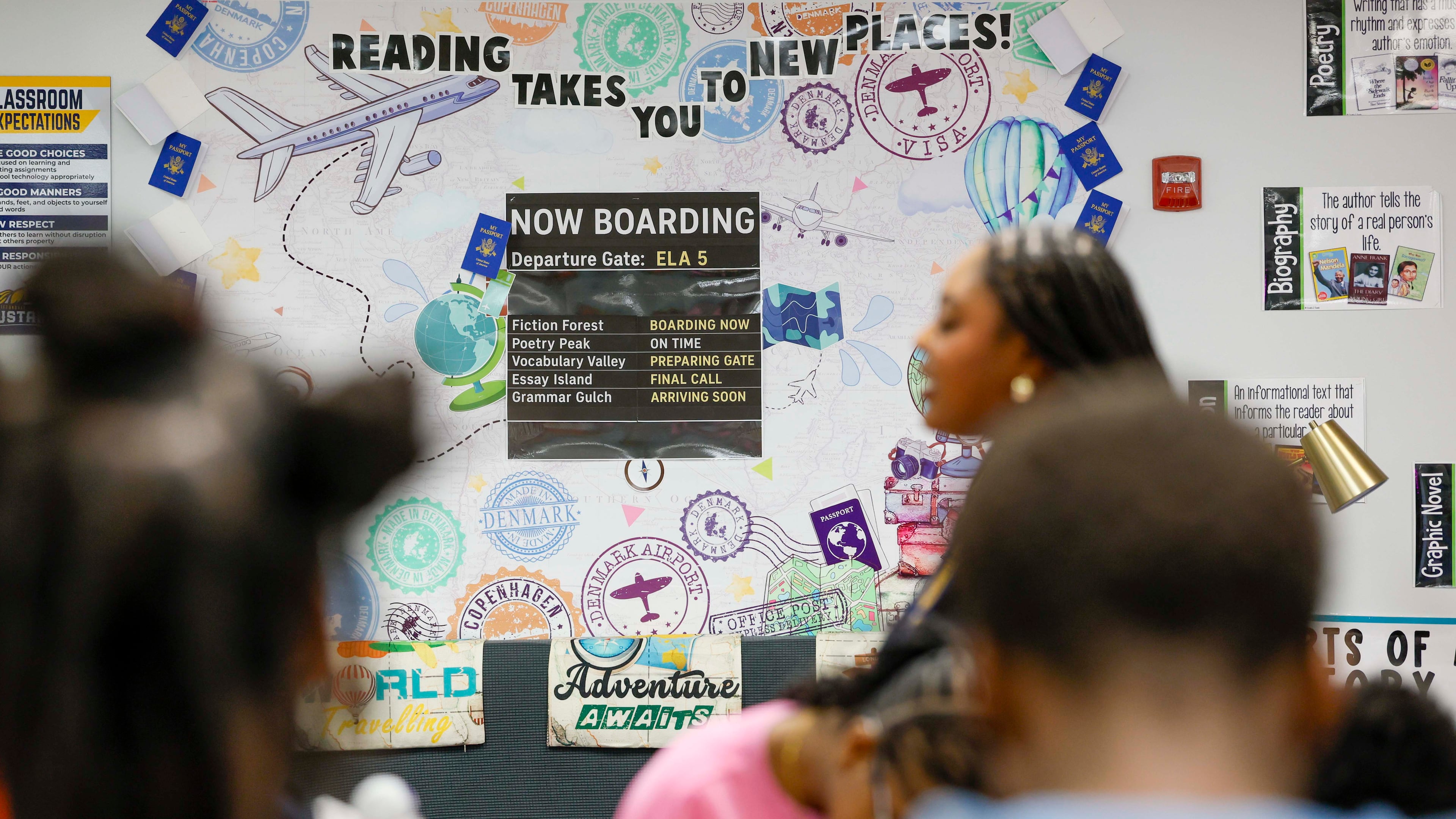
Georgia has shown a growing commitment to literacy improvement. Investments in literacy coaching, teacher training and evidence-based instructional practices have helped strengthen reading instruction in the early grades. The state is also taking steps to attract and develop quality teachers who are trained to deliver effective literacy instruction by selecting iteach as an alternative path into teaching.
As more states like Georgia recognize that literacy challenges don’t end after third grade, they’re paying greater attention to adolescent literacy. The truth is that many students who learned to read in elementary school later struggle with increasingly complex texts and rising academic demands.
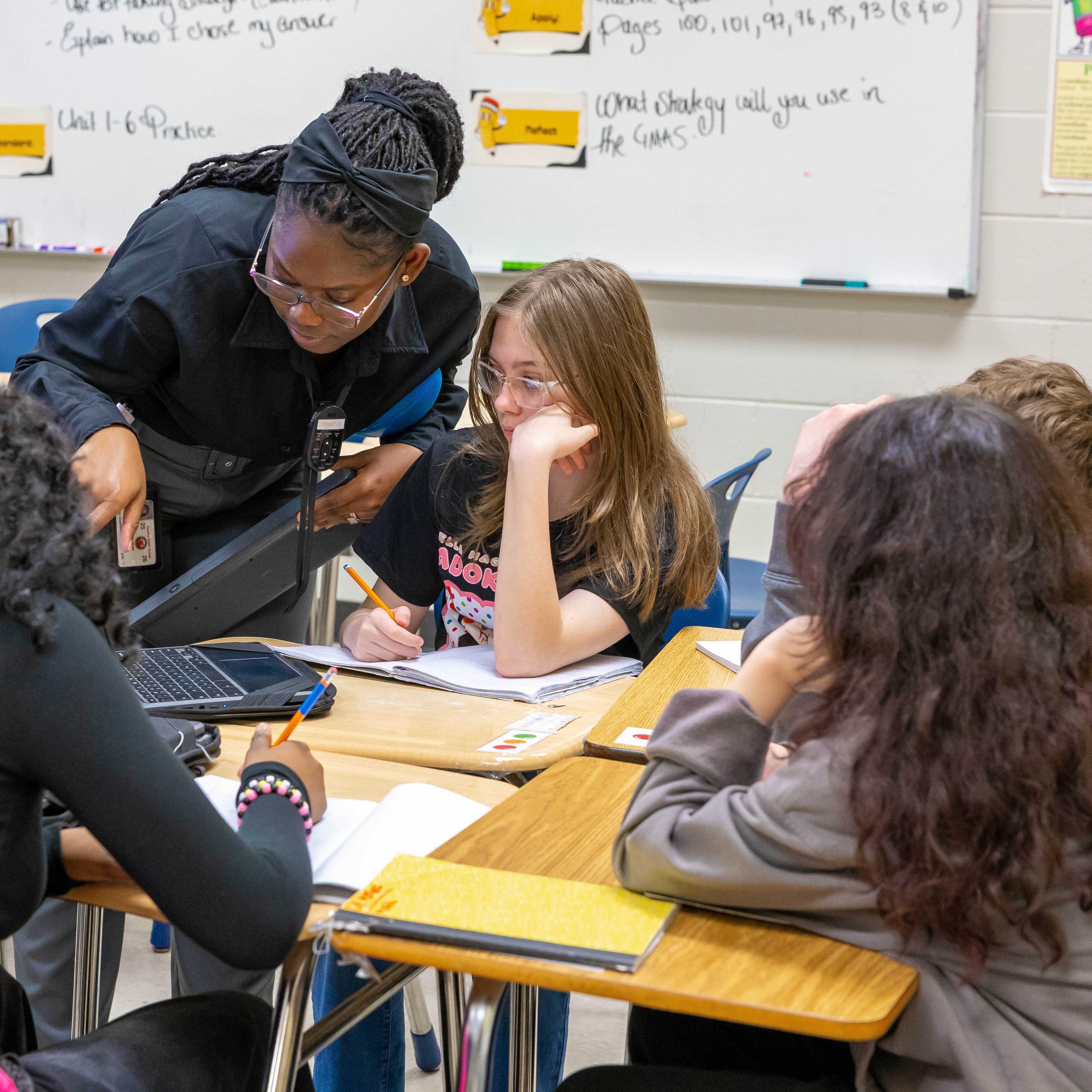
Researchers have long referred to this shift as the “fourth grade slump,” when vocabulary, background knowledge and comprehension challenges begin to emerge.
There’s a growing understanding that sustained literacy success depends not only on helping students learn to read, but also on helping them continue to build vocabulary, background knowledge, and comprehension throughout their academic careers. Supporting literacy development in grades 4-12 is not a departure from earlier literacy reforms. It is the natural next step.
And that is one reason Georgia’s ongoing work in this area is so encouraging.
Georgia expands teaching pathways without hurting learning
Over the past decade, Keys to Literacy has had the privilege of supporting educators across the state. The Middle Georgia Regional Education Service Agency began incorporating several of our professional resources into teacher coursework nearly 10 years ago.
More recently, we partnered with the Georgia Department of Education to develop six online professional learning courses focused on adolescent literacy, along with webinars and additional learning resources that continue to reach educators statewide.
These efforts reflect a shared commitment to helping teachers address the literacy demands students face beyond the primary grades. They also demonstrate Georgia’s willingness to invest in practical, research-based professional learning that can be implemented in real classrooms.
Georgia is also doing something many states say they want but struggle to pull off: expanding pathways into teaching without hurting student learning.

Recently, future educators committed to the profession through statewide Signing Day events, while Georgia unveiled a new articulation agreement designed to create smoother transitions into education careers. At the same time, the state continues to recruit career changers and aspiring teachers through alternative certification pathways.
Taken together, these efforts reflect an important reality: attracting and developing quality teachers requires a strong, sustainable, varied and well-thought-out pipeline. And Georgia deserves credit for recognizing that reality and acting on it.

Align educator preparation to student outcomes
One of the most important pieces of that strategy is the state’s support for alternative pathways into teaching. Programs such as the Georgia Teacher Academy for Preparation and Pedagogy (GaTAPP) help talented professionals bring their expertise into classrooms while receiving structured preparation, coaching and ongoing support.
Far from being a shortcut, GaTAPP is Georgia’s official alternative route to certification, built around job-embedded learning and guided mentorship. With this approach, Georgia is actively widening access to the teaching profession while preserving high expectations for the educators who enter it.
Georgia’s efforts to address adolescent literacy and support alternative pathways into teaching converge through iteach, one of the state’s approved GaTAPP providers.

Iteach is entering Georgia through the same rigorous system that already supports alternative certification across the state. And, importantly, Georgia candidates preparing to teach grades 4-12 through iteach will participate in the Keys to Adolescent Literacy course and read the related book “The Essentials of Adolescent Literacy” I wrote, creating a direct connection between teacher preparation and the literacy knowledge students increasingly need.
It is an example of the kind of alignment that education systems should pursue more often, where recruitment connects to preparation, preparation connects to classroom practice and classroom practice connects directly to student outcomes.
Too often, education initiatives operate in separate silos, but Georgia is demonstrating a different approach. By aligning teacher recruitment, certification pathways and literacy support, the state is creating conditions that help both educators and students succeed.
The most promising education reforms are not the ones that ask more of classrooms after the fact. They are the ones that invest in teachers — all teachers — from the start.
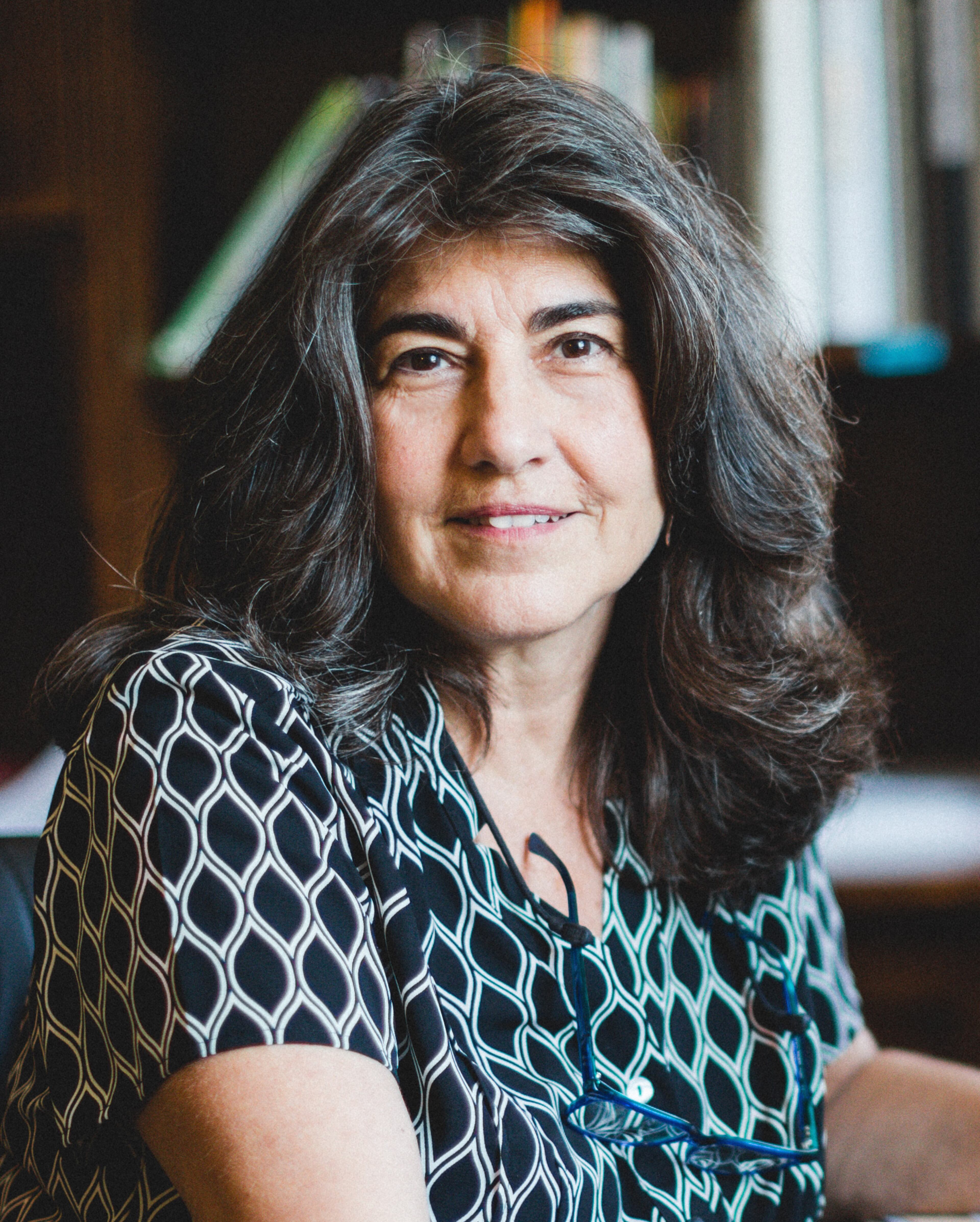
Joan Sedita, M.Ed., is a nationally recognized educator and literacy consultant with nearly 50 years of experience in teaching, school leadership, professional learning and literacy instruction.
The opinions expressed are those of the writer and do not necessarily reflect the views of The Atlanta Journal-Constitution.
Send letters to the editor of 250 words or fewer with your name, city or town and contact information to letters@ajc.com.