Historic Election Day uprising showed Georgians the system worked

In the aftermath of the Watergate scandal, expressions of relief were often accompanied by a single phrase: “The system worked.”
That phrase referred to several interlocking dynamics: that the rule of law was upheld, that a bipartisan Congress exercised its constitutional role as a check on the executive branch and that a free press elevated truth over power.
A similar argument can be made about recent events here in Georgia. Republican Gov. Brian Kemp rejected a proposal by members of his own party to redraw the state’s electoral map and strip Gov.-elect Keisha Lance Bottoms of authority before she takes office in January.
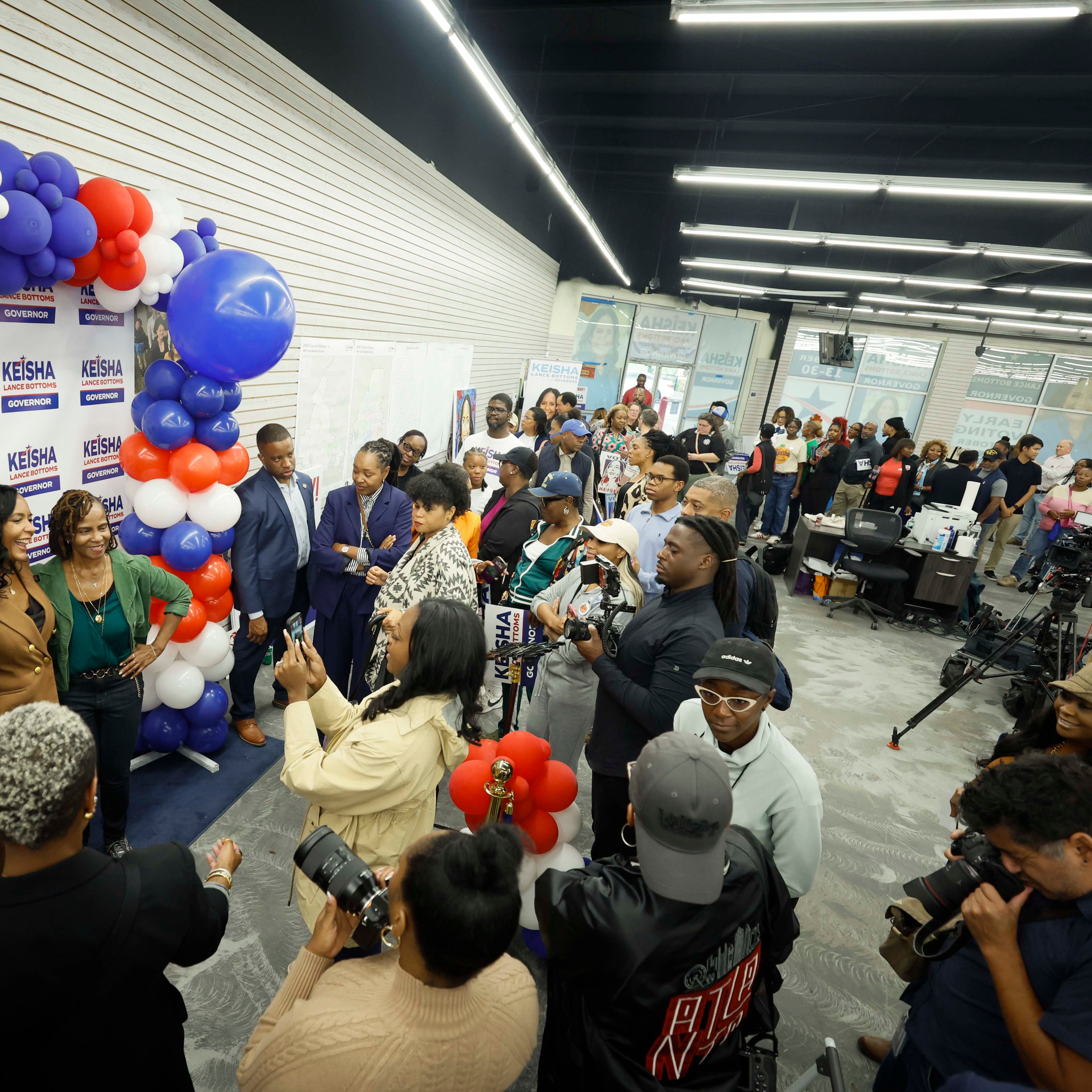
The plan, threatened by state Republicans leading up to the midterms, would have also redrawn congressional districts to secure future GOP control.
Kemp shut down the effort directly: “The voters of our state have spoken. As long as I’m governor, we will always respect the results of secure, accessible, and fair elections. I will not be calling a special session to curtail executive branch powers or debate redistricting changes.”
Power of the people curbed summer special session

What drove this unexpected defense of democratic norms, breaking from a decade of aggressive partisan remapping?
The most decisive factor, as Kemp implied, was the outcome of the Nov. 3 election. A sweeping blue wave handily reelected U.S. Sen. Jon Ossoff and flipped every statewide office — from governor to agriculture secretary — for the first time in over a generation.
Furthermore, the state Legislature, which held a Republican supermajority a decade ago, saw the state House flip to Democratic control, eliminating the single-party dominance that had enabled unchecked redistricting.
Kemp — who in 2020 rejected attempts to reverse the outcome of the presidential election by altering Georgia’s certified vote tally — demonstrated once again a healthy respect for the rule of law.
Grassroots activism also played a pivotal role in preventing another attempt to remap the state.

Last summer, during the World Cup matches that brought international media attention to Atlanta, voting rights advocates flooded the Capitol to protest a GOP redistricting attempt. Democratic U.S. Sen. Raphael Warnock was a featured speaker, noting that the impetus for the maneuver was the U.S. Supreme Court’s Callais v. Louisiana decision.
He emphasized that Republicans understood they faced a tough reckoning at the polls in November over economic pain and President Donald Trump’s foreign policy missteps, seeking to dodge accountability through redrawn lines. Within 20 minutes of a spirited rally after the senator’s speech, Republican state House Speaker John Burns announced the special redistricting session would be postponed.

Dismantle apparatus of partisan gerrymandering
I was among the participants in that protest, having been recruited to attend by my local Indivisible chapter. We cheered passionately upon hearing Burns’ decision. We vowed to redouble our voter outreach from August through November so that a victory for Democrats — who embraced a “fair maps” agenda — would be so overwhelming as to render any subsequent gerrymandering obsolete.
And that is precisely what we accomplished through modern democratic methods: canvassing, phone-banking, fundraising, direct mail and rallies with Democratic superstars.

This historic uprising at the polls sent an unmistakable mandate that Georgia voters demand a government accountable to the public rather than narrow party interests.
By dismantling the apparatus of partisan gerrymandering, this victory ensures the state Legislature can finally honor the true will of the people and focus on addressing their most vital concerns.
The Democrats should now live up to the “Fair Districts” pledge signed by elected leaders such as state Sen. Elena Parent. In 2021, she sponsored the Transparency Act, which would have reformed the redistricting process, made hearings public and given the citizens a voice.
This would be a powerful statement that they are prepared to govern so that the system works.
Ellen Rafshoon of Atlanta is a retired U.S. history professor and is writing a book about how women turned Georgia blue.
Send letters to the editor of 250 words or fewer with your name, city or town and contact information to letters@ajc.com.
The opinions expressed are those of the writer and do not necessarily reflect the views of The Atlanta Journal-Constitution.