A cup of coffee nearly cost me a job. Hiring managers should know better.

Early in my career, I brought coffee to an interview. It nearly cost me the job.
A member of the hiring committee was bothered that I’d “sauntered in with coffee in hand,” sleeves rolled up on a hot Florida day. What did my casual demeanor reveal about my work ethic?
I was a reporter interviewing for my first communications role at a university, so there were also concerns about my lack of higher education experience. Could I navigate that environment?
They hired me anyway.
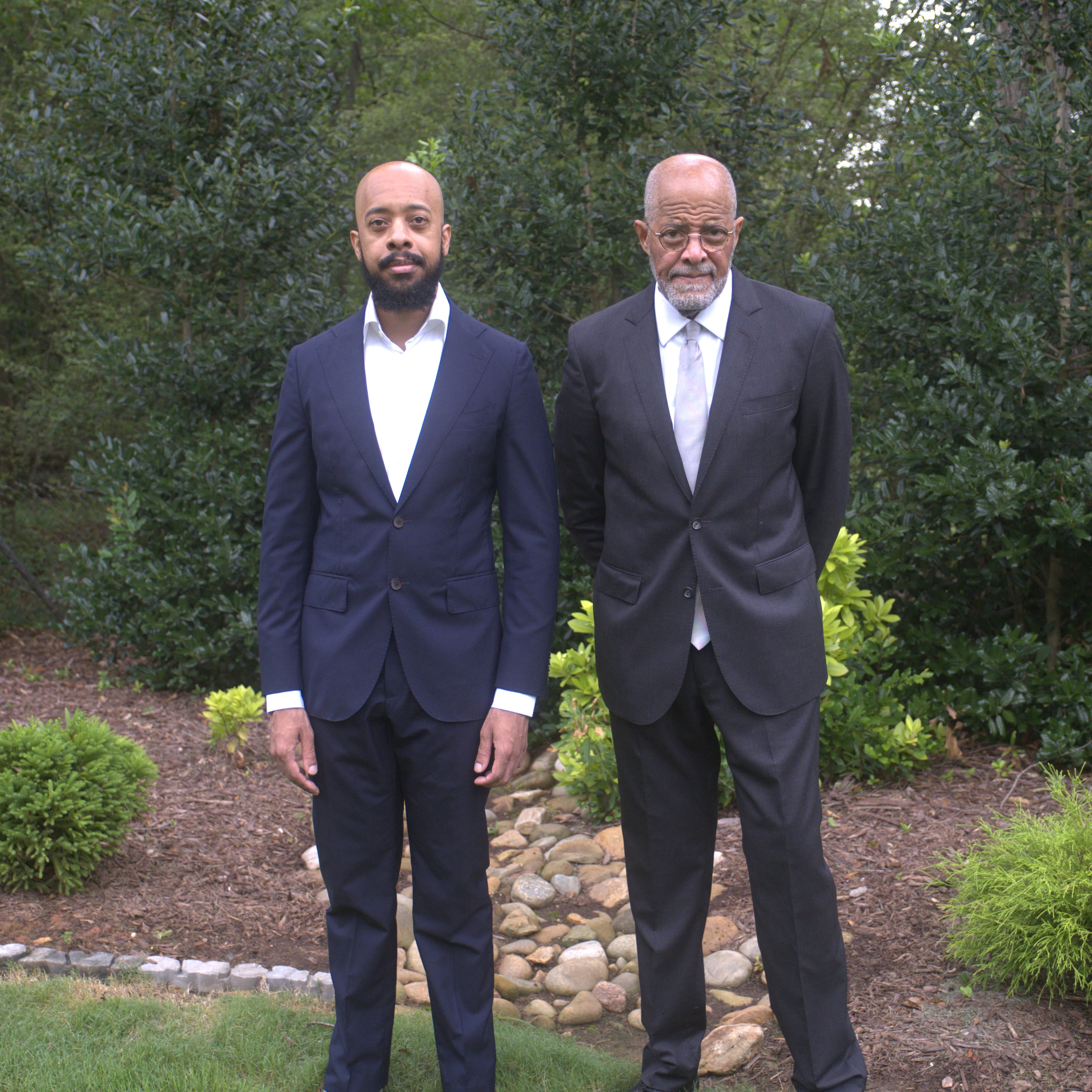
Over the next 10 years, I advanced from an entry-level position to leading the university’s global news and media relations operation. I fielded more than 1,000 media inquiries, led a yearslong communications strategy for the first student-built camera system to land on the moon and eventually moved to a university in Georgia, where I now lead a 17-person team responsible for enterprise news, marketing, brand strategy and more.
The coffee and rolled sleeves, it turned out, weren’t great predictors of future success.
Applications rose while number of recruiters dropped

That experience sprang to mind recently as debate raged online over whether bringing iced coffee to a job interview is grounds for rejecting a candidate.
It began with a viral TikTok post from Caitlin Wehniainen, president of a Florida recruitment agency, who advised Gen Z candidates to finish their drinks before heading into interviews.
The advice sent LinkedIn into a tailspin and ignited a heated intergenerational argument that has since reached The New York Times and CNN. Younger workers felt unfairly maligned by older hiring managers — a fresh take on the old “millennials can’t afford houses because they overspend on avocado toast” chestnut.
But this isn’t a generation-specific issue. And the question itself is far less interesting than the intensity of the public’s reaction to it.
The debate reveals deep insecurities in the current job market: candidates clueless as to what factors may eliminate them from hiring consideration and hypercautious employers confusing personal preferences with professional ability.
Market data helps explain the anxiety.
Hisayuki Idekoba, CEO of Indeed, one of the world’s largest job boards, recently called the current hiring environment a “vicious cycle.” Here’s why: The number of applications per job opening have increased 111% between 2022 and 2025, according to Greenhouse data cited by Fortune, while the number of recruiters has dropped 56%. Fake job postings and AI-generated applications are also making it harder for candidates and employers alike to separate the signal from the noise.
In June, more than 1.9 million Americans — roughly 1 in 4 unemployed people — had been jobless but still looking for work for more than six months. Meanwhile, candidates rarely receive substantive feedback in rejection letters.
This much uncertainty makes small details seem significant. Was it the resume gap? My location? The thank-you note? A lack of so-called “executive presence”?
Coffee became the latest plausible theory.
Look past surface-level biases. Focus on qualifications.
It’s true: In a highly competitive market, it’s the candidate’s responsibility to minimize risk. If there’s even a small chance that a coffee cup could be disqualifying to a hiring manager, the safest choice, like it or not, is to leave it in the car.
But employers have responsibilities, too.
Hiring managers must look past surface-level biases and resist the urge to correlate the visible with the valuable. When evaluating a group of qualified people, it’s tempting to simplify the decision by assigning weight to details that may — or may not — matter: job hopping, overqualification, generic cover letter, multipage curriculum vitae.
I, like most hiring managers, have been tempted by similar red herrings. But a process based on intuition and unwritten rules increases the risk of bad hires, wastes time and leaves teams unable to evolve beyond the status quo.

A candidate’s accomplishments, experience and work samples should determine whether they earn an interview. Once in the room, keep the focus on job-relevant facts: Do candidates understand the role? Have they done their homework? Can they explain how they move from problem to solution? (Past projects are perfect case studies).
So yes, candidates should leave their coffee in the car because, in this market, they can’t afford not to. Employers, though, should challenge their own assumptions.
Artificial intelligence has changed the hiring landscape, making human judgment more important than ever. Managers should respond with clarity and critical thinking — not superstition.
Mike Cavaliere is the chief communications officer at a public university in Georgia. He is also an award-winning former journalist and author.
The opinions expressed are those of the writer and do not necessarily reflect the views of The Atlanta Journal-Constitution.
Send letters to the editor of 250 words or fewer with your name, city or town and contact information to letters@ajc.com.