Black women’s exodus to Ulta salons is a warning, not a solution

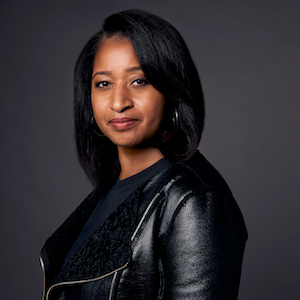
I haven’t been to an Ulta salon in more than a decade. The last time I visited a stylist at the corporate-backed beauty emporium was the only time I have ever walked out of a salon before the service was complete.
There was only one stylist available to do keratin treatments when I booked the service. She was a young Black woman with experience working with textured hair but it quickly became apparent that she was out of her comfort zone.
Six hours later (!!) my hair was a puffy, frizzy mess, the exact opposite effect of what a smoothing keratin treatment should deliver. I paid full-price because even though we all knew my hair looked like a bird’s nest, the chemical treatment had been completed. The manager offered to book a separate appointment for a free styling session. Not only did I decline to return to the salon, but it was also a long time before I could bring myself to shop at the store.
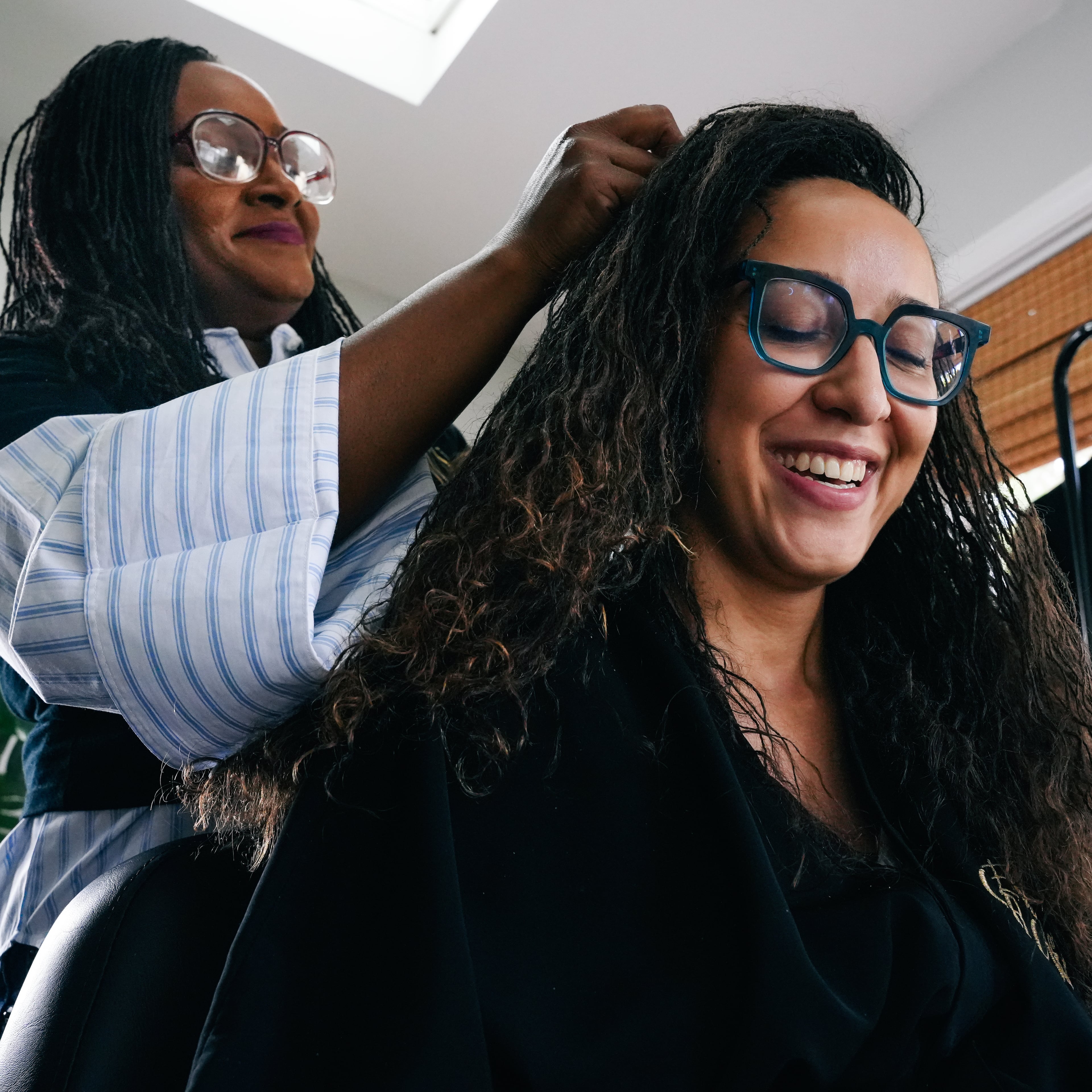
So, when Black women on social media began singing the praises of Ulta salons in viral posts, I wasn’t convinced. They gave many reasons for defecting from traditional Black beauty shops and stylists at salon suites including lower costs, easier booking and none of the weird practices — pre-washed hair, expensive deposits and long wait times — that have become routine with some independent operators.
After reading the online discourse, it was clear that Black women fleeing to Ulta isn’t a solution but a reflection of challenges that have long plagued Black stylists, salons and their clientele. Unless there is intentional change, Black women, both stylists and clients, stand to lose economically and culturally as the salon industry continues to transform.
It wasn’t so long ago that corporate-backed salons like Ulta and JC Penney were the boogeymen of Black haircare, accused of either charging an Afro tax or turning away patrons with textured hair.
As recently as March, a Black woman filed a discrimination lawsuit against Ulta after being denied service at a salon in New York City. The woman and her 7-year-old daughter, both professional models, were told upon arrival at the salon that the stylist could not do their kind of hair. At the time, they were both wearing hats that concealed their hair texture. The complaint notes that New York is one of several states that requires stylists to be trained in all hair textures.
Back in 2008, a similar incident in California caught the attention of famed civil rights attorney Gloria Allred. Brenda McElmore sued JC Penney after she was allegedly denied service on her textured hair.
Black women in America visit the hair salon more often, have longer appointments and spend more time at the salon than women of other ethnicities, according to 2023 data from global beauty corporation Unilever. They also must travel the furthest to find stylists who are willing or able to do their hair. These are inconveniences that many Black women have learned to accommodate.

Black stylists and salons have historically held a monopoly on Black clients and not necessarily because they are more talented at doing Black hair, as I learned from my Ulta experience.
Black women go to Black stylists because we assume they understand the intricacies of Black hair, have similar experiences in their own hair journey and understand that a Black hair salon isn’t just a place to get your hair done but a foundational part of Black life in America.
Though she has been natural her whole life, D. Danyelle Thomas, recalls hours spent in the hair salon reading magazines or listening to women debate the finer points of the movie “Waiting to Exhale” while she waited for her mom to get her hair crimped in the 1990s. This was before many salons introduced policies barring children from the premises.
“There was a strong salon culture. When you lose that culture and keep increasing costs and decreasing services, what do you expect people to do? The girlies started going where they can afford,” said Thomas.
“We went from salons to salon suites, that is a big thing and it has changed the way in which we relate to the salon. When I think about that in context of Black women saying they don’t have Black women friends, it means losing a place that teaches us how to be in community with one another.”
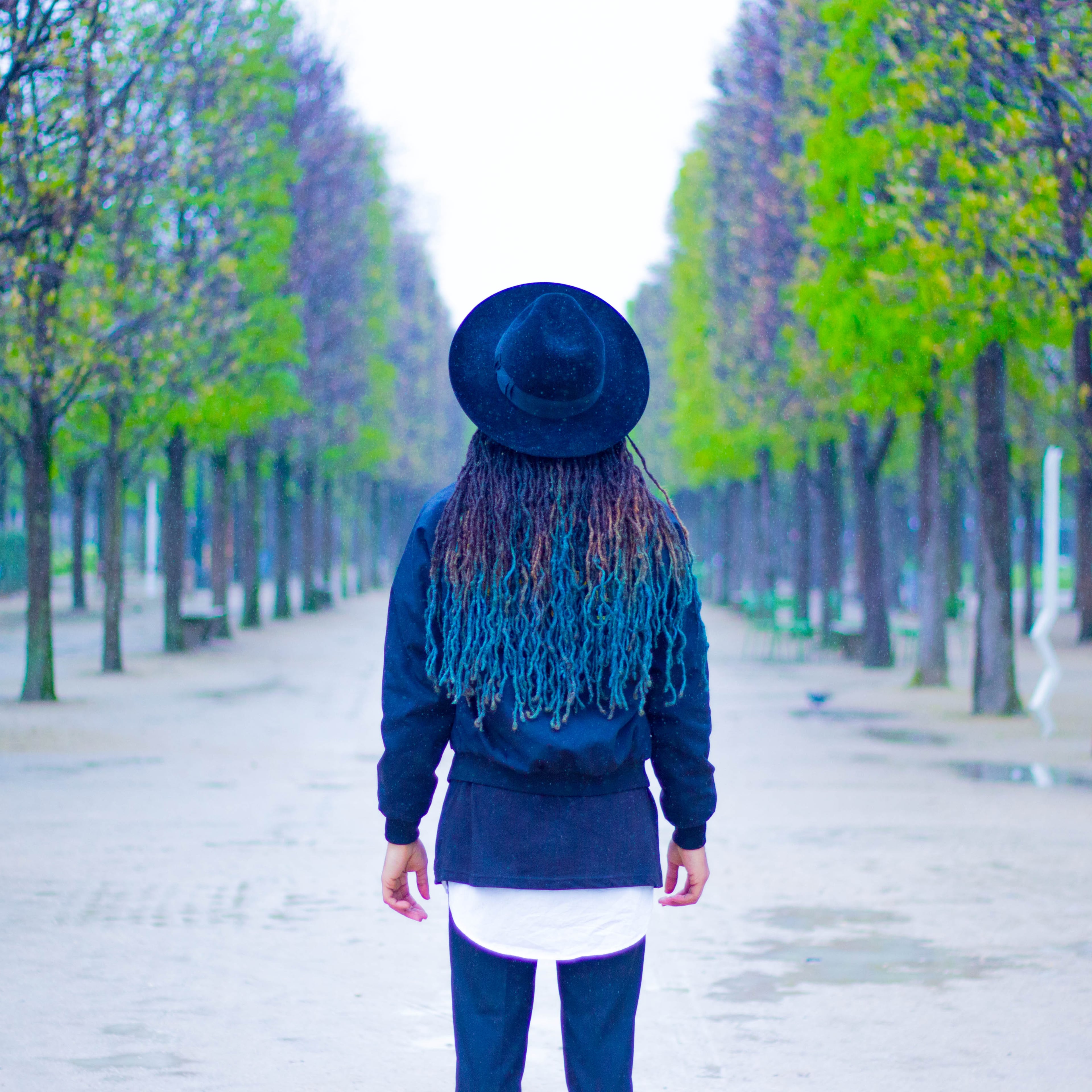
The rise of the salon suite model and its arrival to metro Atlanta in the early 2000s brought a major shift in the industry.
It solved many of the problems that beauty professionals experienced with traditional hourly wage and commission-based employment or booth rental situations, but it also changed the experience for clients.
Stylists gained privacy, control over their business and increased their income but they lost support. Independent operators who aren’t affiliated with a salon must do their own marketing, scheduling, pricing and purchasing, in addition to styling hair.
When aspects of the business are poorly managed, clients pay the price in the form of higher costs, inconsistent service and booking challenges as well as a loss of the salon community.
Once the sacrifices outweigh the benefits, even the most talented stylist can lose loyal clients and suddenly Ulta is going viral in Black hair forums.
Salon services only account for 4% of revenue at Ulta stores but the company made clear its plan for growth by implementing training on textured hair in 2018 and recruiting more Black stylists.
By 2020, the company reported a 45% increase in transactions for textured hair services. In July, in partnership with the Black Beauty Roster, Ulta launched its All Textures Certification, a pilot program that includes written and practical assessments for stylists across a range of hair textures.
For almost a decade, Ulta has been quietly working to meet the demands of the market. For the next decade, independent Black stylists and salons must make sure they are doing the same.
Read more on the Real Life blog (www.ajc.com/opinion/real-life-blog/) and find Nedra on Facebook (www.facebook.com/AJCRealLifeColumn) and X (@nrhoneajc) or email her at nedra.rhone@ajc.com.