Lindsay Clancy tragedy is rare. Perinatal mental health issues are not.
What’s the leading complication in pregnancy and childbirth? If you’re like me, you’re probably running through the wide gamut of possibilities like gestational diabetes, preterm labor, high blood pressure disorders, hemorrhaging, severe nausea, preeclampsia and urinary tract infections. But you’d be wrong.
It’s mental health concerns with a shocking 1 in 5 women experiencing maternal mental health disorders.
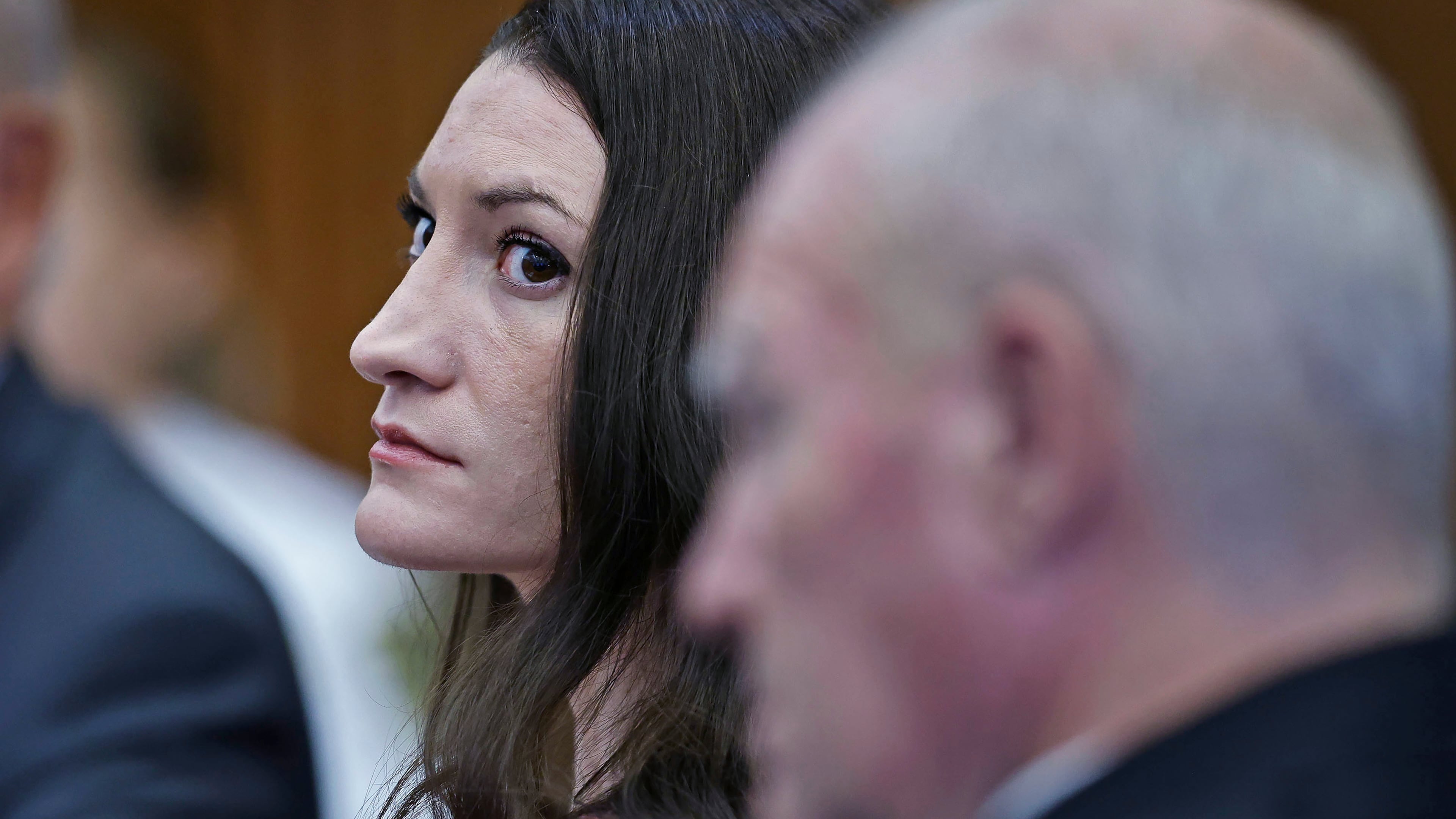
The Lindsay Clancy trial and tragedy has placed maternal mental health in the forefront of people’s minds and attention the last several weeks. There is no absence of opinion on the matter as three children are dead at the hands of their mother and justice begs to be given.
Why would a mother with three beautiful children, a devoted husband, family support and comfortable finances take the lives of her kids and try to take her own? We won’t ever know what, if anything, could’ve changed the trajectory of what happened in this horrific case, but what we do know is that about 20% of women during pregnancy or after childbirth are struggling mentally and emotionally.
That’s a startling 800,000 families a year impacted by maternal mental health difficulties.
This is what the body’s stress response is like

According to the Policy Center for Maternal Mental Health, over the last decade, the mental health of U.S. mothers has worsened, stating between 2016 and 2023, mothers reported a nearly 65% increase of “fair to poor mental health.”
Financial difficulty, minority experience, previous mental health struggles, family support, education level and access to affordable childcare all play a role in the health of the mother.
Having four kids, the odds were good that I would deal with my fair share of postpartum mental health challenges. I experienced sadness, worry, confusion about my new role after leaving a job I enjoyed, and without having family in town, I often felt isolated.
If you’re a mother, you’ve likely experienced maternal mental health issues at some point or know someone who has. Having children is a major event in a woman’s life and there is no way around it.
Significant life changes elicit the body’s stress response and can lead to illness, whether or not the cause is a positive stress or negative stress. Pregnancy, for most, is not a negative disruption, but is still a significant stressor. On the Holmes and Rahe Life Stress Inventory, it ranks as one of the most impactful events alongside death of a spouse, moving and marriage.
If you can imagine the body’s stress response as a rubber band, whether the band is stretched around flowers or divorce papers, it’s stretched all the same. This illustrates how stress can impact the body regardless of interpretation of the good or bad dichotomy. Throw in hormonal changes that accompany pregnancy and childbirth, and this weighs the load even more.
Untreated mental health issues are costly
Many things can get in the way of women admitting and seeking help for maternal mental health. There is significant stigma surrounding maternal mental health, with many feeling guilt and shame that they are struggling. Why can’t I just be happy that we have a new beautiful bundle of joy?
Two things can be true at the same time.
Despite the outstanding numbers of women affected, 80% of women in the U.S. aren’t even screened for perinatal mental health disorders in the entirety of their maternal care experience.
Untreated perinatal mental health issues cost the U.S. healthcare industry $14 billion a year. Many women don’t have access to quality perinatal care or feel embarrassed to answer mental health questionnaires honestly, thinking they will be viewed as bad mothers or their children will be taken away. Mothers and healthcare providers must be educated on how to talk about these common and treatable conditions.
Thankfully, my times of pregnancy and childbirth are well behind me in the rearview; however, many women are currently in the throes of maternal mental health challenges. If that’s you, you’re not alone and help is available. Tragedies like Lindsay Clancy’s are rare, but suffering from perinatal mental health issues is not.
Take baby steps. Get sleep, exercise and eat well. Reach out to someone, a friend, a family member or anyone in your social circle. Visit a doctor or therapist and take medications if they are warranted.
If you won’t do it for yourself, do it for your child. Most maternal mental health issues are easily treatable, so take steps to move toward wellness today.
For free advice and 24/7 support contact the National Maternal Mental Health Hotline at 1-833-TLC-MAMA (1-833-852-6262) and/or Postpartum Support International Helpline at 1-800-944-4773. If you’re a healthcare provider or work with pregnant women or new moms, you can find perinatal mental health advocacy information by downloading the Advocacy Toolkit from the Maternal Mental Health Leadership Alliance (mmhla.org).
Beth Collums is an Atlanta-based writer. With a professional background in child and family therapy, she often writes about mental health, relationships and education.
Send letters to the editor of 250 words or fewer with your name, city or town and contact information to letters@ajc.com.