When mental illness makes the headlines, remember help is closer than you think

In August, a 29-year-old man named Ramon Harris was killed in a stabbing near a Kroger on the Atlanta Beltline.
The man charged in his death, 54-year-old Jonathan Hamby, had been arrested more than 30 times over three decades and, his family says, lived for years with a severe, untreated mental illness.
In the days after the killing, Hamby’s relatives said publicly what too many Georgia families already know privately: They had been fighting the system for years to get him real help and they kept being turned away.
They are not alone. Actor Hayden Panettiere died Aug. 16 at 36, of an accidental drug overdose, years after she spoke openly about postpartum depression and an addiction she once called “drowning.”
Days earlier, Perez Hilton, a prominent blogger and TV personality, harmed himself during a livestream, in front of his own family, in a crisis serious enough to send him to the hospital.
On Sept. 29, the family of Fiona Lowe, daughter of actor Chad Lowe and casting director Kim Painter, announced she had died by suicide at 13 years old.
Different people, very different lives. But the same warning runs underneath them all: mental illness does not check a bank balance, a ZIP code, or a resume before it takes hold.
It reaches people with every resource in the world, and it reaches a man cycling through the jail system for the 31st time. What all three stories share is what came before the headline – someone who needed help long before the crisis point, and a system that too often makes that help hard to find.
Insurance is not necessary to obtain mental healthcare
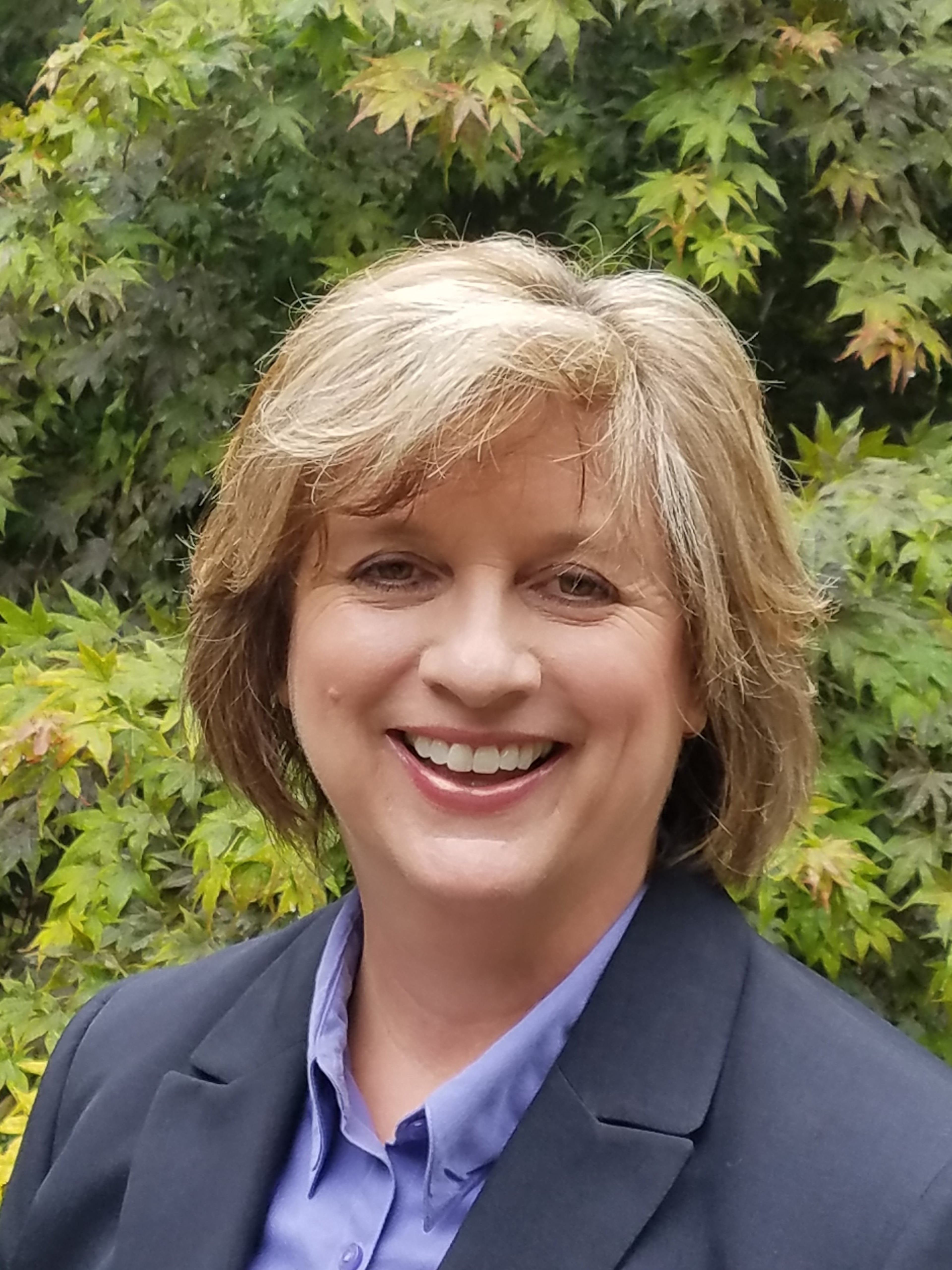
I lead Highland Rivers Behavioral Health, one of Georgia’s public Community Service Boards, serving 13 counties across the northwest part of our state. I want to say something plainly to anyone reading this who is worried about themselves or someone they love: help exists, and you do not need insurance to walk through our door.
Georgia’s Community Service Boards, Highland Rivers among them, are nonprofit, public providers built for exactly this. We serve people who are uninsured, underinsured, on Medicaid, or paying out of pocket. No family should decide against calling because they’re afraid of the bill. That is not how this system is supposed to work, and it is not how ours does.
If you are in crisis right now, or you’re worried someone you love is close to one, call, text or chat 988 from anywhere in the state. It is free, it is answered by a real person, and it is staffed 24 hours a day, every day of the year.
If it is not yet a crisis – a parent worried about a son, a spouse watching someone slip, someone finally ready to deal with a drinking problem – that same door is open. Call your local Community Service Board. Ask what’s available. Ask about a fee based on what you can pay.
The deep grief in the Hamby family’s public statement was palpable – but so too was the frustration, and exhaustion – years of asking, and rarely being heard. I don’t know every detail of what that family went through, but I recognize the shape of it, because families describe it to our staff every week: I don’t know where else to turn.
Georgia has increased mental health resources in recent years
We do not fix a broken system by asking families to be quieter about their exhaustion. We fix it by making the door easier to find, and by making sure that when someone finally works up the courage to walk through it, there is room for them on the other side.
To its credit, the Georgia Legislature has done more for mental health over the last three years than it had in a generation - higher reimbursement rates for community providers, new jail diversion, mental health insurance parity and support for co-response statewide. That progress is real. But it is a start, not a finish line.
The Hamby family is still asking lawmakers for a tool that doesn’t yet exist in Georgia law – a way to require treatment compliance before tragedy, not just study it afterward.
Every tragedy in the news recently started the same way every recovery starts: with a person who needed somewhere to go. Georgia has that somewhere. It is called a Community Service Board, and it exists in every part of this state, for every family, regardless of what’s in their wallet.
Don’t wait for the crisis to make the call.
Melanie Dallas is a licensed professional counselor and chief executive officer of Highland Rivers Behavioral Health, which provides mental health, substance use, and developmental disability services across a 13-county region of northwest Georgia.
Send letters to the editor of 250 words or fewer with your name, city or town and contact information to letters@ajc.com.