Next wave of the opioid crisis: Georgia must get serious about banning kratom
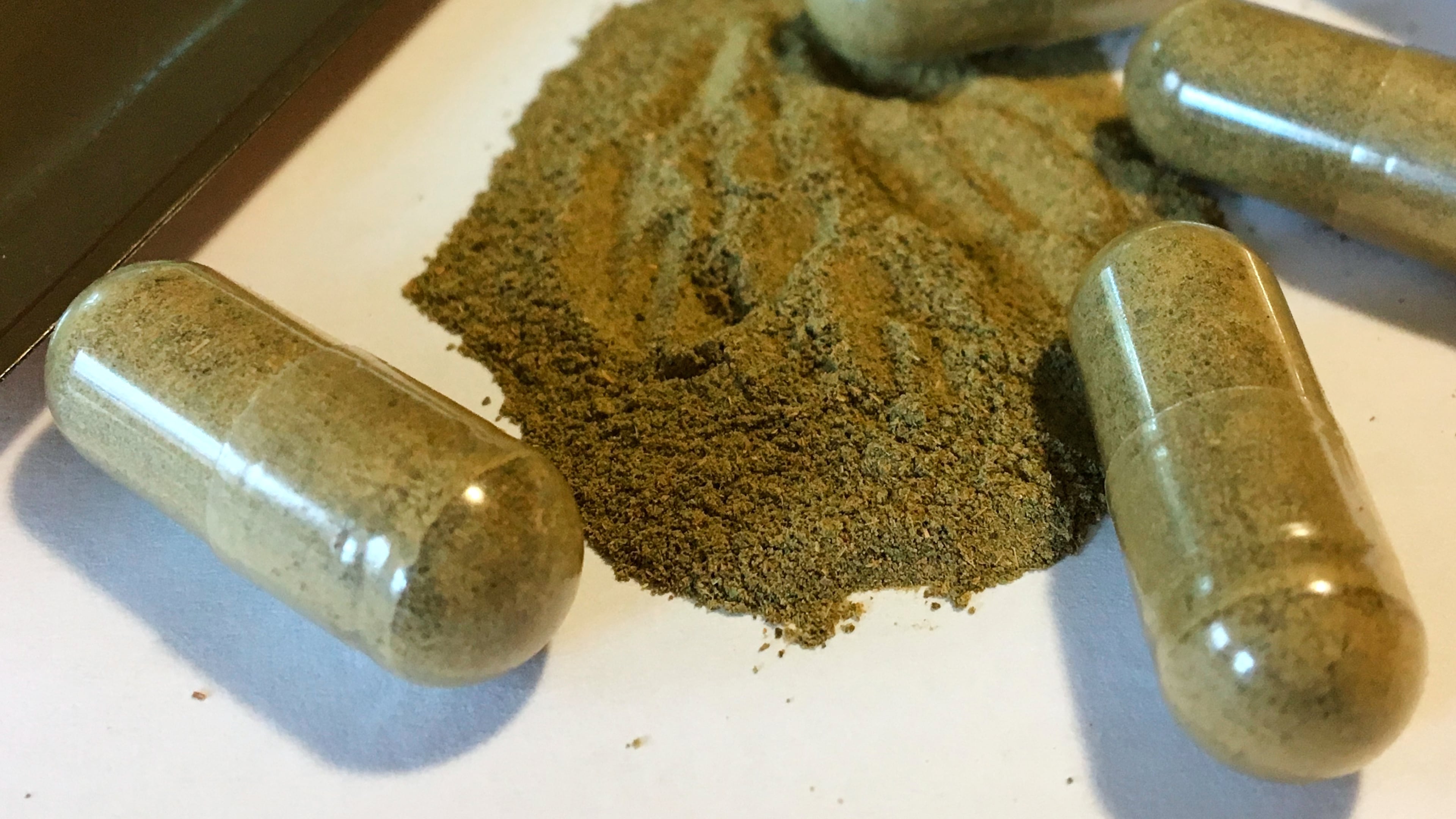
We are facing the next wave of the opioid crisis. But this time, it is not prescription drugs. It is deadly and dangerous products sold in our gas stations, convenience stores and vape shops. What’s worse — these products are primarily marketed to children and teens, disproportionately impacting our youth.
On a Monday last month, two University of Mississippi students, one of which was from Georgia, were found dead in separate incidents in Oxford.
While full toxicology results are still pending, Georgians should take note of what investigators recovered at the scene — packaged kratom that had been purchased from a retailer. The same type of kratom product that is found in stores in every community in our state.
Last year, my office warned Georgians about these very products. They are concentrated 7-hydroxymitragynine, or 7-OH, an opioid-like substance that is roughly 13 times more potent than morphine.
Manufacturers now synthesize it into tablets, gummies, shots and powders, then sell it as “kratom” at gas stations and smoke shops. The Georgia Poison Center has handled roughly 543 kratom exposure cases since 2021. That includes a 66% increase in cases between 2022 and 2025, with the vast majority requiring treatment at a healthcare facility.
Existing law does not go far enough
The core problem is that the consumer cannot tell the difference between a lawfully regulated product or something that can stop your breathing. Many buyers reasonably assume that if a store sells it, someone must have approved it. In Georgia today, that assumption can be fatal, and I am not willing to accept that. Neither should you.
While the Kratom Consumer Protection Act banned synthetic 7-OH outright, currently, law enforcement must find and identify a product, seize it as evidence, test it, and then prove what’s in it. It should come as no surprise that emergency physicians are still treating 7-OH overdoses, because the products are still abundantly available on store shelves.
In Georgia, we need to reverse the model and ban all kratom-related products. They should all be presumed illegal for retail sale unless the state has affirmatively approved it.
Under this approach, policymakers could establish a short, public list of products that meet clear standards, such as independent lab testing, accurate labeling and federal marketing authorization.
Anything not on that list should be treated as contraband, subject to seizure by any law enforcement agency anywhere in the state. There would be no lab work required and no need to prove what is inside the package because if it is not on the list, it comes off the shelf.
Once law enforcement seizes unlisted products from a store shelf, it would no longer make financial sense for distributors to carry unlisted products. They would then revert to distributing only what the law expressly allows, and the illegal products would stop showing up in our stores.
The state has fought for its citizens before
This approach has been done before. A number of years ago, gray-market and counterfeit-stamped cigarettes were commonly sold in Georgia convenience stores. The state responded by treating them as contraband by statute and authorizing seizures. Stocking the products became no longer worth the risk and they subsequently disappeared from the retail market. The same can be done for kratom products.
Let me be clear about what is happening. There are very harmful products that are being sold on store shelves today and families have no reliable way to separate a regulated product from a potentially lethal one, and we must change that.
We fought against the first wave of the opioid crisis by taking legal action against manufacturers, distributors and retail pharmacies, and we ultimately secured more than $1 billion for addiction, recovery and treatment efforts. We prosecuted pharmacists for running pill-mills, and we have taken down large-scale criminal street gangs that are trafficking fentanyl and other dangerous drugs in this state.
But the fight is far from over. The next wave of the opioid crisis is here.
That is why I am calling on the General Assembly to pass, and the governor to sign, a default-ban law for all kratom-derived products, with a narrow list of approved products and statewide seizure authority for everything else.
Those students at Ole Miss should never have lost their lives. Their families should never have to be grieving.
We cannot accept this as the status quo, and we must do everything we can to prevent another tragedy from ever occurring.
Chris Carr is Georgia’s attorney general.
Send letters to the editor of 250 words or fewer with your name, city or town and contact information to letters@ajc.com.