Make MARTA better if Atlanta wants to soar as a truly global city
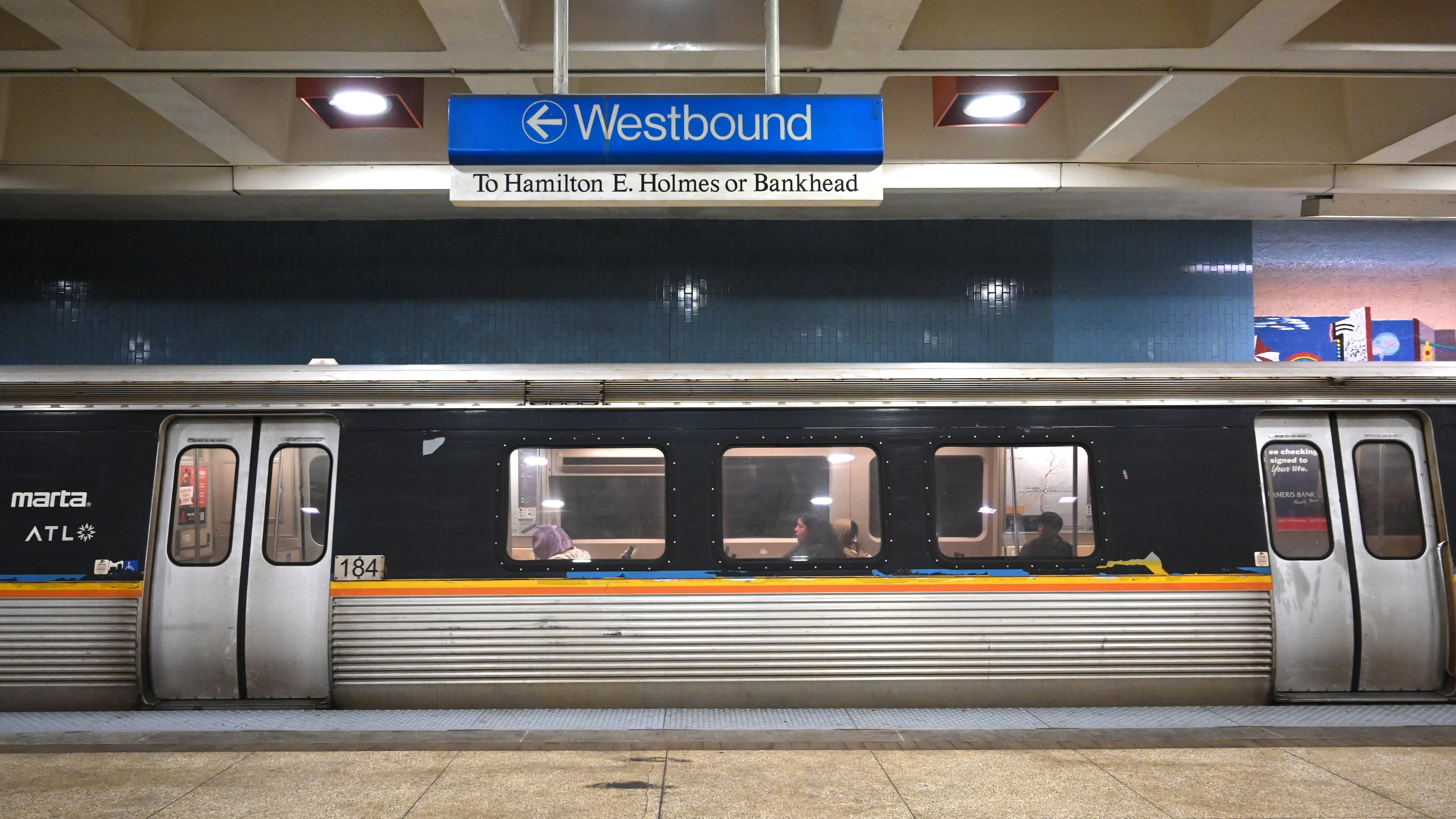
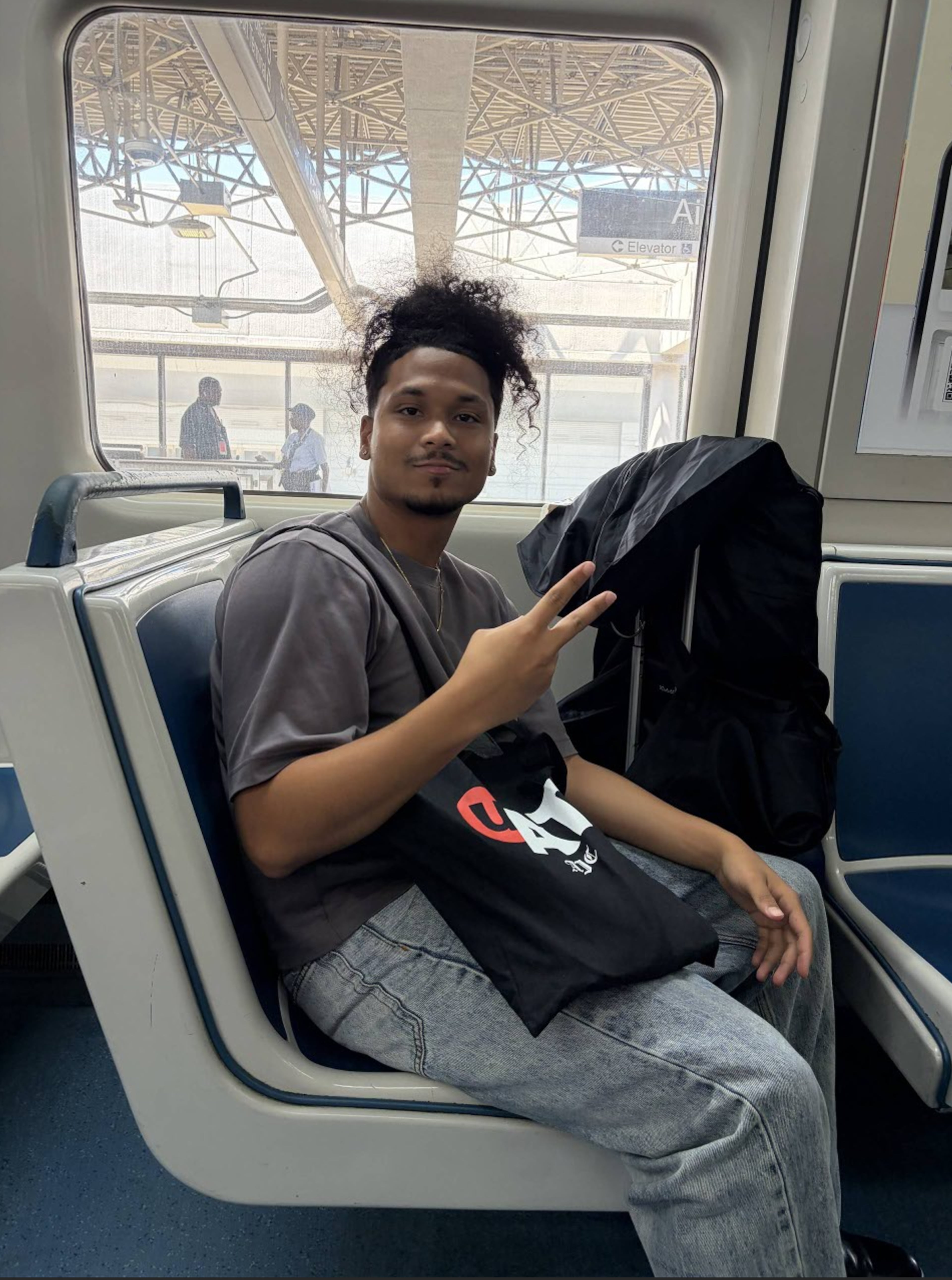
Every day on my way to work at the AJC this summer, I walked to the Ashby MARTA station in Southwest Atlanta to take the train each morning.
Like most New Yorkers, I don’t own a car. MARTA is how I commuted to the office 4 miles northeast in Midtown for my summer internship.
The dark, dank and desolate train station is in the heart of the Atlanta University Center, where I attended Morehouse College, one of the four historically Black colleges and universities on the campus.
During school, I would go to the Chick-fil-A and Walmart that were down the street from the Ashby station.
When I was in school, the Walmart burned down in 2022 due to arson and was closed for 18 months. In that time, when in need, residents had access to the convenience stores, KFC and Zaxby’s to go to for nourishment.
Along the way, I passed homeless encampments on Joseph E. Lowery Boulevard, where people sorted through bags of clothing and personal belongings. Tents and makeshift shelters lined parts of the roadside, while shopping carts overflowed with blankets and other possessions.
Some mornings, I saw people using drugs in plain sight or searching through trash bins for scraps of food. I also passed by boarded-up houses in disrepair, vacant lots overgrown with weeds and stretches of unpaved road.
I tried to block these disturbing images of people and their living conditions out of my mind, but they are difficult to forget. After all, this is the reality for some people living in Atlanta. Many mornings, I saw some of the same individuals waiting for the train at the Ashby station alongside me. Other times, I encountered people facing similar hardships as they rode the train from other parts of the city.
Morehouse students were often warned against riding MARTA
One of my first rides on MARTA this summer left me deeply unsettled. Across from me, an empty seat was covered in urine. I sat in silence with four other passengers. One of the passengers was shouting at the air while the other one was carrying on a conversation with himself.
Both passengers appeared to be experiencing a mental health crisis. The other two passengers were minding their own business. One of the passengers had a shopping cart overflowing with clothes and personal belongings by his seat, as though everything he owned was contained within it. They reminded me of the people I passed each morning on Joseph E. Lowery Boulevard.
These were the types of people I had been warned about before arriving in Atlanta.
When I began my freshman year at Morehouse College in 2021, many of the alumni, professors and faculty cautioned my classmates and me about the dangers that existed outside of our college gates.
They especially warned us about walking through the West End neighborhood or riding MARTA at certain times in the day because of the horror stories of locals robbing and assaulting Morehouse students.
During my freshman year, our director of freshmen success orchestrated a class-wide MARTA trip from the West End to Little Five Points, so that students could familiarize themselves with the transit system and see that MARTA wasn’t as frightening as people made it out to be. For many students, that trip was their first and last time on MARTA.
The stigma surrounding MARTA was discouraging because not only did I not own a car, but I genuinely loved public transportation. Growing up in New York, the MTA was a part of my everyday life. I took the subway to school, to work, to Times Square when I wanted to get away and to other boroughs to visit friends and explore the city.
In a city of about 8.58 million people, no one ever looked down on me for taking the train. If anything, taking the subway is the most New York thing a person can do. Almost 50% of New Yorkers said in a survey that they take the MTA to commute to and from work, making public transit an ordinary part of daily life.
We all rode the subway — white-collar and blue-collar workers, rich and poor, Black and white. That was one of the reasons I loved it so much. It didn’t matter whether I was from a low-income community or an affluent one. On the subway, I shared space with people from every background, which transcended race, culture or socioeconomic status, and if I wanted to get away and visit another part of town, I could go. The train was one of the unique ways I could experience diversity in a practical way.
A contrast in public transit systems: New York vs. Atlanta
I grew up in a low-income community in the Bedford-Stuyvesant (aka Bed-Stuy) area of Brooklyn. Whenever I wanted a change of scenery from the hostility and danger of my neighborhood, I would make my escape on the subway. I would hop on the A train and ride north.
On the train, I would pass by neighborhoods like Crown Heights and Flatbush where more Caribbeans like me lived. I passed by Fort Greene and downtown Brooklyn near the Barclays Center where I encountered more upscale neighborhoods surrounded by commercial storefronts and fine restaurants. Then, I would ride past Williamsburg, where many Hispanic and Jewish people live, before transferring trains toward my final destination at SoHo.
With each community passed, I encountered locals from different walks of life and their cultures, which reminded me of how much of a melting pot New York is. As I took these trips, I would always remind myself that the world was far bigger than my tiny neighborhood and the problems I faced.
That was not the case during my summer here in Atlanta.
Without a car, I could not easily travel to my favorite Golden Krust Caribbean Restaurant in Cobb County, where my mother’s friend would take me whenever I got homesick and was craving Caribbean food, or attend the Youth Ministry Young Adults group that my fraternity brother invited me to or visit my friends at Emory University.
What I lost was not simply access to places, but access to the communities, cultures and relationships that made those places meaningful. Mobility shapes opportunity. When transportation is limited, so too is one’s ability to experience the richness of a city and the people who call it home.
Unlike New York, where public transportation makes up the fabric of daily life, Atlanta remains heavily car-dependent. As of 2026, the population of the Atlanta-Sandy Springs-Roswell (metropolitan Atlanta) is approximately 6.48 million people.
Meanwhile, 5.7% of Atlantans use public transit to commute to work, according to 2024 Census figures.
This shows people here see public transit as a secondary option primarily for those who have no alternative rather than a shared public good.
World Cup changed my view about MARTA’s capabilities
As the summer went on, I realized that, whether intentionally or not, many of the warnings I received back in college reflected a deeper discomfort with the West End community and neighborhoods like it.
Those who were educated, affluent and successful increasingly distanced themselves from impoverished Black communities, choosing not to visit or associate with the area. Unfortunately, I saw that many of the established Black people around me from the AUC and beyond were perpetrators of this alienation.
I was told to avoid spaces where the community members were viewed as having less. Well-resourced institutions, including colleges and corporations, can unintentionally reinforce this separation by encouraging people to distance themselves from these communities rather than engage with them.
In doing so, they also reinforce the stigma surrounding MARTA — that it is a system used only by people who are poor, disadvantaged or otherwise have no alternative.
I, too, came to dread taking MARTA every day, until the World Cup came to Atlanta.
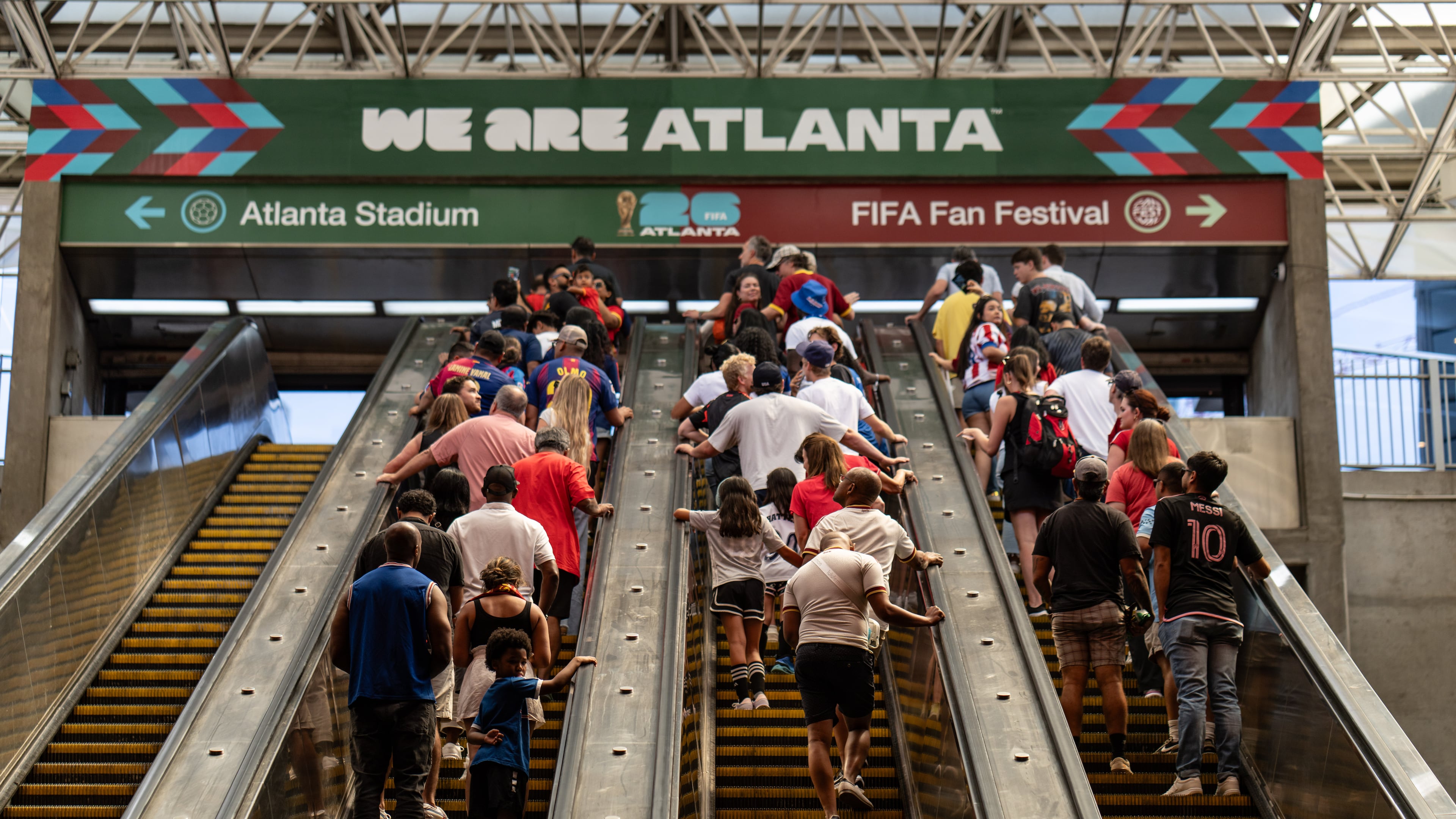
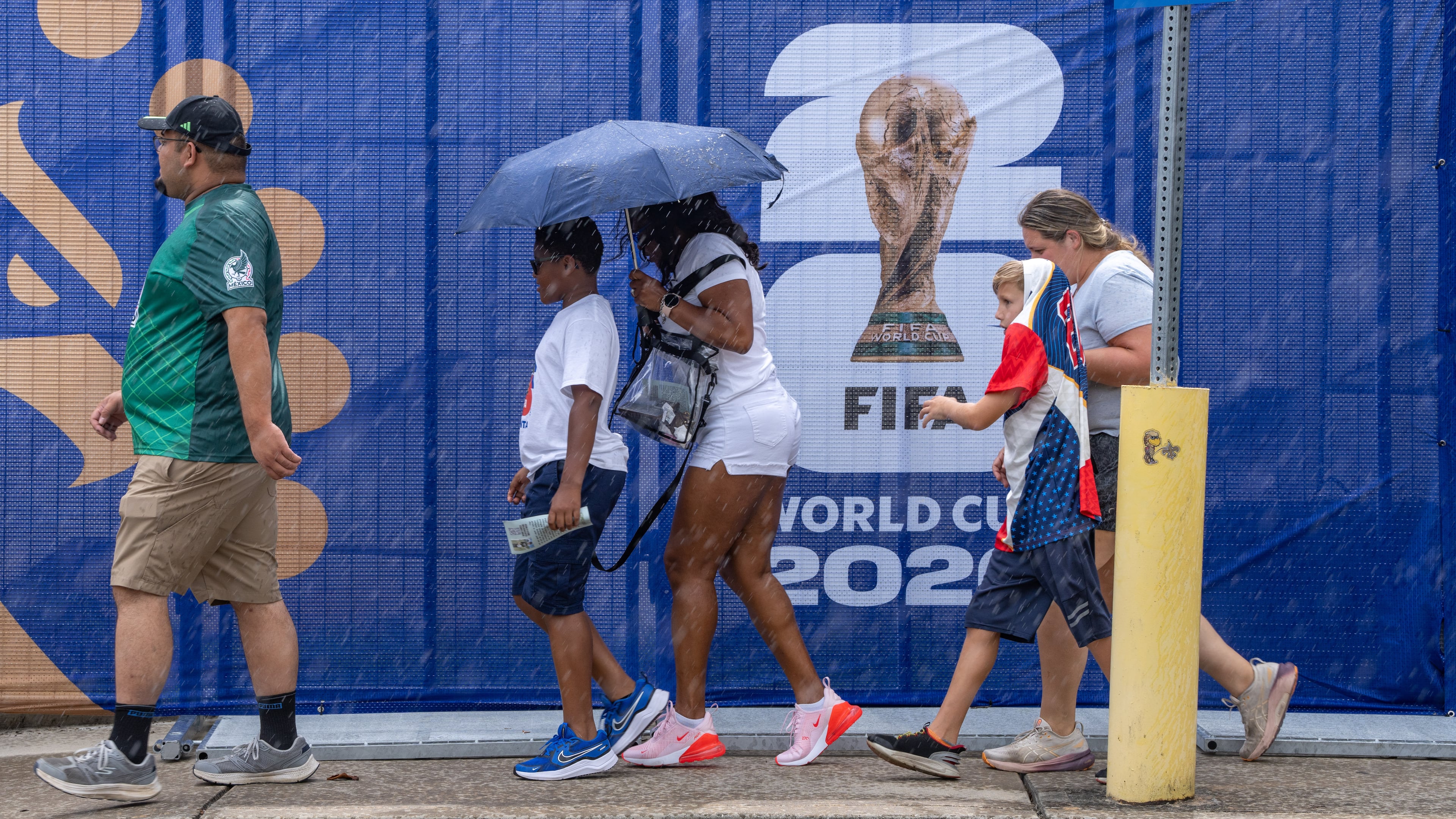
One of my assignments at the AJC was to cover the World Cup, particularly monitoring the Fan Fest and the MARTA stations closest to the Mercedes-Benz Stadium (known as Atlanta Stadium during the tournament). During that month of matches, I saw MARTA and Atlanta in a new light.
Atlanta commanded so much global attention that the world could not ignore it. Fans from across the globe arrived in the city, taking MARTA, shopping, dining, sharing their cultures and gathering to watch soccer.
One of the most unforgettable moments of my internship was covering the 2026 FIFA World Cup semifinal between Argentina and England on July 15. That day, the whole city felt like a small piece of Argentina.

Thousands of fans flooded the streets and Fan Fest wearing Lionel Messi jerseys, waving flags with their faces covered in white and blue face paint. These fans played drums, danced, cried, laughed and chanted songs celebrating their home country.
Beyond soccer, I saw global visitors explore parts of Atlanta I would have never expected. They were in the West End, visiting Lee + White, shopping at Walmart and eating at BTJ’s near the AUC center.
I also saw a bunch of heartbroken England fans after their semifinal loss. I empathized with their feelings as they were so close to competing for another World Cup title.
The AJC published a column about MARTA’s World Cup performance and asked two English riders how their experience went. The riders told the AJC columnist Doug Turnbull, “MARTA reminded them of the famed London Underground. Known as ‘The Tube’ ...
And it all made sense.
When thinking about the world’s major hubs for finance, media, fashion and international diplomacy, cities like New York, London, Tokyo and Paris immediately come to mind. While these cities are very different, they all share a common thread: they have effective, reliable and widely used transportation systems.
London’s Tube has 272 stations across 11 lines. Paris’s Metro has 308 stations across 16 lines. Tokyo’s Metro has 180 stations across nine lines. New York City’s subway has 472 stations across 28 lines.
MARTA has only four lines and 38 train stations.
This is a moment for MARTA — don’t waste it
Many of Atlanta’s leaders — CEOs, politicians and other influential decision-makers — believe the city’s future depends on initiatives like becoming more environmentally sustainable or investing in autonomous vehicles. While these solutions are great and important, they don’t address what’s already within Atlanta’s reach: strengthening MARTA.
A world-class city can’t rely on new technology while its current transportation system remains unused and undervalued. Before Atlanta can become the global city it aspires to be, it must build a transportation system that allows everyone to fully participate in the city’s future.
While MARTA is far from perfect and has faced many challenges over the years, the World Cup demonstrated what MARTA could be if fully embraced and poured into.
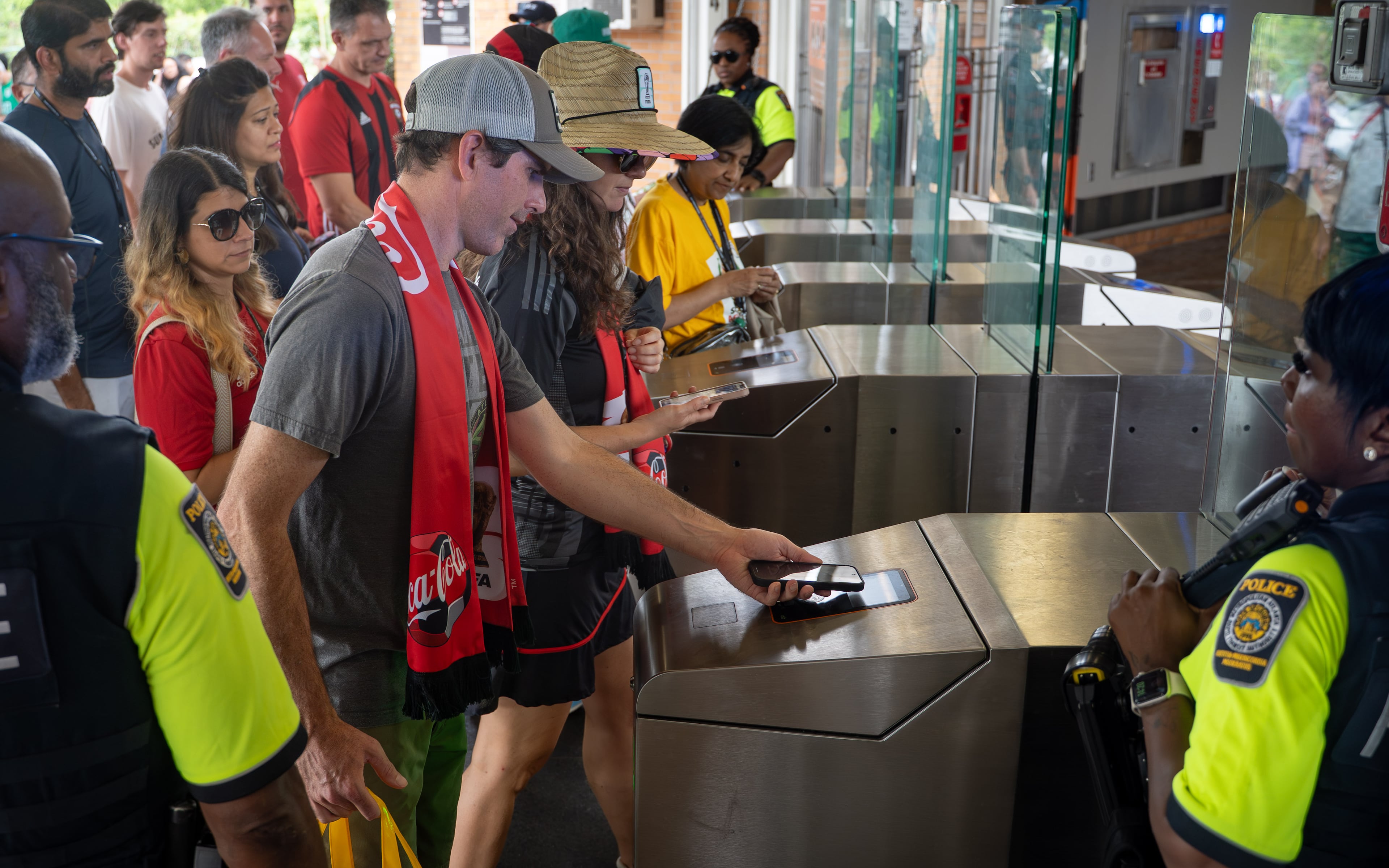
During the World Cup, MARTA experienced historic success. Ridership was reported to be over 4.6 million rail trips, and 1.7 million of those rides were customers traveling to and from World Cup events. This proved people use MARTA, and MARTA can attract riders under the right circumstances.
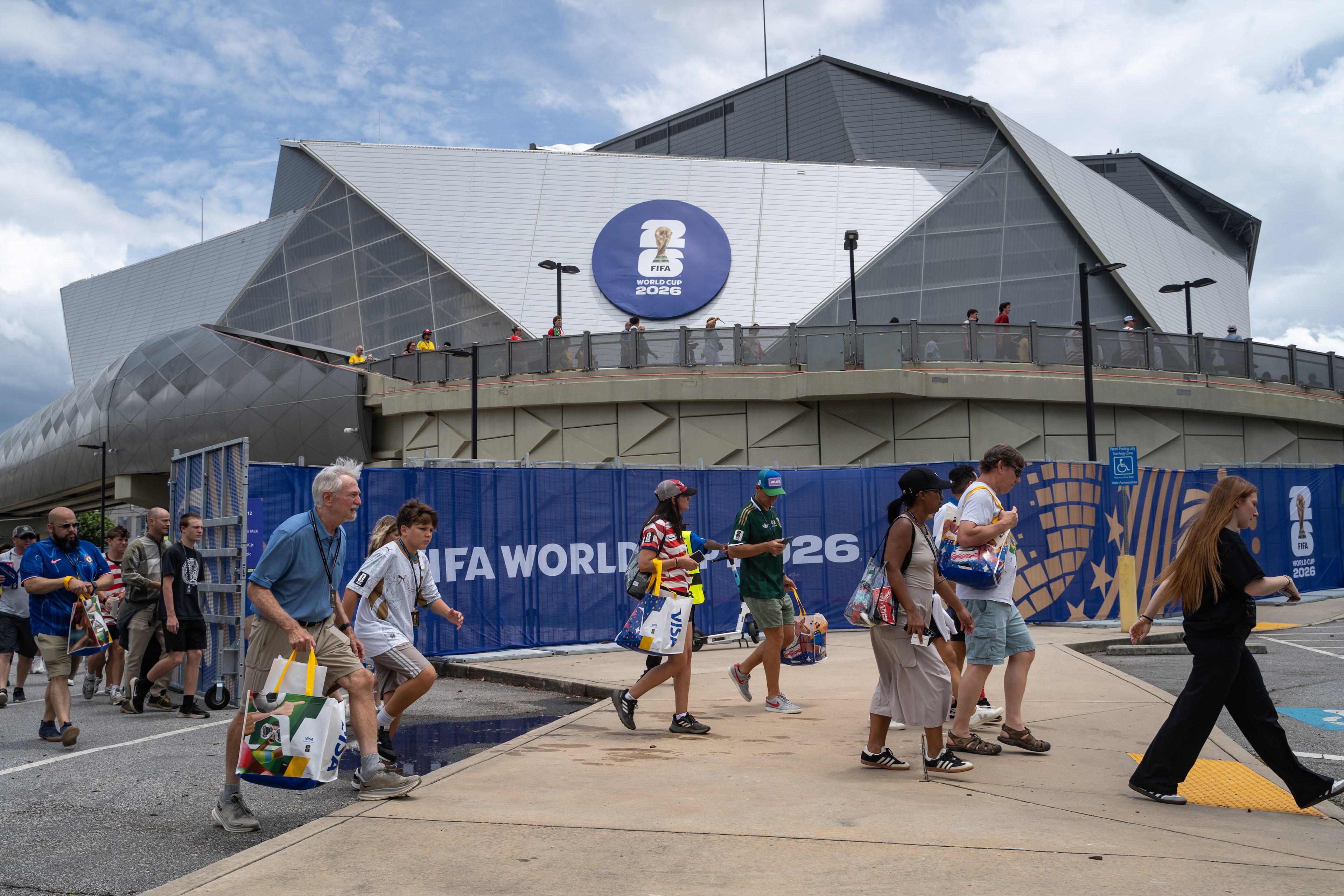
The AJC reported that’s “about 2 million more trips than average in that time period.”
For the first time, I saw MARTA operating with a sense of urgency. I witnessed some of the fastest arrival times I had experienced all summer, saw police officers stationed at platforms and MARTA ambassadors helping folks navigate the system safely.
Inside the train cars, people were socializing, bonding and singing chants. The experience made me feel like I was in New York for a moment, but most of all, MARTA felt like a normal and beautiful public service that brought people together. What if this energy wasn’t reserved for high-volume events, but for everyday ridership?
If more counties expanded their partnership with MARTA, I believe it would transform Atlanta. Stronger transit would create greater connectivity between communities, decrease reliance on cars, decrease pollutants and traffic and allow more people to experience all the beauty Atlanta has to offer.
The city already has expansive green spaces, continued development along the Beltline, growing neighborhoods and investments in affordable housing.
Atlanta is already seen as a cultural capital, a leader in aviation, public health, financial technology and film. To take the next step toward becoming a truly global city, Atlanta must recognize that transportation is not simply infrastructure, but the foundation that allows people, businesses and communities to thrive.
MARTA has the power to connect the city’s past, present and future and young people like me are ready to see MARTA shape the city’s future.
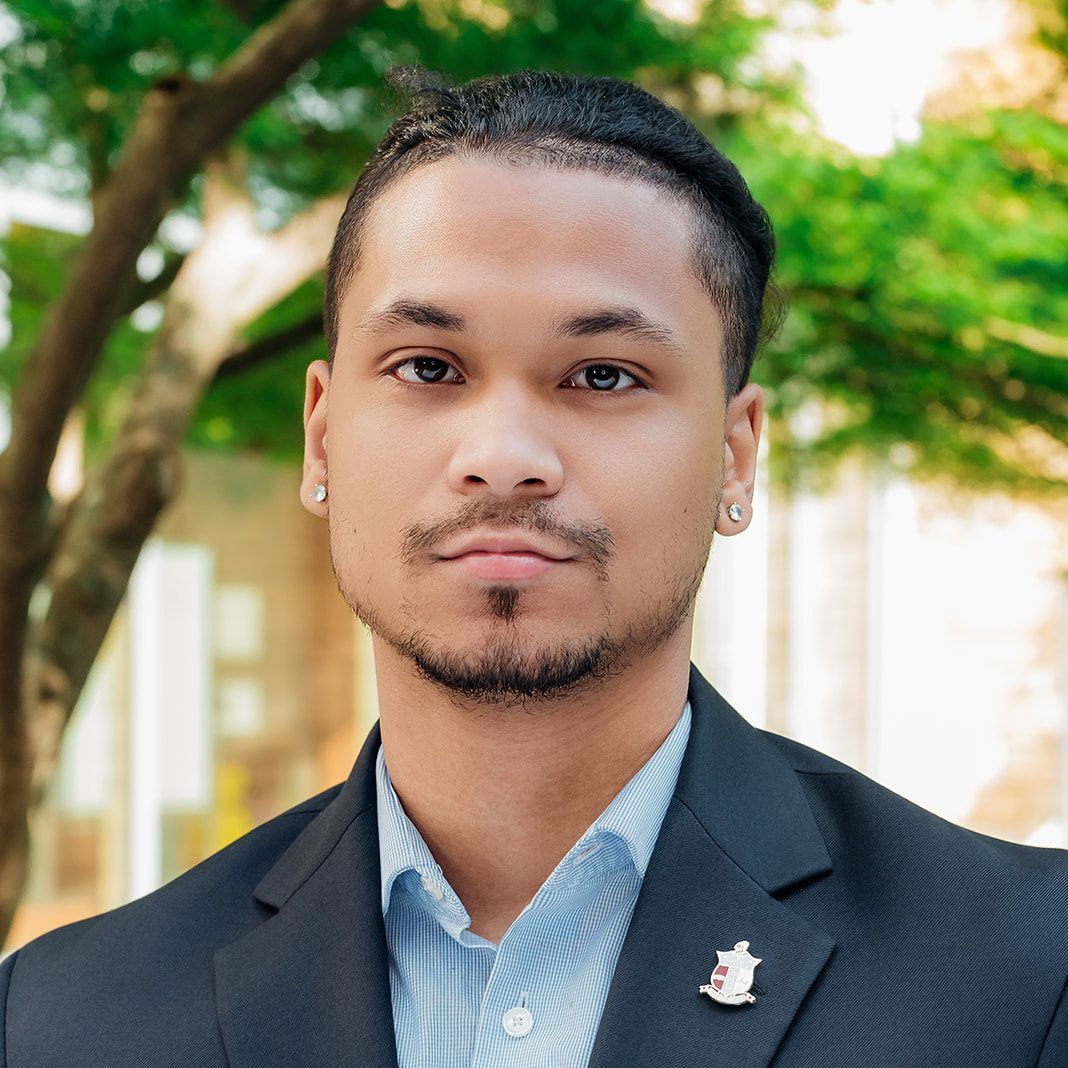
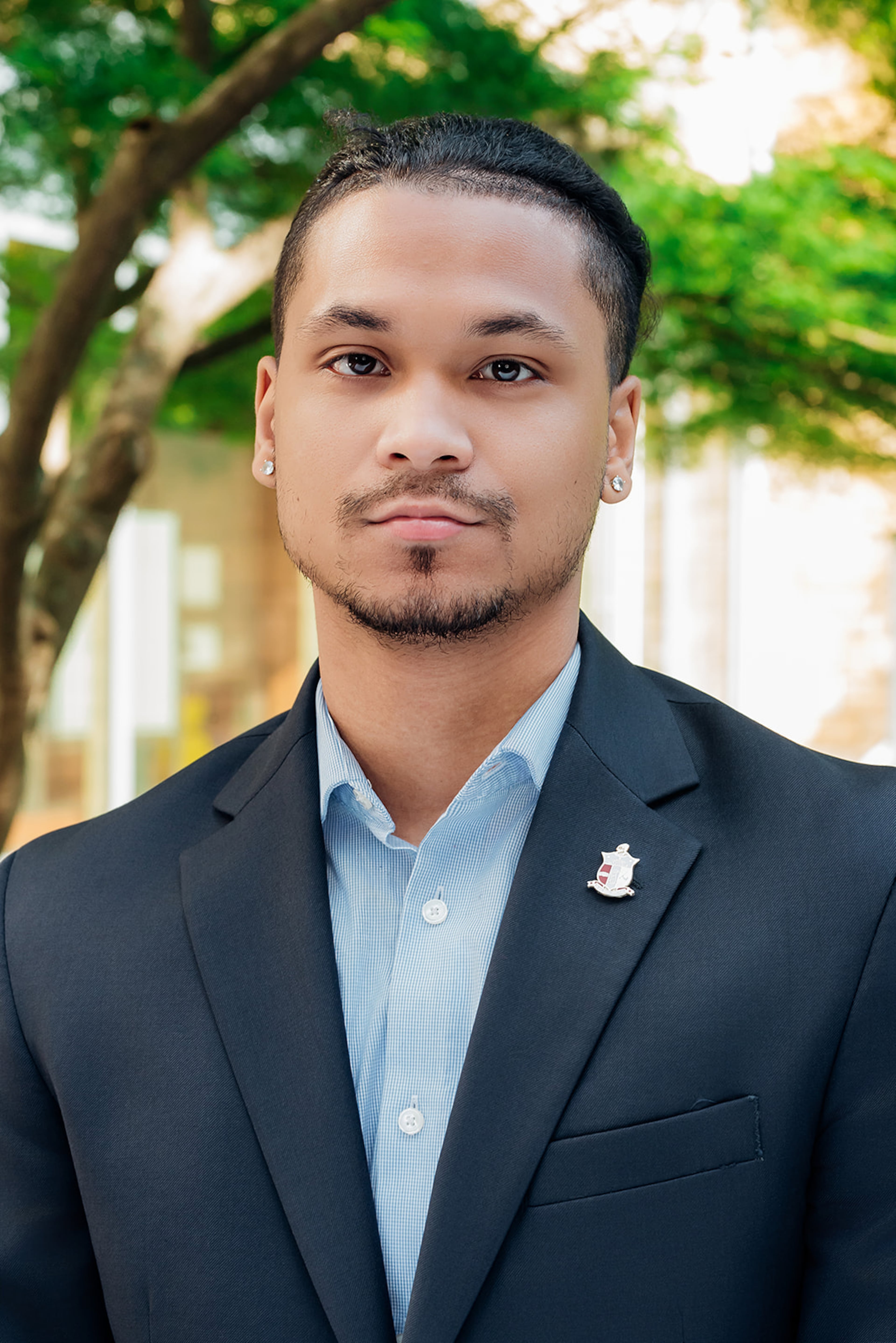
Elijah Megginson is a Morehouse College alumnus and a graduate student at New York University. He worked as a 2026 summer intern for The Atlanta Journal-Constitution on the Metro team.
Send letters to the editor of 250 words or fewer with your name, city or town and contact information to letters@ajc.com.