Atlanta’s surveillance network keeps growing. Hear what the people are saying.

Atlantans may be alarmed to learn how much information about their daily lives is being collected.
In the city, more than 20,000 cameras monitor our movements. License plate readers track where we drive. Artificial intelligence-powered systems collect and analyze massive amounts of data to identify patterns and flag people or vehicles for police intervention.
Surveillance companies are marketing and selling increasingly powerful technologies as tools for public safety, yet community members and elected officials are often left without a full understanding of what these tools do, how they are used or the risks they pose.
Nationwide, surveillance tech has monitored peaceful protesters, tracked people seeking abortion care and accelerated immigration enforcement.
Citizens deserve to ask questions of the police
The ACLU of Georgia and community partners representing groups disproportionately impacted by mass surveillance have launched Protect Our Privacy, an initiative to pass a Community Control Over Police Surveillance ordinance in Atlanta.
CCOPS is not a ban on surveillance tech. Adopting a CCOPS law, as 26 other municipalities have already done, would ensure that decisions about acquiring and using surveillance technologies are well-informed, made transparently and include meaningful public input.
The Atlanta City Council is tasked with making most spending decisions, and with executing that obligation faithfully and well. CCOPS requires city agencies to share key information with them and the public before they make important decisions about authorizing funding for surveillance techs.
Currently, Atlanta police obtain surveillance technologies through a combination of private donations and government procurement.
The Atlanta Police Foundation has helped fund surveillance infrastructure, including mobile surveillance trailers, while the city has also entered into agreements with private companies to acquire and expand surveillance, according to Atlanta City Council records.
The police already have the opportunity to ask questions and provide their opinions about surveillance technologies. Shouldn’t communities have the same opportunity? Abuses have happened and will continue to happen without improved information, input and oversight.
Unchecked tech is impacting Atlanta’s communities
One of many surveillance technologies Atlanta is currently using is automatic license plate readers.
Last year, Atlanta Police Department accounts searched an ALPR network using terms such as “locate alien” and “ERO assist,” referring to immigration enforcement operations. Outside agencies also conducted thousands of searches in the network, including 3,254 by U.S. Border Patrol and 3,383 tied to immigration enforcement.
Once surveillance data exists, it rarely stays in one place. It can be copied, shared, searched and reused far beyond its original purpose. CCOPS would provide detailed information about ALPRs, create a transparent process for evaluating their use, and ensure that any approved surveillance technology is subject to clear rules governing how data is shared, retained and used. This is what thoughtful, well-informed, inclusive decision making around surveillance looks like under CCOPS.
History has repeatedly taught us that government surveillance has been used to monitor unpopular and vulnerable groups, civil rights leaders and people advocating for social change. There is little reason to believe those dangers have faded, especially with a federal administration laser-focused on targeting its political enemies.
The emergence of artificial intelligence makes those risks greater. As AI becomes more powerful, it becomes easier for governments to sift through enormous amounts of information about our lives, and to draw conclusions – some right, some very wrong – about all of us. Surveillance data that once sat unused can now be analyzed on an unprecedented scale.
CCOPS is national gold standard for surveillance decision making
Atlanta needs to catch up when it comes to transparency, community engagement and oversight in its surveillance decision making.
Twenty-six cities across the country have already adopted CCOPS laws, including Nashville, Detroit, St. Louis and Boston. The policies created public oversight while still allowing governments to use technology when the public and their elected representatives deem it appropriate.
The model works. In 2021, Harvard Kennedy School’s Belfer Center recognized the ACLU’s CCOPS project as one of the top technology and public-purpose programs in the world.
We’ve been growing support for CCOPS in Atlanta, speaking with neighborhood associations, faith leaders and organizations representing communities impacted by surveillance.
Atlantans may disagree on how to handle specific technologies, but we agree that we all should have a chance to be involved in these important decisions. CCOPS creates space for a full range of perspectives. Whether someone strongly supports surveillance tools, strongly opposes them or falls somewhere in between, they deserve a voice in decisions about technologies that affect their community.
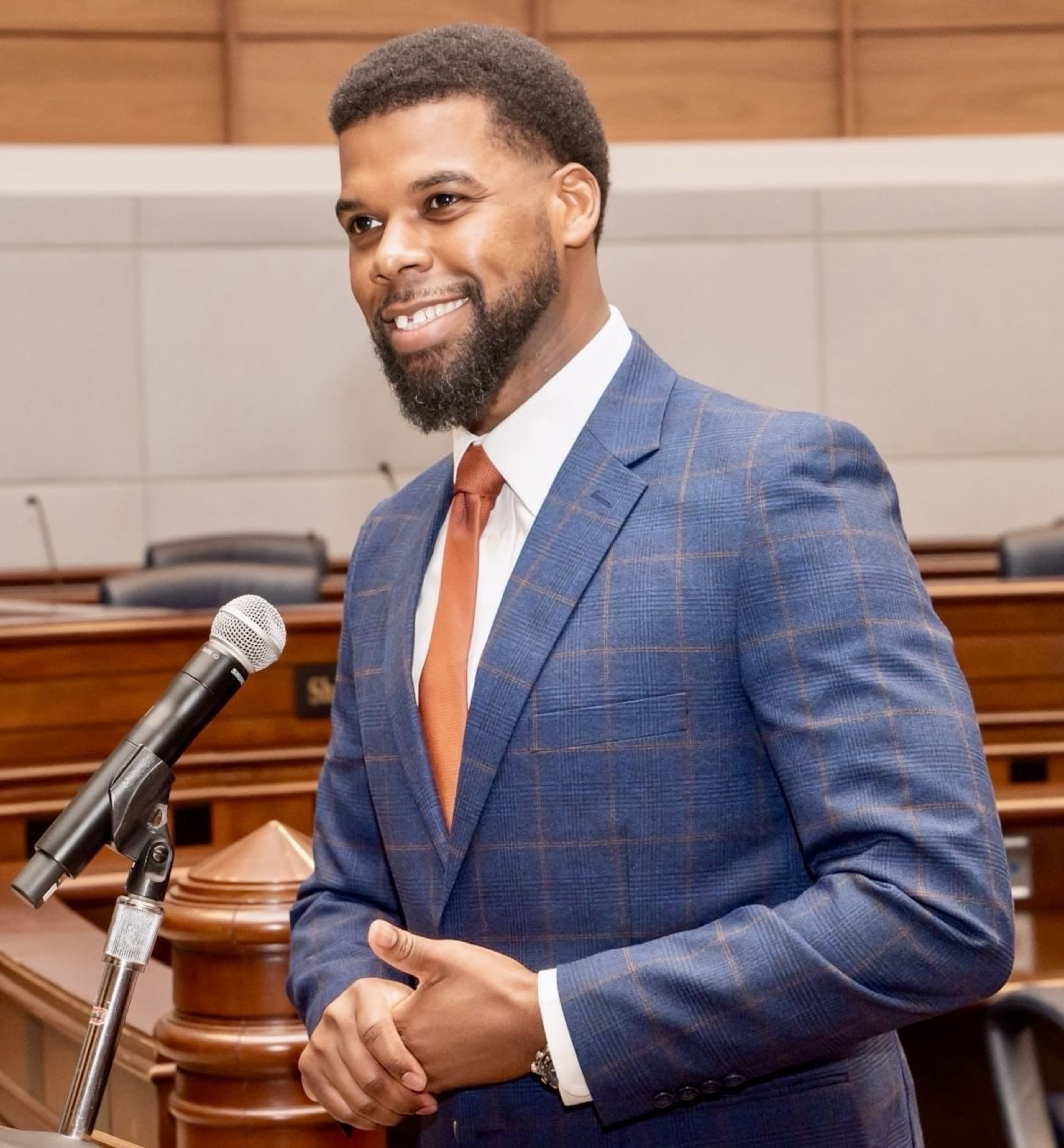
Christopher E. Bruce, Esq. is the deputy executive director for the ACLU of Georgia, where he leads the organization’s community advocacy efforts to protect and advance civil rights and liberties for all Georgians.
Send letters to the editor of 250 words or fewer with your name, city or town and contact information to letters@ajc.com.