To women with pelvic pain, ‘Womb suffering is not our birthright’
Womb suffering is not a term I had ever heard.
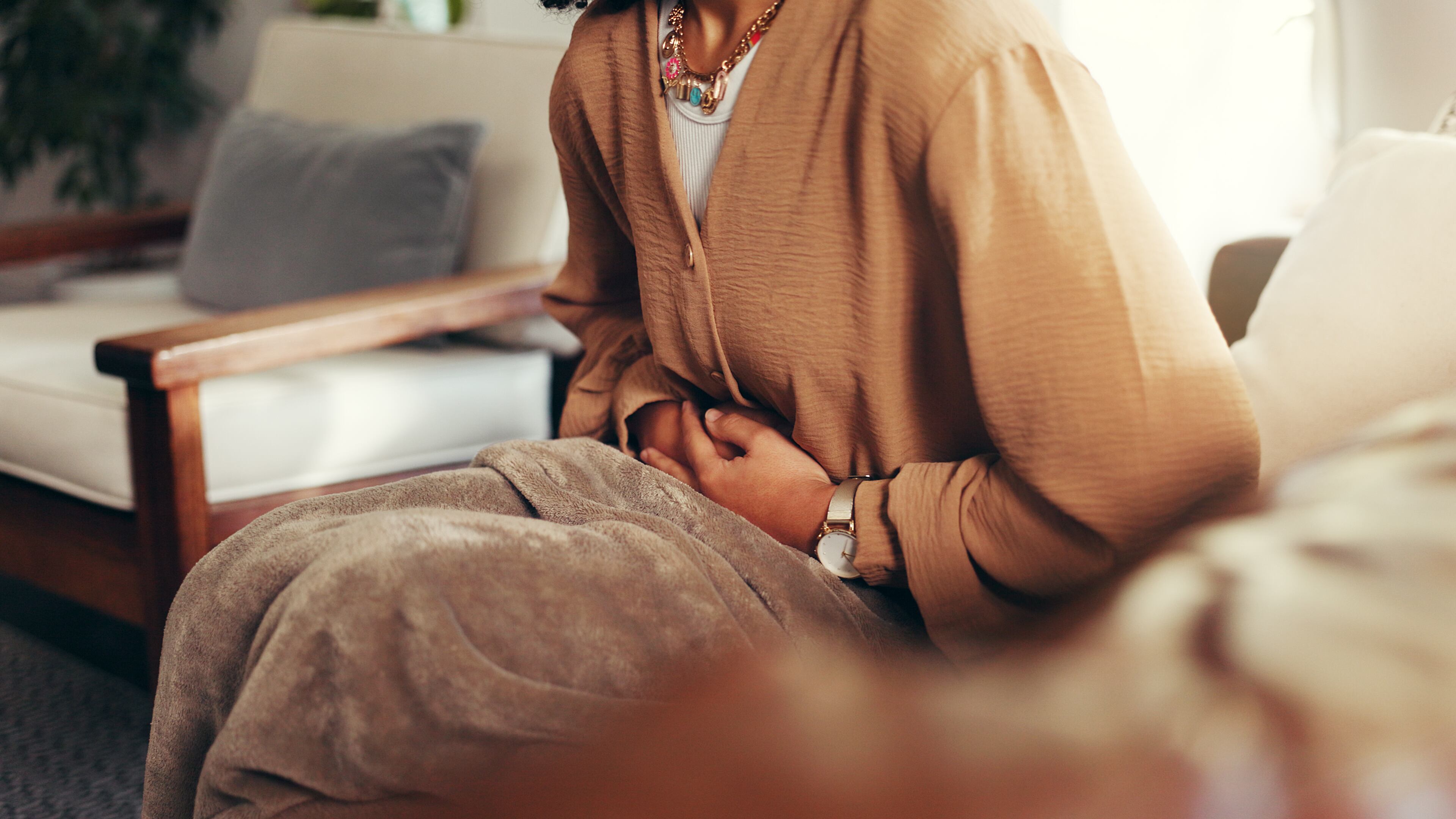
What I have heard, often, are complaints from women about the lack of compassionate and quality gynecological care for anyone who is past childbearing age or childless by choice.
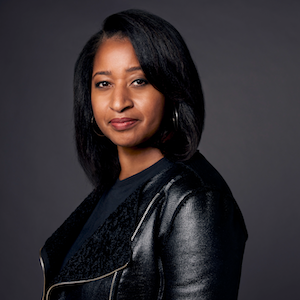
According to Dr. Kemi Doll, an Atlanta-raised gynecological oncologist, womb suffering is persistent normalization of the idea that anyone with a uterus should resign themselves to pain.
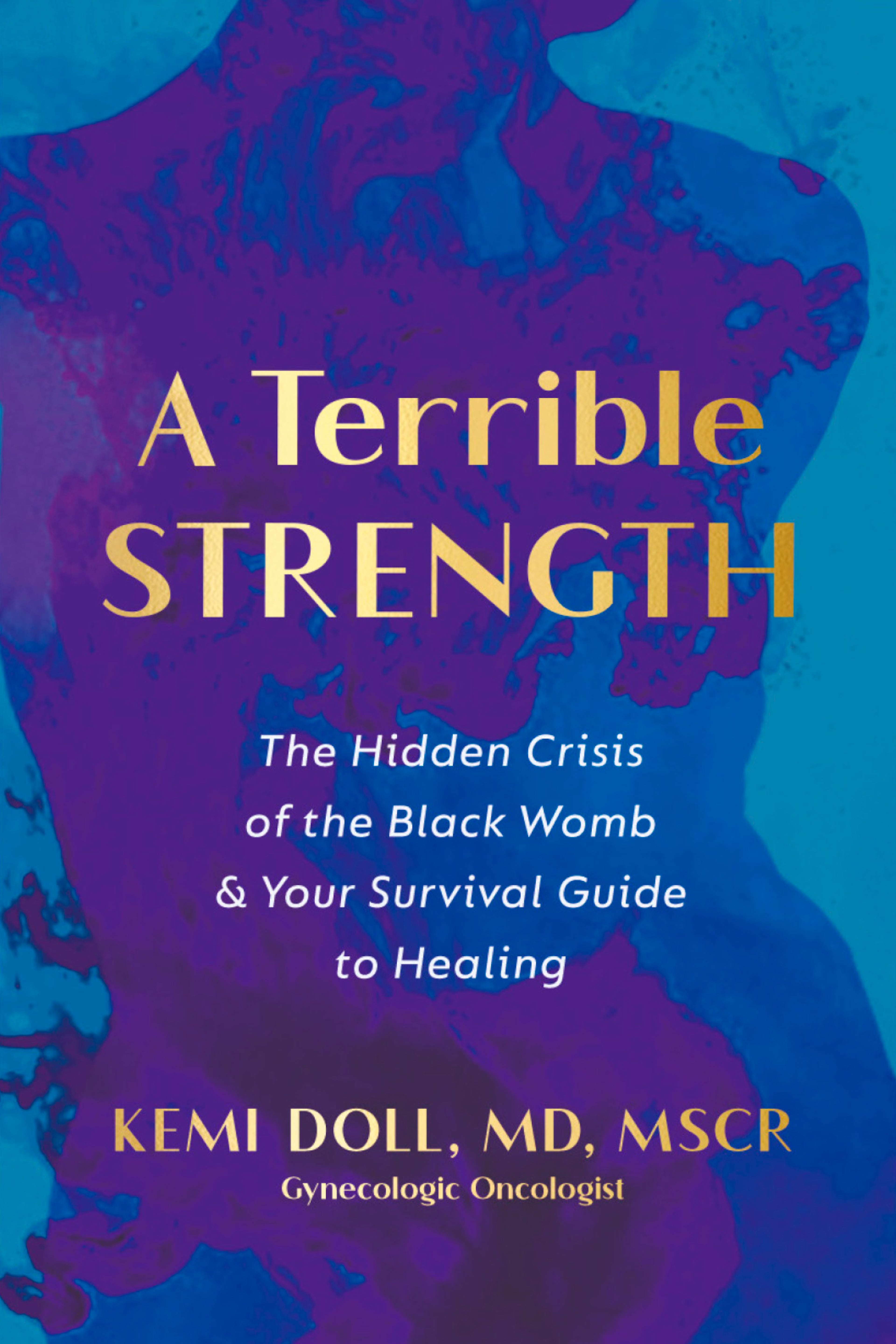
Doll, currently a professor at the University of Washington School of Medicine and author of “A Terrible Strength: The Hidden Crisis of the Black Womb & Your Survival Guide to Healing” aims to reset the norms of gynecological health in America by taking a critical look at the ways the current system has so spectacularly failed women.
“What we have right now in gynecology and women’s health is the logical outcome of viewing women’s primary value through reproduction,” said Doll who recently held a book signing in Atlanta. “If women’s primary value is to have babies, then why do you care if women are suffering from their periods?”
Having a womb should not mean managing years of pain and confusion while waiting for the medical community to prioritize the importance of women’s pelvic health beyond pregnancy.
Black women, in particular, have suffered under this system, despite their bodies having been used to build the foundations of gynecology in this country.
As Doll states in a love letter to Black women, “Womb suffering is not our birthright.”
The first recorded hysterectomy (the removal of the uterus via surgery) for uterine cancer took place at the former Medical College of Georgia in 1850. Mary Reynolds, an enslaved Black woman, died three months after Dr. Paul Eve, conducted the procedure. Her womb was preserved and displayed at a medical museum in Philadelphia as a relic of medical research.
But more than a century later, it is challenging to find data related to women’s gynecological care in Georgia that isn’t centered on pregnancy or maternal mortality and morbidity.
Though women spend 90% of their lives not pregnant, the National Institutes of Health, the largest biomedical research enterprise in the world with 27 centers and institutes addressing issues of human health, does not have a distinct institute for women’s health.
In 2024, less than 7% of the NIH budget went to women’s health studies and most of that funding was for breast cancer and pregnancy research. The NIH is least likely to fund proposals focused on gynecologic disease, Doll says.
Research helps combat misguided beliefs like those held for decades by doctors who attributed womb conditions beyond pregnancy to lifestyle choices.
In the 1920s, medical professionals believed endometriosis, the painful growth of tissue similar to endometrium in places other than the uterus, was because of stressors associated with women working outside the home.
Sexism and misogyny are deeply entrenched in a field that only a generation prior was male dominated. Women remain saddled with the responsibility of demanding early intervention and treatment for diseases of the womb before they become life threatening.
“The way we identify disease severity is someone being in front of you saying, ‘I can’t deal with this and I am debilitated’, Doll said. “We need to shift this.”
Doll details her own struggle with endometriosis and womb suffering along with the struggles of other Black women, most of whom work in medical professions.
She realized later how powerful it was to see Black women in the field of medicine struggling like everyone else to obtain quality care.
By focusing on four conditions — heavy menstrual bleeding, endometriosis, fibroids and endometrial cancer — Doll explains why these problems often go unaddressed and undiagnosed and how patients and doctors can move forward toward gynecological care that heals.
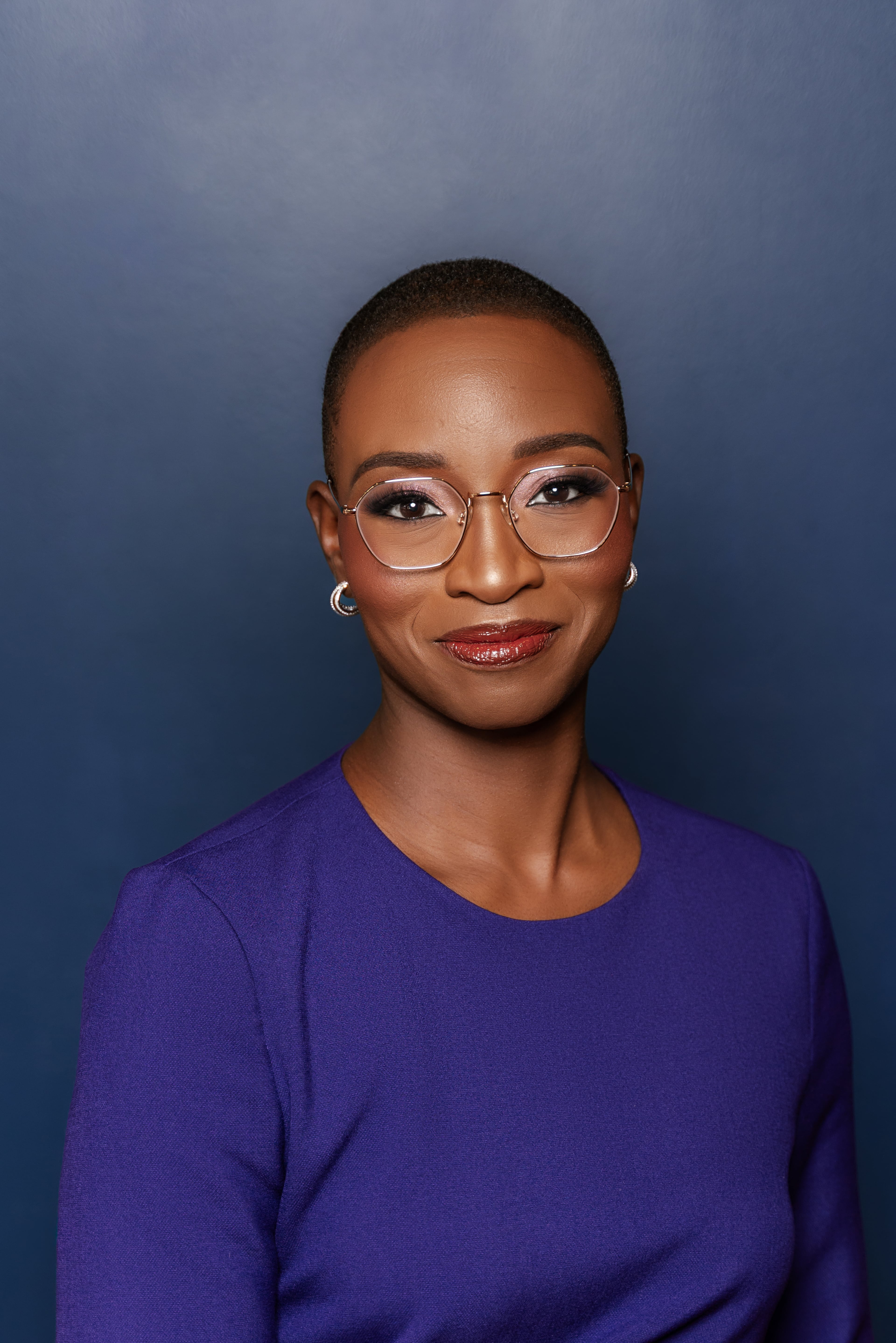
As one of the 1% of Black female biomedical researchers who are also physicians, Doll feels it is her role to work from the inside out to bring change and purpose to the field. “I am so used to having a simmering rage around all of these things,” she said.
Change is happening, if slowly.
In April, just weeks before Doll’s book release, the American College of Obstetricians and Gynecologists revised its guidance on screening for endometrial cancer returning to a process that had been abandoned in the 1990s, despite its effectiveness in early detection of the disease.
Doll attributes this change to the rise in aggressive, sometimes fatal, endometrial cancers among white women. “We will advocate for ourselves but until it affects the white population, it is hard to get traction,” she said.
But part of the shift to healing must also come from women reconnecting to our bodies while demanding more from the health care system.
We can share our stories with each other to gain information, keep journals to document symptoms related to womb health, go to doctors before symptoms are severe and demand more biomedical funding for research into conditions that impact our pelvic health outside of pregnancy.
In her dedication, Doll said it best, “To all who cramp, bleed and endure — and those who love us. It’s time for a new story.”
Read more on the Real Life blog. Find Nedra on Facebook, X, Instagram, or email her at nedra.rhone@ajc.com.