Atlanta’s World Cup preparations helped Muslims feel welcome in the city
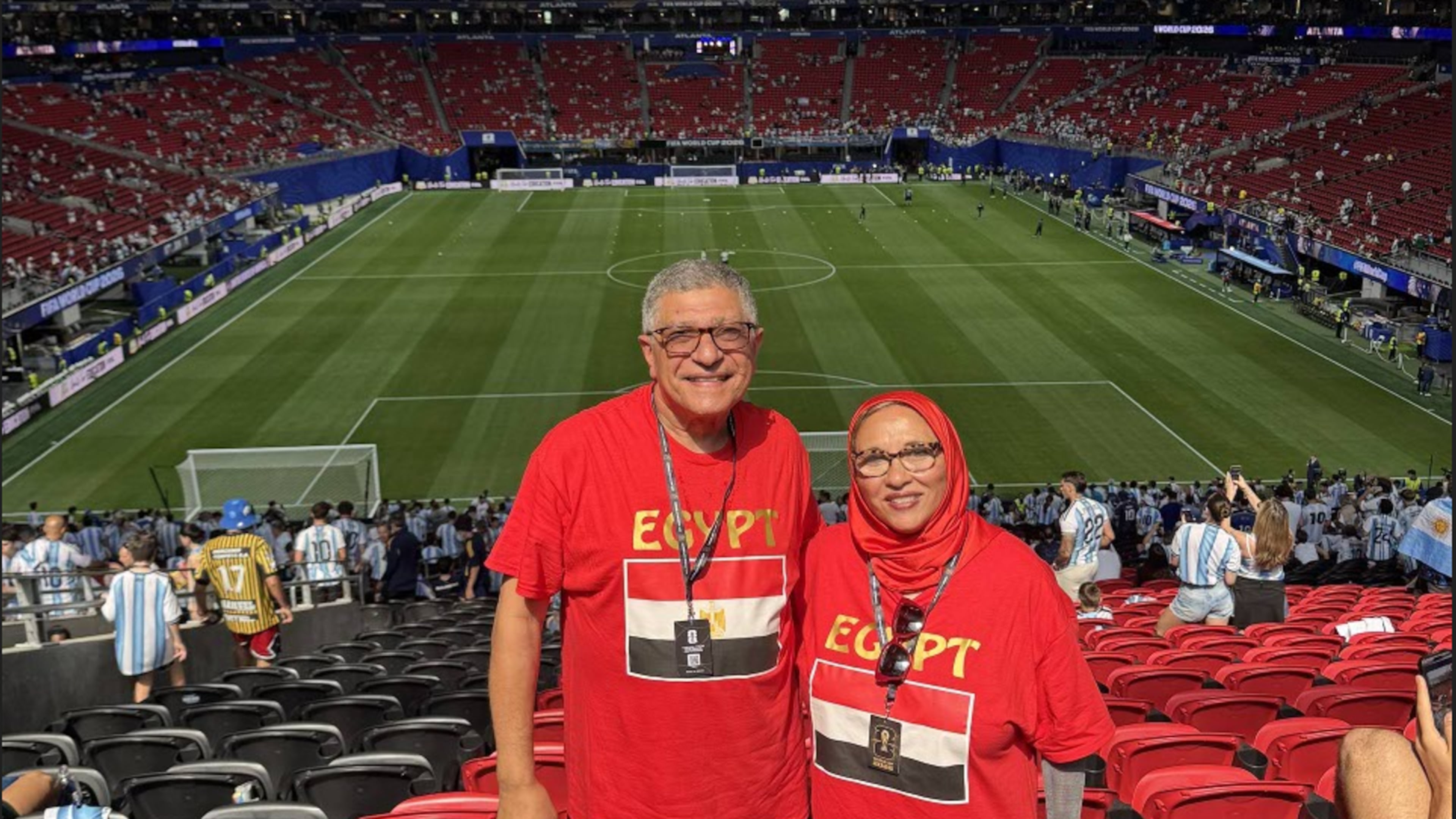
I will always remember July 7 as one of the happiest saddest days.
Egypt, my “home team,” was playing in the World Cup Round of 16 in my hometown Atlanta.
As a proud Egyptian American and Muslim, walking into Mercedes-Benz (Atlanta) Stadium that day was as good as it can get.
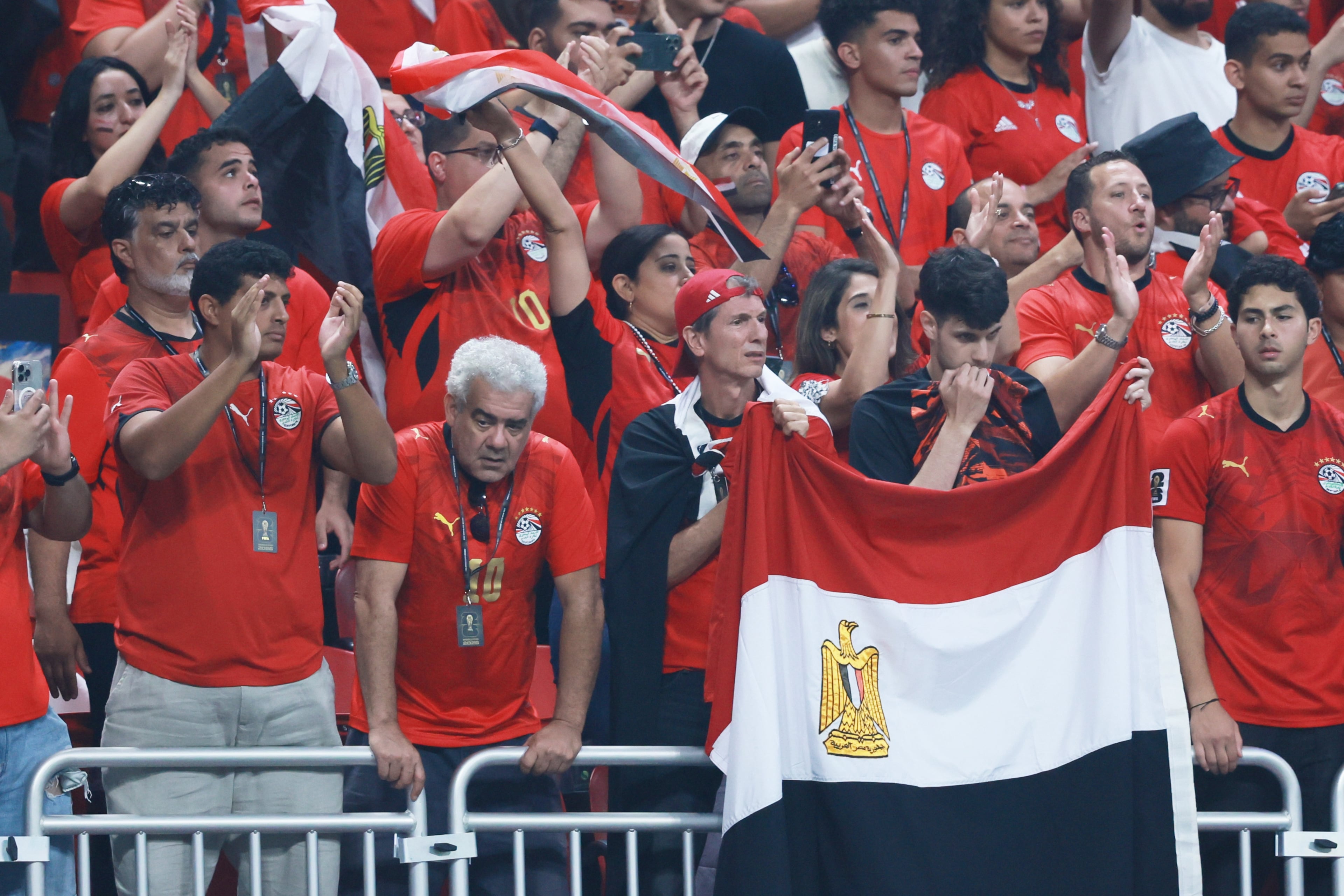
Unfortunately for us, Argentina won that game. But really, for the Muslim community — and for our visitors from Muslim majority countries — Atlanta won.
It was clear to us in the stadium and around town, that Atlanta has taken a deliberate approach to ensuring Muslims can fully participate in the World Cup festivities without compromising our traditions.
Thousands of fans benefited from Southern hospitality
Rather than treating religious accommodations as an afterthought, the city incorporated them into its World Cup planning, including training by ISB Atlanta.
Those efforts are plainly visible to hundreds of thousands of fans from around the world coming to our city.
I was thrilled to find Halal food on every level of the stadium, with signs and banners indicating which other food stalls had non-pork products.
I loved the cheesesteak and my family thoroughly enjoyed pizza and lots of other stadium food.
Those signs and banners also pointed to dedicated prayer space that had been set aside for Muslims and all faith traditions.
In addition, the world’s busiest airport set up extra prayer spaces through the airport. We felt welcome and seen.

The real story isn’t simply about food or prayer space in the stadium. It’s about what it looks like for an American city to intentionally accommodate Muslim visitors during one of the world’s largest sporting events. Muslim-majority countries noticed and are grateful.

Commitment to inclusivity is part of the fabric of the city
I can see how their World Cup experience in Atlanta will encourage further investment and top-level connections here.
At a time when conversations surrounding Islam and public life in the U.S. remain politically charged, I am very happy to live in Atlanta where we know that religious accommodation is a vital part of welcoming the world.
Mayor Andre Dickens has said, “True hospitality means anticipating the needs of people before they arrive … we want every guest to feel respected, supported and able to fully participate in everything Atlanta has to offer.”
I completely agree. Atlanta’s leadership in civil and human rights in not just historical; the commitment to inclusivity, now extended to the Muslim community, is part of the fabric of the city.
Even though I walked out of Mercedes-Benz Stadium disappointed in Egypt’s loss, I was not disappointed in the experience. My city, Atlanta, knows how to throw a party where Muslims from around the world are welcomed with open arms.
Soumaya Khalifa is a long time resident of metro Atlanta and founder and executive director of ISB Atlanta. ISB Atlanta (formerly Islamic Speakers Bureau of Atlanta) is a nonprofit founded on August 2001 to build bridges of understanding between the Muslim community and wider community, develop leaders and serve the community.