After the storms, Atlanta’s water systems show why infrastructure matters
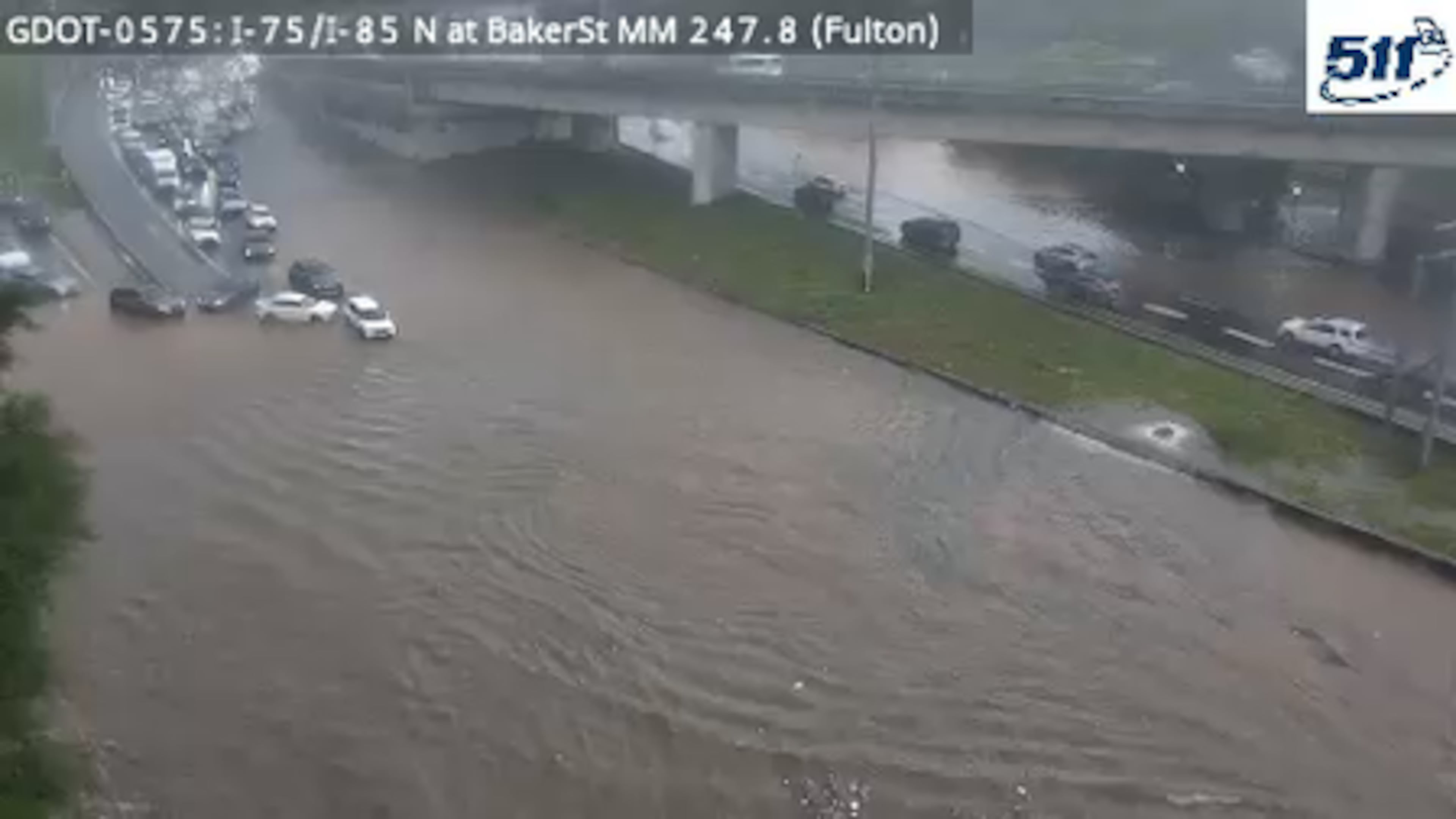
When intense storms moved through metro Atlanta in late May, most residents noticed flooded streets, rising creeks and a disrupted commute in parts of the city.
What many people did not see is the water infrastructure working behind the scenes to manage runoff, protect water quality and keep a fast-growing region moving.
These short-duration, high-intensity storms are not unique to Atlanta. They are part of a broader challenge across the Southeast, where fast-growing metros rely on complex water, wastewater and stormwater systems that must perform reliably under extreme pressure.
For Atlanta, reliability is not just a utility concern; it is an economic one.
Reliable water and wastewater services support business continuity, enable redevelopment and help sustain the quality of life that attracts employers and residents alike.
Our water systems are our key to growth
Atlanta’s growth story is well known. Less visible is how central its water infrastructure is to both the region’s recent success and its future.
Over time, the city has made sustained investments in water, wastewater and stormwater systems with a focus on how those systems work together.
Managing them as an interconnected network helps protect water quality, improve reliability and support continued development.
Notably, the city has transformed one of the most complex legacy water systems in the Southeast, rehabilitating aging infrastructure, reducing overflows and building a comprehensive wet-weather program.
Through Clean Water Atlanta and related efforts, the city reduced combined sewer overflows from more than 300 per year to an average of just 16, one of the most significant water quality improvements in the region.

At the same time, the city has expanded its approach to managing stormwater at the surface. Requirements for new development to capture and manage rainfall on site, along with broader green infrastructure efforts, help reduce runoff before it reaches the system.
These investments do not necessarily eliminate the impact of major storms, but they improve how our systems perform.
Performance under pressure
The recent storms illustrated that dynamic. In parts of metro Atlanta, intense rainfall over a short period produced rapid runoff and localized flooding. Based on available U.S. Geological Service gauge data, one location recorded rainfall intensity exceeding 3 inches per hour during the event. Situations like this challenge our systems, not just because of the total volume of water, but how quickly it enters the network.
From an operational standpoint, these water systems must perform consistently during everyday conditions and during the kinds of events that test capacity. That performance and continued investment in water infrastructure have clear economic implications.
Reliable water and wastewater service, along with effective stormwater management, is foundational for business continuity and growth. It supports everything from housing and redevelopment to where employers decide to invest. It also supports the natural assets that shape the quality of life and regional identity we enjoy in Atlanta every day. Clean, accessible waterways are part of what makes Atlanta a vibrant and attractive city.
The Chattahoochee River, for example, supplies about 70% of metro Atlanta’s drinking water and supports recreation, tourism and economic activity across the region.
In 2023 alone, more than 3 million visitors to the Chattahoochee River National Recreation Area generated over $160 million in local spending, supporting more than 2,000 jobs and demonstrating its importance as both a natural resource and an economic driver. That economic value depends on systems that protect water quality not just on sunny days, but during storms like the ones Atlanta just experienced.
Sustaining investment for Atlanta’s future
Atlanta has built a strong foundation over time. That foundation reflects a clear approach focused on reliability, efficiency and long-term system performance. These systems support business activity, strengthen housing markets and reduce the risk of disruptions that can ripple through local economies.
The Department of Watershed Management’s five-year capital improvement program is focused on sustaining and expanding system capacity, building on long-term planning that identifies billions of dollars in system needs. We know sustained investment in water systems impacts long-term performance from working with utilities and operators on real-world solutions in Georgia, from The Water Tower in Gwinnett County to projects that expand system capacity and improve performance under wet-weather conditions.
Atlanta has spent decades strengthening its water and wastewater systems. Sustaining that progress through continued investment, integrated planning and operational excellence will be central to supporting the region’s next phase of economic growth.
In a region that continues to grow as quickly as metro Atlanta, that kind of reliability is not optional. It is essential.
Chris Haney, P.E. (professional engineer), is president of the water group at STV, which has planned, designed and delivered essential transportation, water and airport infrastructure in the region for more than 50 years. A Georgia Tech alum, he has been a resident of the metro Atlanta region for more than four decades.
Send letters to the editor of 250 words or fewer with your name, city or town and contact information to letters@ajc.com.